Table of Contents >> Show >> Hide
- First, a quick reality check: why “brown recluse bite” is often a mislabel
- What a brown recluse is (and where it actually lives)
- Brown recluse bite appearance: what it can look like over time
- Home treatments that are actually helpful
- When to see a doctor (and when it’s urgent)
- What a clinician may do (so you know what to expect)
- Healing timeline: how long does a brown recluse bite last?
- Prevention tips (because the best bite is the one you never get)
- Common myths that need to retire
- Real-life experiences: what people often notice (and what they wish they’d known)
- Experience #1: “I didn’t feel a bite… then it started to throb later.”
- Experience #2: “It looked like a tiny bruise and then I panicked.”
- Experience #3: “I tried too many home remedies and made it angrier.”
- Experience #4: “I went in because I was unsureand I’m glad I did.”
- Experience #5: “The healing took longer than I expected.”
- Wrap-up
The brown recluse spider has a reputation that’s bigger than the spider itselfwhich is impressive, considering this arachnid looks like it’s wearing a tiny “violin” logo and a permanent expression of social anxiety. Here’s the truth: most “brown recluse bites” aren’t actually from a brown recluse, and most true bites don’t turn into a medical horror story. But because some bites can become more serious (especially in kids), it’s smart to know what to look for, what you can safely do at home, and when to stop Googling and get real medical help.
This guide covers the bite’s typical appearance and symptom timeline, practical home treatments that are actually evidence-based, common myths that won’t help you, and real-world “what people experience” insightswithout turning your stomach or your search history into a crime scene.
First, a quick reality check: why “brown recluse bite” is often a mislabel
Doctors and patients often blame mystery skin sores on brown reclusesbut confirmed brown recluse bites are much less common than people think. One major reason: many other conditions can look similar early on, including allergic reactions, infected insect bites, and certain bacterial skin infections. Even medical literature emphasizes that accurate diagnosis usually requires actually identifying the spider (which rarely happens in real life).
So if you never saw a spider and you live far outside the recluse’s typical range, it’s worth keeping an open mind. Your skin doesn’t care what the rumor mill saysit cares about clean wound care, monitoring, and getting help if things worsen.
What a brown recluse is (and where it actually lives)
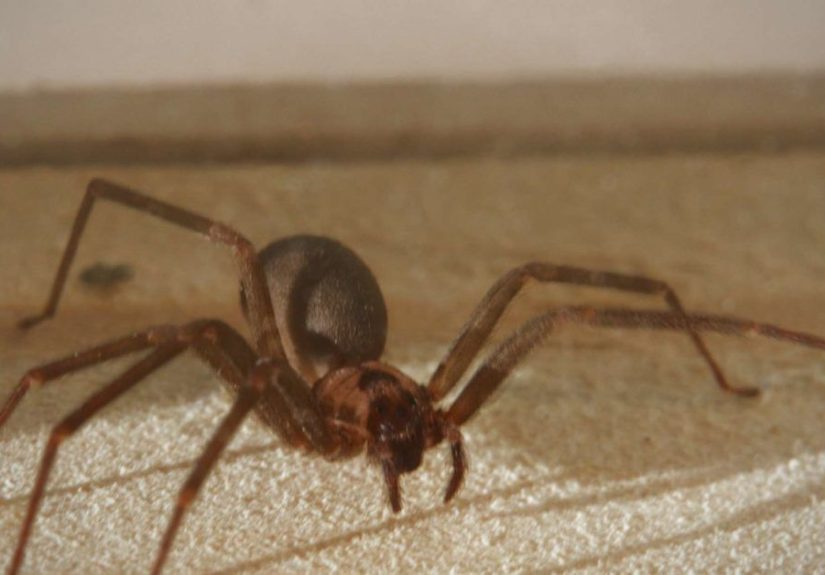
Brown recluses (Loxosceles reclusa) are most commonly found in the central and south-central United States, with overlap into parts of the Midwest and Southeast. They prefer quiet, undisturbed indoor or sheltered spotsthink storage boxes, closets, basements, attics, shoes you haven’t worn since “that one wedding,” and piles of stuff that haven’t seen daylight in months.
How to identify the spider (without becoming a spider detective)
- Color: typically light to medium brown.
- Marking: often described as a violin-shaped mark on the upper body (but other spiders can have markings too).
- Eyes: brown recluses have six eyes (three pairs), not eight like most spidersthough you probably won’t be counting spider eyes mid-panic.
If you suspect a bite and the spider is safely available, a photo (or careful capture in a container) can help professionals with identification. Don’t risk another bite trying to catch it bare-handed.
Brown recluse bite appearance: what it can look like over time
Brown recluse bites can start out surprisingly mild. In many cases, the “bite” feels like a small stingor nothing at allthen symptoms build over hours. The range of reactions is wide: some people get a small irritated area that heals with basic care, while a smaller subset develop more significant skin injury.
Early signs (first minutes to 8 hours)
- Mild redness or a tender spot
- Itching, burning, or increasing pain over the first several hours
- Swelling may be minimal or noticeable
- A small central pale area sometimes develops, with surrounding redness
A key pattern clinicians note: pain may increase gradually during the first several hours after the bite rather than peaking immediately.
Next 1–3 days: possible blistering or color change
Over the next day or two, some bites remain mild and fade. Others may develop a blister, bruised-looking color changes, or a “bull’s-eye” style pattern (pale center with a red outer area). If skin breakdown occurs, it usually evolves over days rather than appearing instantly.
If you notice a worsening sore, increasing pain, or expanding discoloration, that’s your cue to get medical adviceespecially if the bite is on the face, near the eyes, or on the hands where swelling can affect function.
Less common but important: systemic symptoms (whole-body symptoms)
Most bites stay localized to the skin. Rarely, especially in children, brown recluse venom can cause broader symptoms sometimes called “systemic loxoscelism.” Seek medical care promptly if any of these occur:
- Fever, chills, body aches
- Nausea, vomiting
- Headache or feeling generally unwell
- Widespread rash
- Dark urine, unusual fatigue, dizziness (signals that require urgent evaluation)
Home treatments that are actually helpful
If you think you may have a brown recluse bite, home care focuses on basic wound care, reducing inflammation, and watching for warning signs. The goal is not to “neutralize venom” with dramatic tricks. It’s to support your body’s healing and catch complications early.
Step-by-step first aid at home
-
Wash gently with soap and water.
Clean the area soon after you notice it. This helps reduce infection risk. -
Use a cool compress.
Apply a cold, damp cloth (or wrapped ice pack) for about 10–15 minutes at a time, repeating as needed. Cold can help with pain and swelling. -
Elevate if it’s on an arm or leg.
Keeping the area raised can reduce swelling. -
Cover it lightly.
A thin layer of petroleum jelly plus a non-stick bandage can protect irritated skin. Change the bandage if it gets dirty or wet. -
Manage pain and itch safely.
Over-the-counter pain relievers may help. For itch, an oral antihistamine may be useful. Follow package directions, and if you have medical conditions or take other medications, check with a clinician or pharmacist. -
Take a dated photo once or twice a day.
This helps you notice if the area is truly expanding or just “feels worse” because you’re understandably paying attention. -
Call Poison Control for personalized guidance.
In the U.S., Poison Control can be reached at 1-800-222-1222. They can advise based on symptoms, location, and bite timing.
What NOT to do (because your skin deserves better)
- Don’t cut the bite, squeeze it, or try to “drain venom.” This can worsen tissue injury and infection risk.
- Don’t use heat. Heat can increase inflammation; cool compresses are the typical recommendation.
- Skip folk remedies that irritate skin (strong chemicals, harsh disinfectants, random essential oil cocktails). If it burns, it’s not “working.” It’s burning.
- Don’t use a tourniquet. Restricting blood flow can cause harm.
- Don’t start leftover antibiotics “just in case.” Antibiotics aren’t routinely needed unless there’s evidence of a bacterial infection, and using them incorrectly has downsides.
When to see a doctor (and when it’s urgent)
Many mild bites can be monitored at homebut you should seek medical care if symptoms are escalating or you’re unsure what’s happening. It’s not “overreacting.” It’s good triage.
Get urgent medical care now if you have:
- Trouble breathing, facial swelling, or signs of a severe allergic reaction
- Fever with worsening pain or a rapidly spreading area of redness
- Severe whole-body symptoms (vomiting, dizziness, weakness, widespread rash)
- Dark urine or unusual fatigue after a suspected bite
- A bite near the eye or on the face with swelling
- Any concerning bite in a child (kids can be more vulnerable to systemic effects)
Make an appointment or urgent care visit if:
- The area is getting larger day by day
- Pain is increasing significantly after the first several hours
- There’s drainage, increasing warmth, or signs of infection
- You haven’t had a tetanus booster in the recommended timeframe
- You have diabetes, immune system issues, or circulation problems
What a clinician may do (so you know what to expect)
There is no routine “instant test” to prove a brown recluse bite in most everyday clinics. Care is usually based on symptoms, location, and the wound’s progression. Medical treatment often includes:
- Wound assessment and cleaning, sometimes with specific dressings
- Pain control and itch relief recommendations
- Tetanus update if needed
- Antibiotics only if there’s evidence of bacterial infection (not automatically)
- Monitoring for systemic effects in higher-risk cases (especially children)
You may also hear about treatments that get mentioned onlinelike special medications, steroids, hyperbaric oxygen, or early surgery. The medical literature generally emphasizes that many proposed therapies lack strong evidence, and supportive care is the mainstay for most cases. In other words: boring medicine often wins.
Healing timeline: how long does a brown recluse bite last?
Many uncomplicated spider bites improve within about a week. Recluse bites can take longer, and if significant skin injury occurs, healing may take weeks and can leave a scar. The most important thing you can do is monitor the trend: is it getting calmer, less painful, and less inflamed over time? Or is it clearly worsening?
If the trend is “worse,” get help early. If the trend is “slowly better,” keep up gentle care and resist the urge to poke it every ten minutes (we know it’s tempting).
Prevention tips (because the best bite is the one you never get)
- Shake out shoes, gloves, and clothing that have been sitting unused.
- Reduce clutter in storage areas; recluses love undisturbed hiding spots.
- Use sealed storage bins instead of cardboard when possible.
- Wear gloves when moving woodpiles, boxes, or items in basements/attics.
- Seal cracks and gaps around doors, windows, and baseboards.
Common myths that need to retire
Myth: “If it’s a nasty sore, it must be a brown recluse bite.”
Not necessarily. Many skin conditions can mimic a “spider bite,” and verified recluse bites are less common than the internet implies.
Myth: “You have to suck the venom out.”
Please don’t. This can damage tissue and doesn’t reliably help.
Myth: “Heat pulls the venom out.”
Heat can increase inflammation. Cool compresses are the usual first-aid approach.
Real-life experiences: what people often notice (and what they wish they’d known)
The medical facts matterbut so does the lived experience of dealing with a suspected brown recluse bite. Below are common patterns people describe, presented as composite scenarios (not individual medical stories) to help you recognize what’s “typical stress” versus “time to get help.”
Experience #1: “I didn’t feel a bite… then it started to throb later.”
Many people report that the first moment wasn’t dramatic. They were folding laundry, putting on a shoe, pulling a sweater from a closet, or rolling over in bed. Hours later, they notice a spot that feels hot, itchy, or sorealmost like a mosquito bite with an attitude. What surprises them is the slow ramp-up: it can go from “meh” to “okay, this is annoying” over several hours.
What helps in this scenario is calm, basic first aid: soap and water, a cool compress, and elevation if it’s on a limb. Taking a photo in good lighting can be surprisingly reassuring, because memory plays tricks when you’re worried. If the next day shows less redness and less pain, people often realize it’s trending toward “minor irritation” rather than “medical crisis.”
Experience #2: “It looked like a tiny bruise and then I panicked.”
A common turning point is color change. A spot may look pale in the center or develop a bruised ring, and that’s when imaginations sprint faster than Olympic runners. People describe spiraling into late-night image searches (which is basically a guaranteed way to lose sleep).
In reality, color changes can happen with different types of bites and skin irritationnot just recluse bites. The practical “wish I’d known” advice here: watch the trend rather than the vibe. Is the area expanding quickly? Is pain escalating? Do you have fever or nausea? If yes, get medical advice. If no, continue gentle care and check twice daily rather than every 12 minutes.
Experience #3: “I tried too many home remedies and made it angrier.”
People often admitafter the factthat they threw a whole pantry at the problem: alcohol wipes, hydrogen peroxide, harsh creams, essential oils, even random “detox” pastes. The bite site ends up irritated, dry, or more inflamed, and it becomes hard to tell what’s the bite and what’s the reaction to the DIY chemistry experiment.
The best home care is boring on purpose: mild washing, cool compresses, a simple protective dressing, and symptom control. Many people say Poison Control was unexpectedly helpful because it replaced frantic guessing with a plan: what to do today, what to watch for tonight, and when to seek in-person evaluation.
Experience #4: “I went in because I was unsureand I’m glad I did.”
Another frequent story is that the bite wasn’t “the worst thing ever,” but it was confusing: pain increasing over time, swelling in a hand, or a spot on the face that felt risky. In these cases, going to urgent care wasn’t about dramait was about getting eyes on the wound, confirming tetanus status, and ruling out infection or other causes.
People often feel relief when a clinician explains that many suspected recluse bites are something else entirelyor that the skin changes can be monitored with supportive care. Even when treatment stays simple, the guidance reduces anxiety and helps prevent over-treating (or under-treating) the problem.
Experience #5: “The healing took longer than I expected.”
When a bite does lead to more noticeable skin injury, the frustrating part is time. People expect a bite to heal like a paper cut. Instead, they may deal with a tender area for weeks, needing gentle dressings and patience. The good news is that careful wound care and early medical guidance (when needed) can improve comfort and reduce complications. The lesson many share: don’t try to “win” against your skin. Support it, protect it, and let healing do its unglamorous work.
Wrap-up
Brown recluse bites can be mild, and many suspected bites aren’t recluses at all. Still, it’s worth knowing the classic pattern: symptoms may build over hours, skin changes may evolve over days, and whole-body symptoms are rare but importantespecially in children. Stick to sensible home care: gentle washing, cold compresses, elevation, simple dressings, and symptom relief. Avoid cutting, squeezing, heat, and harsh chemicals. And when in doubtespecially if symptoms worsen or you feel illget medical advice or call Poison Control.