Table of Contents >> Show >> Hide
- What the KCV-141-CH Is (and Why “CH” Matters)
- Quick Specs at a Glance
- Design & Style: Why This Shape Works in So Many Bathrooms
- How Much Vanity Space Do You Actually Need?
- Installation Overview (Without the Panic)
- Faucet Pairing: The Make-or-Break Decision
- Cleaning & Maintenance: Keep the Gloss Without the Drama
- Performance & Practical Pros/Cons
- KCV-141-CH vs. Other Sink Styles
- Buying & Planning Tips (So You Don’t Buy Twice)
- FAQ
- Conclusion: Is the KCV-141-CH a Smart Buy?
- Real-World Experiences With the Kraus KCV-141-CH (About )
If your bathroom vanity feels a little… emotionally flat, a vessel sink is basically the “new haircut” of home upgrades:
dramatic, noticeable, and somehow makes the whole room look like it has its life together. The
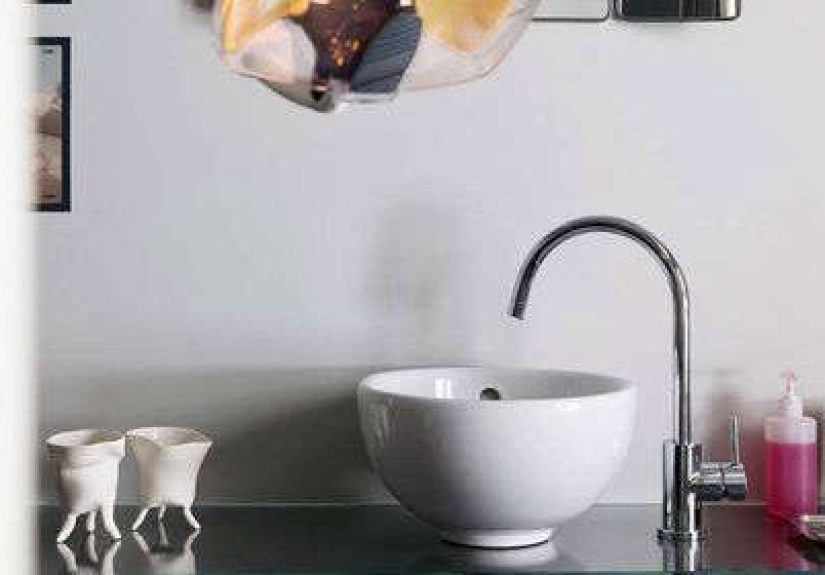
Kraus KCV-141-CH is one of those easy winsa round, glossy white ceramic (vitreous china) vessel sink
that comes bundled with a chrome pop-up drain. Translation: you get that clean, hotel-bath vibe without
needing to source ten tiny parts from five different shopping carts.
In this guide, we’ll break down what the KCV-141-CH actually is (and what it isn’t), how it installs, what to pair it with,
and how to keep it looking bright and shiny without babying it. We’ll also get honest about the little details that matter
like faucet reach, counter space, and why “no overflow” is a bigger deal than it sounds.
What the KCV-141-CH Is (and Why “CH” Matters)
The Kraus KCV-141 is the sink itself: a round, above-counter vessel sink made of
vitreous china (a durable, glazed ceramic commonly used in bathrooms). The “CH” in
KCV-141-CH refers to the included chrome-finish drain, not a chrome-colored sink.
So, you’re getting a gloss white bowl with a chrome pop-up drain for a coordinated look.
Quick Specs at a Glance
Let’s get the numbers out of the way early, because measuring after you buy is how remodel timelines become ghost stories.
| Spec | Kraus KCV-141-CH |
|---|---|
| Type | Round vessel (above-counter) bathroom sink |
| Material | Vitreous china (glazed ceramic) |
| Overall size | Approximately 16" diameter x 6 1/4" high |
| Bowl size / depth | About 14 3/4" bowl diameter; ~5 3/8" sink depth (varies by measurement method) |
| Drain opening | Standard 1 3/4" (1.75") opening |
| Overflow | No overflow (use a drain designed for sinks without overflow) |
| Included | Sink + chrome pop-up drain |
One more practical note: manufacturer documentation commonly mentions a small dimension tolerance for ceramic. In the real world,
that means you should measure your actual sink before cutting or drilling anything permanent. (Your countertop will not forgive you.)
Design & Style: Why This Shape Works in So Many Bathrooms
Round vessel sinks are popular for a reason: they’re visually soft, they don’t fight your mirror shape, and they look equally at home
in modern, transitional, and even “I inherited this vanity but I’m trying my best” bathrooms.
Gloss White = “Matches Everything” Energy
The glossy white finish reads clean and bright, and it plays nicely with nearly any countertop: white quartz, gray stone,
butcher block (sealed, please), concrete, or even a darker surface that makes the bowl pop.
Chrome Drain: Easy to Coordinate
Chrome is the “blue jeans” of bathroom hardware. If your faucet, towel bar, and shower trim are already chrome, the included drain
helps the sink look intentional instead of “assembled from the last three things left in the store.”
How Much Vanity Space Do You Actually Need?
A 16-inch round vessel sink is a sweet spot: big enough to feel substantial, not so big that it takes over the counter like a
roommate who never buys toilet paper.
Real example: 24-inch vanity
On a typical 24" vanity top, a 16" vessel sink leaves roughly 4" of counter on each side (24 – 16 = 8; 8/2 = 4).
That’s enough for a soap pump and maybe a toothbrush cupassuming the sink is centered and the countertop depth is adequate.
If you want more “landing zone” space, a 30" vanity feels extra comfortable with this size.
Depth matters too
Vessel sinks sit on top of the counter, so you’re not gaining counter depth by cutting a hole. Make sure the sink won’t crowd the
faucet area, especially if you’re using a deck-mounted vessel faucet behind it.
Installation Overview (Without the Panic)
Vessel sink installation is usually simpler than undermount because you’re not wrestling with clamps under the counter while
questioning your life choices. But there are still a few critical steps.
1) Confirm placement and faucet clearance
Before drilling, mock it up: set the sink on the counter where you want it, then position the faucet (or at least mark where it will go).
You need comfortable hand room and a spout that reaches far enough into the bowl to reduce splashing.
Also, leave enough clearance from the wall/backsplash so the faucet can fit and operate normally.
2) Drill the drain opening
The drain opening is standard 1.75" at the sink, but the countertop cutout is typically larger to allow the drain body to pass through.
Follow the sink/drain instructions and use the recommended hole saw size for your countertop material.
If you’re working with stone, consider a pro fabricatorgranite and “oops” don’t mix.
3) Seal and set the sink
A bead of clear silicone under the rim helps stabilize the sink and prevents water from sneaking underneath.
Press the sink into place, align it, wipe away excess sealant, and give it time to set before you connect plumbing.
4) Install the drain and connect plumbing
Because this model is without overflow, use the correct style of pop-up drain (the included one is intended for that setup).
Then connect the trap and water supply lines per your faucet’s instructions, run water, and check for leaks.
If you’re comfortable swapping faucets and hooking up a trap, this is very DIY-friendly. If you’re not, paying a plumber for an hour
is cheaper than paying a plumber for three hours plus a new cabinet.
Faucet Pairing: The Make-or-Break Decision
Vessel sinks are picky about faucets the way cats are picky about which chair is “theirs.” Choose the wrong height or reach,
and you’ll get splashing, awkward handwashing angles, or a faucet that looks like it’s apologizing for being there.
Option A: Tall vessel faucet (deck-mounted)
This is the classic pairing. Look for a faucet labeled for vessel sinks, and check two things:
spout height (so it clears the rim) and spout reach (so water lands closer to the bowl’s center).
Many people aim for the water stream to hit near the drain area to reduce splash.
Option B: Wall-mount faucet
Wall-mount looks sleek and frees up counter space behind the sink. It also requires planning: correct rough-in height,
correct reach, and a wall that can accommodate plumbing. If you’re renovating anyway, it’s a beautiful move.
What about a standard bathroom faucet?
Usually not ideal. A short faucet on a tall vessel sink turns handwashing into a knuckle-bumping sport.
If you already bought a standard faucet, consider exchanging itor brace for daily mild annoyance.
Cleaning & Maintenance: Keep the Gloss Without the Drama
One of the main selling points of glazed ceramic is that it’s naturally smooth and non-porous, so it doesn’t cling to grime
the way some textured finishes do. For day-to-day care:
- Rinse with clean water and dry with a soft cloth to minimize water spots.
- Use mild, non-abrasive cleaners when needed.
- Avoid harsh abrasives and scratchy pads that can dull the shine over time.
The chrome drain benefits from the same approach: gentle cleaning, quick drying, and no “science experiment” chemicals.
(Your sink wants to sparkle, not undergo a lab trial.)
Performance & Practical Pros/Cons
What people love
- Instant style upgrade: Vessel sinks look high-end fast.
- Easy-to-clean surface: Smooth glaze wipes down quickly.
- Simple install concept: Set on top, seal, and connect plumbing.
- Coordinated drain included: Chrome pop-up helps the whole setup look finished.
What to think through before buying
- No overflow: If someone leaves the water running, the sink won’t “self-save.” Consider a faucet with a reliable shutoff and household habits.
- Height adds up: Vessel sinks sit above the counter, so make sure the finished sink height is comfortable for your household.
- Faucet choice matters: Wrong reach/height can cause splashing.
- Counter space tradeoff: You’ll gain visual drama, but lose some flat space around the bowl.
KCV-141-CH vs. Other Sink Styles
Vessel vs. undermount
Undermount sinks feel seamless and maximize counter wipe-down convenience (crumbs go straight into the bowl).
Vessel sinks win on visual impact and often require less complex countertop fabrication. If you want “spa look” on a realistic budget,
vessel is hard to beat.
Vitreous china vs. stone/resin
Stone and resin sinks can be gorgeous, but maintenance varies widely. Vitreous china is a classic because it’s consistent,
bright, and generally forgiving. If you want a sink that looks clean even when life is busy, glossy ceramic is a practical choice.
Round vs. rectangular vessel
Rectangular basins can feel more modern and sometimes offer a bit more “front-to-back” wash space, but round sinks are
easier on tight layouts and tend to look softer. The KCV-141 shape is especially friendly in small bathrooms or powder rooms.
Buying & Planning Tips (So You Don’t Buy Twice)
- Measure vanity width and counter depth before you commit. A 16" bowl is versatile, but placement matters.
- Pick the faucet first (or at least confirm specs): verify spout height and reach for a vessel sink setup.
- Confirm the drain type: because the sink is without overflow, use a compatible pop-up drain (the included one is designed for that style).
- Think about daily behavior: if kids or guests are prone to leaving water running, consider a faucet with a flow limiter or a reliable shutoff feel.
- Choose your countertop material strategy: laminate and wood counters are DIY-drillable (carefully); stone often benefits from a pro cutout.
FAQ
Is the Kraus KCV-141-CH actually chrome?
The sink itself is glossy white ceramic/vitreous china. The “CH” refers to the chrome finish on the included pop-up drain.
Does it have an overflow?
No. This sink is designed without an overflow, which is common for vessel sinks. Use the correct drain style and be mindful about
leaving water running.
Will it work with my existing vanity?
Often yes, as long as the vanity top can accommodate the sink footprint and the drain plumbing inside the cabinet has clearance.
Vessel sinks can be a smart refresh when you don’t want to replace the whole vanityjust plan faucet height and drain alignment.
Is it hard to keep clean?
Generally, glossy ceramic is one of the easier sink materials to maintain. Regular wipe-downs prevent water spots and keep the
finish looking bright.
Conclusion: Is the KCV-141-CH a Smart Buy?
The Kraus KCV-141-CH hits a sweet spot for bathroom upgrades: classic glossy ceramic, a versatile round shape,
and a bundled chrome pop-up drain that simplifies the “make it match” part of remodeling. It’s a strong choice for powder rooms,
guest baths, and primary bathrooms where you want a clean, timeless look with minimal maintenance fuss.
Get the planning rightespecially faucet height/reach and placementand this sink can deliver that polished, boutique-hotel vibe
every single day. And yes, your toothbrush cup will look more sophisticated by association. That’s just science.
Real-World Experiences With the Kraus KCV-141-CH (About )
Living with a vessel sink is a little like owning a white sneaker: it looks amazing, it elevates everything around it, and it rewards
the small habit of wiping it down now and then. The KCV-141-CH tends to shine (literally) in everyday use because the glossy ceramic
doesn’t feel “high maintenance” the way some statement finishes can. A quick rinse and a soft-cloth wipe after brushing teeth or
washing up usually keeps it looking like it belongs in a magazine spreadeven if the rest of your morning routine looks more like
a sprint through a surprise pop quiz.
One of the first things people notice is how the sink changes the counter experience. Because it sits above the vanity, you often
gain a bit of usable cabinet space underneath compared to some bulky drop-in setups, but you also become more aware of
“landing zones” on the counter. If you’re used to tossing a hair tie, watch, or ring right next to the bowl, you may end up shifting
those items to a tray or the corner of the vanity. The upside is that this tends to make the counter look more intentionallike you
planned it, not like it happened to you.
Faucet selection is where real-life satisfaction is decided. When the spout reaches nicely toward the center of the bowl, the sink
feels calm and controlledwater lands where it should, handwashing is comfortable, and splashing is minimal. When the spout is too
short, the water stream hits closer to the rim, and you can get that annoying “tiny droplets on the counter” situation. The fix
isn’t complicated (choose a vessel faucet with the right reach), but it’s one of those decisions that feels small until you live with
it twice a day. People who pair the sink with a properly sized tall faucet usually describe the setup as “surprisingly practical”
for something that looks so design-forward.
The included chrome pop-up drain is another everyday win. In real bathrooms, mixed metals can look either “curated” or “accidental,”
and there’s not always a middle ground. Having the drain match common chrome hardware helps the sink feel cohesive, especially in
guest baths where you want things to look finished without explaining your design philosophy to visitors. Functionally, pop-up drains
are straightforward, and most households quickly settle into a routine: open for daily use, close briefly if you’re rinsing something,
and open again. (Try not to turn it into a tiny bathtubremember, vessel sinks like this typically don’t include an overflow.)
Over time, the sink tends to earn appreciation for the unglamorous reason that matters most: it still looks good. Glossy ceramic
doesn’t chase trends; it just stays clean, bright, and neutral. If you redecorate, swap wall color, or change your mirror, the sink
usually plays along without demanding you renovate again. And honestly, any bathroom fixture that doesn’t start a new project is
a fixture worth respecting.