Table of Contents >> Show >> Hide
- Why This Butter + Thyme Roasted Potatoes Method Works
- Butter Roasted Potatoes With Thyme Recipe
- Potato Choices: Which One Should You Use?
- Flavor Variations (Because Potatoes Deserve Options)
- Serving Ideas: What Goes With Butter Roasted Potatoes With Thyme?
- Troubleshooting: How to Avoid Soggy or Burnt Potatoes
- Make-Ahead, Storage, and Reheating
- FAQ: Butter Roasted Potatoes Recipe With Thyme Recipe
- Conclusion
- Kitchen Notes & Real-Life Experiences (Extra)
If potatoes had a love language, it would be butter. And if butter had a favorite perfume, it would be
thyme. Put them together on a hot sheet pan with a pile of potatoes and you’ve got that rare side dish that
makes people “just taste one” until the bowl is mysteriously… empty.
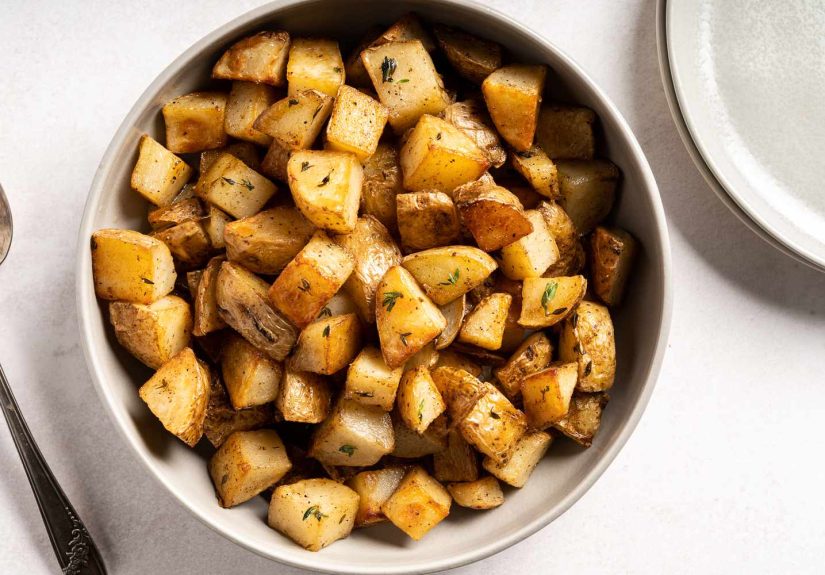
This is a butter-roasted potatoes with thyme recipe built for real life: crispy edges, fluffy centers,
and enough herby aroma to make your kitchen smell like you casually live above a fancy bistro. It also includes the small
science tricks that separate “pretty good” from “where did you learn to do this?”
Why This Butter + Thyme Roasted Potatoes Method Works
1) We parboil (briefly) to guarantee fluffy centers
Roasting alone can leave you with a classic tragedy: browned outside, stubbornly firm inside. Parboiling jump-starts the
cooking so the potatoes finish evenly in the oventender all the way through, not just on the surface.
2) We “rough up” the edges for maximum crisp
After parboiling, we shake and scuff the potatoes so they develop a thin, starchy coating. In the oven, that coating turns
into the crunchy, golden crust everyone fights over.
3) Butter is delicious, but it can burnso we roast smart
Butter browns beautifully, but at very high heat it can go from “nutty and gorgeous” to “uh-oh.” The fix is simple:
combine butter with a little oil (or use clarified butter/ghee), and add an optional final butter baste near
the end for peak flavor without bitterness.
Butter Roasted Potatoes With Thyme Recipe
Time: 15 minutes prep + 10 minutes parboil + 35–50 minutes roast
Serves: 4–6 (depending on how many “taste tests” happen)
Ingredients
- 3 pounds Yukon Gold potatoes (or red potatoes; see potato options below)
- 2 teaspoons kosher salt, plus more to finish
- 1/2 teaspoon baking soda (optional, for extra-crispy edges)
- 5 tablespoons unsalted butter
- 2 tablespoons olive oil (or avocado oil)
- 1 to 2 tablespoons fresh thyme leaves (or 6–8 sprigs)
- 3 cloves garlic, lightly smashed (optional but highly recommended)
- 1/2 teaspoon freshly ground black pepper
- Optional finish: flaky salt, lemon zest, chopped parsley, grated Parmesan
Equipment
- Large pot
- Colander
- Rimmed sheet pan (heavy is better)
- Large bowl or the same pot for tossing
- Spatula (for flipping)
Step-by-Step Instructions
-
Preheat the oven.
Set oven to 450°F. Place a rimmed sheet pan in the oven while it heats (yes, empty). Hot pan = better browning. -
Cut the potatoes.
For Yukon Golds: cut into 2-inch chunks. Try to keep pieces similar so they roast at the same pace. -
Parboil for fluffy centers.
Bring a large pot of water to a boil. Add 2 teaspoons kosher salt.
If using, add 1/2 teaspoon baking soda.
Add potatoes and boil 8–10 minutes, until the outside is tender and the edges look slightly fuzzy or rough,
but the center still offers a little resistance. -
Drain, steam-dry, and rough up.
Drain potatoes in a colander. Let them steam-dry for 2 minutes.
Return them to the pot (or a bowl), cover with a lid, and shake vigorously for 15–20 seconds.
You want visibly roughed-up edges. This is where the crispiness is born. -
Create the butter-thyme roasting base.
Carefully remove the hot sheet pan from the oven.
Add 3 tablespoons butter and 2 tablespoons oil to the pan.
It should sizzle as it melts. Add thyme sprigs (or half the thyme leaves) and smashed garlic if using.
Swirl to coat the pan. -
Roast: first round.
Add potatoes to the pan and toss to coat in the hot butter-oil mixture.
Spread them into a single layer with space between pieces (crowding = steaming).
Roast 20 minutes without touching them. Let the crust begin. -
Flip and keep roasting.
Remove pan, flip potatoes with a spatula, and return to oven for 15–25 minutes,
flipping once more if you want even browning.
They’re done when deeply golden and audibly crisp when nudged. -
Finish with thyme-butter gloss.
Melt the remaining 2 tablespoons butter.
Toss hot potatoes with melted butter, remaining thyme leaves, black pepper, and a final pinch of salt.
Optional: add lemon zest or Parmesan for a “why is this so good?” moment.
Potato Choices: Which One Should You Use?
Yukon Gold
The best all-around option: creamy centers, crisp edges, and a naturally buttery flavor that plays perfectly with thyme.
Red Potatoes
Hold their shape well with slightly waxier centers. Great if you like firmer bites and neat-looking chunks.
Russet Potatoes
Mega-crispy potential and fluffy interiors, but they can break more easily during the “rough up” step. Use bigger chunks and shake gently.
Flavor Variations (Because Potatoes Deserve Options)
Garlic-Thyme Brown Butter (Extra Cozy)
Skip the final butter toss, and instead brown the finishing butter in a small pan until it smells nutty. Add thyme and garlic,
then drizzle over the potatoes. It’s like a blanket for your taste buds.
Thyme + Lemon
Add lemon zest at the end. The brightness cuts through butter and makes the whole dish feel “lighter,” even though it’s still
definitely butter-roasted potatoes (we’re not here to lie to ourselves).
Parmesan-Thyme Crunch
Toss hot potatoes with a handful of finely grated Parmesan right out of the oven. The cheese melts, then sets into salty, crisp flecks.
“Steakhouse” Herb Butter
Mix softened butter with thyme, parsley, chives, garlic, salt, and pepper. Dollop on hot potatoes and toss. Instant special occasion.
Serving Ideas: What Goes With Butter Roasted Potatoes With Thyme?
- Roast chicken or rotisserie chicken (the easiest “I cooked” illusion)
- Steak, pork chops, or meatloaf
- Salmon with lemon and a green salad
- Eggs for a brunch board situation (yes, potatoes belong at brunch)
- Vegetarian mains like mushroom gravy, roasted veggies, or a lentil loaf
Troubleshooting: How to Avoid Soggy or Burnt Potatoes
If they’re not crispy…
- Crowding: Use two sheet pans if needed. Space is crispiness.
- Too wet: Steam-dry longer after draining. Moisture is the enemy of crunch.
- Not hot enough: Roast at 450°F and preheat the pan.
- Didn’t rough them up: Those shaggy edges are your crunchy future.
If the butter tastes bitter…
- Use a butter + oil blend on the pan.
- Or use ghee/clarified butter.
- Keep the “all-butter” moment for the end toss, not the entire roast.
Make-Ahead, Storage, and Reheating
Make-ahead
You can parboil, drain, steam-dry, and rough up the potatoes up to a few hours early. Keep them uncovered at room temperature
so they stay dry. Roast right before serving for best crisp.
Storage
Refrigerate leftovers in an airtight container for up to 3–4 days.
Reheating (aka bringing back the crunch)
- Oven: 425°F for 10–15 minutes on a sheet pan.
- Skillet: Medium heat with a tiny pat of butter, stirring occasionally.
- Avoid: Microwave-only reheating if you want crispness. It’s convenient, but it’s also the Crunch Thief.
FAQ: Butter Roasted Potatoes Recipe With Thyme Recipe
Can I use dried thyme?
Yes. Use about 1 teaspoon dried thyme in place of 1 tablespoon fresh. Add it toward the end toss so it doesn’t scorch.
Do I have to parboil?
You can roast raw potatoes, but parboiling gives you a much more reliable fluffy-inside, crispy-outside resultespecially with larger chunks.
What if I want “melting” butter-thyme potatoes instead of super crispy?
Roast thicker rounds in butter, then add a splash of broth and keep roasting until tender. You’ll get golden edges and a spoon-tender center.
(Think: elegant dinner-party potatoes.)
Is baking soda safe?
In small amounts, it’s a common kitchen trick used to help the potato surface break down slightly, which boosts crisping and browning.
If you prefer to skip it, you’ll still get great potatoesjust a little less “shatter-crisp.”
Conclusion
This butter roasted potatoes with thyme recipe is the kind of side dish that makes a simple dinner feel like a celebration.
With a quick parboil, a rough-up shake, and a smart butter strategy, you get the holy trinity: crispy edges, fluffy centers, and herby-butter flavor.
Serve it with anythingor serve it with nothing and call it “potato dinner.” No judgment here.
Kitchen Notes & Real-Life Experiences (Extra)
Home cooks tend to remember their “first perfect tray” of butter roasted potatoes the way people remember their first concert:
loud, exciting, and followed by the immediate thought, “Why didn’t I do this sooner?” The most common experience is discovering
that crispiness is less about fancy ingredients and more about a few tiny decisionsdrying, spacing, and heat. Someone will try
the recipe once, then start applying the same logic to everything else in the kitchen. Suddenly they’re preheating sheet pans for
vegetables and telling friends, “No, really, you have to let it steam off first.” Potatoes: teaching confidence since forever.
Another very real moment: the butter anxiety. People love butter flavor, but they’ve also tasted burnt butter and carry that memory
like a tiny culinary scar. The butter-plus-oil approach usually wins them over. You still get richness, but without the bitter edge
that makes you reach for extra salt to “fix it.” And once someone tries finishing with melted butter and fresh thyme at the end,
it clicks: roast for texture, finish for flavor. It’s the same reason restaurants finish dishes with butterbecause it works.
Then there’s the thyme situation. Fresh thyme can feel fancy, like you should be wearing an apron made of linen and owning exactly
one wooden spoon you’re emotionally attached to. In practice, thyme is incredibly forgiving. Cooks often report that the aroma is the
biggest payoff: the kitchen smells like a holiday meal even if the main dish is Tuesday-night chicken thighs. Many people also learn
the “sprig vs. leaves” lesson: sprigs perfume the fat without turning into little burnt confetti, while leaves are best stirred in at
the end when you want that bright, herbal pop.
The social experience is predictable, too. The tray hits the table, everyone grabs “one,” and within minutes someone is scraping the
corners for the darkest crispy bits. If you’re hosting, you’ll see guests hovering near the pan before dinner is called, claiming
they’re “just helping.” If you’re cooking for family, you’ll hear, “Make these again,” spoken with the seriousness usually reserved
for important life decisions. Leftoversif you have themoften become breakfast: reheated potatoes with a fried egg on top and maybe
hot sauce. People who “don’t cook breakfast” suddenly cook breakfast when crispy potatoes are involved.
Finally, the most relatable experience: dialing it in to your own oven. Some ovens run hot, some run slow, and sheet pans vary wildly.
Many cooks find their sweet spot after a batch or two: maybe 425°F for a little longer, maybe 450°F with a mid-roast rotation, maybe
two pans for better airflow. Once you’ve made these a few times, you stop needing strict times and start cooking by cues: the color of
the edges, the way the potatoes sound when you nudge them, and that toasted-thyme smell that tells you dinner is about to be very good.