Table of Contents >> Show >> Hide
- Is It Safe to Bake Tilapia Straight from Frozen?
- What You’ll Need for All Three Methods
- Method 1: Simple Lemon–Garlic Sheet-Pan Tilapia (From Frozen)
- Method 2: Foil Packets with Frozen Tilapia and Veggies
- Method 3: Crispy Parmesan Crusted Frozen Tilapia
- Tips for the Best Baked Frozen Tilapia
- Common Mistakes to Avoid
- Serving Ideas and Flavor Variations
- Real-Life Experiences with Baking Frozen Tilapia
- Conclusion
Standing in the kitchen with a bag of frozen tilapia and zero plan? Don’t worryyou don’t have to thaw it, panic-Google five different recipes, or order takeout “just this once.” Baking tilapia straight from frozen is not only safe, it’s fast, healthy, and weeknight-friendly… as long as you know a few basic rules.
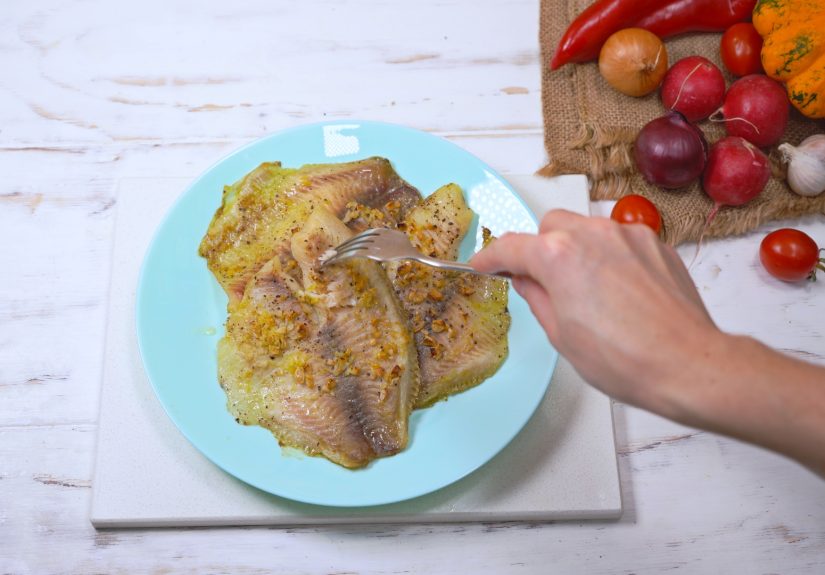
In true wikiHow style, this guide walks you through three easy ways to bake frozen tilapia: a no-fuss lemon–garlic sheet pan version, a veggie-packed foil packet method, and a crispy Parmesan crusted option for when you’re feeling fancy. You’ll also learn how long to bake frozen tilapia, how to tell when it’s done, and how to avoid the dreaded dry, rubbery fish.
Is It Safe to Bake Tilapia Straight from Frozen?
Yesbaking tilapia from frozen is perfectly safe as long as you cook it thoroughly. Food safety agencies in the United States recommend cooking fin fish like tilapia to an internal temperature of 145°F (63°C) or until the flesh is opaque and flakes easily with a fork.
That internal temperature is the key number to remember. Oven temperatures and cook times can vary based on how thick your fillets are and how hot your oven actually runs, so using a food thermometer is the most reliable way to check doneness.
Most U.S. recipes for baked tilapiawhether fresh or frozenaim for oven temperatures around 375–425°F and total cook times of about 15–25 minutes, with the upper end applying to frozen fillets.
What You’ll Need for All Three Methods
- Frozen tilapia fillets (individually quick frozen, ideally skinless and boneless)
- Rimmed baking sheet and/or baking dish
- Aluminum foil or parchment paper
- Olive oil or melted butter
- Fresh lemon (or bottled lemon juice in a pinch)
- Salt and black pepper
- Garlic (fresh or powdered)
- Optional seasonings: paprika, Italian seasoning, chili flakes, dried herbs
- Optional add-ons: veggies (green beans, broccoli, bell peppers, zucchini, cherry tomatoes), grated Parmesan, breadcrumbs
- Instant-read food thermometer (highly recommended)
Method 1: Simple Lemon–Garlic Sheet-Pan Tilapia (From Frozen)
This is your “I just walked in the door and refuse to wash extra dishes” method. Everything goes on one pan, and the oven does the rest.
Step 1: Preheat the Oven
Preheat your oven to 400°F (204°C). This temperature strikes a good balance: hot enough to cook frozen tilapia quickly, but not so hot that it dries out before the center is done.
Step 2: Prep the Pan and Fillets
- Line a rimmed baking sheet with parchment paper for easy cleanup.
- Take the tilapia out of the freezer. Don’t thawjust remove any ice crystals stuck to the surface.
- Arrange the frozen fillets in a single layer on the sheet, leaving a little space between each piece.
Step 3: Make a Quick Lemon–Garlic Dressing
- In a small bowl, whisk together:
- 2–3 tablespoons olive oil or melted butter
- 2 tablespoons lemon juice
- 2–3 minced garlic cloves (or 1 teaspoon garlic powder)
- ½ teaspoon salt and ¼ teaspoon black pepper
- Optional: ½ teaspoon paprika for color and a pinch of chili flakes for heat
- Spoon or brush this mixture generously over the frozen tilapia. Don’t be shythe oil helps keep the fish moist as it bakes.
Step 4: Bake Until Flaky
- Place the pan on the middle rack and bake for 20–25 minutes.
- Start checking at the 18–20 minute mark:
- Insert a food thermometer into the thickest part. You’re aiming for 145°F.
- The fish should be opaque all the way through and flake easily with a fork.
If your fillets are very thin, they may be done closer to 15–18 minutes. Thicker cuts may need a few extra minutes. Trust the thermometer over the timer.
Step 5: Garnish and Serve
Squeeze a little extra lemon over the top, sprinkle with chopped parsley, and serve with rice, roasted potatoes, or a simple salad. Congratulationsyou just made a healthy dinner faster than your streaming app can ask, “Are you still watching?”
Method 2: Foil Packets with Frozen Tilapia and Veggies
Foil packets are like tiny personal steam ovens. The tilapia cooks gently, the vegetables soak up all the garlicky lemon goodness, and you’re left with almost no dishes to wash.
Step 1: Preheat and Prep the Foil
- Preheat your oven to 400°F.
- Tear off large rectangles of aluminum foilone per fillet. Lightly brush or spray the center of each piece with oil to prevent sticking.
Step 2: Add Veggies and Fish
- Place a small handful of bite-sized veggies in the center of each foil sheet. Good options:
- Thin green beans or asparagus spears
- Bell pepper strips
- Zucchini rounds
- Cherry tomatoes (left whole)
- Season the veggies lightly with salt, pepper, and a drizzle of olive oil.
- Lay one frozen tilapia fillet on top of the veggies.
Step 3: Season the Tilapia
- Sprinkle the fish with:
- Salt and black pepper
- ½ teaspoon garlic powder or minced garlic
- ½ teaspoon Italian seasoning or dried oregano
- Top each fillet with 2–3 thin lemon slices.
Step 4: Seal and Bake
- Fold the foil over the fish and veggies to form a packet, sealing all edges tightly so steam can’t escape.
- Arrange the packets on a baking sheet and bake for 22–25 minutes.
- Carefully open one packet (watch for hot steam!) and check the tilapia’s internal temperatureit should read 145°F and flake easily.
Serve each packet as-is on a plate, or slide the contents out over rice or quinoa. It looks impressive, but secretly it’s just “bake and forget” cooking.
Method 3: Crispy Parmesan Crusted Frozen Tilapia
When you want something that feels a little like fried fish without actually frying anything, this Parmesan crust is your best friend. It bakes up golden, crisp around the edges, and still works perfectly from frozen.
Step 1: Preheat and Prep the Pan
- Preheat your oven to 400°F.
- Line a baking sheet with parchment paper or lightly oil a baking dish.
Step 2: Mix the Parmesan Topping
In a small bowl, mix:
- ½ cup grated Parmesan cheese
- ⅓ cup breadcrumbs (regular or panko)
- 2 tablespoons melted butter or olive oil
- ½ teaspoon garlic powder
- ½ teaspoon paprika
- ½ teaspoon dried parsley or Italian seasoning
- Pinch of salt and black pepper
Stir until the mixture looks like slightly damp, crumbly sand that clumps together when pressed.
Step 3: Top the Frozen Fillets
- Place the frozen tilapia fillets on the prepared baking sheet.
- Brush just the tops of the fillets with a thin layer of olive oil or mayonnaise (this helps the crust stick).
- Press the Parmesan mixture firmly onto the tops of the fillets, dividing it evenly.
Step 4: Bake Until Crisp and Golden
- Bake for 22–25 minutes, or until:
- The crust is golden brown.
- The fish flakes easily and reaches 145°F inside.
Serve with lemon wedges and something fresh and crunchy on the side (coleslaw, cucumber salad, or a simple green salad all work well).
Tips for the Best Baked Frozen Tilapia
- Don’t rinse the fish. If there’s surface ice, just brush it off with a clean paper towel. Rinsing can spread bacteria around your sink and doesn’t help the texture.
- Pat off excess moisture. Quickly blotting the fillets with paper towels can help seasonings stick better and prevent watery baking dishes.
- Use enough fat. Tilapia is very lean. A bit of oil or butter keeps it moist and carries flavor.
- Season more than you think. Frozen fish can taste a little bland if you’re too shy with salt, pepper, garlic, and herbs.
- Check a thick piece. When using a thermometer, choose the thickest fillet on the pan so you know everything is done.
- Don’t overbake “just to be sure.” Once it hits 145°F and flakes, pull it. Extra time only dries it out.
Common Mistakes to Avoid
- Cranking the oven too high. It’s tempting to roast at 450°F to “speed things up,” but with frozen fish, the outside can overcook before the inside reaches a safe temperature.
- Piling fillets on top of each other. If you stack or overlap them, the fish will steam unevenly and take much longer to cook.
- Skipping the thermometer. Guessing by color alone is risky. Some tilapia turns opaque quickly but isn’t fully cooked in the center.
- Forgetting rest time. Letting the fish sit for 2–3 minutes after baking allows juices to redistribute and the temperature to stabilize.
- Adding delicate toppings too early. Fresh herbs, thin lemon slices, or grated cheese that burns easily do better added in the last 5 minutes if your oven runs hot.
Serving Ideas and Flavor Variations
Once you’ve mastered the three main methods, you can switch up flavors without changing the basic technique.
Flavor Twists
- Taco-style tilapia: Use chili powder, cumin, smoked paprika, and lime instead of lemon and Italian herbs. Serve in warm tortillas with slaw.
- Garlic herb butter: Mix softened butter with minced garlic, parsley, and chives. Dollop on the frozen fillets before baking.
- Mediterranean style: Add cherry tomatoes, olives, sliced red onion, and a sprinkle of oregano to foil packets.
- Lemon-dill: Swap Italian seasoning for dill and add extra lemon slices for a fresh, bright flavor.
Easy Side Dish Pairings
- Roasted potatoes or sweet potatoes
- Steamed rice, quinoa, or couscous
- Sheet-pan roasted veggies (bake on the rack below or around the fish)
- Simple salads: Caesar salad, cucumber tomato salad, or mixed greens
Real-Life Experiences with Baking Frozen Tilapia
If you hang out in home-cooking forums or recipe comment sections long enough (a surprisingly cozy place on the internet), you’ll notice one big theme with frozen tilapia: people want dinner fast, but they also don’t want to wreck an entire pan of fish by guessing on time and temperature. In threads where home cooks swap tips, a lot of folks admit they used to thaw tilapia in a bowl of hot waterthen wondered why it turned out mushy.
A common pattern shows up in recipe reviews: the people who are happiest with their baked frozen tilapia usually do three things right. First, they don’t skip the oil or butter, even if they’re trying to eat lighter. Tilapia is such a lean fish that a little fat makes a noticeable difference in flavor and moisture. Second, they use enough seasoning, often doubling the garlic or lemon suggested in lighter recipes. Third, they check the internal temperature instead of just following the timer.
Many home cooks report that 400°F for around 20–25 minutes works reliably for average-thickness frozen fillets. They’ll start checking around 18 minutes and pull the fish the moment it hits 145°F and flakes easily. Over time, they learn how their oven behaves: some need another 3–5 minutes, while others run hot and finish a bit sooner. It becomes less of a guessing game and more of a routine.
People who like a “restaurant feel” at home tend to gravitate toward the Parmesan crust or foil packet methods. The crusted version gets rave reviews from families where someone normally “doesn’t like fish,” because the crispy top and mild flavor of tilapia feel familiaralmost like a lighter version of breaded chicken. The foil packet method gets love from anyone who hates doing dishes or wants built-in portion control. Each person gets their own little packet to open at the table, which feels fancier than the effort required.
Another helpful trick that pops up a lot: pairing frozen tilapia with quick-cook sides so everything finishes together. Home cooks often throw green beans or broccoli on the same pan, or they bake the tilapia while rice cooks in a rice cooker or Instant Pot. By the time the fish is done, the sides are ready too, and dinner comes together in about half an hour without much hands-on time.
Finally, experienced cooks learn to treat oven times from recipes as guidelines, not laws. Ovens vary, tilapia fillets come in different thicknesses, and frozen fish can sometimes be packed with more or less ice glaze. Instead of stressing about the exact minute, they use those times as a starting point and rely on visual cues and a thermometer to make the final call. Once you adopt that mindset, baking frozen tilapia stops feeling risky and starts feeling like one of the easiest weeknight moves you can make.
Conclusion
Baking frozen tilapia isn’t some culinary magic trick; it’s just about using the right temperature, enough fat and seasoning, and a quick thermometer check at the end. Whether you go with the ultra-simple lemon–garlic sheet pan method, the all-in-one foil packets, or the crispy Parmesan crust, you can go from “frozen solid” to “flaky and delicious” in under half an hour.
Keep the core rules in mindaim for 145°F in the center, don’t pile the fillets, and don’t overbakeand you’ll have a reliable, low-stress way to get a healthy dinner on the table any night of the week. The next time you stare into your freezer wondering what to cook, you’ll know: those frozen tilapia fillets are basically a built-in backup plan just waiting for the oven to heat up.