Table of Contents >> Show >> Hide
- 1. Turn Your Patio into an Outdoor Living Room
- 2. Add All-Weather Shade and Shelter
- 3. Make Heating (and Cooling) Part of the Plan
- 4. Create a Four-Season Outdoor Dining and Cooking Zone
- 5. Use Smart Lighting to Enjoy the Evenings
- 6. Plan for All-Weather Materials and Maintenance
- 7. Design for Small Spaces and Everyday Life
- Bonus: Real-Life Tips for Enjoying Your Outdoor Space All Year Round
- Final Thoughts: Build a Backyard You’ll Actually Use
If your patio only sees the light of day between Memorial Day and Labor Day, it’s not really living up to its potential. With a few clever upgrades, your backyard can work harder than some people on a Monday morningcozy in winter, breezy in summer, and inviting every month in between. From smart shade and heating to fabrics that don’t freak out at the first raindrop, year-round outdoor living is totally doable.
Below are seven outdoor living space ideas to help you create a four-season hangout, plus some real-world tips on making it practical, durable, and stylish enough that you’ll actually use it.
1. Turn Your Patio into an Outdoor Living Room
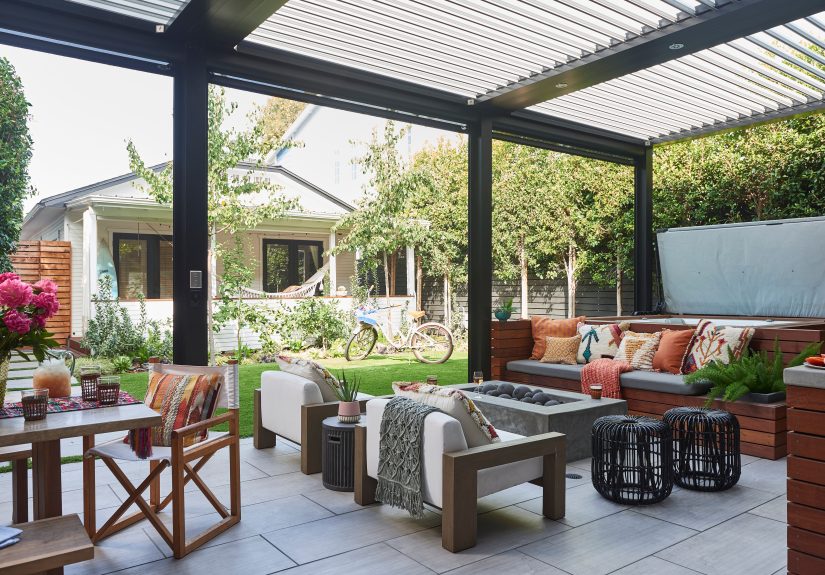
Step one in building an all-season outdoor space is to treat it like a real room, not the place where old plastic chairs go to retire. Designers often talk about “outdoor rooms” because the most successful patios and decks use the same design principles as indoor living areaszoning, layers, and a clear focal point.
Define zones with rugs and layout
Create a seating area with a weather-resistant outdoor rug, a sofa or sectional, and a couple of chairs arranged in a U or L shape around a coffee table. This layout encourages conversation and makes the space feel intentional, not like a random collection of furniture. Many pros recommend using different “zones” for lounging, dining, and cooking, even in a smaller yard, to make the space feel like an extension of your home.
Choose durable, weather-resistant materials
Look for outdoor furniture frames in powder-coated aluminum, teak, eucalyptus, or high-quality resin wicker, which hold up better to sun and moisture. When it comes to cushions and upholstery, solution-dyed acrylic and polyester fabrics are standouts: they’re designed to resist UV fading, mold, and mildew while still feeling comfortable enough to lounge on for hours.
For rugs, polypropylene is a superstarthis synthetic fiber dries quickly, resists stains, and can handle a surprise thunderstorm without falling apart.
Layer in “indoor” comforts
Once the basics are in place, soften the space with throw pillows, blankets treated with outdoor fabric protector, and side tables for drinks. Spraying textiles with a waterproofing product can help everyday pillows and throws survive life on the porch without turning into science experiments.
Bonus: if your space is right off your living room, echo your indoor color palette so it feels like one long, seamless lounge zone.
2. Add All-Weather Shade and Shelter
A truly year-round outdoor living space needs some kind of overhead protection. In summer, you want shade. In shoulder seasons and winter, you want coverage from rain or even light snow so you can still be outside without feeling like a soggy sandwich.
Pergolas, awnings, and covered porches
Experts often recommend pergolas, retractable awnings, or extended rooflines to tame harsh sun and light rain. A pergola with a polycarbonate or metal roof panel can turn a basic patio into a semi-enclosed outdoor room. Retractable awnings give you flexibilityshade when you need it, open sky when you don’t.
If you already have a covered porch, adding outdoor curtains, roll-down shades, or clear vinyl panels can help block wind and trap a bit of warmth, making the area cozier on cool days.
Wind and privacy screens
On exposed decks and balconies, privacy screens, slatted walls, and tall planters can double as windbreaks. Designers suggest combining decorative screens with climbing plants or shrubs to soften the look while boosting both privacy and comfort.
Think of it as giving your patio a hugless wind, more intimacy, and fewer awkward eye-contact moments with the neighbors.
3. Make Heating (and Cooling) Part of the Plan
If you want to enjoy your backyard in February as much as in July, temperature control is non-negotiable. Fortunately, there are lots of ways to keep an outdoor space warm enough for winter evenings and cool enough for mid-summer afternoons.
Cozy heating options for cool seasons
Fire pits, fireplaces, and patio heaters are among the most popular ways to extend outdoor time when the temperature dips. Design and outdoor-living pros highlight fire pits and outdoor fireplaces as central gathering points that add both warmth and ambiance.
- Wood-burning fire pits deliver serious campfire vibes and are great for larger yards.
- Gas fire tables are cleaner, quicker to start, and often allowed in areas where open wood fires aren’t.
- Freestanding or wall-mounted patio heaters provide targeted warmth on decks and covered patios, especially in small spaces.
For colder climates, consider adding outdoor-rated infrared heaters under a pergola or along a wallthese warm people and surfaces instead of just the air, which is helpful on breezy nights.
Summer comfort: shade and airflow
On hot days, shade plus airflow equals survival. Install ceiling fans in covered areas or add standing fans on porches to keep air moving. Shade sails, umbrellas, or retractable awnings can drop the perceived temperature dramatically while protecting your skin and your furniture from harsh UV rays.
Pro tip: choose fans and fixtures specifically rated for damp or wet locations if they’re exposed to the elements.
4. Create a Four-Season Outdoor Dining and Cooking Zone
Nothing says “we actually use our backyard” like a dining table that sees more than one family barbecue a year. To make eating outside a year-round habit, design your outdoor kitchen or dining nook with convenience and weather in mind.
Weather-smart outdoor kitchens
Modern outdoor living trends lean heavily toward built-in grills, prep counters, and sometimes even pizza ovens or full outdoor kitchens. If a full kitchen isn’t realistic, a quality grill, a prep cart, and a small bar area can still transform how often you cook outside.
Place the grill near the house to shorten trips back and forth, and consider adding a roof or pergola overhead so you can flip burgers even when it drizzles.
Comfortable, durable dining furniture
For all-weather dining furniture, look for tables with sturdy, weather-resistant materials (metal, teak, high-pressure laminate) and chairs with removable cushions that can be stored or covered in harsh weather. Top-performing outdoor fabricslike acrylic and high-quality polyesterstand up to UV rays and moisture, meaning fewer faded, crunchy cushions next spring.
Outdoor rugs beneath the table can instantly warm up the space and visually “anchor” the dining zone, just like indoors.
5. Use Smart Lighting to Enjoy the Evenings
Daytime patios are great, but the magic really happens after dark. The right outdoor lighting makes your space safer, cozier, and a lot more Instagrammable.
Layer your lighting
Landscape and outdoor designers recommend treating your outdoor lighting like indoor lighting: use layers.
- Ambient lighting: string lights, lanterns, wall sconces, and post lights create overall glow.
- Task lighting: brighter lights near grills, outdoor kitchens, and steps make cooking and moving around safer.
- Accent lighting: spotlights on trees, uplights on architectural features, and tiny lights along pathways add depth and drama.
Solar and low-voltage LED systems have made it easier and more energy-efficient to light your yard without a full rewiring job. Many homeowners now use smart plugs or Wi-Fi–enabled fixtures so they can control outdoor lighting from their phones or set everything on a schedule.
Make it cozy, not stadium-bright
Use warm white bulbs (around 2700–3000K) to create a welcoming glow. The goal is “twinkling wine-night patio,” not “interrogation room.” Place lights at different heightstabletop lanterns, wall fixtures, and ground-level path lightsto keep things visually interesting.
6. Plan for All-Weather Materials and Maintenance
Year-round outdoor living only works if your furniture and finishes can actually survive all four seasons. That means choosing the right materials and giving them basic care so they’ll still look good after a few winters.
Pick fabrics and finishes that can handle it
When experts talk about “outdoor-safe” textiles, they’re usually referring to solution-dyed acrylic and high-performance polyester fabrics. These materials are specifically engineered for outdoor use, resisting UV fading, mold, mildew, and water damage.
For rugs, cushions, and pillows, it’s also smart to check that they’re labeled as water-resistant or quick-drying. Polypropylene rugs, for example, are popular for their durability and ability to dry fast after rain.
Protect and store pieces during harsh weather
Even the toughest outdoor furniture appreciates a little TLC. Outdoor-living experts recommend:
- Using waterproof, UV-resistant covers that fit well and allow some airflow.
- Storing cushions, textiles, and delicate pieces (like wicker or clay pots) in a dry, ventilated spot during severe weather or deep winter.
- Applying weatherproof sealants to wood and rust-resistant coatings to metal frames.
- Bringing in items you should never leave out in winterlike cushions, outdoor rugs, hoses, and some metal or wicker furnitureto prevent damage.
Simple cleaning, occasional sealing, and proper storage can add years to the life of your outdoor investment and keep everything ready for use whenever the mood to sit outside strikes.
7. Design for Small Spaces and Everyday Life
You don’t need a sprawling yard to create an outdoor space you’ll use all year. In fact, small patios, balconies, and pocket backyards can be easier to turn into cozy, four-season retreats.
Think vertical, multifunctional, and flexible
Landscape pros suggest designing small spaces to serve multiple purposes: a seating area that doubles as dining space, storage benches that hide cushions and tools, and planters that act as room dividers.
- Vertical gardens on fences or walls free up floor space while adding texture and privacy.
- Foldable or stackable furniture makes it easy to reconfigure the layout for different activities.
- Built-in benches along edges create seating while keeping the center of the patio open.
For urban balconies and rooftops, privacy planting is your best friend. Strategically placed planters with tall grasses, shrubs, or small trees can transform exposed spaces into lush, secluded retreatsjust ask the designers behind celebrity-worthy terraces filled with layered greenery and classic lounge furniture.
Make it part of your daily routine
The ultimate test of a year-round outdoor living space isn’t how good it looks in photosit’s whether you actually use it. Add a small table for your morning coffee, a comfy chair you’ll want to read in, and plugs or charging options so you can work remotely outside when the weather cooperates.
Consider a small garden room, shed office, or covered nook that blends work and wellnessa space with strong indoor-outdoor connection that can be used as a home office, mini gym, or retreat throughout the year.
Bonus: Real-Life Tips for Enjoying Your Outdoor Space All Year Round
Design ideas are great, but how does year-round outdoor living actually feel in everyday life? Here are some experience-based insights and scenarios that show how these seven ideas play out over the course of a year.
Winter: Hot drinks, blankets, and strategic heating
Picture a chilly January evening. Instead of staying inside and doom-scrolling, you step out to your deck, flip on the overhead heater, and light the fire table. The wind is blocked by a row of tall planters and a privacy screen, so the space feels surprisingly calm. You grab a basket with fleece blankets and wool throws you’ve treated with fabric protector, wrap one around your shoulders, and sip a mug of hot chocolate while watching your breath swirl in the cool air.
Because you’ve invested in durable, all-weather materials, you’re not nervously checking the forecast every hour. Cushions are on the furniture only when you’re using them; the rest of the time, they’re safely tucked in a deck box. Anything that would crack, rust, or mold in hard freezes is stored indoors, so there’s no guilt about unexpected snow. The result: winter evenings that feel special and intentional, not like a survival challenge.
Spring: First warm-day brunch on the patio
When the first mild weekend hits, your outdoor space doesn’t need a dramatic rescue mission. The furniture is already in good shape thanks to covers and basic maintenance. You roll up the side panels on the pergola, swap out the heavier winter throws for lighter cotton blankets, and freshen up the outdoor rug with a quick hose-off.
Brunch outside suddenly feels easy. The grill is close to the kitchen, the dining set is ready, and the string lights left up all winter still work because you bought outdoor-rated ones. The small touchesherbs in planters, a lantern on the table, cushions that match your indoor color schememake the patio feel like a natural extension of your home rather than an afterthought.
Summer: Turning shade and airflow into your superpowers
In July, your outdoor living area shifts roles. The heaters sit idle while shade and airflow do the heavy lifting. The pergola and retractable awning keep harsh midday sun off the seating area, while a ceiling fan under the covered section moves just enough air to keep everyone comfortable.
Because your fabrics and finishes were chosen for UV resistance, you’re not watching them fade in real time. The rug doesn’t get crunchy after a rainstorm, the cushions dry quickly, and the furniture frames aren’t scorching-hot to the touch. You host a movie night outside with a portable projector, string lights dimmed low, and everyone sprawled out on water-resistant cushions and poufs. The space adjusts effortlessly from weekday reading nook to weekend party zone.
Fall: Fire pit nights and easy transitions
As the air cools and the leaves start to fall, your outdoor space shifts again. You swap in deeper, warmer-toned pillows, bring out thicker throws, and move the seating slightly closer to the fire feature. Overnight lows might start to dip, but with a heater, blankets, and a bit of overhead shelter, you can still sit outside comfortably with friends, talk for hours, and roast marshmallows without feeling like you’re camping in the Arctic.
Instead of packing everything away after Labor Day, you simply adjust. Plants in containers move to more sheltered spots, delicate décor goes inside, and the rest of the space keeps workingwhether it’s a quiet solo spot to decompress after work or the go-to place for fall gatherings.
Why these small choices matter
The biggest lesson from real-world year-round outdoor living is that it’s less about one dramatic renovation and more about a bunch of smart, practical decisions that work together:
- Choosing materials that don’t demand constant babysitting.
- Designing zones that match how you actually livework, relax, cook, entertain.
- Planning for heat, shade, and wind from the beginning, not as an afterthought.
- Making storage and protection part of the design, not a nuisance.
When your outdoor space is easy to maintain and comfortable in more than one season, you naturally start using it more. Morning coffee on the balcony, afternoon reading on the porch, a quick stretch break in the garden between work callsit all adds up to more fresh air, more sunlight, and more moments that feel like a mini vacation right at home.
Final Thoughts: Build a Backyard You’ll Actually Use
Creating a year-round outdoor living space isn’t about perfectionit’s about practicality, comfort, and joy. Start with one or two upgrades that will make the biggest difference for you, whether that’s better lighting, a heater, or a more comfortable seating setup. Then layer in shade, fabrics, and storage solutions that keep everything looking good and working hard through all four seasons.
With the right mix of structure, style, and weather-smart choices, your patio, deck, or balcony can evolve into a true outdoor living room you’ll use in January, July, and every month in between.