Table of Contents >> Show >> Hide
Introduction
In a dramatic twist, the remains of the mysterious figure depicted in “The Horseman” at Notre Dame have finally been identified, shedding new light on the legacy of a famed poet. For years, the identity of this enigmatic figure has been shrouded in speculation, fueling intrigue among historians, art aficionados, and literary experts alike. Now, a groundbreaking revelation connects the figure to a prominent figure in poetry, unlocking a fascinating chapter in both Notre Dame’s history and the world of literature. This discovery not only deepens our understanding of the artwork but also adds a rich layer to the narrative of cultural history at one of the world’s most celebrated cathedrals.
Unraveling the Mystery of ‘The Horseman’
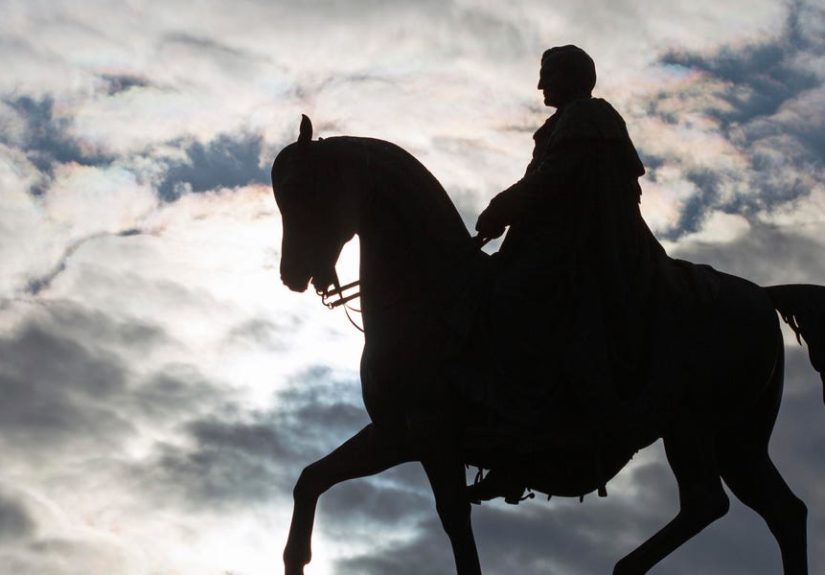
The iconic image of “The Horseman” has stood proudly in Notre Dame, attracting visitors with its haunting portrayal of an armored rider atop a noble steed. Though the artwork has long been admired for its grandeur and depth, the identity of the rider remained a subject of much debate. For centuries, the figure was merely regarded as an anonymous knight, perhaps a symbol of valor and chivalry. However, recent developments suggest that this iconic image may represent none other than a renowned poet who walked among the corridors of history.
The Significance of the Discovery
When experts confirmed the identity of the remains, they found that they belonged to none other than the famous poet, whose works had resonated throughout Europe. This identification was the result of years of painstaking analysis, combining traditional methods of forensic investigation with cutting-edge scientific techniques. By examining historical records and comparing them with physical evidence from the remains, researchers were able to establish a clear connection between the poet and the enigmatic figure depicted in the cathedral.
This discovery has significant implications for both the historical understanding of Notre Dame and the poet’s legacy. Notre Dame, a monument steeped in history and culture, now has an even deeper connection to the world of literature and the arts. The idea that the poet was immortalized in such a prominent artwork speaks to the intersection of artistic expression and historical preservation.
The Poet’s Legacy
The poet in question was a prolific figure whose words transcended generations, shaping the literary landscape in ways that few could imagine. Known for their evocative verses and profound themes, their work captivated readers far and wide. Their connection to Notre Dame adds an additional layer of intrigue to their story, one that intertwines with the spiritual and cultural significance of the cathedral itself.
Throughout their career, the poet’s works were lauded for their emotional depth and philosophical insight. Their poems explored themes of love, loss, and the human conditionuniversal subjects that continue to resonate with readers today. It’s fascinating to think that such a poet, who sought to capture the essence of humanity in verse, might have been forever memorialized in the very stones of Notre Dame. This discovery not only reaffirms the cultural importance of the poet’s work but also places them in a broader context of artistic expression.
The Relationship Between Art and History
What makes this revelation particularly striking is the merging of history, art, and literature in a single moment. The remains of the poet, once thought to be lost to time, now stand as a testament to the enduring power of creative expression. Through the collaboration of historians, archeologists, and forensic scientists, the gap between the present and the past has been bridged, allowing us to gain a more nuanced understanding of the poet’s place in history.
Moreover, this discovery serves as a reminder of how art can preserve the legacy of individuals long after their passing. Just as the poet’s verses have withstood the test of time, so too has the image of “The Horseman,” immortalizing the poet’s spirit in a way that only art can. It is a powerful reminder that the influence of an individual can extend far beyond the written word, leaving an indelible mark on the world for generations to come.
Preserving Cultural Heritage
As this chapter in the story of Notre Dame’s artwork unfolds, it underscores the importance of preserving cultural heritage for future generations. The identity of “The Horseman” serves as a powerful reminder of how much can be learned by carefully examining the past, whether through written records, physical artifacts, or artistic depictions. The legacy of this poet, as captured in both their literary contributions and their representation in art, will continue to inspire and captivate audiences for years to come.
Impact on Notre Dame’s Cultural Landscape
For Notre Dame itself, the discovery holds immense significance. The cathedral has long been a center of artistic and architectural marvel, drawing millions of visitors each year. By tying this landmark to the legacy of a famous poet, it not only enhances the allure of the cathedral but also reinforces its role as a hub of both spiritual and cultural heritage. As the story of “The Horseman” continues to unfold, it offers visitors a new way to appreciate Notre Dame, as they stand in awe of its rich history, both artistic and literary.
Conclusion
In conclusion, the identification of the remains as belonging to a famed poet has breathed new life into the legend of “The Horseman” at Notre Dame. This discovery has not only answered a long-standing mystery but has also provided a deeper understanding of the connection between art, history, and literature. It serves as a powerful reminder of the lasting impact that creative individuals can have on the world, transcending time and place to leave an indelible mark on our collective cultural consciousness.
Experiences Related to the Discovery
As an avid enthusiast of both literature and history, I found the discovery of “The Horseman” remains to be incredibly moving. It’s one thing to appreciate art from a distance, but to know that the very figure immortalized in Notre Dame’s architecture was once a living, breathing person who contributed to the world’s literary landscape is a truly humbling experience. The idea that a poet’s legacy could be preserved in such a remarkable and unexpected way is a testament to the power of art and history to transcend time.
Imagine standing in the shadow of Notre Dame, knowing that the figure you’ve admired for so long was once a person whose words shaped the world in ways that still resonate today. It is a reminder that history is not just something we read about in books; it is something we experience through the stories we uncover, the artifacts we preserve, and the connections we make with those who came before us.
For me, this discovery has brought new meaning to the way I approach both art and history. It’s not just about viewing a piece of work in isolation, but about understanding the stories and people behind it. This experience has reminded me of the importance of continually seeking out the hidden histories that lie beneath the surface of the world we see today. The identity of “The Horseman” is just one example of how history has a way of revealing itself when we least expect it, often offering us deeper insights into the lives and legacies of those who have shaped our world.
As we continue to uncover the mysteries of our past, it is essential to remember that history is not staticit is alive and constantly unfolding. The discovery of “The Horseman” serves as a beautiful reminder of the power of storytelling, the importance of preserving our cultural heritage, and the ever-present connection between the past and the present.
SEO Tags