Table of Contents >> Show >> Hide
- What Are Blown Glass Nesting Bowls, Exactly?
- How Blown Glass Bowls Are Made (And Why They Don’t Come Out Like Triplets)
- Buying a Nesting Set: A Checklist That Saves You From Regret
- Care and Cleaning: How to Keep Them Sparkly (and Unshattered)
- How to Use and Style Blown Glass Nesting Bowls
- Price and Value: Why These Bowls Cost What They Cost
- Collector Energy: A Little American Glass History in Your Cabinet
- Conclusion: The Best Bowl Set Is the One You’ll Actually Use
- Real-World Experiences With Blown Glass Nesting Bowls
- SEO Tags
There are two kinds of kitchen bowls: the ones that live in your cabinet, and the ones that somehow end up with
their own personality. Blown glass nesting bowls belong firmly in Category Two. They’re practical (stackable,
space-saving, endlessly useful) but also a tiny flexlike saying, “Yes, I do own bowls that look like they were
invented by sunlight.”
This guide breaks down what blown glass nesting bowls are, how they’re made, what makes a set worth buying, and
how to use them without that tragic “crack heard ’round the kitchen” moment. We’ll also get into styling,
entertaining, and why handmade glass can vary in size even when it’s technically the same bowl. (Handmade means
“made by humans,” not “made by photocopier.”)
What Are Blown Glass Nesting Bowls, Exactly?
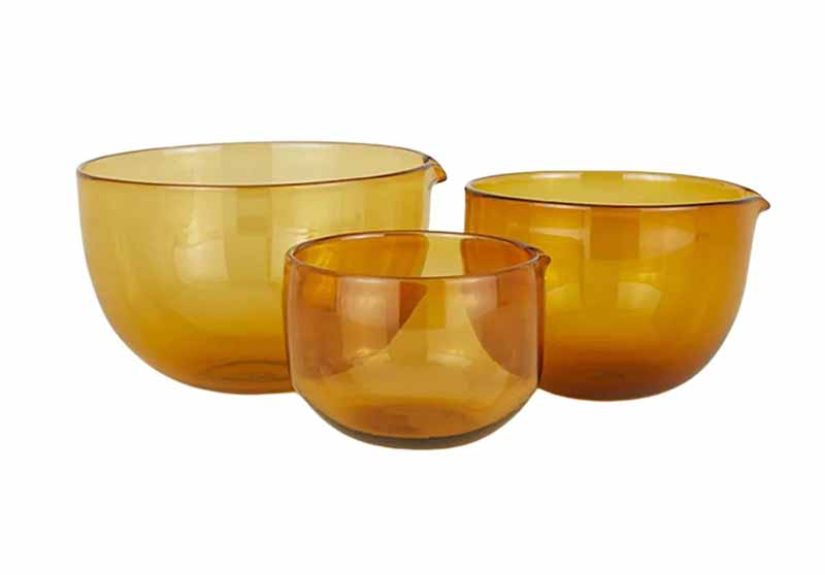
“Nesting bowls” simply means the bowls are designed to stack inside each other in graduated sizes. In the
everyday world, nesting bowls are a storage win: less cabinet chaos, less digging, more room for the snack you
swear you’re saving for later.
“Blown glass” means the bowls are shaped from molten glass using air (blown through a pipe) plus tools, skill,
and a level of calm that most of us reserve for waiting on hold with customer service. The result is a bowl that
can be functional serveware, decorative centerpiece, or bothdepending on whether it’s filled with salad or
surrounded by guests saying, “Wait… is this glass?”
Blown vs. Pressed vs. Molded: The Fast Reality Check
Machine-made or pressed glass tends to look more uniform: identical thickness, consistent rim, predictable
weight. Hand-blown glass often has gentle variationssubtle differences in height, diameter, curve, or the way
the color “moves” through the piece. Those small quirks are usually a feature, not a flaw.
That said, “hand-blown” doesn’t automatically mean “delicate.” A well-made blown glass bowl can be sturdy,
comfortable to handle, and built for real lifejust not for aggressive temperature surprises (more on that soon).
How Blown Glass Bowls Are Made (And Why They Don’t Come Out Like Triplets)
If you’ve ever wondered why a nesting set can be “the same design” but not perfectly identical, the answer is
simple: glass is dramatic. It moves, it slumps, it stretches, it cools, it remembers stressand it punishes
rushing. The craft is part physics, part choreography, and part “don’t blink.”
The Basic Steps: Gather, Blow, Shape, Cool (Slowly)
In studio glassmaking, a glassblower gathers molten glass on a blowpipe, introduces air to form a bubble, and
shapes it using tools, gravity, rotation, and sometimes molds that create ribbing or texture. The rim may be
flared, the body widened, and the base finished so the bowl sits stable on a table.
Then comes the non-negotiable part: controlled cooling. Proper annealing (slow cooling in a kiln or controlled
environment) relieves internal stresses so the finished bowl is less likely to crack later from normal handling
or mild temperature changes. “Less likely” isn’t a promise of immortalityglass is still glassbut it’s the
difference between “heirloom” and “heartbreak.”
Color, Pattern, and Why Some Bowls Look Like They’re Swirling
Blown glass nesting bowls can be clear and minimalist, or they can look like the ocean got bored and decided to
redecorate. Color can be added in the melt, layered over clear glass, or introduced through techniques like
striping, marbling, or patterning with textured molds. The “movement” you seeswirls, ribbons, fadesoften comes
from how the hot glass is turned, stretched, and shaped.
The more complex the design (multiple colors, intricate patterns, thick overlays, sculpted rims), the more time
and skill it generally takes. That complexity shows up in price, which is basically glass’s way of saying,
“You’re not buying a bowl; you’re buying a controlled miracle.”
Buying a Nesting Set: A Checklist That Saves You From Regret
A blown glass nesting bowl set can be a practical daily-use purchase, a special-occasion showpiece, or a “both
and” situationif you choose thoughtfully. Here’s how to shop like someone who doesn’t enjoy returning fragile
objects.
1) Size Progression That Makes Sense
The best nesting sets feel like a team. Each size should have a clear job:
- Small (4–6 inches): sauces, dips, olives, nuts, lemon wedges, prep bowls for chopped herbs
- Medium (7–9 inches): side salads, fruit, snacks, candy, “just a little popcorn” (famous last words)
- Large (10–13+ inches): family-style salads, serving pasta, big party snacks, centerpiece duty
A common “sweet spot” is a 3-bowl set for serving and styling, or a 4–5 bowl set if you want more prep and
hosting flexibility. If the jump between sizes feels awkward (like tiny-tiny-GIGANTIC), it’s less useful.
2) Rim, Foot, and Feel-in-the-Hands
The rim matters more than people think. A comfortably rounded rim feels better while serving and is less prone
to chipping than a razor-thin edge. A stable base (sometimes a subtle “foot”) helps prevent wobblingespecially
if you’re putting the bowl on a busy table where elbows have opinions.
Pick up the bowl (if you can). It should feel balanced, not top-heavy. If it’s meant for food, you want a shape
that’s easy to toss a salad in or scoop from without awkward angles.
3) Ask the Food-Safety Questions (Without Feeling Weird About It)
Plain glass is generally inert, but decorations and coatings can complicate things. If a bowl has metallic
accents, painted details, decals, or iridescent finishesespecially near areas that touch foodask whether it’s
considered food-safe and whether any surface decoration is sealed and non-leaching.
Also: know the difference between regular glass and lead crystal. Lead crystal can leach lead, especially with
prolonged contact, and many sources recommend limiting use and avoiding storage of food or beverages in leaded
pieces. If a seller says “crystal,” clarify what kind.
4) Handmade Variation: Normal, But It Should Still Nest Nicely
Handmade blown glass naturally varies. Minor differences are expectedand honestly, charming. But a nesting set
still has to nest. The bowls should stack without grinding, rocking, or needing a yoga pose to fit. Good makers
plan for nesting by controlling diameter and curve, even if each bowl has its own subtle fingerprint.
Care and Cleaning: How to Keep Them Sparkly (and Unshattered)
Blown glass is durable in daily life when you treat it like glass and not like a cast-iron skillet you can toss
into the fires of Mount Doom. The biggest enemy is rapid temperature changealso known as “thermal shock,” also
known as “why did I do that.”
Thermal Shock 101: The One Rule to Remember
Avoid sudden shifts from hot to cold or cold to hot. That means:
- Don’t pour hot liquids into a bowl that’s cold from the fridge.
- Don’t rinse a hot bowl with cold water immediately after serving.
- Don’t set a warm bowl on a cold stone countertop without a trivet or towel.
Let the bowl come closer to room temperature before big changes. This is not your bowl being high-maintenance.
This is physics being physics.
Hand-Washing: The Safe Default
Most hand-blown glass bowls do best with warm water, mild dish soap, and a soft sponge or cloth. Avoid abrasive
scrubbers that can scratch, especially on glossy or coated finishes. Dry with a lint-free towel to prevent water
spots if you live somewhere that turns minerals into modern art.
Dishwasher: “Can” vs. “Should”
Some makers say certain hand-blown pieces are dishwasher safe, but still recommend hand-washing to preserve
clarity and protect delicate edges. If you do use a dishwasher:
- Use the top rack when possible.
- Keep bowls from touching other items (glass-on-glass contact is a scratch party).
- Avoid harsh detergents and high-heat drying cycles if the maker recommends gentler settings.
- Open the dishwasher after the cycle to release steam and reduce cloudiness.
If your bowls have painted, coated, or metallic finishes, hand-wash. Dishwashers can be brutal on surface
treatments, even when the glass itself can handle the ride.
Nesting Without Scratching: A Simple Hack
If you nest glass directly on glass, micro-scratches can happen over time. For daily storage, add a soft barrier
between bowls:
- Felt or microfiber circles (cut to size)
- Thin silicone pads or non-slip liners
- Paper towel “in a pinch” (not glamorous, but functional)
If the bowls are more decorative than daily-use, store them with extra space or wrap them lightly. Your future
self will thank you.
How to Use and Style Blown Glass Nesting Bowls
These bowls are overachievers: they can host snacks, organize ingredients, and make your table look like you
planned it on purpose. Nesting sets shine because you can scale up or down based on the moment.
Entertaining: The “Snack Flight” Strategy
A nesting set lets you build a cohesive spread without needing a dozen mismatched dishes. Example:
- Large bowl: popcorn, chips, or a big salad
- Medium bowl: fruit, crackers, or a pasta salad
- Small bowl: nuts, candy, olives, or dip
Because the bowls coordinate, the table looks intentionaleven if you assembled it while whispering, “Please
arrive five minutes late.”
Centerpieces That Don’t Block Conversation
A decorative bowl centerpiece is classic for a reason. Keep it low enough that people can see each other. Ideas:
- Seasonal fruit (citrus in winter, peaches in summer, apples in fall)
- Floating tea lights in water (if the bowl is meant for that use and you’re mindful of heat)
- Natural elements like pinecones, smooth stones, or dried botanicals
Pro tip: if the bowl is a showstopper color, keep the filler simple. Let the glass do the talking.
Everyday Beauty: “Countertop Bowl” Without Clutter
A medium blown glass bowl can live on a kitchen island as a catchall for fruit, wrapped treats, or the garlic and
onions you swear you’ll use this week. Just don’t overload it with random objects and call it decor. (That’s
not styling; that’s a cry for help.)
Price and Value: Why These Bowls Cost What They Cost
If you’ve ever seen a blown glass bowl set and thought, “That’s gorgeous… and also why does it cost like a fancy
dinner?” you’re not alone. Price usually reflects a mix of labor, materials, studio overhead, and design
complexity.
What Drives Cost Up
- Size and thickness: more glass, more heat control, more risk while forming
- Color and pattern: multi-color work takes extra steps and precision
- Finishing: clean rims, stable bases, and consistent nesting require time
- Annealing and quality control: proper cooling and inspection aren’t optional in good work
- Limited production: small studios don’t have “economy of scale,” they have “economy of skill”
How to Spot Quality (Without a Lab Coat)
Look for smooth rims (no sharp edges), stable sitting (no wobble), and a finish that matches the intended use.
If it’s for food, the interior should be easy to clean. If it’s decorative, the surface should be consistent and
thoughtfully finished. With nesting sets, the bowls should stack cleanly without grinding or getting stuck.
Collector Energy: A Little American Glass History in Your Cabinet
Blown glass in the U.S. has a rich studio traditionartists and makers who pushed glass beyond factory
production into personal, expressive craft. That legacy shows up today in the way many American studios approach
bowls: functional forms treated like artwork.
Some historic and still-celebrated American makers emphasize handmade production, limited runs, and distinct
design languagesoften releasing seasonal colors or catalogs that collectors track with the enthusiasm of sports
fans (but with fewer nachos and more bubble wrap).
If you’re buying a set you love, keep any maker info, tags, or documentation. Even if you never “collect” on
purpose, you may end up with a favorite studio or signature style. It happens quietlylike how one day you
realize you have opinions about glass color names.
Conclusion: The Best Bowl Set Is the One You’ll Actually Use
Blown glass nesting bowls can be practical workhorses, party-ready serveware, or eye-candy centerpieces that
happen to hold snacks. The key is matching the set to your life: choose sizes that make sense, prioritize stable
shapes and comfortable rims, and respect the basic rules of glass (especially temperature changes).
Treat them well and they’ll reward you with that rare combination of everyday function and “wow.” And if anyone
asks why your bowls look like art? Just smile and say, “Because my popcorn deserves a beautiful home.”
Real-World Experiences With Blown Glass Nesting Bowls
People often describe the first “real” experience of owning blown glass nesting bowls as surprisingly emotional,
in the least dramatic way possiblelike switching from hotel towels to the nice towels at home. The bowls don’t
just hold food; they change how a table feels. A basic weeknight snack becomes a tiny event when it’s served in a
bowl that catches light and throws it back in soft color. Even clear glass can feel alive when the thickness
shifts subtly from rim to base, creating a gentle lens effect that makes sliced fruit look just a little more
jewel-like.
One common discovery: nesting sets make hosting calmer. Instead of scrambling for containers that “kind of work,”
you can assign roles quickly. The big bowl becomes a salad mountain. The medium bowl handles chips or roasted
vegetables. The smallest bowl becomes the dip hero. Guests tend to notice the cohesionwithout anyone having to
announce, “Welcome to my thoughtfully curated bowl ecosystem.” And because the bowls nest, cleanup and storage
feel less like playing cabinet Tetris.
Another real-life moment people mention is learning thermal shock the hard wayusually once, memorably, and then
never again. It might be rinsing a warm bowl with cold water, or placing a chilled bowl near heat. The lesson
becomes part of the ritual: let the glass warm up a bit, wash gently, avoid sudden extremes. Over time, that
care doesn’t feel fussy; it feels like respect for something handmade. The bowls subtly teach patience, which is
not a skill most kitchens are known for.
Owners also talk about the “display vs. use” dilemmaand how the best answer is often both. Some keep the set
nested on an open shelf or in a glass-front cabinet where the colors can be seen. Others rotate the bowls into
everyday use, then bring the largest one out as a centerpiece on weekends. The fun part is how the same set can
look formal or casual depending on what’s inside: polished citrus on a dining table, popcorn during movie night,
or glossy ornaments during the holidays.
Gift experiences are another theme. Blown glass nesting bowls are a “big feelings” gift because they combine
function with permanence. People remember who gave them the set, where it came from, and what the first meal was
that landed in it. For weddings, housewarmings, or milestone birthdays, a nesting set is practical enough to
earn daily gratitude, but special enough to feel like a keepsake. And if you ever need proof that adults do get
excited about bowls, watch someone unwrap hand-blown glass and try to pretend they’re being “normal” about it.
Finally, many owners say the bowls become a small anchor of style. Kitchens and dining rooms changepaint colors,
chairs, trendsbut glass holds its own. A well-chosen set works with modern minimalism, cozy farmhouse, and
eclectic “I found this at a market and it followed me home” décor. In other words: blown glass nesting bowls
aren’t just containers. They’re a practical way to keep beauty within reachright next to the chips.