Table of Contents >> Show >> Hide
- What makes a protein shake good for muscle gain?
- 5 Best Protein Shakes 2022
- 1) fairlife Core Power Elite (42g) Best high-protein recovery shake
- 2) Premier Protein Classic Shakes (30g) Best grab-and-go staple
- 3) Muscle Milk Pro Advanced Nutrition (32–40g) Best for higher protein targets
- 4) OWYN Plant-Based Protein Shake (20g) Best dairy-free option
- 5) Orgain Clean Protein Shake (20g) Best everyday “steady progress” pick
- How to choose the right shake for your goal
- When should you drink protein shakes for muscle gain?
- Common mistakes that make protein shakes disappointing
- Make any store-bought shake more muscle-gain friendly
- Conclusion
- Real-world experiences: what using protein shakes is actually like (extra 500+ words)
- Convenience feels like a superpower… until it becomes a trap
- Your stomach will votesometimes loudly
- Taste fatigue is realrotate like a sane person
- The biggest “aha”: shakes don’t build muscleyour training does
- Budget reality: the “best” shake is the one you’ll keep buying
- Social reality: protein shakes can help you stick to the plan
Protein shakes are the adult version of a life hack: not glamorous, not magical, but wildly helpful when your calendar is louder than your appetite. If you’re training for muscle gain, consistency beats perfection. The “best” shake is the one that fits your body, your budget, and your daily routineso you actually drink it again tomorrow.
This 2022-focused guide highlights five protein shake brands that were widely available in the U.S. around that time and earned a reputation for a mix of protein content, taste, and convenience. You’ll also get a simple framework for choosing the right shake (without accidentally buying dessert in a bottle).
What makes a protein shake good for muscle gain?
Muscle gain comes down to three repeatable inputs: progressive training, enough total calories, and enough protein. Protein matters because amino acids support muscle repair and growth after hard training. Many lifters do well around 1.6–2.2 grams of protein per kilogram of body weight per day, spread across several meals and snacks. That “spread” part is key: you’ll usually get better results (and an easier stomach) by distributing protein across the day instead of trying to cram your entire day’s protein into one heroic chug at 10 p.m.
Also worth knowing: the baseline protein recommendation for sedentary adults is much lower (often cited around 0.8 g/kg/day). If you’re actively training and trying to add muscle, your target will typically be higher than the minimumand a shake can be a convenient way to close the gap.
Label-reading checklist (the fast version)
- Protein per serving: 20g is a solid baseline; 30–42g can be handy if your daily target is high.
- Calories: A “lean” shake is often ~130–230 calories. If it’s much higher, treat it like a meal replacement or a deliberate bulking tool.
- Added sugar: Lower is usually easier to fit into a day of real food. (Sweet is fine; “candy in a bottle” is less fine.)
- Digestibility: Lactose-free dairy or plant-based blends can reduce GI drama for many people.
- Quality signals (especially for powders): If you compete in tested sports, consider third-party tested options for extra reassurance.
5 Best Protein Shakes 2022
These picks balance muscle-building practicality (protein + calories + ingredient profile) with real-world usability (taste, availability, and “will I actually drink this on a busy day?”). They’re listed in no particular order, because your taste buds are the real decision-maker here.
1) fairlife Core Power Elite (42g) Best high-protein recovery shake
Why it works: Core Power Elite delivers a huge protein hit while keeping calories reasonable. It’s made with ultra-filtered milk and is commonly labeled lactose-free, which can be a game-changer for people who like dairy but not dairy’s side effects.
- Protein: 42g per bottle
- Calories: about 230
- Added sugar: listed as 0g added sugar
Muscle-gain play: Use it post-workout when you want protein fast and don’t feel like cooking. Pair it with a simple carb (fruit, pretzels, a bagel) to make recovery feel effortless.
Real talk: This is the “I forgot to eat for six hours” rescue drink. Keep one in your fridge for future-you.
2) Premier Protein Classic Shakes (30g) Best grab-and-go staple
Why it works: Premier Protein became a household name because it’s consistent, shelf-stable, and easy to find. If your goal is “hit my protein number with minimal life disruption,” this one is hard to beat.
- Protein: 30g per bottle
- Calories: about 160 (varies by flavor)
- Brand claims: no added sugar; 24 vitamins & minerals
Muscle-gain play: Use it as protein insurance when your meals are unpredictablemid-morning, mid-afternoon, or after training if you don’t want a heavy meal. Bulking? Add calories on purpose by pairing it with nuts, oatmeal, or a sandwich.
Bonus use: Pour it over ice and add espresso for a protein latte that feels suspiciously fancy for something you made in 11 seconds.
3) Muscle Milk Pro Advanced Nutrition (32–40g) Best for higher protein targets
Why it works: Muscle Milk Pro is designed for lifters who want a higher-protein shake that still tastes like something meant for humans. It’s often marketed as very low in sugar and includes added vitamins and minerals.
- Protein: 32–40g depending on product
- Sugar: commonly advertised as very low (often around 1g on certain Pro versions)
- Extras: vitamins & minerals (product line dependent)
Muscle-gain play: This works well between meals when you’re chasing a high daily protein total. If you’re a hard gainer, the simplest strategy is consistency: add one shake daily for two weeks, monitor body weight, then adjust calories if the scale isn’t moving.
Texture note: Some flavors lean thick and rich. Try it ice-cold first before you judge it at room temp.
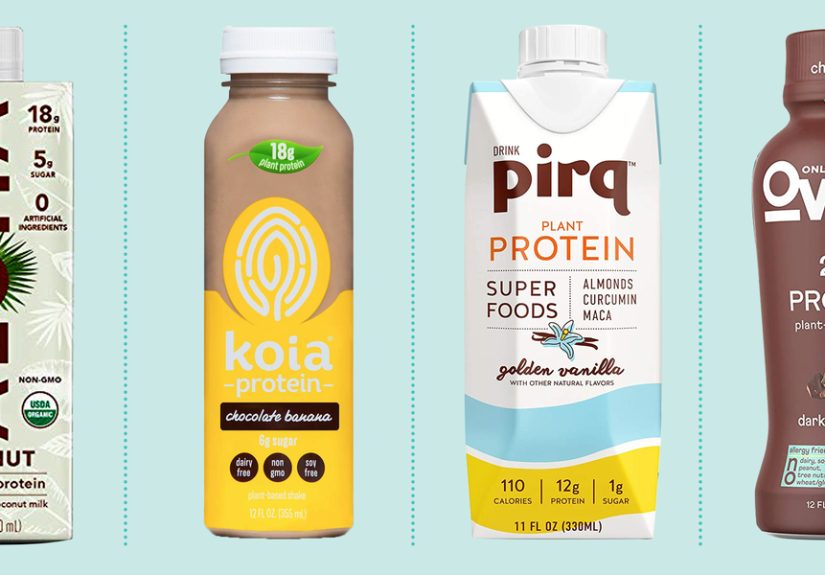
4) OWYN Plant-Based Protein Shake (20g) Best dairy-free option
Why it works: In 2022, plant-based shakes were often either delicious or drinkable. OWYN managed to be both more often than not, using a plant protein blend commonly built around pea and pumpkin seed protein. If dairy doesn’t love you back, this is a strong everyday pick.
- Protein: commonly 20g per bottle (varies by product line)
- Protein sources: plant blend (often pea + pumpkin seed)
Muscle-gain play: Plant-based shakes can absolutely support muscle building. The main rule is simple: hit your total daily protein. If your target is higher, treat this as one piece of the puzzle and make sure meals carry the rest.
Flavor tip: Chocolate is usually the safest bet when you’re trying a plant-based shake for the first time.
5) Orgain Clean Protein Shake (20g) Best everyday “steady progress” pick
Why it works: Orgain’s ready-to-drink shakes are built to be easy to sip even when you’re not hungry. The Clean Protein Shake (dairy-based) is a straightforward 20g option with modest calories, which makes it an easy daily habit.
- Protein: 20g per serving
- Calories: about 130
- Sugar: about 3g per serving (varies by flavor)
Muscle-gain play: This is ideal when your meals are already solid and you just need a consistent bump in daily protein. If you’re trying to gain weight and you’re not trending upward over a few weeks, add calories intentionally by pairing it with fruit, granola, or nut butter.
How to choose the right shake for your goal
If you want lean muscle gain
Pick a shake with a strong protein-to-calorie ratiousually 20–42g protein with ~130–230 calories. Use it to hit protein consistently, while most of your calories still come from meals you can control.
If you’re bulking or you miss meals
Either choose a more filling shake or “stack” a lean shake with a snack. You don’t always need a dedicated mass gaineradding 300–500 calories/day consistently often does the job.
If you have a sensitive stomach
Start with lactose-free dairy or plant-based options and test them on a normal day (not right before leg day). Comfort matters because the best nutrition plan is the one you can repeat.
When should you drink protein shakes for muscle gain?
The “anabolic window” isn’t a magical 12-minute portal that slams shut the moment you leave the gym. Total daily protein and consistency matter most. Still, these timing slots tend to work well:
- After training: Convenient when you want protein but aren’t ready for a full meal.
- Between meals: Helps you reach a higher daily total without forcing giant meals.
- Breakfast backup: A shake can prevent the “coffee and vibes” breakfast habit from stealing your protein budget.
Common mistakes that make protein shakes disappointing
1) Replacing meals you actually need
Shakes are meant to supplement your diet, not replace it completely. Whole foods bring fiber, micronutrients, and real-meal satisfaction that helps you stick to your plan. If you notice your energy, digestion, or training quality dropping, it’s often because the rest of your diet got pushed aside.
2) “Protein dessert” creep
Some bottles look like protein shakes but behave like candy. If you’re drinking them daily, added sugars can quietly pile up. A simple rule: prioritize high protein with low added sugar when possible, especially if shakes are a frequent habit.
3) Ignoring quality assurance when it matters
If you compete in drug-tested sports, third-party tested products can reduce risk. And even if you don’t compete, testing and transparent labels can be a helpful tiebreaker when two options look similar.
Make any store-bought shake more muscle-gain friendly
Keep upgrades simple so you don’t turn a convenient shake into a blender project with an emotional support cutting board:
- Add carbs (performance + recovery): banana, oats, cereal, toast, or pretzels.
- Add fats (easy calories for bulking): peanut butter, almonds, chia, or flax.
- Add micronutrients: berries or a handful of spinach (just don’t punish yourself with a whole salad in liquid form).
Conclusion
The best protein shakes of 2022 weren’t “magic.” They were repeatable. Choose one that fits your digestion and your schedule, use it to close protein gaps, and keep the spotlight on training, recovery, and overall diet quality. One reliable shake a day can be the difference between “I’m trying” and “I’m consistently hitting the basics.”
Real-world experiences: what using protein shakes is actually like (extra 500+ words)
Here’s what people commonly experience when they start using protein shakes as part of a muscle-gain planespecially if they’re coming from a “I’ll just wing it” approach.
Convenience feels like a superpower… until it becomes a trap
Week one is usually awesome. You add one ready-to-drink shake and suddenly you’re hitting your protein goal with less effort. Workouts feel better, hunger feels steadier, and you get that quiet satisfaction of doing something “serious.” Then week two arrives and convenience starts negotiating. The shake becomes breakfast. Then it replaces lunch. Now you’re “getting protein,” but you’re also missing the fiber, micronutrients, and whole-food calories that help you train hard and recover well.
The fix is to give your shake a job description. Examples: “post-workout only,” “afternoon snack only,” or “emergency protein when my schedule explodes.” When the shake has a role, it supports your plan instead of quietly replacing the parts that matter most.
Your stomach will votesometimes loudly
This is the unsexy truth: protein shakes can be fantastic, but they’re not one-size-fits-all. Some people feel perfectly fine with dairy-based shakes. Others get bloating or gas that makes them regret every decision they’ve made since middle school. Lactose-free dairy options can help, and plant-based shakes can feel lighterbut plant proteins can have their own quirks, like a thicker texture or a mild aftertaste.
The smartest approach is boring but effective: try one bottle (or the smallest multipack) and test it on a normal day. Don’t make your first trial “right before a long drive” or “right after a brutal leg workout.” If a shake consistently upsets your stomach, switch typesbecause the best formula is the one you can actually tolerate long-term.
Taste fatigue is realrotate like a sane person
Even a great shake can become miserable if it’s the only flavor in your life for months. Most people do better rotating two flavors (for example, chocolate and vanilla) or two brands with different textures. Temperature matters, too. Many shakes taste dramatically better ice-cold, and pouring over ice can soften sweetness.
If you’re feeling fancy, blending a shake with ice turns it into something that feels like a treat without changing the nutrition much. It sounds trivial, but small “enjoyment hacks” are often the difference between a two-week phase and a six-month habit.
The biggest “aha”: shakes don’t build muscleyour training does
A common early mistake is treating the shake like the main character. A protein shake without consistent training is just a beverage with ambition. The people who make steady progress usually do the boring stuff: they lift regularly, add a little weight or a few reps over time, sleep enough, and eat enough total food to recover.
Shakes help because they remove friction. They make it easier to hit protein targets on busy days, and they’re especially useful when you don’t feel like chewing more food. But the shake is the support character. Your training plan is the plot.
Budget reality: the “best” shake is the one you’ll keep buying
In real life, muscle gain is a subscription: you pay in effort, time, and groceries every week. If a premium shake tastes amazing but makes you wince at checkout, you may not stick with it. A cheaper shake that’s “pretty good” often beats a pricey option you abandon after two weeks.
Many people land on a simple system: keep an affordable everyday shake for consistency, and occasionally buy a higher-protein “heavy day” shake for hard training blocks. That combination can keep both your progress and your budget stable.
Social reality: protein shakes can help you stick to the plan
Protein drinks are oddly social. They show up in office fridges, gym bags, and road-trip coolers. They become a tiny shared language: “Which flavor is best?” “Is that one chalky?” “Does it taste like dessert or like regret?”
That social layer matters. Habits stick better when they feel normal and easy to repeat. Sometimes the best “motivation” is having a shake you genuinely like, ready when you need it, and a routine that doesn’t require heroic willpower.
Bottom line: Choose a shake you tolerate, assign it a job in your day, and let it reduce frictionnot replace the fundamentals. Do that, and protein shakes become one of the simplest tools for turning effort into momentum.