Table of Contents >> Show >> Hide
- First: A Reality CheckSeeing Roaches Means There Are More
- Step 1: Identify the “Type” (Because Roach Problems Aren’t One-Size-Fits-All)
- So Why Are There Suddenly So Many Cockroaches in Your House?
- 1) Moisture spiked (and roaches threw a pool party)
- 2) Weather pushed them inside (rain, heat, coldpick your villain)
- 3) Food became easier to access (and they noticed)
- 4) Shelter/clutter increased (cardboard is basically roach real estate)
- 5) Something hitchhiked in (yes, roaches travel)
- 6) A neighbor’s infestation spilled over (especially in multi-unit housing)
- 7) New entry points opened (tiny gaps, big consequences)
- 8) Landscaping got “cozy” (mulch, leaf litter, and woodpiles)
- 9) Drains and sewers became the VIP entrance
- 10) The wrong DIY approach made things worse (sprays and “bug bombs” often backfire)
- Step 2: Confirm the Problem (Without Turning Your Home Into a Science Fair)
- Step 3: The Smart FixAn Integrated Plan That Actually Works
- A) Cut off water (the fastest way to make your home less attractive)
- B) Reduce food access (make crumbs rare and trash boring)
- C) Remove hiding spots (your clutter is their castle)
- D) Seal entry points (exclusion is underrated)
- E) Use targeted control (the “work smarter” part)
- F) Don’t rely on foggers (“bug bombs”) as your main solution
- Health Note: Roaches Aren’t Just “Gross”They Can Be a Trigger
- When to Call a Pro (Because Sometimes You Need Backup)
- Quick Prevention Checklist (Keep Roaches From Coming Back)
- of Real-World Roach Experiences (What People Learn the Hard Way)
- Conclusion: “Sudden Roaches” Usually Mean “Sudden Opportunity”
You didn’t “suddenly” get cockroaches. They just finally decided to stop being subtle.
One day your house feels normal. The next day, you flip on the kitchen light andsurprisesomething skitters like it pays rent. If you’re thinking, “How can my home go from fine to cockroach convention overnight?” you’re not alone.
The truth is, roaches rarely appear for no reason. A “sudden” surge usually means something changed: humidity went up, food became easier to find, a new entry point opened, a neighbor’s infestation spilled over, or a warm-weather species got pushed inside by rain or temperature swings. In other words, roaches are not random. They’re opportunists with antennae.
This guide breaks down the most common reasons homeowners see a surprise roach boom, how to figure out what kind you’re dealing with, and how to shut down the invasion using a smart, realistic plan (no magic spells, no “just move” advice, and definitely no “spray everything and hope”).
First: A Reality CheckSeeing Roaches Means There Are More
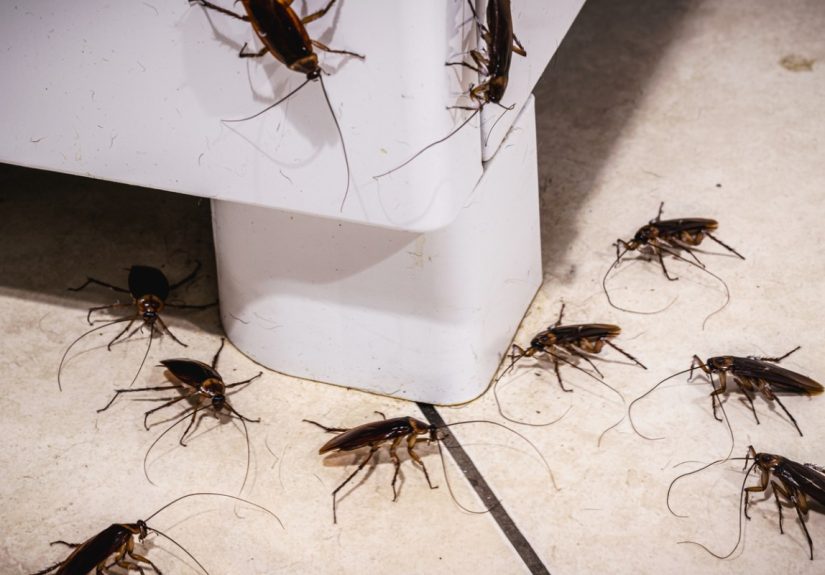
Roaches are mostly nocturnal. So if you’re seeing them during the dayor you’re seeing multiple at oncethere’s a decent chance the population is big enough that the best hiding spots are already taken. That’s when roaches start freelancing in the open like they’re auditioning for a horror movie.
Don’t panic. Do get strategic.
Step 1: Identify the “Type” (Because Roach Problems Aren’t One-Size-Fits-All)
Not all cockroaches act the same, and that matters. Treatment that works for one species can be frustratingly useless for another.
German cockroach (the indoor overachiever)
- Where you’ll find them: kitchens, bathrooms, behind appliances, under sinksclose to food and moisture
- What “sudden” means here: they reproduce quickly, so a small hitchhiker problem can feel like an overnight explosion
- Common arrival story: grocery bags/boxes, deliveries, used appliances, or shared walls in apartments/condos
American/oriental/outdoor-leaning roaches (the moisture tourists)
- Where you’ll find them: basements, crawl spaces, drains, utility rooms, near plumbing, damp areas
- What “sudden” means here: weather shifts (heavy rain, heat waves, cold snaps) can drive them indoors
- Common arrival story: they come from outside, sewers, drains, mulch, leaf litter, or woodpiles
If you can’t confidently ID them, you can still proceed with the plan belowbecause roaches universally love three things: food, water, and shelter. Remove those, and you remove their confidence.
So Why Are There Suddenly So Many Cockroaches in Your House?
Here are the most common “sudden roach boom” triggers, with specific examples so you can connect the dots.
1) Moisture spiked (and roaches threw a pool party)
Roaches can survive longer with water than with food. That means a small leak, condensation, or damp cabinet can be more attractive than a crumb-free countertop.
Examples: a slow drip under the sink, a sweating pipe, a leaky toilet base, a wet sponge left overnight, a pet water bowl that sloshes, or a basement that got humid after a storm.
2) Weather pushed them inside (rain, heat, coldpick your villain)
Outdoor and sewer-associated roaches often move when their environment changes. Heavy rain can flood hiding spots. Heat can dry out outdoor harborages. Cold can make indoor warmth irresistible.
Examples: after a week of rain you suddenly spot roaches near floor drains; after a heat wave you see them in the laundry room; after the first cold snap they show up in the basement.
3) Food became easier to access (and they noticed)
Roaches don’t require a banquet. A little grease film behind the stove, a few crumbs under the toaster, or a trash can that doesn’t seal can be enough to support them.
Examples: holiday cooking mess, late-night snacking crumbs, kids’ cereal under the table, pet food left out, or recycling that sits unwashed “for later.”
4) Shelter/clutter increased (cardboard is basically roach real estate)
Roaches love tight, undisturbed spaces. Clutter creates endless hiding places, and cardboard holds moisture and provides harborageespecially for German roaches.
Examples: moving boxes in the kitchen, paper bags stacked in a pantry, piles of packaging from online orders, or “I’ll organize this someday” cabinet chaos.
5) Something hitchhiked in (yes, roaches travel)
German cockroaches are famous for sneaking in via deliveries, grocery boxes, used furniture, and appliances. One pregnant female (or a few egg cases) can become a fast-growing problem.
Examples: you brought home a used mini-fridge, moved into a rental, accepted a hand-me-down microwave, or started getting more deliveries than usual.
6) A neighbor’s infestation spilled over (especially in multi-unit housing)
If you share walls, plumbing lines, or hallways, roaches can migrate. You can be clean and still get roachesbecause roaches don’t respect your cleaning schedule.
Examples: roaches appear after a new tenant moves in; you see them near shared plumbing walls; activity increases when the building starts renovations (disturbing harborages).
7) New entry points opened (tiny gaps, big consequences)
Roaches flatten their bodies and squeeze through surprisingly small cracks. Gaps around pipes, door sweeps, torn screens, and foundation cracks can turn your home into an all-you-can-enter buffet.
Examples: a missing escutcheon plate under a sink, a loose baseboard, a garage door gap, or a door sweep worn down like it has given up on life.
8) Landscaping got “cozy” (mulch, leaf litter, and woodpiles)
Outdoor roaches thrive in damp organic material. If your exterior is a moist, shaded paradise, roaches can build up outside and then wander in.
Examples: thick mulch right up against the foundation, wet leaf piles, ivy hugging the house, or firewood stacked beside the back door.
9) Drains and sewers became the VIP entrance
Some roaches prefer moist, dark environmentsexactly what drains and sewer connections provide. If you see roaches near floor drains, under basement sinks, or around plumbing chases, this might be your clue.
Examples: an unused basement drain that dries out (no water trap seal), roaches appearing after plumbing work, or activity near a sump pit or utility closet.
10) The wrong DIY approach made things worse (sprays and “bug bombs” often backfire)
It’s tempting to wage chemical war the moment you see a roach. But indiscriminate spraying can scatter roaches deeper into walls and cracks, while foggers (“bug bombs”) often fail to reach hidden harborages where roaches actually live.
Examples: you used a fogger and roaches disappeared for two days… then returned like they had merely stepped out for coffee; you sprayed baseboards but never addressed the leak under the sink; you killed the visible roaches but left the nest thriving behind the fridge.
Step 2: Confirm the Problem (Without Turning Your Home Into a Science Fair)
You don’t need lab equipment. You need a flashlight, patience, and a willingness to look behind the appliance you’ve been pretending doesn’t exist.
Where to check tonight (10-minute inspection)
- Behind the refrigerator and stove (warmth + crumbs = roach luxury suite)
- Under the sink and around plumbing penetrations
- Inside lower cabinets, especially corners and hinges
- Pantry shelves near cardboard, paper, or unsealed food
- Bathroom vanity and around toilet plumbing
- Basement/crawl space near water heater, sump, or floor drains
Signs you’re not imagining it
- Droppings: pepper-like specks (small roaches) or larger cylindrical droppings (bigger species)
- Egg cases: capsule-like cases tucked in hidden areas
- Shed skins: like tiny “ghost roaches” (gross, but useful)
- Musty odor: heavy infestations can create an oily, stale smell
Pro tip: Place sticky monitoring traps along baseboards and behind appliances. It’s not glamorous, but it gives you a map of activity and helps you measure progress.
Step 3: The Smart FixAn Integrated Plan That Actually Works
If you want real results, don’t rely on one tactic. Roach control works best when you combine sanitation + moisture control + exclusion + targeted treatment + monitoring.
A) Cut off water (the fastest way to make your home less attractive)
- Fix leaks under sinks, around toilets, and behind appliances
- Run exhaust fans during/after showers and cooking
- Use a dehumidifier if indoor humidity is high (especially basements)
- Don’t leave standing water in sinks overnight
- Keep pet water bowls tidy and dry the area around them
B) Reduce food access (make crumbs rare and trash boring)
- Wipe counters nightly; don’t leave dishes “to soak” for days
- Store pantry goods in airtight containers (yes, even “sealed” bags)
- Vacuum under appliances and along baseboards
- Take trash out regularly; use a tight-lid can
- Rinse recyclables (sticky cans are roach happy hour)
C) Remove hiding spots (your clutter is their castle)
- Reduce cardboard storage, especially in kitchens and pantries
- Declutter under sinks and in lower cabinets
- Pull items away from walls to reduce harborages
D) Seal entry points (exclusion is underrated)
- Caulk cracks along baseboards and around cabinet edges
- Seal gaps where pipes enter walls (kitchen, bath, laundry)
- Install/replace door sweeps and weatherstripping
- Repair screens and cover vents appropriately
E) Use targeted control (the “work smarter” part)
For many indoor infestationsespecially German cockroachesbaits are often more effective than random spraying because roaches feed on the bait and can spread it back to hiding areas.
- Gel baits or bait stations: place near cracks/crevices, behind appliances, under sinks (follow label directions)
- Dust products for voids/cracks: options like boric acid or silica-based dust can work in dry, protected spaces (use cautiously, keep away from kids/pets, and follow the label)
- Insect growth regulators (IGRs): can help disrupt reproduction when used as part of a broader plan
- Vacuuming: a fast, non-chemical way to remove live roaches, droppings, and allergen-laden debrisespecially around harborages
Avoid the common trap: If you use baits, don’t “freshen up” the area with strong repellent sprays. Repellents can keep roaches away from bait placements, which is the opposite of what you want.
F) Don’t rely on foggers (“bug bombs”) as your main solution
Foggers can miss the deep cracks where roaches hide, and they can create unnecessary pesticide exposure if misused. If you’re tempted to fog the whole house, treat that impulse like late-night online shopping: pause, breathe, and choose a plan that targets the actual problem.
Health Note: Roaches Aren’t Just “Gross”They Can Be a Trigger
Cockroach debris (including shed skins and droppings) can contribute to indoor allergens. For households with asthma or allergies, controlling roaches isn’t just about comfortit can be about breathing easier.
If asthma is a concern, focus heavily on sanitation, sealing entry points, and targeted methods rather than heavy indoor spraying. Cleaning and vacuuming (especially in kitchens and along baseboards) helps reduce allergen reservoirs.
When to Call a Pro (Because Sometimes You Need Backup)
DIY can work for light-to-moderate problems, especially if you’re consistent. But call a licensed pest professional if:
- You’re seeing roaches during the day or in multiple rooms
- Infestation signs keep returning after 2–3 weeks of a solid plan
- You live in a multi-unit building and suspect a shared-source problem
- You suspect sewer/drain involvement and can’t locate the entry route
- Someone in the home has significant asthma/allergy issues and you want a low-exposure approach
A good pro should talk about inspection, exclusion, monitoring, and targeted treatmentnot just “we’ll spray everything and see what happens.”
Quick Prevention Checklist (Keep Roaches From Coming Back)
- Fix leaks fast; reduce humidity in kitchens/baths/basements
- Store food airtight; clean grease and crumbs regularly
- Declutter and reduce cardboard storage
- Seal cracks, pipe gaps, and install good door sweeps
- Keep mulch/leaf litter away from the foundation
- Use monitoring traps occasionally to catch early activity
of Real-World Roach Experiences (What People Learn the Hard Way)
Experience #1: The “Clean House” Shock
A homeowner swore their kitchen was spotlessno crumbs, no dirty dishes, trash out nightly. Yet roaches appeared anyway. The culprit wasn’t food. It was water: a slow leak under the sink that dampened the cabinet floor for weeks. Roaches didn’t care that the counters sparkled; they cared that the cabinet felt like a humid cave with a built-in drinking fountain. Once the leak was repaired, the cabinet was dried out, and bait was placed near the plumbing openings, the sightings dropped dramatically. The lesson: a clean home can still be a roach-friendly home if moisture is available.
Experience #2: The “Bug Bomb” Regret
Another household tried the dramatic route: foggers. For a couple of days it seemed like successfewer roaches in the open. Then the roaches returned, except now they weren’t just in the kitchen; they were also showing up in the bathroom and laundry area. What happened? The fog didn’t penetrate deep harborages, and the roaches that survived scattered into new hiding spots. The family switched to a calmer strategy: sticky traps to identify hotspots, gel baits behind appliances, and sealing gaps around pipes. The infestation didn’t vanish overnight, but it finally moved in the right directionquietly and steadily.
Experience #3: The “New Appliance” Surprise
A renter bought a used mini-fridge from a neighbor. Within two weeks, small roaches appeared near the outlet and behind the fridge. They weren’t “coming from nowhere”they arrived in the appliance and found a warm motor and nearby crumbs. Once the fridge was pulled out, the area cleaned, bait applied, and clutter reduced, the roaches declined. The renter later adopted a new rule: used appliances get inspected outside (or at least in a garage) before crossing into the kitchen. The lesson: roaches can ride in with items you’d never suspectespecially anything warm, dark, and full of little crevices.
Experience #4: The “Rainy Week” Basement Invasion
After days of heavy rain, a homeowner began seeing large roaches near the basement floor drain. The kitchen stayed mostly quiet, but the basement felt like a roach airport. The fix focused on the environment: a dehumidifier ran continuously, the floor drain trap was checked, and entry points around pipes were sealed. Traps were placed to monitor activity, and targeted treatment was used in appropriate areas. Once conditions became less damp and inviting, the basement sightings tapered off. The lesson: sometimes roaches aren’t “nesting” in your living spacethey’re visiting because the route in (often moisture-related) is too easy.
Experience #5: The “Apartment Mystery” (It Wasn’t Just One Unit)
In a multi-unit building, one tenant noticed roaches despite keeping a tidy home. The roaches appeared mostly near the sink wall and bathroom plumbingclassic shared-infrastructure clues. The tenant worked with building management to coordinate treatment and sealing across adjacent units, because isolated DIY efforts were like bailing water while the faucet stayed on. With coordinated baiting, improved sealing around plumbing chases, and better trash handling in common areas, the building-wide pressure finally dropped. The lesson: if you share walls, your roach solution may need to include your building, not just your unit.
Conclusion: “Sudden Roaches” Usually Mean “Sudden Opportunity”
When cockroaches show up out of nowhere, it’s almost always because something changed: moisture, weather, access, clutter, entry points, or nearby pressure. The good news is that a roach surge isn’t a mystery curseit’s a problem with inputs you can control.
Start by identifying likely hotspots, cut off water and easy food, remove hiding spots, seal the routes in, and use targeted methods like baits instead of chemical chaos. Stick with the plan for a few weeks, monitor with traps, and escalate to a professional if the infestation is heavy or persistent. With the right approach, you can make your house a very boring place for roacheswhich is exactly the vibe you want.