Table of Contents >> Show >> Hide
- From “Marry Me” to “Maybe Baby”: Why We Love Mythical Recipes
- Meet the Legend: The Restaurant, the Wall of Baby Photos, and the Eggplant That Launched a Thousand Texts
- So… Can Eggplant Parmesan Actually Induce Labor?
- What Doctors Actually Mean by “Induction”
- What’s in the Famous Eggplant Parm? A Look at the Usual Suspects
- A Comfort-Food Eggplant Parmesan Worth the Hype (Even Without the Myth)
- “Natural” Labor Kickstarters: What’s Low-Risk vs. What’s a Bad Idea
- Why These Viral Names Stick (Even When the Science Doesn’t)
- FAQ
- Final Bite
- Experiences: The Eggplant Parm Ritual, the Group Chat, and the Longest Week Ever (Extra)
The internet has a special talent: it can turn a Tuesday dinner into a life-altering prophecy. One recipe promises proposals (“Marry Me Chicken”),
another allegedly promises contractions (“Labor-Inducing Eggplant Parmesan”). And somehow, both come with the same side dish:
a comment section full of people saying, “Okay but… it worked for my cousin’s best friend’s hairdresser.”
Here’s the real story behind the famous eggplant parm legend, what we actually know (and don’t know) about food and labor,
and how to enjoy the dish for what it undeniably is: comforting, cheesy, gloriously garlicky eggplant parmesan.
No magical thinking requiredthough you’re welcome to sprinkle in a little hope and humor.
From “Marry Me” to “Maybe Baby”: Why We Love Mythical Recipes
“Marry Me Chicken” didn’t become viral because it’s complicated. It became viral because it’s a creamy, savory, sun-dried-tomato moment
that feels fancy while still being weeknight-friendlyand because the name is basically a romantic comedy in four words.
The “Marry Me” label gives the dish a storyline: cook it, impress someone, cue the dramatic proposal music.
“Labor-Inducing Eggplant Parmesan” runs the same playbookjust with higher stakes and way more marinara. It offers a narrative
to people stuck in the weird limbo of late pregnancy, when time moves like molasses and everyone you’ve ever met suddenly asks,
“No baby yet?” The promise isn’t just food. It’s a ritual. A last-ditch, comforting, delicious attempt to feel a little bit in control.
Meet the Legend: The Restaurant, the Wall of Baby Photos, and the Eggplant That Launched a Thousand Texts
The most famous version of “labor-inducing eggplant parm” traces back to a long-running Italian restaurant outside Atlanta, Georgia:
Scalini’s. For decades, the lore went like this: eat the eggplant parmesan, and you might go into labor within a day or two.
The restaurant leaned into the legend with what became its most talked-about décor choicewalls lined with baby photos from families
who swore the dish helped bring their little one into the world.
The mythology grew the old-fashioned way: word-of-mouth, repeat customers, and stories passed from one very pregnant person
to another with the urgency of a group chat emergency. Later, the internet did what it does best: it turned a local legend into a national one.
Scalini’s has since closed, but the story didn’t vanish. The legend still pops up in articles, in “what should I eat at 40 weeks?” threads,
and in the kind of late-night scrolling that happens when sleep is uncomfortable and your belly has officially become its own zip code.
So… Can Eggplant Parmesan Actually Induce Labor?
Let’s start with the honest answer: there’s no strong scientific evidence that eggplant parmesan reliably induces labor.
The legend is built on anecdoteslots of thembut anecdotes are not the same as proof.
If a hundred people eat eggplant parm at the end of pregnancy, some of them will go into labor soon afterward
because… that’s what bodies tend to do when they’re already at the finish line.
Correlation is not causation (but it can be very convincing when you’re overdue)
Late pregnancy is a countdown with a fuzzy deadline. Many people go into labor “any day now” for days and daysthen eat a memorable meal,
take a long walk, finally relax, and boom: labor begins. The meal gets the credit because it’s the most obvious marker in the timeline.
It’s easier to say “the eggplant did it” than “my body was already prepping, my cervix was changing, and a bunch of hormonal processes
reached their tipping point at approximately the same time I ate something excellent.”
Why the myth feels plausible: rich food can “get things moving”
One reason this story persists is that eggplant parmesan is often heavy, spicy-ish (depending on the sauce), and loaded with garlic, cheese,
and acidity. For some people, that combo can irritate the gastrointestinal tractaka, it can cause cramping, urgent bathroom trips,
or the general feeling that your digestive system is staging a protest.
Here’s the key nuance: GI upset can create cramps that feel like contractions, and the gut and uterus share close quarters.
That doesn’t mean the food is initiating true labor. It means your stomach might be having opinions.
What about spicy food and “labor curry”?
Spicy food is a classic “try this to induce labor” suggestion. Medical experts generally say spicy food doesn’t trigger labor
in a reliable, evidence-backed way. What it can do is trigger heartburn, diarrhea, or abdominal discomfortespecially late in pregnancy,
when reflux is already a frequent visitor who refuses to leave.
In other words: spice may make you uncomfortable. It does not act like a medical induction.
The biggest risk in chasing “spice-labor” is that dehydration from diarrhea (or just feeling terrible) is the last thing you want
when you’re trying to conserve energy for delivery.
What Doctors Actually Mean by “Induction”
The word induction gets used casually online (“I induced labor with eggplant parm!”), but medically it means something specific:
using clinical methods to start labor when it’s safer to deliver than to continue the pregnancy.
Why inductions happen
Labor may be induced for maternal or fetal reasonslike certain blood pressure disorders, diabetes, concerns about amniotic fluid,
or post-term pregnancy. The goal is not convenience or viral folklore. It’s safety.
Induction has real benefitsand real risks
Medical induction is carefully managed because it can come with risks, such as overly frequent contractions or the possibility
that the induction doesn’t progress as hoped. That’s why healthcare teams monitor both the pregnant person and the baby,
and why “do-it-yourself induction hacks” should always be treated with caution.
A practical rule of thumb
If someone is considering any method meant to “kickstart labor,” it’s smart to talk to a healthcare provider firstespecially before 39 weeks,
or if there are pregnancy complications. Food is usually safe as food, but “trying to induce labor” is a different goal entirely.
What’s in the Famous Eggplant Parm? A Look at the Usual Suspects
Eggplant parmesan isn’t a single recipeit’s a whole genre. But the version linked to the legend tends to share a few themes:
breaded eggplant, marinara with plenty of garlic and herbs, and multiple cheeses layered like a cozy blanket.
If you’re wondering what could possibly be “active” here, the more realistic answer is: nothing that works like a medical agent.
The more likely contributors to the legend are simple and unglamorous: a big meal, lots of fat and dairy, plenty of garlic,
maybe some crushed red pepper, and a body that was already on the verge of labor.
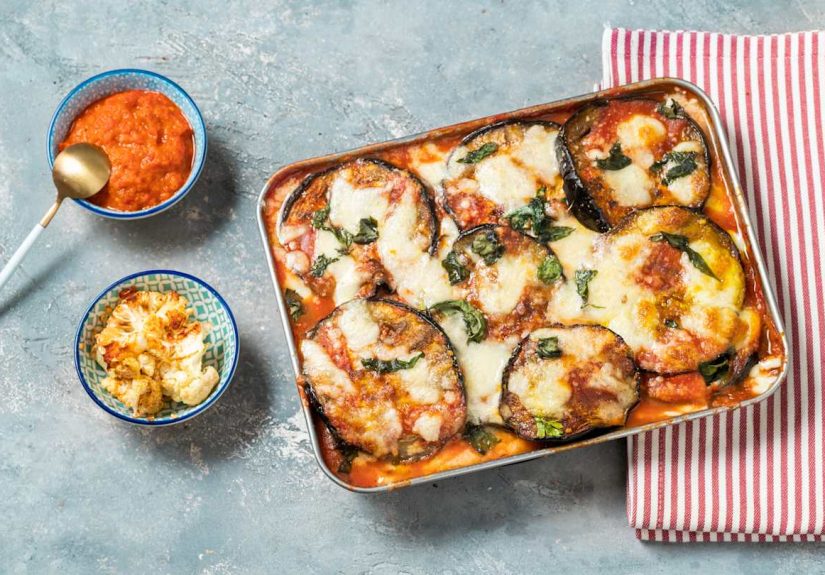
A Comfort-Food Eggplant Parmesan Worth the Hype (Even Without the Myth)
If you want the eggplant parm experiencewhether for flavor, nostalgia, or your own “let’s make tonight feel special” reasonshere’s a
delicious, home-kitchen version inspired by classic Italian-American style. Consider it “labor-inducing” only in the sense that
it may induce a nap.
Ingredients (flexible, not fussy)
- 2 medium eggplants
- Salt (for sweating the eggplant)
- All-purpose flour (for dredging)
- Eggs (beaten, for dipping)
- Seasoned breadcrumbs
- Olive oil (or a mix of olive oil and neutral oil)
- Marinara sauce (store-bought or homemade)
- Ricotta
- Grated Parmesan
- Shredded mozzarella
- Optional: grated Romano, fresh basil, crushed red pepper
Steps (because greatness should be achievable on a weeknight)
- Sweat the eggplant: Slice eggplant into rounds, salt lightly, and let sit 30–45 minutes. Blot dry.
- Set up your breading line: Flour, beaten egg, then breadcrumbs.
- Cook the slices: Pan-fry until golden on both sides (or bake/air-fry for a lighter approach).
- Layer it up: In a baking dish, spread marinara, add eggplant, dollop ricotta, sprinkle Parmesan and mozzarella. Repeat.
- Bake: Bake until bubbly and browned on top. Rest a few minutes before slicing (it sets up and behaves better).
Easy swaps that still taste like a hug
- Less frying: Bake breaded slices on a sheet pan, then assemble and bake again.
- More veggies: Add sautéed spinach or zucchini between layers.
- More heat: Stir a pinch of crushed red pepper into the sauce (only if heartburn isn’t your nemesis).
- Gluten-free: Use gluten-free breadcrumbs and a GF flour blend.
“Natural” Labor Kickstarters: What’s Low-Risk vs. What’s a Bad Idea
People try all sorts of things near the end of pregnancy. Some are harmless comforts. Some are medically supervised options.
And some are… best left on the internet, where they can’t hurt anyone.
Generally low-risk comfort moves
Gentle movement (like walking), staying hydrated, and resting when possible can help you feel better while you wait.
None of these are guaranteed to start laborbut they support your body, which is the whole point.
Things that belong in the “talk to your provider” category
Some methodslike membrane sweeping or certain kinds of stimulationare discussed in medical settings and should be guided by professionals.
Late pregnancy is not the time for improvising based on a stranger’s comment thread.
Skip harsh laxatives and anything that makes dehydration likely
Castor oil and similar tactics can cause strong GI distress and dehydration, which is not a fun warm-up for labor.
If a “natural induction” method sounds like it belongs in a survival show, it’s probably not a great idea without medical oversight.
Why These Viral Names Stick (Even When the Science Doesn’t)
Here’s the secret ingredient behind both “Marry Me Chicken” and “Labor-Inducing Eggplant Parmesan”: storytelling.
A good name turns a recipe into a little legend you can participate in.
Plus, recipes often show up at emotional crossroads: hosting your first dinner with someone new, cooking for a friend who’s having a rough week,
or counting down the last days of pregnancy. Food becomes a marker in your memory. If something big happens afterward, the recipe feels like a sign.
And honestly? Sometimes people don’t want a lecture. They want comfort. A warm plate. A reason to laugh. A ritual that says,
“I’m doing something while I wait.” If eggplant parm provides thatwithout risky behaviorthat’s not nothing.
FAQ
Is “labor-inducing eggplant parmesan” real?
The legend is real; the proof is not. Many people swear by it, but there isn’t strong research showing eggplant parm reliably starts labor.
Can spicy food induce labor?
Experts generally say there’s no solid evidence it induces labor. It can cause GI upset and heartburn, which can feel like “something is happening,”
but that’s not the same as starting labor.
Is eggplant parmesan safe during pregnancy?
For most people, yesespecially when made with pasteurized cheeses and properly cooked eggs. If you have dietary restrictions, reflux,
gestational diabetes meal planning, or other concerns, check with your provider.
If it’s not proven, why do so many people believe it worked?
Timing. Many people try it when they’re already near term, and labor begins soon after by coincidence. Also, a rich meal can cause GI changes
that feel contraction-like.
Final Bite
“Labor-Inducing Eggplant Parmesan” belongs to a proud tradition of culinary folklore: recipes that come with a plot twist.
It’s the spiritual cousin of “Engagement Chicken,” the best friend of “Marry Me Chicken,” and the reason some restaurants end up with
walls that look like the world’s coziest baby announcement board.
If you’re late in pregnancy and tempted to try the eggplant parm legend, it’s worth keeping two truths in your pocket:
(1) there’s no guarantee it’ll start labor, and (2) it might still be the best dinner you’ve had all week.
Talk with your healthcare provider about what’s safe for you, then let the food do what food does bestcomfort, nourish, and bring people together.
Experiences: The Eggplant Parm Ritual, the Group Chat, and the Longest Week Ever (Extra)
The most relatable part of the “labor-inducing eggplant parmesan” phenomenon isn’t the claimit’s the experience around it.
For many people in late pregnancy, the days can feel oddly repetitive: appointments, nesting, short walks, interrupted sleep,
and that constant mental math of “Is this a real contraction or did I just stand up too quickly?”
In that loop, a specific recipe becomes a little event. Something to plan, crave, cook, or go out for. Something that breaks the monotony.
A common storyline goes like this: someone hits their due date (or sails right past it), and well-meaning friends begin offering suggestions
the way people offer umbrellas in a drizzle. “Try a long walk.” “Try spicy food.” “Try pineapple.” Then someone mentions eggplant parmesan
with the kind of reverence usually reserved for miracle cures and grandma’s secret cookie tin.
Suddenly, the recipe isn’t just dinnerit’s a mission. A field trip. A dare. A hopeful little science experiment where the control group is
“everyone else who also wants the baby to arrive.”
If the person can get to the legendary restaurant (or a successor spot serving a similar dish), the experience can feel like joining a club.
There’s often a sense of camaraderie: other visibly pregnant diners, the knowing smiles from servers, and the subtle vibe of
“We’re all here for the same reason, and it’s not the salad.”
Even at home, it becomes communal. Partners help bread the eggplant. Family members argue about whether frying is essential
or whether baking “counts.” Someone inevitably jokes that the baby can smell the garlic and is already packing their bags.
And then there’s the waitingbecause late pregnancy is basically waiting with extra steps (sometimes literally, because people also do the “walk more” thing).
After the meal, many report paying close attention to every sensation: a twinge, a cramp, a lower-back ache.
The moment anything feels different, the group chat lights up. “Okay, I think something is happening.”
Friends respond with a mix of excitement and questions that are half-support, half-investigation:
“Was it the eggplant? How much did you eat? What kind of sauce? Did you have dessert too, just in case?”
What’s also commonthough it gets less viral attentionis that plenty of people eat the meal and nothing happens.
They wake up the next morning still pregnant, still tired, and now maybe a little heartburny.
But even that version has a kind of sweetness: they tried something that felt proactive, shared a good meal, laughed,
and got a small reminder that they can’t brute-force biology with Parmesan (tragic, honestly).
Some people even end up repeating the ritualmaking the dish again a week laterbecause if you’re going to wait,
you might as well wait with a pan of bubbling cheese.
In the end, the “labor-inducing eggplant parmesan” story persists because it meets a real emotional need:
it gives people a narrative when the timeline feels uncertain. It offers a harmless(ish) sense of agency,
as long as it stays in the lane of “comfort food” and not “medical plan.” And it’s a reminder that food traditions
don’t always need lab-grade proof to matter. Sometimes they just need to taste good, make you feel cared for,
and give you one more memorable night before life changes foreverwhether the baby arrives in 24 hours or in its own sweet time.