Table of Contents >> Show >> Hide
- Why Updating an Old Ceiling Fan Is Worth It
- Safety First: Prep Before You Touch the Fan
- Tools and Materials You’ll Need
- Step-by-Step: How to Update an Old Ceiling Fan DIY
- Design Ideas to Inspire Your Ceiling Fan Makeover
- Maintenance Tips So Your “New” Fan Stays Looking New
- Common DIY Ceiling Fan Update Mistakes to Avoid
- Real-Life DIY Experiences: What It’s Actually Like to Update an Old Ceiling Fan
- Final Thoughts: A Fresh Fan Without a Major Renovation
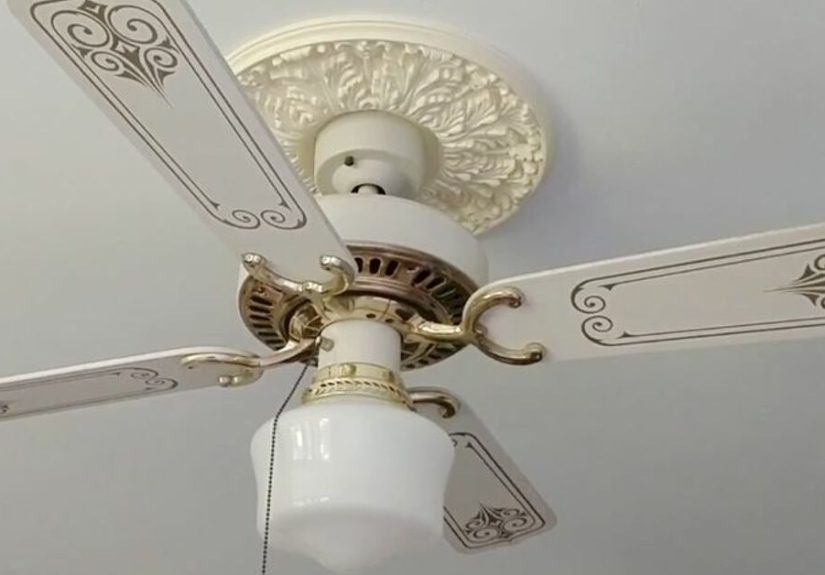
If your ceiling fan still looks like it’s stuck in a 1990s catalogue photoshiny brass, tulip glass shades, faux oak bladesyou are not alone. The good news? You don’t have to rip it out, patch the ceiling, and buy something new. With a little paint, a few smart swaps, and a free afternoon, you can turn that dated fan into a feature you’re actually proud to show off.
Inspired by the kind of clever makeovers you see on Hometalk and DIY home blogs, this guide walks you through exactly how to update an old ceiling fan DIY-stylewithout blowing your budget or your weekend. We’ll cover safety, tools, step-by-step instructions, creative design ideas, and real-life lessons from people who’ve already done it.
Why Updating an Old Ceiling Fan Is Worth It
Before you grab a screwdriver, it helps to know why this project is such a smart move:
- Budget-friendly: A new fan can cost $150–$400. Paint plus a new light kit or shades often comes in under $50.
- High visual impact: Because the fan sits in the middle of the room, updating it makes the entire space feel fresher.
- Eco-conscious: Keeping a working fan and updating its look is more sustainable than replacing it altogether.
- Custom style: You can match your fan to your current decormodern, farmhouse, boho, coastal, you name it.
Safety First: Prep Before You Touch the Fan
Ceiling fans involve electricity, height, and lots of moving parts. A few safety steps at the start keep this project firmly in the “fun DIY” category instead of “story your electrician tells at parties.”
- Turn off power at the breaker: Don’t rely only on the wall switch. Flip the correct breaker and verify the fan no longer turns on.
- Use a stable ladder: Choose one that lets you work at eye level with the fan without stretching or leaning.
- Protect your floors and furniture: Lay down a drop cloth or old sheet to catch dust and paint overspray.
- Follow wiring instructions: If you’re changing the light kit or doing any wiring, follow the manufacturer’s instructions. When in doubt, hire a pro.
Tools and Materials You’ll Need
You don’t need a full workshop for a ceiling fan makeover, but having the right basics ready will make things simpler.
- Screwdriver set (usually Phillips and flathead)
- Step ladder
- Mild soap, water, bucket, and lint-free rags
- Degreaser (for kitchen fans with built-up grime)
- Fine-grit sandpaper (120–220 grit) or a sanding sponge
- Painter’s tape and masking paper or plastic
- Drop cloths or old sheets
- Primer suitable for metal and/or laminate
- Spray paint for metal parts and housing (matte black, white, or brushed metallics are popular)
- Paint or spray paint for blades (or wood stain if you’re going for a wood look)
- Optional: contact paper or peel-and-stick wallpaper for patterned blades
- Optional: new light kit, glass globes, or a drum shade
- Optional: decorative pull chains
Step-by-Step: How to Update an Old Ceiling Fan DIY
Step 1: Clean and Inspect the Fan
First, clean everything. Dust, grease, and residue are the enemy of good paint adhesion.
- Turn the breaker off and confirm the fan won’t turn on.
- Wipe down the blades, motor housing, and light kit using a rag dipped in mild soapy water.
- For stubborn grease (especially in kitchens), use a degreaser, then wipe with clean water.
- Inspect the fan for cracks, loose screws, or wobbling. If the fan is noisy or shaky even at low speed, you may need to tighten the bracket or use a blade-balancing kit later.
Step 2: Remove Blades and Light Shades (If You’re Painting)
You can technically paint a fan while it’s still on the ceiling, but most DIYers find it easier and neater to take at least some parts down.
- Unscrew the blades from the motor housing. Keep screws in labeled baggies so reassembly is easy.
- Remove glass globes or shades and set them aside if you plan to reuse them, or add them to the “donate or recycle” pile if you’re upgrading.
- Take off any removable trim or metal arms that hold the globes to make painting cleaner and more precise.
Step 3: Prep and Paint the Fan Blades
Blades are where you can get creativesolid white, faux wood, bold color, or even patterned contact paper.
- Lightly sand each blade. A quick once-over with fine-grit sandpaper scuffs the surface and helps primer and paint stick.
- Wipe away dust. Use a damp rag or tack cloth so the blades are perfectly clean and smooth.
- Prime if needed. If the blades are glossy, dark, or laminated, use a bonding primer. Let it dry fully per the can’s directions.
-
Paint the blades.
- For a seamless look, use the same paint as your ceiling in a flat or eggshell finish.
- For contrast, choose a soft black, charcoal, or warm wood tone.
- If using spray paint, apply several light coats rather than one heavy coat to avoid drips.
- Optional: patterned blades. Cut contact paper slightly larger than each blade, apply it smoothly, then trim the edges with a sharp craft knife.
Let the blades cure completely before reattaching them. Paint that feels dry can still be soft underneathgive it the full recommended time.
Step 4: Paint the Motor Housing and Hardware
This is where your fan really jumps from “dated” to “designer.” Most dated fans have brass or shiny metal finishes; a fresh color instantly modernizes them.
- Cover the ceiling and any surfaces with drop cloths.
- Use painter’s tape to protect the ceiling, fan bracket, and any areas you don’t want painted.
- Stuff sockets with cotton balls or a small piece of paper towel to keep paint out of electrical components.
- Lightly scuff the metal surfaces with fine sandpaper and wipe them clean.
- Apply a light coat of metal primer if recommended for your paint and surface.
-
Spray or brush on your chosen color:
- Matte black for an industrial look
- Soft white for an airy, coastal or cottage feel
- Brushed nickel or champagne gold for upgraded, modern hardware vibes
- Allow multiple thin coats, drying between each, until coverage is even.
Step 5: Upgrade the Light Kit or Shades
The light kit is often the “tell” that your fan is datedespecially fluted glass tulip shades and yellowed glass. You’ve got options:
- Swap to new glass globes: Many big-box stores sell individual replacement shades in simple, modern shapes (clear, seeded, opal, or schoolhouse-style).
- DIY lamp-shade hack: On some fans, you can replace the glass dome with a fabric lampshade or drum shade, using a threaded rod or simple hardware adapter to attach it securely under the fan.
- Add a drum shade around the light kit: For a “designer” look, extend the center rod and mount a large drum shade so it hides the bulbs but still allows air flow.
- Update the bulbs: Swapping to LED Edison-style bulbs, clear globes, or warm-white LEDs can completely change the mood of the light.
If you install a new light kit, follow the manufacturer’s wiring diagram exactly and ensure all connections are tight and capped. Again, if this part makes you nervous, there’s no shame in calling an electrician just for the hookup.
Step 6: Reassemble, Balance, and Test
- Reattach the blades to the brackets and then to the motor housing once everything is fully dry.
- Reinstall globes, shades, or your new drum shade.
- Attach any decorative pull chains or finials.
- Turn the breaker back on and test the fan at low speed first to watch for wobbling.
- If the fan wobbles, use a balancing kit (often included with fans or sold separately). Move the small weights along blade edges until the wobble disappears.
Design Ideas to Inspire Your Ceiling Fan Makeover
Not sure what style you want? Here are some tried-and-true combos that look great in real homes:
- Modern black + wood: Matte black housing with medium or light wood blades; pair with clear glass globes and warm LED Edison bulbs.
- Clean white farmhouse: White housing and blades, subtle distressing or wood-tone blade backs, and simple white or clear glass shades.
- Boho/coastal: White or soft sand housing with light “driftwood” blades, cane or rattan-style shades (or a woven drum shade), and soft, warm lighting.
- Color-pop kids’ room: Neutral housing with each blade painted a different fun color, or patterned contact paper on the blade fronts.
- Minimalist neutral: Warm white housing, warm gray blades, and simple opal glass for a calm, streamlined look.
Maintenance Tips So Your “New” Fan Stays Looking New
- Dust regularly: Use a microfiber duster or pillowcase method (slip it over the blade and pull dust back into the case) once a month.
- Avoid harsh cleaners: Stick to mild soap and water; strong chemicals can dull or damage finishes.
- Check screws yearly: Tighten any loose blade or housing screws to prevent wobble and noise.
- Switch directions seasonally: Run clockwise on low in winter to gently push warm air down; counterclockwise in summer for cooling breeze.
Common DIY Ceiling Fan Update Mistakes to Avoid
- Skipping the cleaning step: Paint over dust and grease, and it will peel later.
- Rushing dry times: If you reassemble while paint is still soft, screws can twist and mar the finish.
- Using the wrong paint: Regular wall paint on glossy metal without primer will chip. Use products designed for metal and slick surfaces.
- Overloading with heavy shades: Extra weight can strain the motor or create wobble, so choose lightweight shades and follow manufacturer limits.
- Ignoring balance: A slightly unbalanced fan can rattle, wear out faster, and drive you crazy at night.
Real-Life DIY Experiences: What It’s Actually Like to Update an Old Ceiling Fan
So what does this project feel like in real lifenot just in pretty before-and-after photos? Most DIYers describe the same basic arc: mild dread, messy middle, and then major satisfaction.
The project usually starts with the fan that’s bothered you for years. You’ve painted the walls, switched rugs, maybe even bought new furniture, but that brass-and-glass spaceship on the ceiling still ruins every room photo. One day you finally decide: “It’s you or me, fan.” You search for ideas, see a dozen clever makeovers, and realize you can actually do this.
The longest part often isn’t paintingit’s prep. Cleaning baked-on dust from the tops of blades can be oddly gross and weirdly satisfying. Many people are shocked at how much brighter the room feels once the dust is gone, even before adding new paint or lighting.
Next comes the “my living room looks like a fan exploded” phase. Blades, screws, brackets, and shades are spread across the floor or dining table. This is where labeling bags for screws and keeping parts grouped by blade pays off. People who skip this step almost always wish they hadn’t when it’s time to put things back together.
Painting itself is usually pretty relaxing. You put on a podcast, lay out the blades, and work in light coats. Many DIYers say the first moment of “wow” comes when they see their old brass hardware turn into sleek black or soft white; it’s like swapping out old jewelry for something modern. Adding contact paper or a faux-wood finish on the blades can feel like a high-end upgrade even when the materials were bargain finds.
The lighting update is where you notice the biggest functional difference. Swapping fluted glass shades for clean, simple globes or a fabric drum shade changes how the light spreadsno more weird shadows or harsh glare. Combining that with warm, energy-efficient LED bulbs makes your fan feel like a new fixture from a boutique lighting store, instead of something you inherited with the house.
Reassembly and balancing are the final hurdle. It’s normal to flip the switch with a tiny bit of nervousness: Will it wobble? Did I put a blade on crooked? Most of the time, if you’ve reattached everything securely and tightened screws evenly, the fan runs as smoothly as beforeor better. And if you do have a wobble, a simple balancing kit and a bit of trial and error usually fixes it quickly.
The best part, according to people who’ve done this project, is when guests walk in and compliment the “new fan”and you get to say, “Oh that? It’s the same old one. I just gave it a makeover.” For a few cans of paint and some Saturday effort, you’ve extended the life of a functional fixture, elevated your room’s style, and picked up a very satisfying DIY story to tell.
Final Thoughts: A Fresh Fan Without a Major Renovation
Updating an old ceiling fan DIY-style is one of those projects that seems intimidating until you break it into steps. Turn off the power. Clean and prep. Paint in light layers. Swap the shades or light kit. Reassemble and balance. That’s it.
Whether you’re channeling a Hometalk-worthy farmhouse makeover or a sleek modern upgrade, the combination of fresh paint, updated lighting, and a bit of creativity is enough to completely transform a dated fan. Instead of replacing a perfectly good fixture, you’ve given it a second lifeand your room a brand-new focal point.