Table of Contents >> Show >> Hide
- What Exactly Is a Microbead Pillow (and Why It Cleans Differently)?
- Before You Wash: 60 Seconds That Can Save You 60 Minutes
- Easy Ways to Wash a Microbead Pillow: 8 Steps
- Step 1: Choose your method (hand-wash, machine wash, or spot clean)
- Step 2: Pre-treat stains like you’re defusing a tiny drama
- Step 3: Contain the pillow (pillowcase or mesh laundry bag)
- Step 4: Use cool/cold water and a tiny amount of mild detergent
- Step 5: Wash gently (hand-wash first, machine wash only if allowed)
- Step 6: Remove water without wringing (towel press, don’t twist)
- Step 7: Dry the right way (air dry is the safest)
- Step 8: Fluff, protect, and set yourself up for easier cleaning next time
- Spot Cleaning a Microbead Pillow (The “Fast Refresh” Method)
- Odor Removal: How to De-stink Without Over-washing
- How Often Should You Wash a Microbead Pillow?
- Common Mistakes That Ruin Microbead Pillows
- FAQ
- Final Thoughts
- Bonus: What Washing a Microbead Pillow Is Really Like (Real-World Notes)
Microbead pillows are the comfort-food of the pillow world: squishy, moldable, and weirdly satisfying to hug
like a bag of tiny marshmallows that decided to become a neck pillow and improve your travel karma.
But when it’s time to clean one, people panic. (Understandably. Nobody wants to unleash a blizzard of tiny beads
into a washing machine and spend the weekend vacuuming like it’s their new cardio.)
The good news: you can wash many microbead pillows safelyif you treat them like the delicate little divas they are.
The trick is low agitation, cool water, gentle detergent, and heat avoidance. In this guide, you’ll get an
eight-step, low-stress method, plus stain/odor fixes and a real-world “what to expect” section at the end.
What Exactly Is a Microbead Pillow (and Why It Cleans Differently)?
A microbead pillow is typically filled with tiny polystyrene (or EPS) beads. Those beads give the pillow its “mold-to-your-body”
feel, but they also come with a few cleaning-related quirks:
- Heat can be the enemy: High heat can warp or shrink beads and damage the pillow’s fabric.
- Aggressive agitation can stress seams: A wild wash cycle can turn your pillow into a bead escape room.
- Waterlogging is real: Beads don’t absorb water like cotton, but the outer shell can hold moistureso drying matters.
- Some are “spot-clean only”: Many travel brands recommend spot cleaning instead of full washing.
Translation: you’re not washing a regular bed pillow. You’re washing a pillow that’s basically
“a thousand tiny balls wearing a fabric hoodie.”
Before You Wash: 60 Seconds That Can Save You 60 Minutes
1) Check the care label (seriously)
Start with the manufacturer’s tag. If it says “spot clean only,” believe it.
If it allows machine washing, follow their temperature and drying instructions.
If the tag is missing (or written in an ancient laundry rune), use the gentle approach in this guide.
2) Inspect seams and the zipper
Look for small holes, stretched seams, or a zipper that won’t fully close. If you find any damage,
do a quick repair before washing. Even a tiny opening can turn into a bead leak when the pillow gets wet and heavy.
3) Remove a washable cover (if you have one)
Many microbead pillows (especially travel neck pillows) have removable covers. If yours does, wash the cover separately,
and only clean the inner pillow by spot cleaning unless the label specifically says the insert is machine washable.
Easy Ways to Wash a Microbead Pillow: 8 Steps
These steps cover the safest “universal” approach: hand-wash by default, and machine wash only if the label allows it.
If your pillow is a travel neck pillow and the brand says spot clean only, skip the machine method and follow the spot-clean notes below.
-
Step 1: Choose your method (hand-wash, machine wash, or spot clean)
Hand-washing is the safest for most microbead pillows because it minimizes agitation.
Machine washing can work if the label allows it and you use a delicate cycle.
Spot cleaning is best for “spot-clean only” pillows or frequent quick refreshes.If you’re unsure, go with hand-wash or spot clean. Your future self will thank you.
-
Step 2: Pre-treat stains like you’re defusing a tiny drama
For makeup, sweat rings, or mystery smudges, dab a small amount of mild detergent (or a gentle stain remover)
on the stained area. Use a soft cloth or a soft-bristle toothbrush, and work lightlyno need to sand it like a deck.Let it sit 10–15 minutes before washing. This helps you avoid harsh scrubbing later.
-
Step 3: Contain the pillow (pillowcase or mesh laundry bag)
Put the pillow inside a large pillowcase (tie or zip it closed) or a mesh laundry bag.
This is your “just in case the seam is secretly plotting against you” safety net.If the pillow is small (like a neck pillow), double-bagging is not overkillit’s wisdom.
-
Step 4: Use cool/cold water and a tiny amount of mild detergent
Use cold to lukewarm water and a small amount of mild detergent.
Too much soap can be difficult to rinse out of tightly woven fabrics, which can leave residue and attract grime later.Skip chlorine bleach and harsh chemicals. If disinfecting is your goal, focus on thorough washing and proper drying instead.
-
Step 5: Wash gently (hand-wash first, machine wash only if allowed)
Hand-wash method (recommended):
- Fill a tub or large sink with cool/lukewarm water and dissolve mild detergent.
- Submerge the pillow and gently squeeze to move soapy water through the fabric.
- Lightly rub stained areas with your hands or a soft cloth.
- Drain and refill with clean water, then gently squeeze again to rinse.
Machine-wash method (only if the label allows):
- Use a front-loading washer if possible (less aggressive than a big agitator).
- Select delicate/gentle with cold water.
- Add a small amount of mild detergent and consider an extra rinse.
- Wash the pillow alone or with a couple of towels for balanceavoid heavy items with zippers or hooks.
-
Step 6: Remove water without wringing (towel press, don’t twist)
Wringing can stress seams and distort the shape. Instead:
- Press the pillow gently between your hands to release water.
- Lay it on a clean towel, roll it up, and presslike you’re making a pillow burrito.
- If you machine washed, let the final spin do most of the work (but avoid extra-high spin if the pillow seems fragile).
-
Step 7: Dry the right way (air dry is the safest)
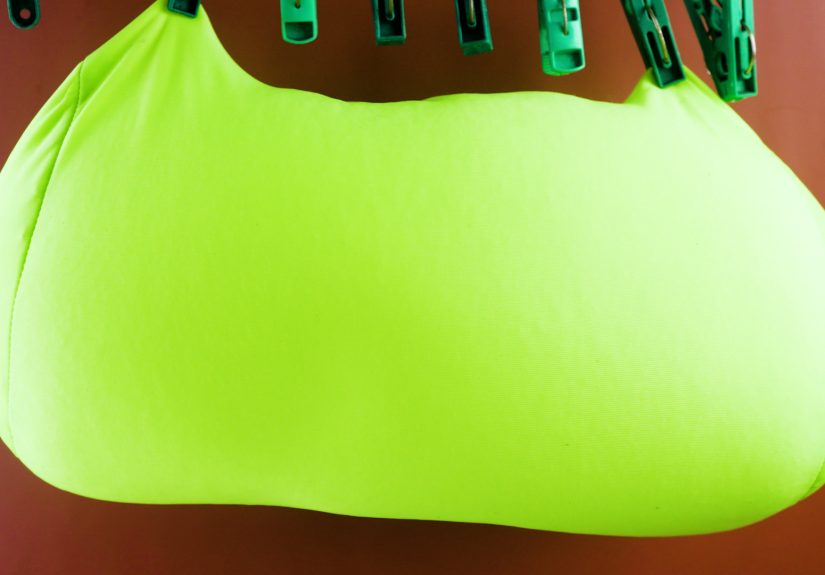
Microbead pillows do best with air drying. Place the pillow on a drying rack or a clean towel in a
well-ventilated area. Rotate and flip it every few hours so moisture doesn’t hide in one spot.If the care label explicitly allows machine drying, keep it low heat or no heat/air fluff,
and check it often. High heat can damage the beads and the shell. When in doubt, skip the dryer.Don’t put it back into service until it’s fully dry. “Mostly dry” can become “mildew surprise” faster than you’d think.
-
Step 8: Fluff, protect, and set yourself up for easier cleaning next time
Once dry, shake and fluff the pillow to redistribute beads and restore the shape.
Then use one (or more) of these low-effort prevention moves:- Add a removable cover (or use a pillow protector) to reduce how often the pillow itself needs washing.
- Spot clean after trips instead of waiting until it’s “airport-floor chic.”
- Store dry in a breathable bagavoid damp basements or sealed plastic if the pillow isn’t fully dry.
Spot Cleaning a Microbead Pillow (The “Fast Refresh” Method)
Spot cleaning is ideal for travel pillows, pillows labeled “spot clean only,” and quick fixes between deeper washes.
- Mix a few drops of mild detergent in cool water.
- Dampen (don’t soak) a clean cloth and blot the area.
- For stubborn spots, use a soft brush with light pressure.
- Wipe with a clean damp cloth to remove soap.
- Air dry completely, then fluff.
Odor Removal: How to De-stink Without Over-washing
If your pillow smells like “long-haul flight + existential dread,” try these gentle options first:
- Air it out: Place it in a well-ventilated area for a full day, flipping occasionally.
- Baking soda rest: Lightly sprinkle baking soda on the surface, let it sit 30–60 minutes, then vacuum gently with an upholstery attachment.
- Wash the cover more often: If there’s a removable cover, washing that alone may solve 80% of odor issues.
Avoid soaking the pillow just to chase a smell. Odor problems usually improve more from airflow and a clean cover than from repeated full washes.
How Often Should You Wash a Microbead Pillow?
It depends on how you use it:
- Travel neck pillow: Wash/clean after major trips or seasonal flu season, and spot clean after each use.
- Everyday support pillow: A gentle deep clean every few months can help, especially if you have allergies.
- If you use a cover/protector: Wash the cover frequently and deep clean the pillow less often.
Common Mistakes That Ruin Microbead Pillows
- Hot water + high heat drying: Can warp/shrink beads and weaken fabric.
- Chlorine bleach: Too harsh for many pillow shells and may damage the fill system.
- Heavy agitation: Rough cycles can stress seams and zippers.
- Wringing like a wet towel: Damages seams and can deform the pillow.
- Putting it away damp: Traps moisture and invites mildew odors.
- Ignoring tiny holes: Small seam issues become “bead confetti” later.
FAQ
Can you machine wash a microbead pillow?
Many can be machine washed on cold/gentle, but some brands recommend spot cleaning only.
Always check the care label first. If you machine wash, use a pillowcase/mesh bag and a delicate cycle.
Can you put a microbead pillow in the dryer?
Air drying is safest. Some labels allow low heat or air-fluff drying, but high heat can damage beads and fabric.
If you do use a dryer, keep it cool/low, check frequently, and finish with air drying if needed.
What if beads leak?
Stop washing immediately, dry the pillow, and repair the seam/zipper before trying again.
Clean up beads carefully (they can clog drains and are a microplastics concern). Consider placing the pillow insert inside an extra inner liner after repair.
How do you keep a microbead pillow clean longer?
A removable, washable cover is your best friend. Add a protector, spot clean often, and avoid using the pillow with wet hair or lotions that transfer to fabric.
Final Thoughts
Washing a microbead pillow doesn’t have to be a high-stakes event. The recipe is simple:
check the label, go gentle, stay cool, and avoid heat.
Do that, and your pillow will stay clean, comfortable, and blissfully bead-contained.
Bonus: What Washing a Microbead Pillow Is Really Like (Real-World Notes)
People often expect washing a microbead pillow to feel like washing a regular bed pillowtoss it in, press start, move on with life.
In reality, the experience is more like caring for a favorite hoodie that also happens to be filled with a thousand tiny marbles.
Based on common patterns reported by frequent travelers, parents, and home-care pros, here’s what you can realistically expectand how to make it easier.
First: the “I didn’t realize how gross it was until I tried to clean it” moment is extremely normal.
Travel pillows especially collect skin oils, hair products, makeup, sunscreen, and whatever microscopic souvenirs airport seats hand out for free.
When you pre-treat a stain and the water turns faintly beige, that’s not the pillow “falling apart”that’s evidence your pillow has been working overtime.
The good news is that gentle cleaning usually restores the fabric brightness and softness more than people expect.
Second: drying feels slow. Because microbead pillows don’t “drink” water the way cotton does, it’s easy to assume they’ll dry instantly.
But the outer fabric and stitching can hold moisture, and the pillow’s shape can trap damp pocketsespecially in thicker neck pillows.
Many people report that the pillow feels dry on the surface, then smells a little musty the next day because the inside seams weren’t fully dry.
The fix is boring but effective: rotate it, flip it, and give it real airflow. A fan in the room makes a bigger difference than almost any detergent choice.
Third: the pillow can feel “different” right after washingand that can freak people out.
Freshly washed microbead pillows sometimes feel slightly firmer or slightly clumpier until they’re fully dry and fluffed.
That’s usually temporary. As the shell dries completely, the beads move more freely again.
A simple “shake, squish, and redistribute” routine (like you’re kneading bread dough, but gentler) often brings back the original drape.
If you use the pillow for neck support, shaping it while it finishes air drying can help it return to your preferred contour.
Fourth: containment is everything. People who have a smooth washing experience almost always do one thing:
they put the pillow in a tied pillowcase or a mesh bag. The rare horror storiesbeads in the washer filter, beads in the dryer, beads in places beads should not be
tend to start with a small seam weakness that nobody noticed. Even if your pillow looks fine, containment gives you peace of mind.
It also prevents snagging on a washer drum, zipper, or stray hook from another item.
Fifth: quick maintenance beats heroic cleaning. A lot of folks learn that the easiest long-term strategy isn’t frequent full washes.
It’s using a removable cover or protector, spot cleaning right after a spill, and airing the pillow out after travel days.
One common example: parents with nursing or support pillows often keep an extra cover on hand. When the cover gets messy, they swap it and wash it,
leaving the inner pillow mostly untouched except for occasional spot cleaning. Travelers do a similar trick by keeping the pillow in a clean carrying bag
(and not letting it roll around bare in a suitcase next to shoesno judgment, just science).
Finally: the best “experience upgrade” is knowing when to stop. If a pillow’s fabric is thinning, seams are failing,
or it stays flat no matter how much you fluff it, washing won’t bring it back to its glory days.
Many people report they feel relieved when they retire a pillow that no longer bounces backbecause they realize they were fighting the pillow,
not cleaning it. A microbead pillow should feel supportive and springy; if it’s permanently sad and lumpy, it’s earned its rest.