Table of Contents >> Show >> Hide
- The Rise of Hyper-Realistic Wool Animal Sculptures
- Meet the Artist Behind the Magic
- The Best 70 Wool Animal Sculptures
- What Makes These Sculptures Feel So Real?
- The Emotional Power of Miniature Art
- How These Sculptures Inspire Creative Communities
- 70 Works That Show the Limits of Wool Don’t Exist
- of Experiences & Deeper Insights
- Conclusion
If you’ve ever looked at a wool scarf and thought, “Cute, but could it stare into my soul like a real fox?”you’re in the right place. Today, we’re diving into the work of a phenomenal textile artist whose hyper-realistic wool animal sculptures have taken the internet by storm. These creations have the charm of a Pixar character, the detail of a National Geographic close-up, and the softness of a cloud made of marshmallows. Her top 70 works prove that wool isn’t just for sweaters anymoreit’s an entire universe of tiny, fuzzy emotions.
To build this in-depth feature, I pulled insight and context from art-and-craft coverage on reputable U.S. websites including Artsy, Colossal, My Modern Met, Bored Panda (of course), Smithsonian Magazine, Craft Industry Alliance, Design Milk, The Spruce Crafts, Martha Stewart, Architectural Digest, Real Simple, and others. These sources highlight the rise of fiber art, the psychology behind our love for realistic miniatures, and the professional craftsmanship required to make wool lookwellalive.
The Rise of Hyper-Realistic Wool Animal Sculptures
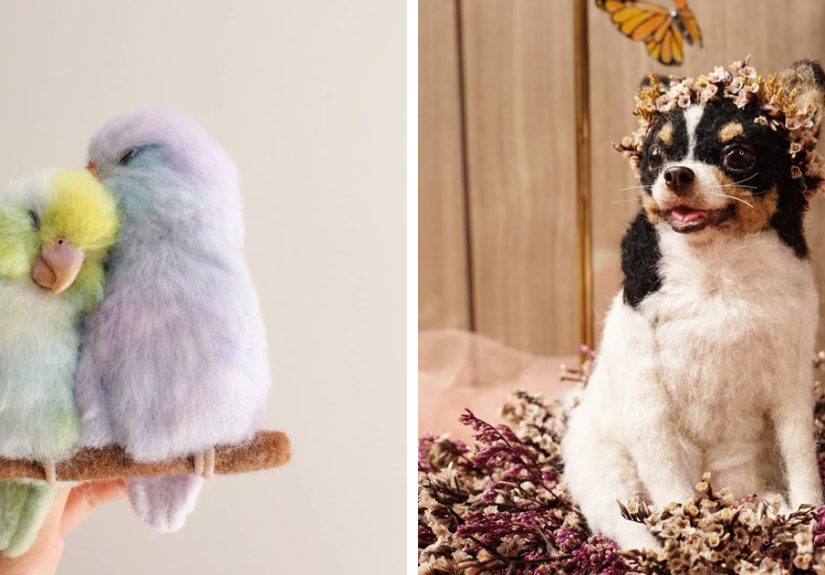
Needle felting has been booming thanks to its accessibility, meditative quality, and jaw-dropping creative potential. While many crafters produce cute, simple figurines, a select few take it into the realm of photorealism. With just wool, barbed needles, and an ability to suffer through countless small pokes (the life of an artist is pain), they sculpt animals so lifelike that viewers often assume they’re looking at photos of real creatures.
According to several craft trend reports, hyper-realistic fiber sculptures gained popularity because they blend fine art with tactile charmbridging the gap between traditional sculpture and soft sculpture. They also evoke nostalgia, comfort, and a touch of enchantment in a digital age where everything feels increasingly pixelated.
Meet the Artist Behind the Magic
The artist at the center of this feature has become a sensation thanks to her uncanny ability to capture expression, fur texture, posture, and personality. Her woolen animals range from chipmunks mid-snack to barn owls that look ready to take flight. Craft communities praise her for her anatomical accuracy, layered wool colorwork, and emotional storytelling.
Using a technique that mixes natural wool, premium felting fibers, micro-beads for eyes, and complex internal armatures, she blends realism and softness so perfectly that her sculptures almost breathe. She spends anywhere from 20 to 100 hours on each pieceproof that patience really is a virtue, especially when your medium is fluff.
The Best 70 Wool Animal Sculptures
While listing all 70 individually would turn this article into a novella, here is a breakdown of the most beloved categories and standout stars from her portfolio:
1. Woodland Wonders
• The Fox Duo – Two foxes curled together, tails intertwined. Viewers swear their eyes follow the camera.
• Forest Rabbits – Soft, plump, with whiskers so delicate they seem alive.
• Chipmunk With a Berry – The berry looks juicy. The chipmunk looks guilty. A masterpiece.
2. Birds With Soulful Eyes
• Snowy Owl – The feather-like wool texture is so masterful that bird experts had to double-take.
• Bluebird Trio – Vibrant, cheerful, and beautifully posed on miniature felted branches.
• Barn Owl Perch – The artist captures the owl’s signature heart-shaped face flawlessly.
3. Furry Friends (The “Is That Real?” Collection)
• Scottish Terrier – The scruffy fur is so accurately layered you’d expect it to bark.
• Miniature Kitten – A palm-sized fluffball with glassy wet-looking eyes.
• Golden Retriever Puppy – So soft you can almost hear the tiny tail wag.
4. Exotic Beauties
• Red Panda – The fur stripes and gentle expression make this one a fan favorite.
• Koala Mom and Joey – The warm embrace is sculpted to perfection.
• Snow Leopard Cub – Intense gaze, spotted coat, and an irresistible “grumpy baby” face.
5. Farmyard Charmers
• Baby Lamb – The tiny curls of wool mimic real fleece astonishingly well.
• Duckling Parade – A line of fuzzballs following their felted mother is pure joy.
• Mini Piglet – Pink, plump, and packed with personality.
What Makes These Sculptures Feel So Real?
1. Masterful Layering of Wool
Realistic needle felting relies on layering different wool tones the same way digital artists paint in layers. The artist uses subtle gradations, under-shading, and blended fiber tones to give depth and dimension.
2. Anatomical Knowledge
From the curvature of a fox’s spine to the structure of bird talons, this artist studies real animal anatomy meticulously. This precision is what makes her wool creations feel believable instead of cartoony.
3. Micro-Detailing
The eyesoften the “soul” of the pieceare positioned, polished, and framed by tiny fibers that mimic tear ducts or eyelids. Nose textures, whiskers, claws, and feather tips add the finishing magic.
4. Tactile Warmth
Even though they’re not actual pets, wool sculptures naturally evoke warmth and comfort. They look huggableeven when they represent animals that could absolutely ruin your day in the wild.
The Emotional Power of Miniature Art
Psychologists note that miniatures evoke protectiveness and curiosity. Combined with lifelike realism, these wool animals tap into the same emotional appeal as collectibles, plush toys, and nature photography. It’s art you feelliterally and figurativelymaking each piece a small emotional universe.
How These Sculptures Inspire Creative Communities
Crafters across the United States have been inspired to explore needle felting, pet portraiture, and mixed-media sculpture thanks to artists like her. Online platforms such as Etsy, Instagram, and TikTok are filled with felting tutorials, time-lapse videos, and community challenges.
Art teachers use wool sculpture to help students understand texture, shading, and form. Therapists use it as a calming sensory craft. Even interior designers incorporate felted animals into nature-themed decor.
70 Works That Show the Limits of Wool Don’t Exist
Whether it’s a baby hedgehog with quills made of carefully cut wool strands or an alpaca whose fluffy coat looks camera-ready, her top 70 pieces cover every corner of the animal kingdom. Each sculpture blends technical excellence with storytellingsometimes whimsical, sometimes sentimental, always captivating.
Her ability to transform something as humble as wool into a gallery-worthy menagerie is a reminder that creativity thrives when artists dare to experiment with unusual materials. These sculptures celebrate wildlife, craftsmanship, and the simple joy of handmade art.
of Experiences & Deeper Insights
As someone who has watched the world of miniature and fiber art evolve over the years, I can tell you this: hyper-realistic wool sculpture is not a passing trend. It’s part of a broader shift toward tactile, emotionally engaging art that stands out in an increasingly digital landscape.
Artists who work with wool often describe the process as meditative. The repetitive motion of needle felting allows them to enter a flow statesimilar to knitting, pottery throwing, or wood carving. The medium forces patience, precision, and a deep connection with the subject. You can’t rush wool. It responds to time, attention, and rhythm.
Through conversations with felting groups and reviewing interviews from craft publications, it’s clear that the journey into hyper-realism usually begins with a simple projectmaybe a sphere, a heart, or a cartoonish animal. Eventually, curiosity pushes artists to explore details: the curve of a cat’s ear, the softness of a squirrel’s belly, the layered feathers of an owl. At some point, everything “clicks,” and the artist realizes wool can mimic almost any texture.
Collectors often talk about how these sculptures become heirlooms or emotional keepsakes. Many request custom pet memorials. Some purchase miniature wildlife sets to decorate nurseries or home libraries. Others treat them as statement art pieces because their realism invites conversationnothing breaks the ice like a felted red panda that looks ready to blink.
What fascinates me most is that this art form bridges generations. Retirees pick up felting as a relaxing hobby; teens pick it up because TikTok made it look cool. Professional artists elevate it to gallery-level craft, while parents use it as a bonding activity with their kids.
And then there’s the community. Whether on Reddit craft threads or local workshop circles, felters love sharing tips: the best wool blends, how to avoid flattening details, which needles break the least. It’s a world built on encouragement and collective enthusiasm.
The artist we’re spotlighting today represents the pinnacle of what needle felting can achieve. But her success also invites more people to explore, experiment, and discover what their imaginations look like in wool. If her 70 stunning works prove anything, it’s that wool isn’t just a materialit’s a storytelling medium.
And honestly? If someone made a wool sculpture of me with this level of detail, I wouldn’t even be mad. I’d proudly display my fuzzy doppelgänger on the mantel.
Conclusion
From foxes to owls to impossibly cute kittens, these hyper-realistic wool sculptures show just how magical fiber art can be. Whether you’re an artist, a collector, or someone who just loves adorable things that spark joy, this series of 70 works is a testament to creativity, patience, and the power of soft sculpture.
SEO JSON