Table of Contents >> Show >> Hide
- Why Your Dining Room Deserves More Love
- Start with the Layout: Size, Shape, and Flow
- Choosing the Right Dining Table and Chairs
- Lighting: Set the Mood from Above
- Color Palettes: Calm Neutrals vs. Bold Statements
- Rugs: The Unsung Hero of Dining Room Design
- Walls, Art, and Architectural Details
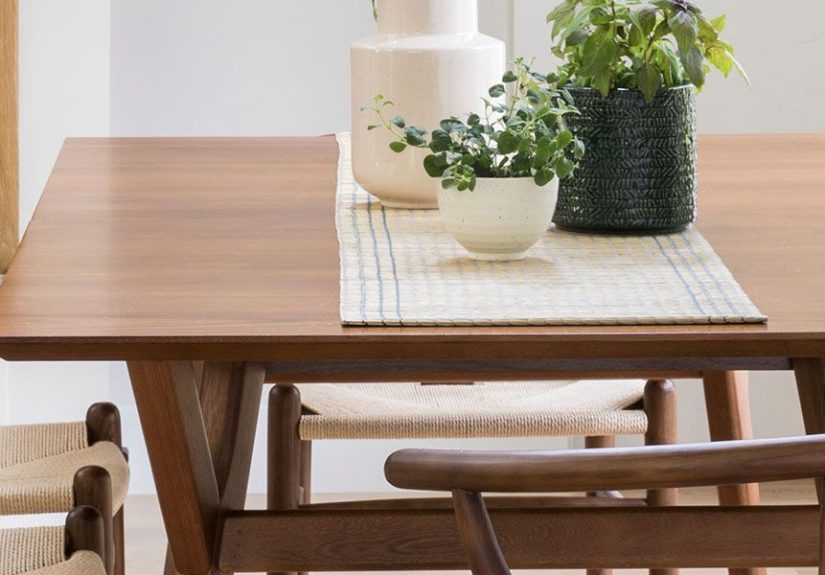
- Centerpieces and Everyday Table Styling
- Smart Storage: Buffets, Bar Carts, and Built-Ins
- Small Dining Room and Dining Nook Ideas
- Common Dining Room Decorating Mistakes to Avoid
- Bringing It All Together
- Real-Life Experiences: What Actually Works in Dining Room Design
Why Your Dining Room Deserves More Love
The dining room is where birthday cakes are sliced, awkward first-in-law dinners are survived,
and your “secret” takeout nights are served on real plates. Yet for many homes, it’s either
a glorified storage room or a bland space with a table, some chairs, and not much personality.
The good news? With a few smart decorating and design ideas, you can transform this room from
“formal and forgotten” into the most inviting space in the house.
Designers consistently focus on a few key elements when planning dining room decor: a
well-scaled table and chairs, layered lighting, a rug that actually fits, and thoughtful
wall and tabletop styling. Add in the right color palette and some clever storage, and your
dining room can handle everything from casual weeknight meals to big holiday gatherings
without breaking a sweat.
Start with the Layout: Size, Shape, and Flow
Before you order that gorgeous table you saw on Instagram, measure your room. A comfortable
dining layout leaves at least 36 inches of clearance between the table edge and the wall or
furniture so people can move around without shimmying sideways. In smaller rooms, you can
sometimes get away with about 30 inches, but less than that will feel cramped.
The shape of your table should work with the room. Rectangular rooms usually look best with
rectangular or oval tables, while square rooms feel balanced with round or square tables.
Designers often recommend round tables for small dining rooms or open-concept spaces because
they soften corners and make it easier to squeeze in an extra chair when needed.
Think about the traffic pattern, too. If your dining room sits between the kitchen and the
backyard, choose furniture with slimmer profiles and open backs so the space doesn’t feel
like an obstacle course. Benches or banquette seating along one wall can save floor space
while still offering plenty of seating.
Choosing the Right Dining Table and Chairs
Your table is the star of the show, so invest in a style that fits your life. If you host big
family dinners, look for extendable tables that can stretch on holidays but stay compact most
of the year. For everyday use in a smaller home, a round pedestal table is a workhorse:
it fits more people than you’d expect and keeps legs out of the way.
Chairs should be comfortable enough that people want to linger after dessert. Mix upholstered
host chairs at the ends with simpler wood or metal side chairs for a designer look that
doesn’t feel too matchy-matchy. To keep a small dining room feeling open, choose chairs with
slender legs and open backs, which visually take up less space.
Don’t be afraid of mixing materials. A rustic wood table surrounded by sleek black chairs,
or a marble-topped table with woven seats, instantly adds depth and interest to your dining
room design.
Lighting: Set the Mood from Above
If there’s one place to splurge on a statement light fixture, it’s the dining room. A
chandelier or pendant is not just a source of light; it’s the visual exclamation point of the
space.
Most lighting pros suggest hanging the bottom of the chandelier about 30–36 inches above the
tabletop for an 8-foot ceiling, then raising it roughly 3 inches for every additional foot of
ceiling height. This height keeps sightlines clear, prevents head bumps, and still makes the
fixture feel connected to the table.
As for size, a common guideline is to choose a fixture whose diameter is about half to
three-quarters the width of the table. Large rooms can handle bolder fixtures; smaller
rooms may look better with a more streamlined pendant or a row of smaller lights instead.
Don’t stop at the chandelier. Layered lighting makes a huge difference in the mood of your
dining room. Add wall sconces, a floor lamp in the corner, or a pair of buffet lamps on a
sideboard so you can switch between bright and functional or soft and candlelit. A dimmer
switch is non-negotiable if you want the room to feel cozy and flattering.
Color Palettes: Calm Neutrals vs. Bold Statements
Color sets the tone for the entire room. Neutral dining rooms in soft whites, warm beiges,
and gentle grays feel timeless and are easy to dress up with seasonal decor. They’re also
forgiving if your dining room connects to a kitchen or living area where you already have
a lot going on.
If you love drama, the dining room is one of the safest places to go bold. Deep navy, rich
emerald, charcoal, or even a moody plum on the walls can make the room feel intimate and
special, especially at night. Pair darker walls with lighter trim, reflective surfaces, and
warm lighting so the space feels cozy rather than cave-like.
For small dining rooms, designers often recommend tonal or monochromatic palettesdifferent
shades of one colorto visually expand the space and blur hard boundaries. A soft, layered
color story can make even a tiny dining nook feel quietly luxurious.
Rugs: The Unsung Hero of Dining Room Design
A rug instantly makes a dining space feel grounded and finished, especially in open floor
plans. The biggest mistake people make is buying a rug that’s too small. To avoid the “tiny
island” look, choose a rug that extends at least 24 inches beyond all sides of the table so
chairs stay on the rug even when they’re pulled out. In many rooms, that means adding about
4 feet to both the length and width of your table measurements.
Standard dining rug sizes include 8′ x 10′ for a typical six-chair table and 9′ x 12′ for
larger tables. If you have a round table, a round rug can echo the shape and soften angles,
but a large rectangular rug can also work nicely as long as the proportions feel balanced.
Look for flatweave or low-pile rugs that are easier to clean, and consider indoor–outdoor
rugs if you have kids, pets, or a tendency to fling spaghetti.
Walls, Art, and Architectural Details
Dining room walls are prime real estate for personality. Large-scale art can be incredibly
striking hereone big piece above a buffet or on the main wall is often more impactful than
a cluttered gallery. If you prefer a collected look, create a symmetrical arrangement of
framed prints or photos for a more formal vibe, or a looser gallery wall for casual charm.
Wallpaper is another powerful tool. From soft grasscloth to bold florals and geometric
patterns, a well-chosen wallcovering can turn even a simple room into a showstopper.
Architectural Digest and other design publications frequently showcase dining rooms with
dramatic wall treatments, from paneled wainscoting to painted ceilings, that instantly make
the room feel custom.
If your dining room is open to other spaces, repeat a color or material from nearby rooms so
everything feels cohesive. That might be the same wood tone as your kitchen cabinets, or a
metal finish echoed in your lighting and hardware.
Centerpieces and Everyday Table Styling
The dining table centerpiece doesn’t have to be complicatedor permanently covered in
oversized vases that you have to move every time you set the table. For everyday life,
keep it simple: a long tray with a few candlesticks, a low bowl of fruit, or a small cluster
of bud vases is easy to slide aside when needed.
For special occasions, layer in fresh flowers, seasonal greenery, or a runner that adds
texture and color. Just keep centerpieces low enough that guests can see each other across
the table. If you’re using tall candles or branches, cluster them so they don’t block
every line of sight.
A quick styling trick: repeat materials. If your chandelier has brass accents, echo that
metal in your candleholders or napkin rings. If your rug is jute, add woven chargers or a
rattan tray. Repetition makes the whole room feel intentional and pulled together.
Smart Storage: Buffets, Bar Carts, and Built-Ins
Storage might not be glamorous, but it’s crucial if you want your dining room decor to
actually function. A buffet, sideboard, or console offers a perfect landing spot for serving
dishes, stacks of plates, and extra glassware. It also gives you another surface to style
with lamps, art, and decor.
In smaller spaces, a slim sideboard or floating credenza can provide storage without eating
up too much floor area. Bar carts are another flexible option; they store bottles and
glassware day-to-day, then roll wherever you need them when entertaining. Recent decorating
guides highlight bar carts and multifunctional storage pieces as easy ways to add both style
and practicality to dining rooms.
If you’re lucky enough to have built-ins, treat them like display cabinets rather than
overstuffed closets. Mix everyday dinnerware with a few special pieces, and leave some empty
space so your shelves don’t feel chaotic.
Small Dining Room and Dining Nook Ideas
No formal dining room? No problem. Designers are increasingly creating dining zones inside
kitchens, living rooms, or along unused walls. A banquettebuilt-in or freestandingpaired
with a round table is one of the most space-savvy solutions. The bench can sit right against
the wall, and you can usually fit more people on a bench than in individual chairs.
For truly tiny spaces, look for a drop-leaf table that can tuck against the wall most of
the time, then expand for guests. Use armless chairs that tuck fully under the table, and
opt for light colors and reflective surfacesmirrors, glass, and metallic accentsto bounce
light around and make the area feel bigger.
Keep decor edited in a small dining room. One striking piece of art, a simple pendant, and a
rug that defines the zone are often all you need. Too many tiny accessories will just make
the room feel cluttered.
Common Dining Room Decorating Mistakes to Avoid
- Rug too small: If chair legs fall off the rug when you pull them out, it’s time to size up.
- Lighting too high or too low: Aim for that 30–36 inch range above the table, then adjust for ceiling height and fixture size.
- All matching everything: A perfectly matched dining set can feel flat. Mix chair styles, finishes, or textiles for more personality.
- Ignoring comfort: Beautiful but uncomfortable chairs will send guests to the sofa as soon as dinner ends.
- Cluttered surfaces: Leave some breathing room on the table, buffet, and walls so your favorite pieces can stand out.
Bringing It All Together
A well-designed dining room isn’t about replicating a showroom; it’s about creating a space
where people actually want to spend time. Start with good bonesright-sized furniture,
proper lighting, and a rug that fitsthen layer in color, texture, art, and storage that
matches your lifestyle.
Whether your style leans modern and minimal, traditional and tailored, or eclectic and
collected, these dining room decorating ideas give you a framework you can adapt. Once
everything is in place, light the candles, dim the chandelier, and enjoy the best part of
design: using the room with the people you love.
Real-Life Experiences: What Actually Works in Dining Room Design
When you talk to people who’ve lived with their dining rooms for a few years, certain themes
pop up again and againand they don’t always match what looks perfect in photos.
One common realization is that comfort matters more than almost anything else. Many
homeowners start with sleek, minimal chairs that photograph beautifully, only to discover
that no one wants to linger because the seats are too hard or the backs are too upright.
Swapping in cushioned, slightly wider chairs often transforms the way the room is used. Long
conversations, board games, and slow weekend breakfasts suddenly become the norm instead of
everyone scattering after the last bite.
Another frequent lesson is about maintenance. That delicate vintage rug might be gorgeous,
but if every spill turns into a minor heart attack, the room becomes stressful instead of
relaxing. People who entertain often (especially families with kids) tend to gravitate
toward flatweave, indoor–outdoor, or patterned rugs that hide crumbs and wipe clean easily.
The same goes for fabrics: performance upholstery, slipcovered chairs, and wipeable table
surfaces can make the difference between a showpiece room and one you actually use daily.
Lighting is another area where real life teaches you quickly. A dramatic chandelier with
exposed bulbs might look fantastic at full brightnessbut no one enjoys eating under harsh,
spotlight-style lighting. Homeowners who are happiest with their dining rooms almost always
mention dimmers and layered light sources as game changers. Being able to shift from bright
light for homework or crafting to soft, candle-like glow for dinner makes the same room feel
completely different.
People also learn that flexibility is key. An extendable table, extra stackable chairs, or a
bench that can slide against the wall when not in use helps your dining room flex between
everyday life and special occasions. A sideboard with deep drawers for linens and serving
pieces makes setting the table easier, which means you’re more likely to use the room often
instead of saving it for holidays.
Finally, there’s the emotional side of design. The most memorable dining rooms tend to have
at least one personal, slightly imperfect element: a framed recipe from a grandparent, a
thrifted light fixture you rewired yourself, mismatched plates collected over time, or a
wall of family photos. These details tell stories, spark conversation, and remind everyone
that the room is meant for real lifenot just for looking pretty on a screen.
When you combine practical lessonscomfortable seating, manageable materials, flexible
furniturewith these personal touches, your dining room becomes more than a decorated
space. It becomes a backdrop for your everyday rituals and your favorite memories, the place
where design and real life finally meet.