Table of Contents >> Show >> Hide
- Why People Look for Coffee Alternatives (It’s Not Just “I Don’t Like Coffee”)
- The Coffee Alternative Spectrum (Because “Alternative” Doesn’t Always Mean Caffeine-Free)
- Caffeinated Coffee Alternatives That Still Bring the “Get Stuff Done” Vibe
- Low-Caffeine Swaps for People Who Want to “Dial It Down,” Not Quit
- Caffeine-Free Coffee Alternatives That Nail the Roasty “Morning Mug” Feeling
- Comfort-First Drinks That Replace Coffee’s Ritual (Even If They Don’t Taste Like It)
- How to Choose the Best Coffee Alternative for You
- Make the Switch Without Feeling Like You’re Punishing Yourself
- Five Easy Coffee Alternative Recipes You Can Actually Keep Doing
- Common Pitfalls (So Your “Healthy Swap” Doesn’t Become a Sugar Side Hustle)
- Experiences: A Week of Coffee Alternatives (What It Actually Felt Like)
- Conclusion: You Don’t Have to Quit Coffee to Win
Coffee is a beautiful daily ritual: the warm mug, the familiar aroma, the feeling that your brain has finally
agreed to load the “adult responsibilities” plug-in. But sometimes coffee also comes with… side quests:
jittery hands, mid-morning crashes, heartburn, or the classic “Why am I wide awake at 2:17 a.m. thinking
about a thing I said in seventh grade?”
If you’re curious about swapping your cup (even part-time), you’re not betraying coffee. Think of it as
an open relationship with your caffeine. Coffee alternatives can keep the comfort, the routine, and even
the energywhile dialing down the stuff you don’t love. This guide breaks down the best coffee substitutes,
how they actually feel in real life, and how to pick one that fits your taste buds and your schedule.
Why People Look for Coffee Alternatives (It’s Not Just “I Don’t Like Coffee”)
1) You want energy without the jitters
Coffee hits fast. For some people that’s the whole point; for others it’s like giving a marching band
espresso and asking them to practice in your chest. Alternatives like tea or matcha can feel steadier,
especially when paired with food.
2) You’re protecting your sleep (or trying to)
Caffeine can stick around longer than your confidence after you send a risky text. If you’re sensitive,
even a “harmless” afternoon coffee can sabotage bedtime. Swapping to lower-caffeine or caffeine-free options
can help you keep a warm drink habit without turning your night into an unsolicited all-nighter.
3) You’re watching your total caffeine load
Many health sources note that up to about 400 mg of caffeine per day is generally not associated with negative
effects for most healthy adults, but sensitivity varies widely. If you’re stacking coffee with tea, soda,
chocolate, or certain medications, the numbers add up quickly.
For kids and teens, the guidance is stricter. The American Academy of Pediatrics generally recommends avoiding
caffeine for children, and pediatric experts often urge keeping teen caffeine low and skipping energy drinks
entirely. If you’re a teen, treat caffeine as “optional,” not “required,” and talk with a parent/guardian or
clinician if you’re unsure.
4) Your stomach is filing complaints
Coffee can be rough on reflux-prone stomachs. People often find that switching to low-acid, caffeine-free,
or herbal drinks reduces discomfortwithout giving up the morning “hot beverage moment.”
5) You still want the ritual
For a lot of us, coffee isn’t just caffeine. It’s a pause button. Coffee alternatives can keep the ritual alive:
steep, stir, sip, breathe, repeat. (The real wellness plan was the mug we held along the way.)
The Coffee Alternative Spectrum (Because “Alternative” Doesn’t Always Mean Caffeine-Free)
Let’s clear up the biggest misconception: coffee alternatives come in multiple “energy levels.”
Some are caffeinated (tea, matcha, yerba mate). Some are naturally caffeine-free (chicory, roasted barley,
many herbal teas). The best pick depends on what you want:
coffee taste, coffee energy, or coffee ritual.
Caffeinated Coffee Alternatives That Still Bring the “Get Stuff Done” Vibe
Black tea (English breakfast, Assam, or a bold blend)
If you like coffee because it tastes “grown-up” (translation: roasty, bitter, serious), black tea can be a
smooth transition. It’s caffeinated, but typically less than coffee, and the flavor has enough structure to
feel satisfyingespecially with milk.
Try it if: you want a familiar “morning beverage with backbone” that’s often gentler than coffee.
Upgrade move: steep two tea bags for a stronger cup, then add a splash of milk and cinnamon.
Matcha (the calm-alert cousin of coffee)
Matcha is green tea in powdered form, whisked into water or milk. It contains caffeine, but many people describe
the energy as smoother, especially when matcha is paired with food and used in reasonable amounts. If coffee
makes you feel like you just joined a very intense drumline, matcha can feel more like a focused playlist.
Try it if: you want caffeine plus a “steady” feel and a fun ritual (whisking is oddly satisfying).
Watch out for: sugary matcha lattes that are basically dessert with good PR.
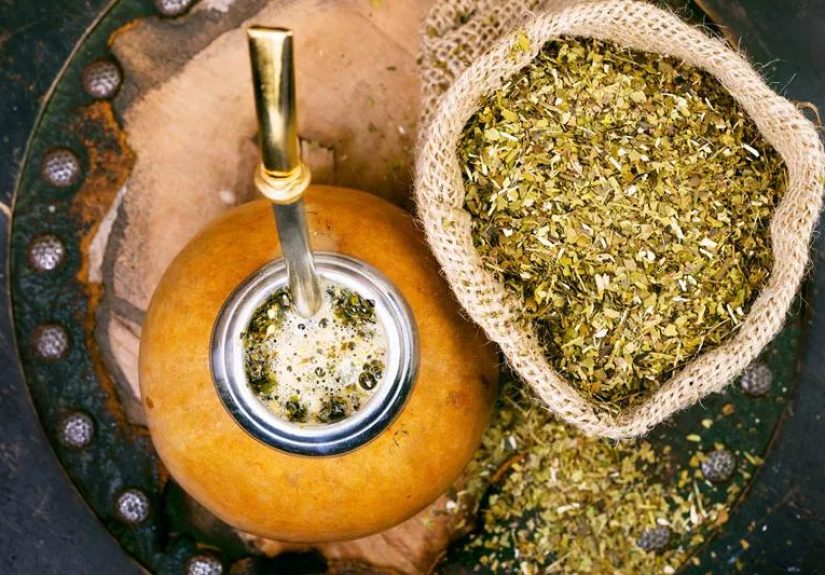
Yerba mate (robust, herbal, and not shy)
Yerba mate is a traditional South American tea that can deliver a caffeine level comparable to coffee depending
on how it’s brewed. Some people love it as a coffee replacement because it feels energizing without tasting like
“coffee’s sad decaf cousin.”
Try it if: you want coffee-like energy but a different flavor profile.
Be smart about it: if you’re sensitive to caffeine, start small; and avoid drinking any very hot
beverages at scalding temperaturesyour mouth and throat deserve better.
Chai (spiced tea that feels like a hug with ambition)
Traditional chai uses black tea plus spices like cinnamon, cardamom, ginger, and cloves. You get gentle caffeine,
plus spices that make the whole drink feel comforting and “special,” even on a Tuesday.
Try it if: you crave a cozy drink with flavor complexity.
Watch out for: bottled chai concentrates with lots of added sugar.
Low-Caffeine Swaps for People Who Want to “Dial It Down,” Not Quit
Half-caf (or mixing coffee with an alternative)
If you’re not ready to break up with coffee, don’t. Just negotiate.
A half-caf approachone regular coffee, one lower-caffeine drinkcan reduce jitters and help sleep without
feeling like you lost your whole personality.
Tea-first mornings
A sneaky strategy: start with tea (black or green) and save coffee for later, if you still want it.
Many people notice fewer spikes and crashes when they don’t begin the day with the strongest stimulant in the house.
Caffeine-Free Coffee Alternatives That Nail the Roasty “Morning Mug” Feeling
Chicory “coffee” (the coffee alternative with real history)
Chicory root, roasted and brewed, is one of the most coffee-like caffeine-free options out there. It has a deep,
toasty flavor and is famously used in New Orleans-style blends. The big headline: it doesn’t naturally contain
caffeine, making it a popular choice for people cutting back.
Why try it: you get a dark, roasted vibe without the caffeine buzz.
How it tastes: earthy, slightly sweet, and pleasantly bitterlike coffee’s mellow friend who
doesn’t yell at you for being five minutes late.
Roasted dandelion root tea (surprisingly coffee-adjacent)
Roasted dandelion root brews into a dark, toasty drink that can feel “coffee-ish,” especially with milk.
Evidence for specific health claims is mixed, and it can interact with some medications, so think of this one as
a flavor-forward alternative rather than a magic potion.
Why try it: it scratches the “roasted mug” itch without caffeine.
Be cautious if: you have allergies to related plants or take medications that could interact with herbal products.
Roasted barley tea (mugicha) and grain-based brews
Barley tea (often served iced in some cultures, but great hot too) is made by steeping roasted barley.
It’s naturally caffeine-free, tastes toasted and nutty, and is an easy “all-day” drink.
If you’re gluten-sensitive, note that barley contains gluten.
Why try it: gentle, affordable, and weirdly refreshing hot or iced.
Flavor tip: steep longer for a darker, more robust cup.
Herbal teas that feel like a “moment,” not a compromise
Peppermint, chamomile, rooibos, and hibiscus can all replace the ritual of coffeeespecially later in the day.
Rooibos, in particular, is naturally caffeine-free and has a naturally sweet, warm flavor that works beautifully
as a “latte.”
Why try it: your evening mug can be soothing instead of stimulating.
Bonus: herbal teas can help you stay hydrated when coffee makes you forget water exists.
Comfort-First Drinks That Replace Coffee’s Ritual (Even If They Don’t Taste Like It)
Golden milk (turmeric latte)
Golden milk is typically warm milk (or a plant milk) blended with turmeric, black pepper, ginger, cinnamon,
and sometimes vanilla or honey. It’s cozy, caffeine-free, and feels like a bedtime story in beverage form.
Turmeric is generally considered safe in typical food amounts, but high-dose supplements can cause side effects
for some peopleso keep it culinary unless a clinician advises otherwise.
Why try it: it’s a relaxing, non-caffeinated way to keep your “special drink” habit.
Unsweetened cacao drinks (the “adult hot chocolate” approach)
Cocoa powder contains flavonoids and antioxidants, and unsweetened cacao mixed into warm milk can feel indulgent
without being a sugar avalanche. Keep it simple: cocoa + milk + pinch of salt + cinnamon. If you want sweetness,
add a little, not a landslide.
Why try it: chocolatey comfort with a more nutrition-forward profile than many store-bought cocoas.
Watch out for: ultra-sugary mixes that turn your “coffee replacement” into a candy bar with a straw.
“Mushroom coffee” blends (trend with a useful angle)
Mushroom coffee usually means a blend of coffee (often less of it) plus extracts from mushrooms like lion’s mane
or reishi. The practical benefit is often simple: less caffeine while still tasting coffee-adjacent.
Health claims vary and evidence is still evolving, so treat this as an experiment, not a guarantee.
Why try it: you want “coffee flavor” with a smaller caffeine kick.
Smart move: choose reputable brands, and avoid it if you’re sensitive to supplements or have medical conditions that require caution.
How to Choose the Best Coffee Alternative for You
Here’s a quick, practical way to pickno personality quiz required:
- You want caffeine, but less intensity: black tea, chai, or a small matcha.
- You want caffeine similar to coffee: yerba mate (start mild and see how you feel).
- You want “coffee vibes” without caffeine: chicory, roasted dandelion root, or roasted barley tea.
- You want a cozy evening ritual: rooibos latte, chamomile, or golden milk.
- You want “treat energy” without chaos: unsweetened cacao with milk (go easy on sugar).
Make the Switch Without Feeling Like You’re Punishing Yourself
Start with a “one-cup rule,” not an identity crisis
Replace just one coffee per dayoften the afternoon cup is the easiest win for sleep.
Keep your morning coffee if you love it. This is about feeling better, not winning a trophy.
Keep the ritual: same mug, same moment
The brain loves habits. If you always drink coffee while journaling or reading the news, keep that exact routine.
Just switch what’s inside the mug. (Your brain is surprisingly easy to bribe.)
Pair caffeine with food
Many people find caffeine feels smoother when they’re not drinking it on an empty stomach. A small breakfast or
snack can reduce the “rocket launch” effect.
Five Easy Coffee Alternative Recipes You Can Actually Keep Doing
1) Chicory “latte” (caffeine-free, coffee-ish)
- Brew chicory like coffee (French press or drip-style steeping).
- Warm milk (or oat milk) and froth if you feel fancy.
- Add a pinch of cinnamon and a tiny drizzle of maple syrup if desired.
2) Iced black tea “cold brew” (simple and refreshing)
- Steep black tea, let it cool, and pour over ice.
- Add lemon or a splash of milk.
- Sweeten lightlyif at all.
3) Matcha starter cup (no bitter surprises)
- Sift 1/2 to 1 teaspoon matcha into a mug.
- Add a small amount of warm (not boiling) water and whisk until smooth.
- Top with warm milk. Taste. Adjust. Celebrate your new tiny whisk hobby.
4) Golden milk (the “I’m winding down” drink)
- Warm milk of choice.
- Stir in 1/2 teaspoon turmeric, pinch of black pepper, cinnamon, and ginger.
- Add vanilla or a small amount of honey if you want it sweeter.
5) Unsweetened cacao comfort cup
- Warm milk of choice.
- Whisk in 1 tablespoon unsweetened cocoa powder.
- Add a pinch of salt and cinnamon. Sweeten lightly if needed.
Common Pitfalls (So Your “Healthy Swap” Doesn’t Become a Sugar Side Hustle)
Turning every drink into dessert
Many coffee alternatives are healthiest when they’re not buried under syrups, whipped cream, and “just a little”
caramel drizzle that turns into a full-on caramel monologue. Keep sweetness intentional and modest.
Accidentally increasing your caffeine
Some alternatives (hello, strong yerba mate) can match coffee’s caffeine depending on brewing.
If your goal is less caffeine, measure, start small, and pay attention to sleep quality.
Replacing coffee with energy drinks (please don’t)
Energy drinks can deliver high caffeine and other stimulants. Pediatric experts strongly discourage them for kids
and teens. If you need energy, start with sleep, hydration, food, and a reasonable caffeine strategynot a can
that tastes like neon.
Experiences: A Week of Coffee Alternatives (What It Actually Felt Like)
Day 1 started with confidence and ended with me staring at my coffee maker like it had personally betrayed me.
I swapped my usual morning coffee for black tea, telling myself I was being “balanced.” The tea was nicewarm,
familiar, slightly bitterand I didn’t miss coffee as much as I expected. The surprise was the lack of a hard
caffeine “punch.” Instead of blasting off, I sort of… gently rolled onto the runway. Not dramatic, but also:
no shaky hands. That alone felt like progress.
On Day 2, I tried matcha. The whisking made me feel like I had my life together for approximately three minutes,
which is honestly worth the price of entry. The energy was smoother, and the biggest win was focusI wasn’t
bouncing between tasks like a browser with 47 tabs open. The biggest fail was my first attempt tasting like
lawn clippings. The fix: less powder, better whisking, and milk. Suddenly it was “earthy and elegant” instead of
“I lost a bet with a plant.”
Day 3 was chicory. I expected “sad decaf,” but chicory surprised me with a roasted flavor that actually scratched
the coffee itch. It didn’t give me that caffeinated confidence, but it did give me the ritual: mug, warmth,
something dark and toasty to sip while I pretended to enjoy emails. I added cinnamon and a splash of oat milk and
it felt like a real drink, not a consolation prize.
Day 4 was yerba mate, and I learned an important lesson: some “alternatives” are not here to play. I brewed it
too strong and got the exact thing I was trying to avoid: the jitters. The next day I tried again with a shorter
steep time, and it was much betterenergizing without the full-body “too much” signal. That was the pattern for
the week: the drink matters, but the dose matters more.
Day 6 and 7 were about the “late-day mug.” That’s where golden milk and rooibos really shined. Coffee in the
afternoon always felt like a gamble with my sleep, but a warm, caffeine-free drink felt like a reward that didn’t
come with consequences. Golden milk was cozy and calming; rooibos with milk tasted naturally sweet and comforting,
like a hug in beverage form. By the end of the week, the biggest surprise wasn’t that I “quit coffee.” It was that
I stopped needing coffee to feel like myself. I still like coffee, but now it’s a choice, not a requirementand
that’s a wildly underrated upgrade.
Conclusion: You Don’t Have to Quit Coffee to Win
Coffee alternatives aren’t about declaring coffee the villain. They’re about giving yourself options. Whether you
want less caffeine, better sleep, a calmer stomach, or just a new flavor adventure, there’s a coffee substitute
that can fit your day. Start small, keep the ritual, and pick the alternative that matches your goalenergy,
comfort, or a little of both.