Table of Contents >> Show >> Hide
- Why Cleaning Your Grill Matters (Beyond “It Looks Gross”)
- Before You Start: Quick Safety + Tool Checklist
- The 2-Minute After-Cook Routine (Do This Every Time)
- Deep Cleaning: Step-by-Step for Every Grill Type
- Cleaning Grill Grates the Right Way (Material Matters)
- Natural Cleaners vs. Degreasers: What Works Best?
- What Not to Do (Grill Cleaning Mistakes That Cause Problems)
- Troubleshooting: Common Grill Problems and the Cleaning Fix
- A Simple Grill Cleaning Schedule (So You Never Panic-Clean Again)
- : Real-World Experiences and Lessons from Grill Owners
- Final Takeaway
A clean grill is the difference between “backyard hero” and “why do my burgers taste like last month’s salmon?” If you’ve ever lifted the lid and met a
confetti parade of flakes, grease, and mysterious crumbs, you’re not alone. The good news: cleaning a grill isn’t hardit’s just easy to ignore until it’s
suddenly very, very visible.
This BBQ grill cleaning guide walks you through fast after-cook upkeep, deep-clean steps for gas, charcoal, and pellet grills, and the small habits that
keep grime from becoming a personality trait. You’ll also get practical “what not to do” warnings, plus real-world lessons from grill owners at the end.
Why Cleaning Your Grill Matters (Beyond “It Looks Gross”)
- Better flavor: Old grease and carbon can make food taste bitter or “smoky” in the wrong way.
- More consistent heat: Blocked burners, clogged vents, and ash buildup make temperatures swing.
- Fewer flare-ups: Grease in trays and the firebox is flare-up fuel. Cleaning helps reduce surprise fireballs.
- Longer grill life: Grease attracts moisture; moisture invites rust; rust invites new-grill shopping.
- Less sticking: Clean, hot grates with a light oil wipe act more nonstick and tear less food.
Before You Start: Quick Safety + Tool Checklist
Safety first (because grills are not desk lamps)
- Turn everything off. For gas grills, shut off burners and close the propane tank valve (or turn off the natural gas supply).
- Let the grill cool before disassembling or using liquidswarm is fine for scraping grates; “volcano hot” is not.
- Work outside or in a well-ventilated area. Cleaners and grease fumes are not aromatherapy.
- Wear heat-resistant gloves if you’re cleaning while the grill is warm.
-
Skip wire-bristle brushes unless you’re extremely careful. Bristles can break off, stick to grates, and end up in food. Bristle-free tools, nylon brushes,
or foil-on-tongs are safer options.
Tools that make this 10x easier
- Bristle-free grill brush (coil-style) or a nylon brush (use nylon only on a cooler grate)
- Grill scraper or wooden scraper
- Heavy-duty tongs (for holding foil or paper towels)
- Dish soap + warm water + non-scratch sponge
- White vinegar + baking soda (cheap, effective for deep-clean soaking)
- Microfiber cloths or paper towels
- Degreaser labeled grill-safe (optional, great for neglected grills)
- Trash bag (the surprisingly excellent “soaking chamber” for grates)
- Shop vacuum (especially for pellet grills and charcoal ash)
- Stainless steel cleaner (optional, for the outside-only glow-up)
The 2-Minute After-Cook Routine (Do This Every Time)
The secret to “easy grill cleaning” is not a magical sprayit’s tiny cleanups that stop buildup from becoming a weekend project. Here’s a routine you can
do while everyone else is still arguing about whether ribs count as a vegetable.
- Burn off: Close the lid and run the grill hot for 10–15 minutes after cooking (or at least until residue looks dry and ashy).
- Brush or scrape: Use a bristle-free brush or scraper while the grates are warm. For a quick hack, use a ball of foil held with tongs.
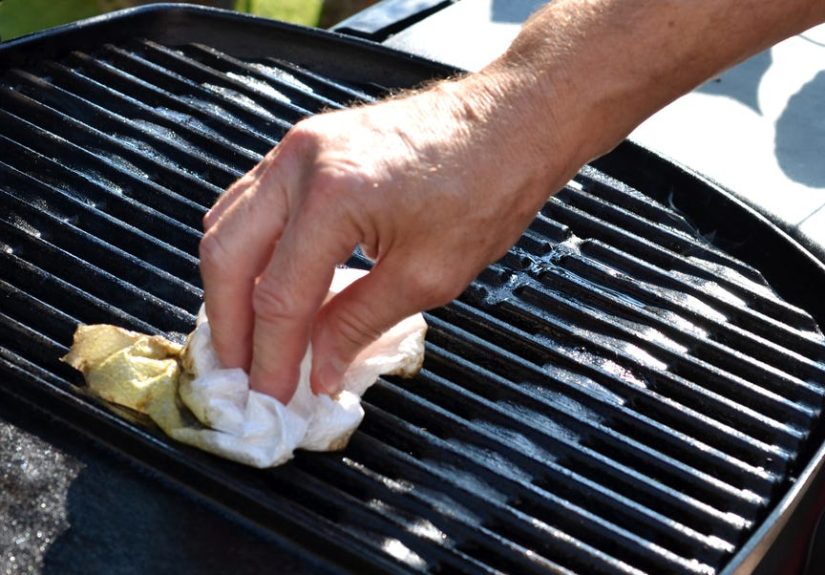
- Light oil wipe: Once the grate is clean and still warm, wipe with a tiny bit of high-heat oil on a folded paper towel held with tongs.
- Empty the “gross stuff”: Dump charcoal ash (when fully cool) or check the grease tray/drip pan on gas and pellet grills.
If you only do one thing from this guide, do this routine. It keeps grill grates from turning into a sticky crime scene and reduces deep-clean frequency.
Deep Cleaning: Step-by-Step for Every Grill Type
Deep cleaning a grill is basically “reset to factory-ish settings.” Most people only need this once or twice per season, or every few months if grilling is
a lifestyle.
How to deep clean a gas grill
-
Shut off fuel and cool down: Turn burners off. Close the propane tank valve and disconnect the tank (or turn off the natural gas supply).
Let the grill cool. - Remove parts: Take out grates, flavorizer bars/heat tents, and any removable trays.
-
Soak and wash: Soak grates and metal heat components in warm, soapy water. For heavy grease, use a grill-safe degreaser or a vinegar +
baking soda soak (more on that below). -
Clean the firebox: Use a plastic scraper to push debris and greasy bits toward the bottom. Scoop it into a disposable container or trash bag.
Wipe with soapy water on a cloth or sponge. -
Clean burners carefully: Brush burners with a dry brush (or a soft brush) to remove debris. Avoid soaking burners in water; they must be
completely dry before ignition. Check burner ports for clogs. - Grease tray/drip pan: Remove, scrape, wash with hot soapy water, rinse, and dry.
-
Exterior wipe-down: Mild soap and water for most finishes. For stainless steel exteriors, follow grain direction and finish with a stainless
cleaner if you want the “new grill flex.” - Reassemble and heat: Put everything back. Run the grill on high for 10–15 minutes to dry and burn off any remaining cleaner residue.
How to deep clean a charcoal grill
- Cool completely: Ash can stay hot longer than you think. Wait until everything is fully cool.
- Remove ash: Scoop it out or vacuum it (ash-rated or shop vac). Ash left inside traps moisture and encourages rust.
- Clean grates: Brush warm grates after a cook, but for deep cleaning, wash grates with warm soapy water and scrub with a non-scratch pad.
- Scrape the bowl and lid: Use a plastic scraper on the inside to remove flaky carbon. (That black “peel” is mostly carbon and smoke residue.)
- Check vents: Make sure vents move freely and aren’t clogged with grease or ash dust.
- Dry everything: Wipe and air-dry before closing the lid to reduce rust.
How to deep clean a pellet grill
Pellet grills are amazing… and also professional-grade crumb collectors. Grease + ash is the duo you don’t want hanging out together.
- Power down: Turn off, unplug, and cool completely.
- Remove cooking parts: Take out grates, drip tray, and heat baffle/deflector.
- Vacuum ash: Use a shop vac to remove ash from the firepot and bottom of the barrel (follow your manual’s guidance).
- Wash the drip tray: Warm soapy water works. For tougher buildup, use a baking soda paste or a grill-safe cleaner.
- Clean the grease path: Inspect the grease chute/channel and the bucket/cup. Remove buildup so grease can flow properly.
- Wipe the inside: A damp cloth and mild soap for surfaces; avoid soaking electrical components.
- Reassemble and preheat: Put everything back and run a short preheat to ensure airflow is normal.
Cleaning Grill Grates the Right Way (Material Matters)
“Grill grates” sounds like one thing, but the right grill grate cleaning method depends on what they’re made of. Treat porcelain like cast iron and you’ll
learn the true meaning of regret.
Stainless steel grates
- Best for: Scraping and scrubbing. Stainless can handle a little more elbow grease.
- Deep clean: Soak in warm soapy water or vinegar + baking soda; scrub with a non-scratch pad.
- Prevent sticking: Preheat, clean, then oil lightly.
Porcelain-coated grates
- Be gentle: Porcelain can chip. Avoid aggressive metal scraping that could damage the coating.
- Use: Nylon brush (once cooler), soft pads, and mild cleaners.
- Tip: If food is stuck, heat the grill briefly to loosen residue, then clean.
Cast iron grates
- Don’t soak forever: Cast iron can rust if left wet too long.
- Scrape, wipe, and dry thoroughly.
- Re-season: Wipe with a thin layer of oil after cleaning to maintain seasoning and reduce rust.
Natural Cleaners vs. Degreasers: What Works Best?
Vinegar + baking soda (the budget-friendly deep clean)
This combo is popular because it’s cheap, accessible, and effective for breaking up gunk. You can use it as a paste or as a soak.
- Overnight soak method: Place grates in a large trash bag, add a vinegar + baking soda mixture, seal it, and let it sit overnight.
- Paste method: Make a thick baking soda paste, spread it on the grate, then spray vinegar to fizz and loosen residue before scrubbing.
Grill-safe degreasers (the “I waited too long” option)
Degreasers can be a lifesaver for neglected grease trays and fireboxes. The key is to use products labeled as safe for grills or food-contact surfaces,
follow directions, and rinse thoroughly. If your cleaner smells like it belongs in an auto shop, treat it like a toolnot a marinade.
What Not to Do (Grill Cleaning Mistakes That Cause Problems)
- Don’t ignore the grease tray: That’s where flare-ups are born. Clean or replace liners regularly.
- Don’t soak burners in water: Burners need to be completely dry before use, and water can cause clogs or corrosion.
- Don’t use harsh oven cleaners unless your manufacturer explicitly allows itmany finishes and coatings don’t love caustic chemicals.
- Don’t use wire-bristle brushes casually: If bristles break off, they can stick to grates and become a serious hazard in food.
- Don’t close the lid on a wet grill: Moisture encourages rust and funky smells.
- Don’t “foil-wrap everything”: Foil can block airflow and change how grease drains, depending on your grill design.
Troubleshooting: Common Grill Problems and the Cleaning Fix
“My food sticks every time.”
This is usually a three-part issue: grates aren’t hot enough, grates aren’t clean enough, or you’re missing a light oil wipe. Example: If chicken tears when
you flip it, preheat longer (give it time to fully heat), brush after preheating, then wipe with a small amount of oil.
“I keep getting big flare-ups.”
Flare-ups often point to grease buildup below the gratesespecially in drip pans, grease trays, or the firebox. Deep clean those areas, trim excess fat on
foods, and cook high-fat items over indirect heat when possible.
“My grill smells weird before I even cook.”
Old grease and carbon can smell rancid when reheated. Clean the inside lid (scrape flaky residue), wash grates, and do a high-heat burn-off after
reassembly.
“I’m seeing rust.”
Surface rust on grates can often be scrubbed off. After cleaning, dry thoroughly and apply a thin oil coat. Then store the grill covered and keep ash and
moisture out of the cook box.
A Simple Grill Cleaning Schedule (So You Never Panic-Clean Again)
- After every cook: Burn off, brush/scrape, light oil wipe, empty grease bucket/cup if needed.
- Every 3–5 cooks: Check and clean grease tray/drip pan; wipe the outside.
- Monthly (or mid-season): Deep clean grates and heat plates; scrape the firebox; inspect burners/vents.
- Once or twice per grilling season: Full deep clean (especially if you grill weekly).
: Real-World Experiences and Lessons from Grill Owners
Ask a group of grill owners about cleaning, and you’ll hear the same storyline in different costumes: everyone starts with good intentions, then summer
happens. The first few cookouts are pristine. The grates get brushed. The grease tray is “totally going to be cleaned next weekend.” Then a birthday party,
a holiday, a random Tuesday when hot dogs felt rightand suddenly the grill has layers like a geological formation.
One common experience is the “mystery smoke” moment. Someone preheats the grill and notices it’s smoking before any food hits the grate. The first instinct
is to blame the propane, the pellets, the weather, or the alignment of the planets. But most of the time, it’s simply old grease and carbon heating up.
That’s why a quick burn-off and brush after each cook feels almost too simpleuntil you skip it for a month and discover how dramatic residue can be when it
gets reheated.
Another frequent lesson is that grease management is the hidden boss level of grill care. Many people focus on shiny grates and ignore what’s underneath.
But when flare-ups start showing up more oftenespecially with burgers, chicken thighs, or anything fattyit’s usually the drip pan, grease tray, or the
lower firebox begging for attention. Owners who adopt a “check the grease path every few cooks” habit usually report fewer flare-ups and more consistent
heat. It’s not glamorous, but neither is explaining to your guests why you’re suddenly serving “extra-charred” everything.
There’s also the “wrong tool” story. Some folks grew up using a wire brush because that’s what everyone had. More recently, many grill owners have switched
to bristle-free brushes, coil scrubbers, nylon brushes (used at the right temperature), or even the foil-on-tongs trick. The goal is the sameremove residue
efficientlybut people increasingly want to avoid the risk of loose bristles ending up where they don’t belong. A lot of owners also love low-effort hacks:
scrubbing with foil after a burn-off, or using vinegar and baking soda for a deep soak when the grates are truly crusty.
Finally, seasoned grill people tend to treat cleaning like brushing teeth: short and regular beats intense and occasional. The best “experience-based” advice
is to clean while the grill is still warm (not blazing hot), keep your tools nearby, and set a calendar reminder for one mid-season deep clean. You’ll spend
less time scrubbing, your food will taste better, and you won’t have to start every cookout with a mini renovation project. In other words: future-you will
be grateful, and present-you can get back to the important workarguing about whether sauce belongs on ribs before or after grilling.
Final Takeaway
Cleaning a grill is less about perfection and more about momentum. Keep up with the quick after-cook routine, deep clean when buildup starts affecting heat
and flavor, and match your tools to your grate material. Your grill will run better, your food will taste cleaner, and you’ll stop wondering why everything
smells like last month’s brisket (unless that’s the vibe you’re going for).