Table of Contents >> Show >> Hide
- Why bread is tricky when you have diabetes
- What makes a bread “diabetes-friendly”?
- The best breads for people with diabetes
- Breads to limit or avoid with diabetes
- How to fit bread into a diabetes-friendly meal
- Quick label-reading checklist for bread
- Real-life experiences: making peace with bread when you have diabetes
- Conclusion: you and bread can still be friends
If you live with diabetes, bread can feel like that friend who’s great fun but always gets you into a little trouble. You don’t really want to give it up, but you do need some ground rules. The good news? You don’t have to swear off bread forever. You just have to be picky about the type of bread, the portion size, and what you eat with it.
This guide breaks down the best breads for people with diabetes, why they work better for blood sugar control, and how to make them fit into real, everyday meals. We’ll also talk about common mistakes (looking at you, “multi-grain” white bread) and finish with some real-life style experiences to help you feel more confident at the bakery shelf.
Why bread is tricky when you have diabetes
Bread is mostly carbohydrate. Carbs turn into glucose, which raises your blood sugar. That doesn’t make bread “bad,” but it does mean you have to pay attention to:
- How fast the carbohydrates hit your bloodstream (glycemic index).
- How much total carbohydrate is in your portion (carb load).
- How much fiber is in the bread, which helps slow down digestion.
Large studies show that swapping refined grains (like white bread) for whole grains lowers the risk of type 2 diabetes and helps improve blood sugar control over time, thanks to higher fiber and nutrients and a lower glycemic impact. Whole grains digest more slowly and lead to a gentler rise in blood glucose instead of a sharp spike.
Diabetes organizations also emphasize choosing carbohydrate foods that are nutrient-denserich in fiber, vitamins, and minerals, and low in added sugarsrather than cutting all carbs completely. That’s where smarter bread choices come in.
What makes a bread “diabetes-friendly”?
Instead of looking for a magic label like “diabetic bread,” look for specific features. A more blood-sugar-friendly bread usually has:
1. Whole grains as the first ingredient
You want to see words like “100% whole wheat,” “whole grain oats,” “whole rye,” or “brown rice” listed first. If the first ingredient is “enriched wheat flour” or just “wheat flour,” that usually means it’s mostly refined flour, even if the packaging is covered in pictures of wheat stalks.
2. Plenty of fiber
Fiber is your built-in speed bump. It slows digestion, tempers blood sugar spikes, and helps with fullness. A solid target is:
- At least 2–3 grams of fiber per slice (more is even better).
- Prefer breads labeled “100% whole grain” or “high fiber,” but confirm by reading the actual numbers on the nutrition label.
3. Lower glycemic impact
Some breads naturally lead to a slower rise in blood sugar because of how they’re made (like sourdough) or the grains they use (like rye or sprouted grains). Fermentation, intact grains, and added seeds can all help blunt the glucose response.
4. Minimal added sugar
A little sugar is often used to help bread rise, but it shouldn’t read like dessert. As a general rule:
- Aim for no more than 2–3 grams of added sugar per slice, and preferably 0–1 gram.
- Skip breads with corn syrup, honey, or sugar near the top of the ingredient list.
5. Reasonable total carbs per slice
Most standard slices of bread fall in the 12–20 grams of carbohydrate range. Thick-cut artisan slices or giant bagels can pack 30–60 grams of carbs each. Knowing the carb count helps you plan your meal and medication more accurately.
The best breads for people with diabetes
Here’s the part you came for: the breads that typically play nicer with blood sugar when eaten in appropriate portions and as part of a balanced meal.
1. 100% whole wheat or whole grain bread
Many diabetes and nutrition experts recommend starting with 100% whole wheat or whole grain bread instead of white bread. Whole grain options contain the bran and germ of the grain, which provide fiber, vitamins, minerals, and beneficial plant compounds.
Benefits include:
- More fiber to slow digestion and reduce blood sugar spikes.
- Better long-term impact on insulin sensitivity compared to refined grains.
- More nutrients per bitelike magnesium and B vitaminsthat support overall metabolic health.
How to choose: Look for “100% whole wheat” or “100% whole grain” on the front and confirm the first ingredient is a whole grain. Avoid breads that simply say “wheat bread” or “multi-grain” without specifying that the grains are whole.
2. Sprouted grain bread
Sprouted grain breads (like the popular Ezekiel-style loaves) use grains that have begun to sprout. This process slightly changes the carbohydrate structure, making the bread easier to digest and often resulting in a somewhat lower glycemic response compared to conventional breads.
Why sprouted breads can be a win:
- They are usually made from whole, minimally processed grains.
- They tend to be high in fiber and protein for the carb content.
- Some people find they feel less of an energy “crash” after eating them.
Sprouted grain breads often live in the freezer section because they lack preservatives. If you’ve ever wondered why “the diabetes-friendly bread” is cold, that’s usually why.
3. Whole grain rye bread
Rye bread, especially dense, 100% whole grain rye, can have a lower glycemic index than many wheat breads. The dense texture, high fiber, and unique type of starch in rye help slow digestion and reduce post-meal blood sugar spikes.
Look for:
- “Whole rye” or “100% rye” high on the ingredient list.
- Heavier, darker loaves rather than fluffy “rye-style” sandwich breads made mostly from wheat flour.
Rye can be strong in flavor, but pairing it with eggs, turkey, smoked salmon, or hummus balances the taste and adds protein to steady blood sugar.
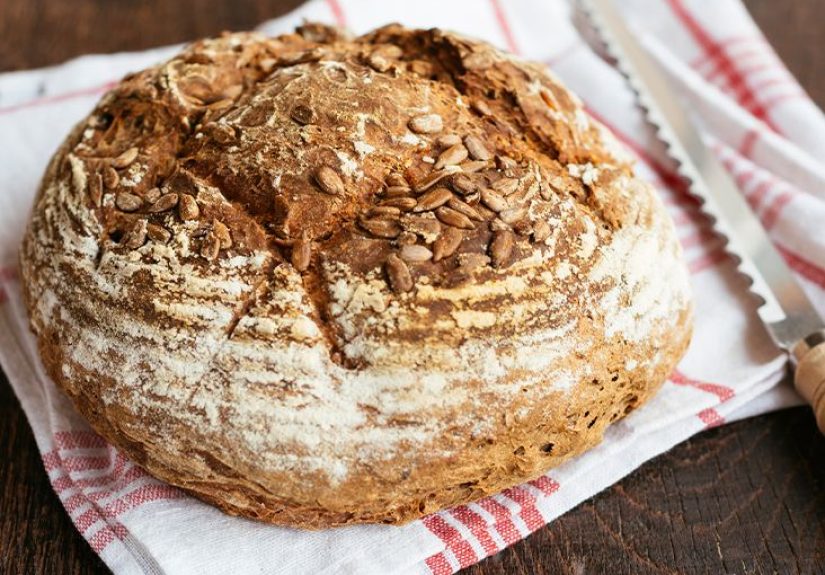
4. Sourdough bread (especially whole grain)
Sourdough bread is made through a fermentation process involving natural yeasts and bacteria. That fermentation produces organic acids that can slow starch digestion and lower the bread’s glycemic index compared with standard white bread.
Research suggests that sourdoughparticularly when made with whole wheat flourmay reduce the spike in blood sugar after meals compared with conventional breads. However, results vary by recipe and by person, so it’s not a guaranteed “free pass.”
Tips for choosing sourdough:
- Pick sourdough made with whole grains when possible, not just refined white flour.
- Check that “sourdough” isn’t just a flavoring or vinegar added to regular white bread.
- Use smaller slices or open-faced sandwiches to keep carb load reasonable.
Sourdough also tends to be more filling, which can help you stay satisfied with less breadgood news for both blood sugar and appetite control.
5. High-fiber seed breads (flax, chia, sunflower)
Breads that include seeds like flax, chia, sunflower, or pumpkin often have more fiber, healthy fats, and protein. These all work together to slow the absorption of glucose.
Benefits include:
- Higher fiber content per slice.
- Healthy fats that support heart health (important for people with diabetes).
- Increased satiety, making you less likely to reach for a second or third slice.
Just make sure the base is still whole grain, not white flour with a few seeds thrown in for decoration.
6. Low-carb or “keto” breads (with caution)
Low-carb and keto breads are popular because they significantly cut back on starch and often rely on fibers and proteins instead. For some people with diabetesespecially those using carb counting or trying to reduce insulin dosesthese breads can be a useful tool.
However, they’re not all created equal:
- Some are highly processed and may cause digestive discomfort due to large amounts of added fibers or sugar alcohols.
- They can be more expensive and sometimes less satisfying in taste or texture.
- Labels can be confusing, with “net carbs” that don’t tell the whole story for every individual.
These breads can be an option if you like them and they fit your plan, but it’s smart to test your blood sugar response and not rely solely on marketing claims.
7. Gluten-free breads (for those who need them)
If you have both diabetes and celiac disease or gluten sensitivity, gluten-free breads might be necessary. However, many gluten-free loaves are made from refined starches like white rice flour, tapioca starch, or potato starch, which can spike blood sugar quickly.
Better gluten-free options:
- Gluten-free breads with whole-grain flours like sorghum, buckwheat, millet, or quinoa.
- Versions that include seeds, nuts, or extra fiber.
As always, the ingredient list and nutrition facts panel are more important than the front-of-package claims.
Breads to limit or avoid with diabetes
No food is completely “forbidden” for everyone, but certain breads are more likely to cause sudden blood sugar spikes and add little nutritional value:
- White bread and rolls: Made from refined flour with the bran and germ removed, often with added sugar.
- Sweet breads and pastries: Cinnamon rolls, brioche, donuts, and similar items combine refined flour, sugar, and sometimes icingbasically a blood sugar roller coaster.
- Large bagels and oversized bakery breads: The issue here is portion size. One big bagel can equal 3–4 slices of bread worth of carbs.
- “Multi-grain” breads made mostly from white flour: They sound healthy but may just be white bread with a sprinkle of seeds or coloring.
If you do choose these occasionally, pair them with protein and healthy fat, and keep portions small. Think “treat,” not “daily staple.”
How to fit bread into a diabetes-friendly meal
Choosing a better bread is only half the story. How you eat it matters just as much.
1. Use the “plate method” mindset
A simple visual strategy suggests filling your plate like this:
- Half your plate: non-starchy vegetables (salad, broccoli, peppers, greens).
- One quarter: lean protein (chicken, fish, tofu, eggs, beans).
- One quarter: higher-fiber carbs like whole grains or starchy vegetables.
Bread usually fits into that “quarter” and shares space with things like brown rice, quinoa, or sweet potato. If you’re having bread, maybe skip other starches at that meal, or keep everything in modest portions.
2. Pair bread with protein and healthy fat
Eating bread aloneespecially when you’re very hungrycan lead to quick spikes and crashes. You’ll do better when you:
- Add protein: turkey, tuna, eggs, Greek yogurt, cheese, tofu, or hummus.
- Add healthy fats: avocado, nut butter, seeds, or a drizzle of olive oil.
These extras slow digestion, help you stay full, and make your blood sugar curve much smoother.
3. Watch your portion size
Even the best bread will spike blood sugar if you eat half the loaf. A realistic starting point for many people with diabetes is:
- 1–2 thin slices of whole grain or sourdough bread, or
- 1 small pita or tortilla, or
- 1 modest open-faced sandwich instead of a huge double-decker.
Your exact portion will depend on your meal plan, medications, and blood sugar targets. If you use a continuous glucose monitor (CGM), pay attention to how different breads and portions affect your readings.
Quick label-reading checklist for bread
When you’re standing in front of 20 different loaves at the supermarket, use this mini checklist:
- First ingredient: Is it a whole grain (100% whole wheat, whole grain oats, whole rye)?
- Fiber: At least 2–3 grams of fiber per slice?
- Added sugar: 0–3 grams max per slice, and sugar not high on the ingredient list?
- Carbs per slice: Does the carb amount fit into your usual meal plan?
- Type: Whole grain, sprouted grain, rye, sourdough, or high-seed bread gets extra points.
If a bread passes most of these checks, it’s likely a better option for everyday use.
Real-life experiences: making peace with bread when you have diabetes
Information is helpful, but real life is where things get messyliterally, if we’re talking about avocado toast. Here’s what living with diabetes and still enjoying bread can actually look like in practice.
Many people start out in one of two extremes: either they try to ban all bread forever (and end up binging later), or they pretend nothing has changed and keep eating giant sandwiches, then feel frustrated when their blood sugar spikes. The most sustainable path tends to live in the middle.
For example, imagine someone who used to eat two large white-bread sandwiches every lunch. After a diabetes diagnosis, they might work with a dietitian and learn to swap to 100% whole grain sourdough, cut the portion to one open-faced sandwich, and load it with turkey, avocado, and a pile of crunchy vegetables. Maybe they add a side salad instead of chips. Suddenly, they’re still eating bread, but their glucose curve looks more like a gentle hill than a roller coaster.
Another common experience is discovering how different breads feel in the body. Some people report that dense rye or sprouted grain bread keeps them full for hours, while fluffy white toast leaves them hungryand irritablean hour later. Others notice that sourdough seems to “sit better,” with fewer uncomfortable spikes or crashes. Keeping a simple food and glucose log for a couple of weeks can reveal these patterns clearly.
Portion size is often the quiet villain. It’s easy to overlook how much bread you’re eating when all the pieces are stacked in a sandwich or served in a breadbasket. One practical trick is to start with one slice, eat slowly, and wait 10–15 minutes before deciding if you truly need a second. Paired with enough protein and vegetables, that first slice often ends up being enough.
People also learn to “budget” their carbs across the day. If you love having a slice of toast with breakfast, maybe you skip the dinner roll later on. If you know you’ll be out for pizza or a special meal with lots of carbs, you may choose lower-carb bread or lettuce wraps earlier in the day. It’s less about perfection, more about balance over 24 hours.
Emotionally, giving yourself permission to enjoy bread within a thoughtful framework can reduce a lot of stress. Instead of thinking “I can never eat bread again,” the mindset becomes, “I choose better bread, in smaller amounts, and I pair it wisely.” That small shift can turn diabetes management from punishment into problem-solving.
Finally, working with diabetes professionalslike registered dietitians or certified diabetes care and education specialistscan make this process less overwhelming. They can help you figure out how many carbs per meal make sense for you, how your medications interact with food, and how to use tools like CGMs or finger-stick checks to fine-tune your bread choices.
The bottom line from countless real-world experiences: you don’t have to break up with bread. You just need to upgrade the relationship. Choose breads that work with your body, not against it; respect portion sizes; and build your meals so that your protein, fat, and vegetables support your carbs rather than letting them run the show.
Conclusion: you and bread can still be friends
Living with diabetes doesn’t mean you must live in a world without sandwiches, toast, or the occasional slice of sourdough with olive oil. It does mean you benefit from being more intentional. Whole grain, sprouted grain, rye, and sourdough breadsespecially those high in fiber and low in added sugarare typically better choices than white or sweet breads.
When you combine smart bread choices with mindful portions, protein, healthy fats, and plenty of vegetables, bread can absolutely fit into a balanced diabetes meal plan. And as always, it’s wise to work with your healthcare team to tailor these general guidelines to your personal needs, medications, and blood sugar goals.