Table of Contents >> Show >> Hide
- 1) Hang Out at the Saloon (Yes, Even If You Didn’t Drink)
- 2) GambleBecause “Responsible Entertainment” Was Still in Beta
- 3) Dance, Waltz, and Two-Step Like Tomorrow Wasn’t Laundry Day
- 4) Make Music Anywhere You Could Sit Down Safely
- 5) Watch a Traveling Show (Because Netflix Wasn’t Coming to Dodge City)
- 6) Go to a Wild West Show (Astonishing, Loud, and Very On-Brand)
- 7) Compete in Cowboy Contests and Early Rodeo-Style Events
- 8) Join a “Bee” or a Community Work Party (Yes, Work… as Recreation)
- 9) Read Dime Novels, Newspapers, and Anything with Ink on It
- 10) Play Sports and Games (Including Baseball, Because Of Course)
- 11) Hunt, Fish, and Wander OutdoorsSometimes for Fun, Not Survival
- 12) Celebrate Holidays, Picnics, and Town Festivals Like They Were Oxygen
- Conclusion: The West Had LeisureIt Just Looked Different
- Bonus: Modern Experiences That Bring Old West Free Time to Life (About )
The Old West wasn’t just shootouts at high noon and dramatic squinting into sunsets. Real life on the frontier was mostly hard work, dust,
and the kind of improvisation that turns “free time” into “time when the wagon isn’t broken and nobody has scurvy.” Still, people found ways
to unwindbecause even a tough-as-nails cowhand needs a break from being morally judged by his own boots.
What did folks do when they weren’t herding cattle, digging for ore, hauling water, or arguing with a stove that refused to acknowledge the
concept of “heat”? They played, danced, read, watched shows, joined clubs, and turned community gatherings into full-blown events. Below are
twelve classic Old West leisure activitiessome rowdy, some wholesome, and most a little weirder than Hollywood admits.
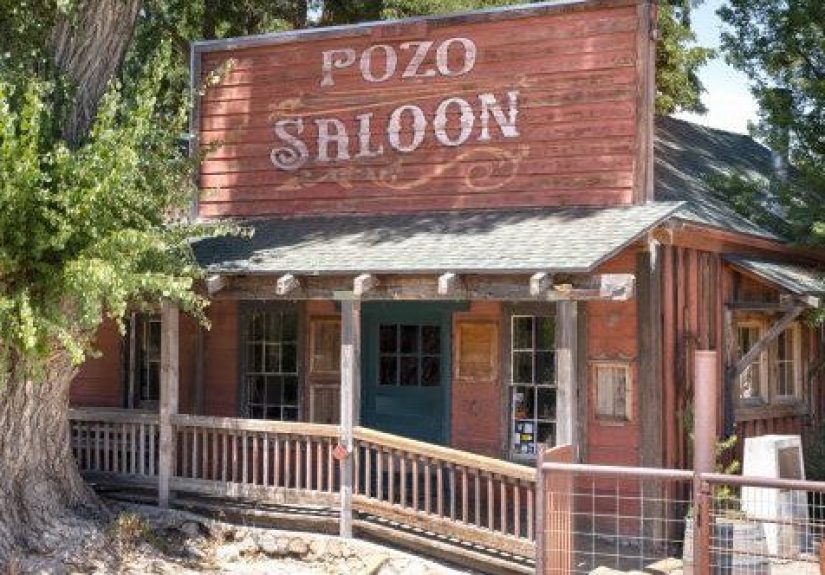
1) Hang Out at the Saloon (Yes, Even If You Didn’t Drink)
Saloons were the frontier’s version of a neighborhood living roomif your living room served whiskey, had questionable ventilation, and
featured a guy in the corner insisting he could “totally” beat the house this time. In many towns, the saloon was where news traveled,
deals were struck, and loneliness got temporarily distracted.
Classic saloon pastimes
- Card games like poker and the famously fast, banker-run game faro
- Dice and table games that could turn a paycheck into a life lesson in minutes
- Conversationpart gossip, part business networking, part “I saw a coyote the size of a mule” storytelling
Importantly, not everyone went to saloons for booze. Some went for company, warmth, music, or a hot meal. Others went because the saloon
also doubled as the town’s bulletin board, job board, and social feedonly with more sawdust.
2) GambleBecause “Responsible Entertainment” Was Still in Beta
Gambling was wildly popular across frontier towns, mining camps, and cattle centers. Part of it was the risk-loving culture of boom-and-bust
places: when your week can change with a strike of ore (or a cattle price drop), betting a few dollars feels oddly reasonable.
Why gambling fit the frontier
Gambling offered instant drama, social status, and the thrill of outsmarting someoneplus the comforting illusion that luck was a career plan.
Faro tables, poker games, and other wagers could be found anywhere money showed up: paydays, cattle drives ending, mining strikes, even
temporary camps where the “building code” was basically “does it fall down today?”
3) Dance, Waltz, and Two-Step Like Tomorrow Wasn’t Laundry Day
Dancing was a big deal, from rough dance halls in cattle towns to formal balls in more established communities (and even at military posts).
Music + dance = the universal human equation for “we survived the week.”
Dance scenes you’d recognize (and some you wouldn’t)
- Barn dances where the floorboards took a beating and everyone pretended not to notice
- Town socials where people showed off new clothes and old opinions
- Military post dances that brought a taste of etiquette to places better known for mud
Dancing also functioned as frontier matchmaking. When communities were scattered, a dance could be the rare moment to meet someone outside
your immediate “two families and a suspicious goat” social circle.
4) Make Music Anywhere You Could Sit Down Safely
The Old West had plenty of noisewind, livestock, wagon wheels, someone yelling “WHO LEFT THE GATE OPEN?”but it also had music. People sang,
played fiddles, guitars, banjos, harmonicas, and whatever else survived the trip west without splitting in half.
Where the music happened
Music showed up at trading posts, camps, dances, saloons, and homes. It wasn’t always polishedfrontier music was often communal and practical:
it boosted morale, filled long evenings, and made hard places feel briefly human. Also, it helped distract everyone from the fact that your
“bedroom” was a corner of a one-room cabin shared with a stove that smoked like it had a personal grudge.
5) Watch a Traveling Show (Because Netflix Wasn’t Coming to Dodge City)
Entertainment often arrived on wheels. Traveling theater troupes, vaudeville acts, lecturers, musicians, and novelty performers moved from
town to town. If a place had enough people with coins in their pockets, it could host a showeven if the “stage” was just a cleared corner
of a hall.
Opera houses in unlikely places
Some boomtowns built surprisingly fancy venuesopera houses and theaters that signaled, “Yes, we’re civilized… please ignore the mud.”
Mining wealth could fund ambitious cultural spaces, and audiences showed up for comedy, melodrama, music, and spectacle.
6) Go to a Wild West Show (Astonishing, Loud, and Very On-Brand)
By the late 1800s, “the West” became entertainment about itself. Wild West shows packaged frontier skillsriding, roping, shootinginto
crowd-pleasing performances. They mixed athletic feats with storytelling and pageantry, turning real techniques into ticket sales.
Why audiences loved it
These shows delivered controlled danger: fast horses, expert marksmanship, staged chases, and big personalities. For many Americans, a Wild
West show was their most vivid “frontier” experiencewithout having to negotiate with a rattlesnake over who owned the shade.
7) Compete in Cowboy Contests and Early Rodeo-Style Events
Working cowboys already had skills that looked like sports: roping, riding, handling animals, and doing it all at speed. As cattle work
changed and communities grew, local competitions emergedpart practical bragging rights, part community entertainment.
From work skills to spectator thrills
Events that started as informal contests at roundups or community gatherings evolved into more organized competitions. The appeal was obvious:
it was athletic, risky, and deeply tied to frontier identity. Plus, it answered the eternal question: “Okay, but who’s actually the best at this?”
8) Join a “Bee” or a Community Work Party (Yes, Work… as Recreation)
Frontier communities often turned labor into social life. When tasks were too big for one householdbuilding a barn, harvesting, quilting,
repairingneighbors gathered to help. These weren’t joyless obligations; they were often followed by food, music, laughter, and the kind of
conversation that can only happen when everyone’s holding a hammer.
Two famous “bees”
- Barn raisings: a full community build, equal parts construction project and social event
- Quilting bees: collaborative craftwork with storytelling, advice, and serious social bonding
In a world without group chats, these gatherings were how communities stayed stitched togethersometimes literally.
9) Read Dime Novels, Newspapers, and Anything with Ink on It
Reading was a major pastime, and not just for the fancy folks with soft hands. Newspapers circulated widely, and popular cheap fictionespecially
dime novelsfed a massive appetite for adventure stories, Western heroes, and larger-than-life drama.
Why reading mattered on the frontier
Books and newspapers were portable entertainment and a connection to the wider world. They also helped shape the myths of the West in real time.
People living the frontier life could read stories that exaggerated it, sanitized it, or turned it into legendlike seeing your own town
described by someone who clearly arrived yesterday and already has opinions.
10) Play Sports and Games (Including Baseball, Because Of Course)
The frontier wasn’t all solitary grit. People formed clubs, organized games, and made space for sports whenever the work calendar loosened.
Baseball spread westward during the 19th century, popping up in surprising places as towns grew and communities looked for shared rituals.
Frontier-friendly recreation
- Baseball games with uneven fields, improvised equipment, and very enthusiastic arguments about rules
- Footraces and strength contests at fairs or community events
- Horse races that blended sport, transport pride, and “my horse could beat your horse” energy
Sports helped towns feel like towns, not just collections of tired people trying to avoid dying of exposure.
11) Hunt, Fish, and Wander OutdoorsSometimes for Fun, Not Survival
Outdoor life was unavoidable, but that didn’t mean it couldn’t be enjoyed. Hunting and fishing often served practical needs, yet they also
functioned as recreationespecially once communities became more stable and food sources diversified.
The “free time” version of outdoors
Some people hunted for sport or practiced shooting as a skill. Others simply exploredriding out, camping, or taking a break from crowded
camps and noisy streets. The West offered wide-open spaces, and sometimes leisure meant using them without an urgent reason.
12) Celebrate Holidays, Picnics, and Town Festivals Like They Were Oxygen
When daily life is tough, celebrations hit harderin a good way. Communities gathered for Independence Day events, parades, speeches, dances,
picnics, fairs, and seasonal get-togethers. These weren’t “extra.” They were how people kept morale alive.
What these events provided
- A break in routine (and a reason to wash your “good” shirt)
- Community identity (you belong here; you’re not alone)
- Entertainment that didn’t require a saloon tab
Picnics and socials were also practical networking: jobs, marriages, business deals, and friendships often grew from “just a little gathering”
that accidentally turned into the event of the season.
Conclusion: The West Had LeisureIt Just Looked Different
Old West leisure wasn’t a separate “life category” neatly labeled on a planner. It was woven into community, travel, work rhythms, and the
constant effort to make harsh places feel livable. People played cards, danced, read, watched shows, competed, crafted, celebrated, and turned
gatherings into memoriesbecause the frontier demanded toughness, but it also rewarded joy wherever it could be found.
Bonus: Modern Experiences That Bring Old West Free Time to Life (About )
If you’ve ever read about saloon poker or barn dances and thought, “Sure, but what did it feel like?”good news: you don’t need a time
machine (or a medically unwise level of confidence in your ability to ride a horse). You can sample a surprisingly accurate version of Old West
leisure today, minus the dysentery and the constant fear that your boots will become one with the mud forever.
Start with living history sites and Western museums. Many host demonstrations that mirror frontier downtime: card games explained
by interpreters, music performances with period instruments, community dance events, and craft demos that make you appreciate how much skill it
took to create something beautiful when every resource had to be hauled in. Watch a blacksmith at work, then imagine that being your neighbor
who also shows up to dances and knows everyone’s business. It’s basically small-town social media, but with more sparks.
Want the social side? Try a contra dance or community barn dance. The steps are friendly to beginners, the energy is joyful,
and you’ll quickly understand why dancing mattered on the frontier: it collapses distance between strangers. You walk in not knowing anyone and
walk out feeling like you’ve joined a mildly chaotic, extremely wholesome alliance. Bonus: you get the “frontier cardio” experience without
hauling hay.
For the showmanship side, go to a rodeo or a Western skills competition. Even modern rodeoprofessionalized and safety-upgradedstill
carries the DNA of practical skills turned into spectacle. You’ll see why crowds gathered: it’s athletic, loud, risky, and oddly poetic. Also,
it answers questions you didn’t know you had, like “How fast can a human do that?” and “Why does that bull look personally offended by gravity?”
If you’re more of an indoor adventurer, recreate the reading culture with a mini frontier reading night. Grab a collection of
Western short stories or historical newspaper archives, add a lamp with warm light, and read aloud with friends. Dime novels were binge-worthy
for their dayfast plots, cliffhangers, bold heroes, and drama that could power a small town. Pair it with simple snacks and you’ve got a
historically inspired evening that feels more fun than it has any right to be.
Finally, try the most authentic Old West leisure activity of all: community “work as social time”. Volunteer for a build day,
a community garden, a quilting circle, or a neighborhood cleanupthen share food afterward. That’s the modern echo of barn raisings and quilting
bees: people doing something useful together and coming away happier than they expected. The frontier lesson still holds: leisure isn’t only
what you do when work stops. Sometimes it’s what you do together so life feels a little less hard.