Table of Contents >> Show >> Hide
- Why “Tendrils and Vines” Are Trending
- The Secret to a Good Vine: Know How It Climbs
- Match the Vine to the Support (So It Doesn’t Become a Situation)
- Plant Picks for the “Tendrils and Vines” Look
- Pruning and Training: The Difference Between Elegant and Overgrown
- Invasive and Risky Vines: What to Avoid (and What to Choose Instead)
- How to Get the Gardenista “Tendrils and Vines” Look
- A Quick-Start Plan for Beginners
- Conclusion: Let Vines Do the Heavy Lifting
- of Vine Experience (From Gardeners Who’ve Been There)
- SEO Tags
Some garden trends arrive with a drumroll. Others quietly sneak in, grab a trellis, and suddenly your
fence looks like it belongs in a magazine spread (or at least like you meant to do that).
Right now, tendrils and vines are having a major momentpartly because they’re gorgeous,
partly because they’re useful, and partly because they’re the plant equivalent of good lighting:
they make everything look better with minimal effort… until you forget to prune them, and then they
become a leafy soap opera.
If you’ve been scrolling Gardenista-style inspirationthink climbing pear trees, dark wild grape vines,
and hidden city gardens that feel like secret chaptersthis guide breaks down what’s behind the vibe,
how vines actually climb, what to plant, what to avoid, and how to make it all look intentional
(even if you’re learning as you go).
Why “Tendrils and Vines” Are Trending
The Gardenista universe has a knack for spotlighting the poetic side of practical gardening: plants that
soften hard lines, create privacy without building a wall, and turn everyday structures into living
architecture. That’s the magic of vines.
When tendrils and vines trend, it’s rarely about one plant. It’s about an approach:
vertical, layered, slightly wild, and still curated. You’ll see it in romantic climbers trained into
fruit trees, in wild grape used like florist greenery, and in city gardens where climbing plants transform
a stair rail or fence into an escape hatch from the concrete world.
- They save space. Vines grow “up” when your garden can’t grow “out.”
- They add instant atmosphere. Arbors become rooms. Fences become backdrops.
- They’re flexible. Train them formally (espalier) or let them drape a little and look “effortless.”
- They’re seasonal storytellers. Spring bloom, summer shade, fall seed headsvines can do all three.
The only catch? Vines are enthusiastic. If you don’t give them the right support (and a little guidance),
they’ll freestyle… on your gutters.
The Secret to a Good Vine: Know How It Climbs
Before you pick a plant, pick a strategy. Vines aren’t one-size-fits-allespecially when it comes to how
they attach to what you want them to climb. Get this right and your vine looks elegant.
Get it wrong and you’re out there with twine, bargaining with a plant like it’s a toddler in a grocery aisle.
1) Tendril Climbers: The Grabby Little Spirals
Tendrils are thin, threadlike structures that reach out, touch something narrow, then coil like a spring.
They love thin supportswires, narrow lattice, small branches, closely spaced gridwork.
Think grapes, sweet peas, passionflower, and other plants that act like they’re testing every surface for
“grab-ability.”
Design win: tendril climbers often look airy and refined, because they naturally weave instead of smothering.
2) Twining Vines: The Wrap-Around Artists
Twining vines climb by wrapping stems (or sometimes leaf stalks) around supports. They typically need
something slender enough to wraplike wires, smaller poles, or a trellis with frequent vertical elements.
Many classic garden climbers fall into this category, including some honeysuckles and jasmine types.
Design win: twining vines are great for creating that “living curtain” look on pergolas and fences.
3) Clingers: Rootlets and Disks That Stick
Some vines climb flat surfaces using aerial rootlets (ivy-type behavior) or adhesive disks (like the
“stick-on” style of some creepers). This can be wildly effectivethese plants can climb surfaces that look
like they were never meant for plants.
Caution: clinging vines can damage masonry, wood, and siding, and they can trap moisture. Translation:
they’re gorgeous until you try to remove them.
4) Scramblers and Ramblers: Pretty, but They Need Help
Some vines don’t really “climb.” They sprawl, hook, or leanthink climbing roses and similar plants.
They can look spectacular on arbors and fences, but only if you tie and train them.
Design win: scramblers can give you that soft, romantic, slightly untamed Gardenista feelon purpose.
Match the Vine to the Support (So It Doesn’t Become a Situation)
A vine is only as good as its structure. The best-looking vine gardens aren’t “perfect.”
They’re simply well-matched: the right plant on the right support in the right place.
Choose Your Climbing Hardware
- Wire systems: Minimalist, modern, and very Gardenista. Great for tendrils and twining vines.
- Trellis panels: Classic, flexible, and easy to installespecially for flowering vines.
- Arbors and pergolas: Instant “garden room.” But remember: some vines get heavy.
- Obelisks and tuteurs: Perfect for containers or small beds where you want vertical drama.
Weight Matters (Yes, Plants Can Be Heavy)
Some vines are light, almost delicate. Others become thick, woody, and strong enough to pull down a weak
structure over time. If you’re considering a vigorous woody vine, treat your support like it’s holding
a swing set: overbuild it and you’ll sleep better.
Spacing and Grip
Tendrils need narrow grab points and often prefer supports spaced close together.
Twining vines need something they can wrap. Clingers need texturebut they may also leave their mark.
If your goal is “softened façade,” consider training vines on a stand-off trellis rather than letting
them cling directly to the house.
Plant Picks for the “Tendrils and Vines” Look
Here’s the fun part: choosing your cast of characters. The best vine selection depends on your climate,
sun exposure, and how much maintenance you’re willing to do without sighing dramatically.
Start by checking your USDA Plant Hardiness Zone, then match the plant to your site.
For Romantic Flowers (The Classic Gardenista Mood)
- Clematis: A top-tier flowering vine with many types and bloom seasons. Bonus: some varieties have gorgeous seed heads.
- Carolina jessamine: A fragrant, early-season charmer in warmer regions (handle with care; some parts can be toxic).
- Jasmine types: Loved for scent and evergreen shine in the right climates.
- Climbing roses (trained): Not a true climber, but unmatched for romance when tied in and guided.
For Airy, Architectural Tendrils
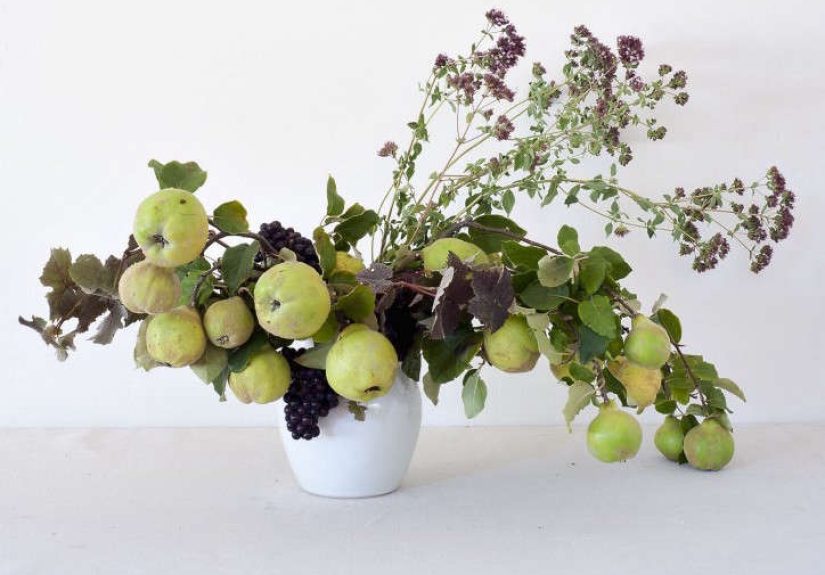
- Grapevines: Tendrils, texture, and that moody “wild garden” energy. Also: yes, you can use prunings in arrangements.
- Passionflower: Intricate blooms, pollinator appeal, and tendrils that love a fence or arbor. Give it room (and boundaries).
- Sweet peas (annual): Delicate tendrils + fragrance = instant charm. Ideal for smaller supports and seasonal displays.
For Hummingbirds and Native-Friendly Style
- Coral honeysuckle: A native vine option in many regions that’s prized for tubular blooms and wildlife value.
- Native passionflower species (where appropriate): Often tough, fast-growing, and full of personality.
For “Indoor/Outdoor Living” Vibes
The same visual language works indoors: trailing and climbing houseplants on shelves, wire stands,
or simple supports create a softer, layered look. If you’re into that “tendrils in the living room”
aesthetic, go for plants that trail gracefully and don’t demand a full-time negotiator.
Pruning and Training: The Difference Between Elegant and Overgrown
Vines reward early guidance. The biggest rookie mistake is letting growth go wild all spring,
then trying to “fix it” in midsummer like you’re untangling holiday lights.
Train Early, Train Gently
- Start guiding new growth as soon as it’s long enough to reach the support.
- Use soft ties; avoid tight knots that cut into stems.
- Step back every couple of weeks and redirect anything that’s heading toward windows, gutters, or chaos.
Clematis Pruning Without the Panic
Clematis pruning often gets treated like a personality test. In reality, it’s simpler:
many clematis are grouped by when they bloom (old growth vs. new growth), and pruning timing follows that.
If you’re unsure, identify your clematis type first, then prune accordingly so you don’t cut off flower buds.
Most Vines Like an Annual Reset
Many vines benefit from a yearly prune to control size, encourage flowering, and prevent the “one giant mat”
effect. Think of pruning as editing: you’re not punishing the plantyou’re giving it a better outline.
Invasive and Risky Vines: What to Avoid (and What to Choose Instead)
Not all vines are friendly. Some are “wow” for one season and “why is my backyard a jungle?” by the next.
Others can damage buildings or overwhelm trees. If you want the Gardenista look without the regret,
avoid highly aggressive or invasive species in your region.
Common Problem Vines (Often Flagged as Invasive)
- Kudzu: Famous for a reason.
- English ivy: Clings, spreads, and can damage surfaces and trees.
- Japanese honeysuckle: Fast and smothering in many areas.
- Oriental bittersweet: Can girdle and kill trees over time.
- Chinese/Japanese wisteria: Beautiful, heavy, and often invasive depending on where you live.
Smarter Alternatives
- Consider native wisteria species instead of invasive types if you love that cascading bloom look.
- Choose native honeysuckles like coral honeysuckle rather than aggressive non-native varieties.
- Use freestanding structures for vigorous vines so they don’t attach to your house.
One more safety note: some vines are toxic to pets or people. If your garden doubles as a playground
(for kids, dogs, or overconfident cats), look up toxicity before planting.
How to Get the Gardenista “Tendrils and Vines” Look
The signature look is a balance of wild and edited. You want movement, softness, and surprise
but you also want a path you can walk without emerging as a human burrito wrapped in vines.
Design Move 1: Train Something Unexpected
Gardenista inspiration often includes the unexpected: fruit trees trained to climb, branches guided along
rails, or vines used to frame a doorway like living trim. Espalier and other training techniques can turn
a practical plant into sculpture.
Design Move 2: Use Dark, Dramatic Greenery
Wild grape vines and similar foliage can add richnessespecially in fall arrangements or when you want a
garden that feels moody rather than candy-colored. Let the leaves do some of the visual work.
Design Move 3: Create a “Hidden Garden” Effect
Vines are the fastest way to make a space feel secret. A simple gate, a stairway, a fence corneradd
climbers and suddenly it looks like a destination.
Design Move 4: Keep Structures Simple
Minimal supports (wire grids, clean trellis lines, simple posts) let the plant be the drama. This is one of
the easiest ways to make vines feel modern instead of messy.
A Quick-Start Plan for Beginners
- Pick the purpose: privacy, flowers, shade, edible, or “make my fence look expensive.”
- Check your light: full sun, part shade, deep shade. Don’t guesswatch the space for a day.
- Check your zone: use the USDA hardiness zone map to confirm what survives winter where you are.
- Choose the support first: then pick a vine that climbs the way your structure allows.
- Plant with patience: year one is roots, year two is growth, year three is the show (often).
- Train early: guide new growth weekly in spring so you’re not wrestling later.
- Prune annually: keep it healthy, blooming, and out of your gutters.
Conclusion: Let Vines Do the Heavy Lifting
The reason tendrils and vines keep trending is simple: they’re the best shortcut to a garden that
feels layered, alive, and designed. With one good climber and one good structure, you can add height,
privacy, shade, flowers, fragrance, and movementwithout expanding your footprint.
Choose the right climbing style, give your vine a structure that matches its personality, and keep it edited
with light training and seasonal pruning. You’ll get the Gardenista moodromantic, ethereal, a little wild
without the “help, it ate my mailbox” plot twist.
of Vine Experience (From Gardeners Who’ve Been There)
Let’s talk about the part nobody puts in the glossy photos: living with vines is a relationship, and like
many relationships, it thrives on communicationexcept your vine communicates exclusively through
aggressive growth spurts and the occasional mysterious tendril that appears overnight like it has its own
group chat.
A common first-year experience is underestimating how quickly a vine can decide it’s “done asking” and
start “taking.” Many gardeners plant a climber beside a sweet little trellis, then discover by midsummer
that the vine has outgrown the support and is now using nearby shrubs, the hose reel, and possibly
your optimism as backup structure. The fix is almost always the same: start training earlier than you
think you need to. When growth is young and flexible, it’s easy to guide. When it’s woody and determined,
you’re basically negotiating with a tiny green bodybuilder.
Another frequent lesson: support thickness matters. Tendrils and twining stems can’t wrap around
chunky posts the way you might assume. Gardeners often report better results when they add intermediate
wires or thin lattice to a sturdy frameso the plant has something it can actually grip. It’s the gardening
equivalent of adding handles to a box: suddenly everything is easier.
Then there’s the “where should I plant it?” moment. Many people learn the hard way that clinging vines
on a house can create extra maintenance: trapped leaves in gutters, damp pockets behind foliage, and
removal that feels like peeling off nature’s strongest sticker. Gardeners who still love that look often
switch to a stand-off trellis systema small air gap between plant and wallso the vine climbs the support,
not the siding. Same romance, fewer repair bills.
On the joyful side, vines bring small surprises that keep people hooked. A flowering vine can turn an
ordinary morning into a “wait, is my yard… charming?” moment when you notice the first buds.
Wildlife shows up, too: hummingbirds hovering at tubular flowers, bees working a bloom like it’s their
full-time job, birds using dense growth as a quick hideout. Even non-flowering vines can change how a
space feelsshade on a hot day, a privacy screen that still lets breeze through, a sense of enclosure that
makes a tiny patio feel like a room.
The most repeated vine wisdom from experienced gardeners is simple: don’t aim for perfectionaim for
edited wildness. Let it spill a little. Let it soften the lines. But give it boundaries, a sturdy structure,
and a yearly haircut. Vines don’t need you to be strict. They just need you to show up occasionally and say,
“No, actually, we are not climbing the downspout today.”