Table of Contents >> Show >> Hide
Introduction:
Nolana is a stunning plant that can add a vibrant touch to any garden. Known for its strikingly beautiful flowers, this perennial is a favorite among gardeners looking to introduce a pop of color into their landscapes. Native to South America, the Nolana plant belongs to the Solanaceae family, and it’s particularly celebrated for its bell-shaped blooms and drought-tolerant nature. In this guide, we will walk you through everything you need to know about planting and growing Nolana, from selecting the right variety to ensuring it thrives in your garden. Ready to dive in? Let’s go!
What is Nolana?
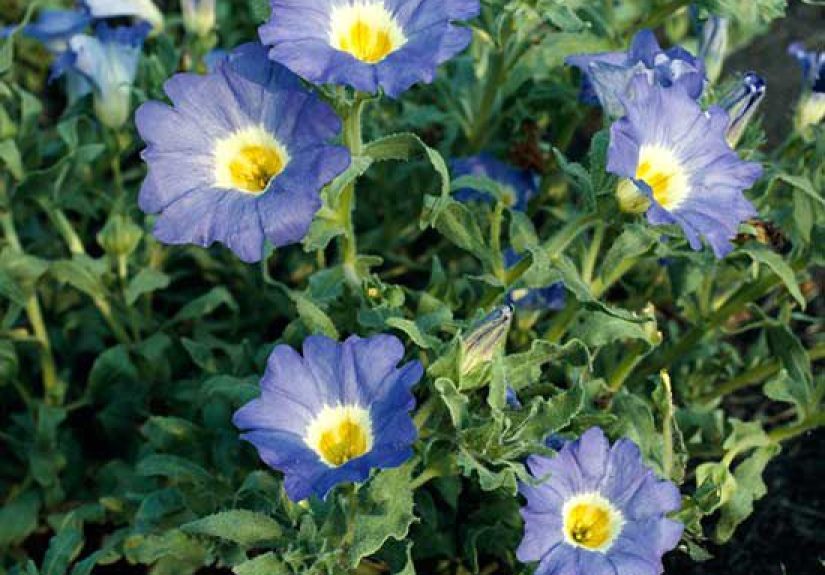
Before we jump into the how-to, it’s important to understand what Nolana is. Nolana, also known as trailing Nolana, is a genus of flowering plants that are native to the coastal areas of South America. These plants are well adapted to dry conditions, making them perfect for xeriscaping, or water-efficient gardening. The most common variety, Nolana paradoxa, is often grown for its brilliant purple, blue, or white funnel-shaped flowers that can add a vibrant contrast to any garden.
Choosing the Right Location for Nolana
When it comes to growing Nolana, location is key. These plants thrive in areas with plenty of sunlight and well-drained soil. Ideally, you should plant Nolana in a spot that receives at least six hours of direct sunlight per day. The sunlight will help promote healthy growth and enhance the color of the flowers. Additionally, Nolana plants do best in sandy, loamy, or rocky soils that offer good drainage.
Soil Requirements
Nolana prefers slightly acidic to neutral soil, with a pH range of 6.0 to 7.5. If your soil is heavy or clay-based, you may need to amend it by adding sand or compost to improve drainage. As a general rule, Nolana is quite adaptable, but they absolutely need well-draining soil to avoid root rot. Ensure your planting area is raised or well-drained, especially if you live in an area with frequent rain or humidity.
Planting Nolana: Step-by-Step Guide
Planting Nolana is relatively simple, but there are a few things you’ll want to keep in mind to ensure success.
Step 1: Prepare Your Soil
As mentioned earlier, Nolana needs well-drained soil to thrive. Begin by preparing your planting area. Loosen the soil with a garden fork or tiller, and mix in sand or compost if necessary. This will help create a soil mixture that allows for good water flow and air circulation around the roots.
Step 2: Select Your Plants
You can plant Nolana from seeds, cuttings, or small plants purchased from a nursery. If starting from seed, begin indoors about 6-8 weeks before the last frost date for your area. Alternatively, you can plant a small starter plant directly into your garden once the danger of frost has passed.
Step 3: Dig the Holes
Dig a hole that is about twice the size of the root ball of your Nolana plant. This will give the roots ample space to grow and spread. If planting multiple Nolanas, space them 12-18 inches apart to allow for adequate air circulation and to avoid overcrowding.
Step 4: Plant Your Nolana
Place the Nolana plant into the hole, ensuring the top of the root ball is level with the surrounding soil. Gently fill the hole with soil, pressing down lightly to remove any air pockets. Water the plant well after planting to help settle the soil around the roots.
Caring for Your Nolana Plant
Once planted, Nolana is relatively low-maintenance. However, providing the right care will ensure it grows healthy and vibrant. Here are the key care tips to keep in mind:
Watering
While Nolana plants are drought-tolerant, they still need regular watering during the growing season, especially when they are young. Water the plants deeply but infrequently, allowing the soil to dry out between waterings. Overwatering can lead to root rot, so be mindful of not keeping the soil too wet.
Fertilizing
Nolana plants do not require heavy fertilization. However, you can give them a light feeding of balanced fertilizer in the spring as they begin to grow. Organic compost is also a great option for a slow-release nutrient boost.
Pruning and Deadheading
Deadheading, or removing spent flowers, can encourage your Nolana plant to produce more blooms. Pruning is not necessary for most varieties of Nolana, but if the plant becomes too leggy or overgrown, you can trim it back to encourage a bushier growth habit.
Mulching
Applying a layer of mulch around your Nolana plants can help retain moisture in the soil and keep the roots cool during the hotter months. Organic mulches such as wood chips, straw, or grass clippings work well.
Common Pests and Problems
Though Nolana is generally pest-resistant, there are a few issues you might encounter. Aphids and whiteflies are the most common pests, especially during the warmer months. If you notice any pest infestations, treat your plants with an insecticidal soap or a natural solution like neem oil. Additionally, while Nolana plants are tolerant of drought, prolonged periods of humidity or excessive moisture can make them susceptible to fungal infections like powdery mildew. Ensure proper air circulation and avoid watering directly on the foliage to minimize this risk.
Winter Care for Nolana
If you live in a region with cold winters, Nolana will need some extra care. While it is a hardy plant, it may need protection from frost. Cover the plants with frost cloth or mulch them heavily to insulate the roots during freezing weather. In areas with extreme cold, it might be best to treat Nolana as an annual and replant each season.
Conclusion
Growing Nolana in your garden can be a rewarding experience, thanks to its beautiful blooms and low-maintenance nature. With the right planting site, well-drained soil, and regular care, you can enjoy this stunning plant year after year. Whether you’re planting Nolana in your flower beds, hanging baskets, or containers, its versatility and vibrant colors will undoubtedly make it a standout in your landscape. Don’t forget to add a layer of mulch for moisture retention, prune your plant regularly, and provide it with enough sunlight, and your Nolana will thrive.
sapo: Nolana is a stunning, drought-tolerant plant that adds vibrant color to your garden. Learn how to plant, grow, and care for Nolana with expert tips on soil, sunlight, and watering to ensure your plant thrives all season long.
Experiences with Growing Nolana: Insights from Gardeners
Throughout my gardening journey, Nolana has been one of those plants that always surprises me. At first, I was skeptical about whether it could thrive in my hot, dry backyard. But after following the simple steps of planting in well-draining soil, providing ample sunlight, and only watering it deeply when necessary, I found Nolana to be incredibly resilient. It grew beautifully, producing clusters of brilliant blue flowers that attracted plenty of butterflies and bees.
One piece of advice I’d give to anyone thinking of planting Nolana is to make sure the location gets enough sun. I initially planted mine in a spot that was a little shaded, and while it still grew, the flowers weren’t as vibrant as they could have been. Once I moved it to a sunnier spot, the difference was remarkable.
Another thing to consider is the use of mulch. When I first planted my Nolanas, I didn’t mulch them, and they tended to dry out quickly in the summer heat. Adding a layer of organic mulch around the base of the plant helped retain moisture and kept the roots cool. It’s definitely a step I now recommend to every gardener working with Nolana.
Overall, growing Nolana has been a wonderful experience, and I can confidently say that if you follow the planting and care tips outlined here, you’ll enjoy beautiful blooms year after year. Don’t be afraid to experiment with different varieties and placementsyou might just find that Nolana becomes one of your favorite garden companions.