Table of Contents >> Show >> Hide
- What Makes a Medicine Cabinet “Framed”?
- Recessed vs. Surface-Mount: The Wall Is the Boss
- Design Playbook: Picking a Frame That Looks Intentional
- Feature Checklist That Actually Matters
- Installation: A Practical Roadmap (Without the Panic Sweats)
- Organization That Won’t Become a Tiny Junk Drawer
- Maintenance and Safety (Because Bathrooms Are Chaos)
- DIY Option: Add a Frame to an Existing Medicine Cabinet
- Common Mistakes (So You Don’t Have to Learn the Hard Way)
- Conclusion: A Framed Cabinet Is Style + Strategy
- Real-Life Experiences With a Framed Medicine Cabinet (The Good, the Funny, and the “Oops”)
A framed medicine cabinet is the rare bathroom upgrade that pulls double duty: it gives you hidden storage
and makes the wall look intentionally designedlike you planned the room instead of inheriting it from a
landlord who thought “builder-basic beige” was a lifestyle. The “framed” part sounds small, but it changes the
whole vibe: the cabinet stops reading as a plain mirror box and starts behaving like décor.
In this guide, we’ll break down what a framed medicine cabinet is, how to choose one that fits your space and
style, how installation works (recessed vs. surface mount), and how to organize it so it doesn’t become a tiny
museum of expired sample-size sunscreen. Along the way, you’ll get practical examples, design shortcuts, and a few
“learn from my mistakes” momentsbecause bathrooms are humid, walls are unpredictable, and your tape measure is
always lying by just enough to cause trouble.
What Makes a Medicine Cabinet “Framed”?
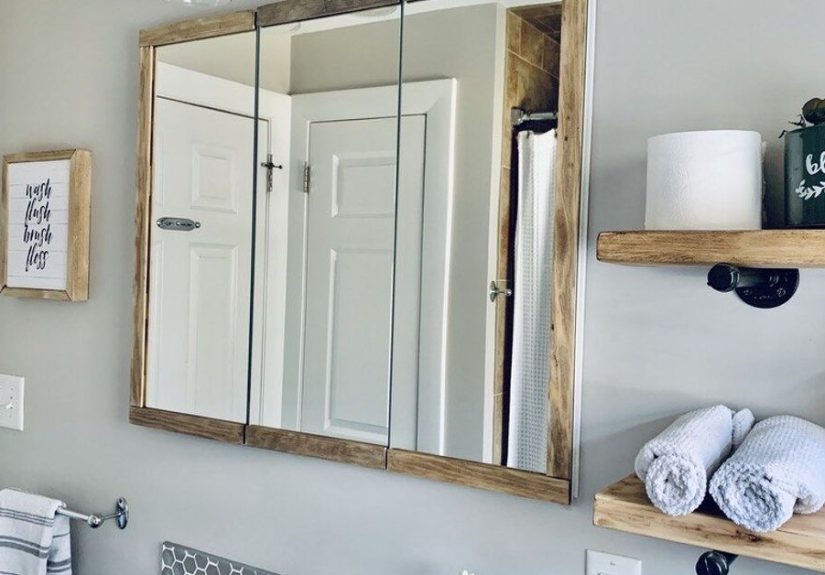
A framed medicine cabinet is a wall cabinetusually with a mirrored doorsurrounded by a visible border (the
frame). That border can be wood, metal, composite, or even a trim kit that visually ties the cabinet to your
vanity, hardware, or door casings. In practice, the frame does three things:
- It adds style: the cabinet looks like a designed element, not a bathroom afterthought.
- It adds visual structure: great for balancing busy tile, patterned wallpaper, or bold paint.
- It “finishes” the mirror: no more floating sheet of glass energy.
You’ll see framed cabinets in everything from traditional bathrooms (painted wood, crown molding details) to modern
spaces (thin matte-black metal frames). Some are sold as framed from the start; others are “made framed” with a
trim kit or a DIY frame added to an existing cabinet or mirror. [1]
Recessed vs. Surface-Mount: The Wall Is the Boss
Before you fall in love with a cabinet online, decide how it will mount. This choice affects depth, storage,
installation complexity, and whether your bathroom wall becomes a surprise obstacle course of plumbing and wiring.
[2][3]
Recessed (In-Wall) Cabinets
A recessed medicine cabinet sits inside the wall cavity between studs, so it looks built-in and saves precious
inchesespecially helpful in narrow bathrooms where a door swing and a protruding cabinet can become a daily
forehead negotiation. Recessed installs usually involve cutting drywall, checking for obstacles, adding blocking,
and securing the cabinet to framing. [2][3]
Best for: tight spaces, clean built-in look, remodels where you’re already patching/painting.
Watch-outs: pipes, wires, and studs may limit cabinet size or placement. [3]
Surface-Mounted Cabinets
A surface-mounted cabinet attaches to the wall face. It’s typically easier to install because you’re not opening
the wall, and it can offer more depth (hello, tall skincare bottles). The trade-off: it sticks out, which can feel
bulky in a small room. [4]
Best for: quick upgrades, rentals (with permission), solid walls where recessing is impractical.
Watch-outs: depth can crowd the sink area if the bathroom is compact.
Dual-Mount “Either/Or” Cabinets
Many popular models can be installed either recessed or surface-mounted with included side panels or trim. If you
want flexibilityespecially in an older home where wall surprises are basically a hobbythis can be a smart hedge.
[5]
Design Playbook: Picking a Frame That Looks Intentional
The best framed medicine cabinets look like they belong to the bathroom, not like they were adopted at the last
minute. Use these “matchmaking” rules to land a cohesive look without overthinking it.
Rule 1: Match a Finish (Not Everything)
Choose one anchor finishusually your faucet, shower trim, or vanity hardwareand let the cabinet frame echo it.
Examples:
- Matte black faucet + black frame: modern, crisp, and forgiving with fingerprints.
- Brushed nickel faucet + nickel frame: classic, blends seamlessly with most lighting.
- Brass hardware + warm metal frame: elevated, especially with white walls or rich paint.
Rule 2: Choose Frame Material Based on Bathroom Reality
Bathrooms are humid. Frames should tolerate moisture and frequent cleaning. Metal frames are generally low
maintenance; wood frames can be gorgeous but do best when sealed/painted properly and kept away from direct splash
zones. (The cabinet over a sink gets a lot of “surprise water,” even in homes that swear they’re careful.)
Rule 3: Let the Frame Proportion Match the Room
In a small powder room, a thinner frame can keep things light. In a larger primary bath, a wider frame can hold
its own against a bigger vanity and more visual space. If your room already has strong trim (baseboards, window
casings), a slightly more substantial frame helps the cabinet feel integrated rather than “stuck on the wall.”
Rule 4: Use Lighting to Make the Frame Look Better
A framed cabinet looks its best with intentional lighting. If you have side sconces, center the cabinet so the
frame and mirror sit symmetrically between them. If you have a vanity bar light, consider a cabinet height that
leaves breathing room above and doesn’t visually collide with the fixture.
Feature Checklist That Actually Matters
Frames are the headline, but features determine daily happiness. Here are the options worth caring about (and why):
- Adjustable shelving: lets you fit tall bottles and reduces “wasted” space. [6]
- Soft-close hinges: quieter mornings and fewer slammed doors when you realize you’re late. [6]
-
Interior mirror(s) or magnifying mirror: helpful for grooming without leaning into the main mirror like a detective.
[6] - Integrated lighting or lighted models: can improve task lighting, especially in older bathrooms. [6]
-
Electrical outlets/USB inside: convenient, but plan installation carefully and consider hiring a pro if wiring is involved.
[7] -
Door swing and reversibility: make sure the door opens the “easy” direction for your routine and doesn’t hit a wall or sconce.
[3]
A smart shopping move: write down what you truly store (toothpaste, daily skincare, contact solution, shaving gear)
and compare that list to shelf spacing and cabinet depth. Your future self will thank you.
Installation: A Practical Roadmap (Without the Panic Sweats)
Installation ranges from “Saturday afternoon project” to “I didn’t know my wall contained a whole plumbing novel.”
Below is a realistic roadmap that keeps you safe and reduces rework. [2][3][7]
Step 1: Placement Planning
- Comfort height: center the mirror roughly at eye level for the main user(s).
- Clearances: confirm the door can swing freely and won’t collide with lights or walls. [3]
- Vanity alignment: center over the sink unless the room design intentionally offsets it.
Step 2: Find Studs and Check for “Wall Surprises”
Use a stud finder to locate studs. Then check for plumbing or wiring in the proposed opening area. One practical
method is making a small exploratory opening to peek inside before committing to a full cutout. If you find pipes
or electrical lines, consider shifting the cabinet location, switching to surface-mount, or calling a professional.
[7]
Step 3: Recessed Install Basics (If You’re Going In-Wall)
For recessed cabinets, you’ll mark the cutout based on the cabinet’s rough opening requirements, then cut the
drywall carefully. You’ll typically add wood blocking or framing so the cabinet has a solid structure to fasten
to, then slide the cabinet in and secure it through the interior sides. [2][3]
Reality check: studs often dictate width. Many walls use studs spaced about 16 inches on center,
which can make certain cabinet sizes naturally convenientbut never assume; measure your wall. [8]
Step 4: Surface-Mount Install Basics (If You’re Staying On-Wall)
For surface mounting, the key is secure attachment. Ideally, fasten into studs; if you can’t, use appropriate wall
anchors rated for the cabinet weight (and remember: shelves full of bottles add up fast). [4]
Step 5: Finish Work That Makes It Look “Built-In”
The difference between “installed” and “installed well” is finish work. For recessed cabinets, clean trim lines and
a neat paint job matter. For surface-mounted cabinets, a frame and side panels that match your bathroom palette can
make the cabinet feel intentional rather than boxy.
Organization That Won’t Become a Tiny Junk Drawer
A framed medicine cabinet is supposed to reduce clutter, not relocate it behind a door. Use a system that matches
how you actually live. These approaches are proven sanity-savers. [9]
Create “Zones” by Routine
- Daily: toothbrush, toothpaste, deodorant, daily skincare.
- Weekly: masks, deep conditioners, exfoliants.
- Occasional: travel-size backups, special-occasion products.
Use Small Containers to Stop the Slide-and-Scatter
Clear bins or small trays keep items upright and grouped. Bonus: you can pull out a bin like a drawer and avoid the
“domino fall” effect when you grab one thing. [9]
Label Shared Spaces
If more than one person uses the cabinet, labels reduce confusion and cut down on accidental product “borrowing”
(which is just theft, but with moisturizer).
[9]
Consider Not Storing Medications in the Bathroom
Here’s the plot twist: many medicines store better in a cool, dry place than in a humid bathroom. Moisture and
temperature swings can reduce effectiveness, and official guidance often recommends dry storage away from heat and
humidity. If you do keep any medications in a bathroom cabinet, prioritize those that are not moisture-sensitive,
keep them sealed, and follow label instructions. Better yet, store most medications in a safer, drier location (and
keep them out of reach of children). [10][11][12]
Do a “Mini Purge” Every Season
A quick quarterly check prevents the cabinet from becoming a time capsule. Toss expired products, wipe shelves, and
restock essentials. Your cabinet should serve you, not the other way around.
Maintenance and Safety (Because Bathrooms Are Chaos)
Keep It Clean Without Ruining the Frame
Clean mirrors with a non-abrasive glass cleaner (spray onto a cloth, not directly onto edges). For frames, use a
gentle cleaner appropriate to the materialespecially for painted wood or specialty finishes.
Child Safety: Up, Away, and Secured
If kids are in the home (or visiting), store medicines, vitamins, and supplements out of reach and sight. Use
child-resistant containers and re-lock caps every time. Consider a higher cabinet, a lockable storage option, or a
different location entirely for medications. [12][13][14]
DIY Option: Add a Frame to an Existing Medicine Cabinet
If your current cabinet works fine but looks bland, adding a frame can be a high-impact refresh. The goal is to
make the cabinet look like a framed mirror while keeping the door functional. [1]
DIY Framing Checklist
- Measure carefully: include door swing clearance so the frame doesn’t block movement.
- Choose moisture-friendly materials: PVC/composite trim or well-sealed wood works best.
- Finish first: paint or seal the frame before mounting to reduce future warping.
-
Attach securely: use appropriate construction adhesive or mounting methods recommended for mirrors/cabinets,
and avoid “temporary” solutions for heavy pieces in humid spaces.
A simple example: If your bathroom already has white trim and shaker-style doors, a clean, flat stock trim frame
painted to match can make the cabinet look customwithout introducing a new style language.
Common Mistakes (So You Don’t Have to Learn the Hard Way)
-
Buying before measuring: “It’ll probably fit” is how returns happen. Measure wall space, vanity width,
light placement, and door clearance. - Ignoring the wall cavity: recessed installs can collide with plumbing/electrical. Always check first. [7]
- Overloading shelves: glass shelves are strong, but they’re not asking to hold a gallon jug of anything.
- Storing everything forever: cabinets are for active routines, not retirement communities for products you stopped using in 2019.
- Keeping meds in humid conditions: many medications store better in cool, dry places. [10][11]
Conclusion: A Framed Cabinet Is Style + Strategy
A framed medicine cabinet is one of the easiest ways to make a bathroom look more finished while quietly improving
daily life. The frame elevates the design, the cabinet adds storage, and the right features (adjustable shelves,
soft-close hinges, thoughtful lighting) turn it from “a mirror with secrets” into a genuinely useful tool.
Choose recessed if you want a built-in look and your wall allows it. Choose surface-mount if you want an easier
install or more depth. Organize it by routine, keep moisture-sensitive medications in safer storage, and treat the
frame like the design element it is. Do that, and your bathroom will feel calmerlike it’s finally on your team.
Real-Life Experiences With a Framed Medicine Cabinet (The Good, the Funny, and the “Oops”)
The first thing you notice after installing a framed medicine cabinet isn’t the storageit’s how “done” the wall
suddenly looks. A frame gives your mirror edges a purpose. In one small half-bath, swapping a plain mirror for a
slim black-framed cabinet made the whole room feel intentional, like it belonged in a design photo instead of a
“before” picture. The funny part? Nothing else changed. Same vanity, same faucet, same lightyet guests started
saying, “Oh wow, you renovated!” (If you’ve ever wanted credit without effort, the framed cabinet is your new best
friend.)
The second experience is pure practicality: you stop doing the countertop shuffle. Before the cabinet, daily items
drifted like they were migratingdeodorant near the sink, moisturizer by the soap, floss living wherever it last
landed. With the cabinet, everything got a “home,” and the sink area stayed clearer. The frame helped too, oddly
enough, because it made the cabinet feel like a designated storage feature rather than a random box. When something
feels “built-in,” you’re more likely to respect the system.
Then comes the learning curve. The cabinet looks roomy in the store, but real life involves bottles shaped like
modern art and skincare packaging designed by people who’ve never met a shelf. Adjustable shelves became the hero:
one week you’re storing tall pump bottles; the next week you’re reorganizing for a new electric toothbrush case that
refuses to be normal-sized. Soft-close hinges also turned out to be unexpectedly lovelyespecially in the morning
when you’re half awake and the cabinet door is basically a percussion instrument.
The “oops” moment many people have? Humidity. Bathrooms can be damp, and anything paper-based or moisture-sensitive
will tell you immediately. Bandage boxes can get soft at the corners. Labels can wrinkle. And if you’ve been
casually storing medications there for years, you may find yourself rethinking that habit once you learn that many
medicines prefer cool, dry storage. The cabinet is still usefuljust consider it prime real estate for daily
toiletries, not necessarily the perfect pharmacy.
Another real-world lesson: placement is everything. If the cabinet door swings toward a nearby wall or light, you’ll
feel it every day. In one bathroom, a cabinet installed slightly off-center avoided a wall sconce and saved the door
from becoming a daily bump-and-scratch routine. That small adjustment made the cabinet more pleasant to use and kept
the frame looking crisp instead of nicked up.
Finally, the best ongoing experience is the “reset” ritual. Once a season, take five minutes: pull out bins, wipe
shelves, toss expired products, and restock your basics. It’s weirdly satisfyinglike a tiny spa day for your
bathroom. And because the framed cabinet looks good even when closed, your bathroom can look calm even when your
life isn’t. Which, honestly, is the kind of support we all deserve.