Table of Contents >> Show >> Hide
If you’ve ever wanted a dinner that tastes like it’s been simmering all daywithout actually holding your evening hostagethis
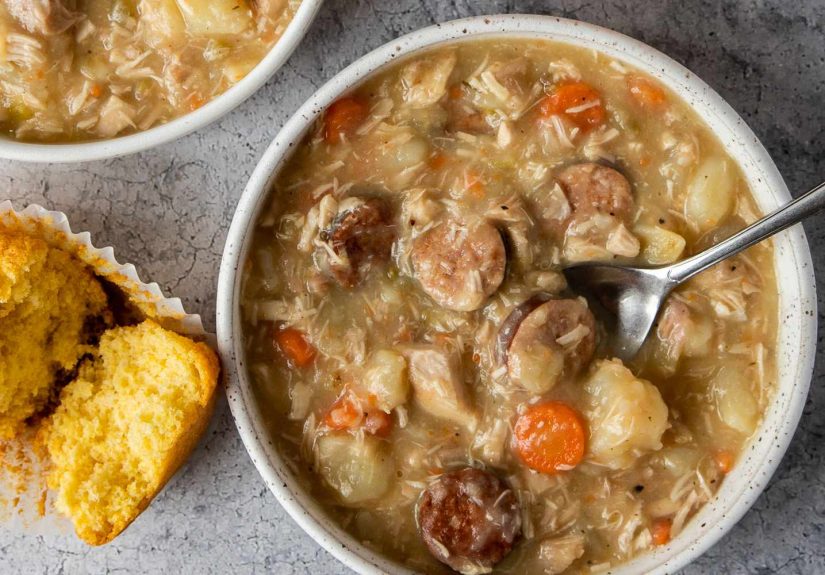
chicken and smoked sausage stew is your new best friend. It’s smoky, hearty, and packed with cozy vibes: tender chicken, savory
sausage, soft potatoes, and a broth that basically gives your kitchen a warm hug.
This is a one-pot, weeknight-friendly stew that still feels like “I cooked like an adult who has their life together.” Spoiler:
you can absolutely make it in sweatpants.
Why This Stew Works
Chicken can be polite. Smoked sausage is not. Put them together and you get the best of both worlds:
chicken brings tenderness and soaks up flavor, while sausage contributes smokiness, fat (aka flavor currency),
and a little “wow, what is that?” in every bite.
The flavor logic (aka the delicious science)
- Browning chicken and sausage creates deep, savory flavor (the tasty stuff stuck to the pot is not “burnt,” it’s opportunity).
- Aromatics like onion, celery, and bell pepper build a sweet-savory base that makes the stew taste “rounded,” not flat.
- Starches (potatoes and/or beans) make it hearty and naturally thicken the broth.
- Finishing greens (kale or spinach) add color, freshness, and a tiny moment of virtue.
The result: a chicken and smoked sausage stew recipe that’s comforting, meal-prep friendly, and genuinely better the next day.
Yesthis stew ages like a fine… stew.
Ingredients You’ll Need
This recipe is flexible. Don’t panic if your grocery store doesn’t carry the exact sausage you pictured in your head at 2 a.m.
Use what’s available, and aim for “smoky and savory.”
Core ingredients
- Chicken thighs (boneless, skinless), about 1 1/2 to 2 pounds, cut into bite-size pieces
- Smoked sausage (kielbasa or other smoked sausage), 12 to 14 ounces, sliced into half-moons
- Onion, 1 medium, diced
- Celery, 2 stalks, diced
- Bell pepper, 1 medium, diced (any color)
- Garlic, 3 to 5 cloves, minced
- Potatoes, 1 1/2 pounds, cut into 3/4-inch chunks (Yukon Gold or red potatoes are great)
- Diced tomatoes, 1 can (14–15 oz), with juices
- Chicken broth, 4 cups (low-sodium helps you control salt)
- Kale or spinach, 2 to 3 cups (added at the end)
Seasoning and “make it taste like you meant to” extras
- Smoked paprika, 1 to 1 1/2 teaspoons
- Dried thyme, 1 teaspoon (or 1 tablespoon fresh)
- Bay leaf, 1
- Black pepper, 1/2 teaspoon (more to taste)
- Salt, to taste (start light; sausage and broth vary)
- Crushed red pepper flakes, optional (for a gentle heat)
- Lemon juice or apple cider vinegar, 1 to 2 teaspoons (for brightness at the end)
Optional add-ins (choose your adventure)
- White beans (cannellini or great northern), 1 can, drained and rinsed (for extra body)
- Carrots, 1 to 2, diced (adds sweetness)
- Okra (fresh or frozen), 1 to 2 cups (adds stew texture and Southern vibes)
Equipment
- Large Dutch oven or heavy-bottom pot (5 to 7 quarts)
- Wooden spoon
- Knife + cutting board
Step-by-Step Instructions
This method is built for big flavor with minimal fuss. You’ll brown, sauté, simmer, and then wonder why you don’t make stew more often.
Recipe overview
- Prep time: ~15 minutes
- Cook time: ~45 minutes
- Total time: ~1 hour
- Makes: 6 servings (more if your “servings” are realistic instead of restaurant-sized)
-
Brown the sausage.
Heat 1 tablespoon oil in a Dutch oven over medium-high heat. Add the sliced smoked sausage and cook 3 to 5 minutes,
stirring occasionally, until browned in spots. Transfer sausage to a plate. -
Brown the chicken.
Add the chicken pieces to the same pot (add a splash more oil if the pot looks dry). Season lightly with salt and pepper.
Cook 4 to 6 minutes, turning to brown on a couple sides. It does not need to be fully cooked yet. Transfer chicken to the plate. -
Sauté the aromatics.
Lower heat to medium. Add onion, celery, and bell pepper. Cook 5 to 7 minutes, scraping up the browned bits on the bottom of the pot.
Add garlic and cook 30 seconds, just until fragrant (garlic burns fast and holds grudges). -
Build the stew base.
Stir in smoked paprika, thyme, and black pepper. Add diced tomatoes and cook 1 minute to wake them up.
Pour in chicken broth and add the bay leaf. -
Add potatoes and simmer.
Add the potatoes (and carrots if using). Bring to a gentle boil, then reduce to a steady simmer.
Cover and cook 18 to 22 minutes, or until the potatoes are tender when pierced with a fork. -
Return the chicken and sausage.
Add the browned chicken and sausage back to the pot. Simmer uncovered 8 to 12 minutes, or until the chicken is cooked through.
(If you use a thermometer, chicken is considered safely cooked at 165°F.) -
Finish with greens and brightness.
Stir in kale and cook 2 to 4 minutes until wilted (spinach will take 1 minute). Turn off heat and add a small squeeze of lemon juice
or a splash of apple cider vinegar. Taste and adjust salt, pepper, and heat. -
Rest (optional but excellent).
Let the stew sit 10 minutes before serving. The flavors settle down and become best friends.
Quick thickening options (no weird tricks)
- Potato mash: Mash a few potato chunks against the side of the pot and stir back in.
- Bean boost: Stir in a can of white beans (they naturally thicken the broth).
- Simmer uncovered: Let it bubble gently 5 to 10 extra minutes.
Pro Tips (Without the Chef Ego)
1) Pick the right chicken cut
Chicken thighs stay juicy and forgiving even if you simmer a little long. Chicken breast works toojust keep the final simmer shorter
so it doesn’t turn into polite, dry cubes.
2) Use smoked sausage as a seasoning
Think of sausage like a flavor concentrate. Even 12 ounces can season a whole pot. Browning it first renders flavorful fat and adds depth.
3) Don’t rush the aromatics
Onion, celery, and bell pepper (often called the “holy trinity” in Cajun/Creole cooking) create a sweet-savory backbone that makes the stew taste
slow-cookedeven if you made it on a Tuesday.
4) Brightness is the secret finishing move
A tiny splash of acid (lemon juice or apple cider vinegar) at the end makes everything taste more alive. Not sourjust brighter.
5) Salt at the end (mostly)
Broth and sausage vary wildly in salt. Start modestly, taste near the end, then adjust. Your future self will thank you.
Easy Variations
Cajun-style chicken and smoked sausage stew
Add extra smoked paprika, a pinch of cayenne, and an extra bell pepper. Consider adding okra for body.
Serve with rice if you want it to feel like a bowl of Southern comfort.
White bean chicken and sausage stew
Stir in 1 can of drained white beans during the final 10 minutes. The beans make the stew creamy without adding dairy, and the leftovers get thicker in the best way.
Veggie-loaded “clean out the fridge” version
Add chopped zucchini, green beans, corn, or mushrooms. Add quick-cooking vegetables during the last 10 minutes so they don’t melt into sadness.
Slow cooker method
- Brown sausage and chicken first (worth it for flavor).
- Add everything except greens to the slow cooker.
- Cook on LOW 6 to 7 hours or HIGH 3 to 4 hours, until potatoes are tender.
- Stir in greens at the end and let wilt for a few minutes.
Instant Pot method
- Sauté sausage, then chicken, then aromatics right in the pot.
- Add broth, tomatoes, potatoes, seasonings.
- Pressure cook 8 minutes, quick release, then simmer a few minutes to thicken.
- Stir in greens at the end.
Serving Ideas
- Crusty bread for dipping (because bowls deserve accessories).
- Steamed rice for a heartier, Southern-style dinner.
- Simple salad with a tangy vinaigrette to balance the richness.
- Hot sauce for people who believe “mild” is a personal insult.
Storage, Freezing, and Reheating
This stew is meal-prep gold. It thickens overnight and tastes even better the next day.
Refrigerator
Cool and refrigerate promptly. Stored in an airtight container, it’s best enjoyed within 3 to 4 days.
Freezer
Freeze in portioned containers for up to 2 to 3 months for best quality. Thaw overnight in the fridge for easiest reheating.
Reheating
- Stovetop: Warm over medium-low heat, stirring occasionally. Add a splash of broth if it thickened too much.
- Microwave: Heat in intervals, stirring between, until steaming hot.
Food safety note: don’t leave perishable foods sitting out for longget leftovers chilled within about 2 hours.
FAQs
What kind of smoked sausage works best?
Any fully-cooked smoked sausage you like: kielbasa is mild and smoky; spicier smoked sausages bring more heat. If your sausage is intensely salty,
use low-sodium broth and go easy on added salt.
Can I use chicken breast instead of thighs?
Yes. Brown it the same way, but reduce the final simmer after adding it back injust cook until done, then stop. Breast dries out if you simmer it too long.
How do I make it thicker?
Mash a few potato chunks, add beans, or simmer uncovered a bit longer. Thickening should be easy and low-drama.
Is this recipe spicy?
It’s as spicy as you make it. Choose a mild sausage and skip red pepper flakes for a family-friendly version.
Use a spicier sausage and add cayenne for heat lovers.
Extra: Real-Life Stew Experiences ()
Here’s the funny thing about a chicken and smoked sausage stew recipe: you can plan to make it for dinner, but it has a sneaky side hustle as a
“life organizer.” It clears out random vegetables, turns leftover broth into something exciting, and somehow makes you feel like you made a responsible
choiceeven if you ate it while standing at the counter.
The first time I made a chicken-and-sausage stew like this, I treated smoked sausage like a normal ingredient instead of the flavor engine it is.
Translation: I didn’t brown it. I just tossed it in and hoped for magic. The stew was fine… but it didn’t have that “smoky, savory, can’t-stop-eating”
depth. The next time, I browned the sausage first and watched it caramelize in spots. The smell alone felt like a cooking show montage. Suddenly,
the stew tasted like it had a backstory.
Another real-world lesson: potatoes are not all the same. Russets can break down and thicken the stew (which can be great), but Yukon Golds stay creamy
and hold their shape. When you want your stew to look like a stew instead of “delicious porridge,” Yukon Golds are the move. That said, if your stew
accidentally turns thick and cozy, just call it “rustic” and move on with your life.
Then there’s the “greens timing” moment. If you add spinach at the beginning, it basically vanishes and becomes a rumor. Kale can handle more heat,
but even kale doesn’t need to be punished for 45 minutes. I’ve started treating greens like a finishing touch: add them late, let them wilt, and stop.
The payoff is color, freshness, and a little biteplus you can tell yourself you made something balanced.
My favorite experience with this stew is the leftovers situation. Day one: you’re thrilled. Day two: you’re shocked because it’s even better. Day three:
you’re eating it straight from the container like a goblin who discovered comfort food. The broth thickens as it sits, the flavors settle, and the smoky
sausage has time to spread its personality through the whole pot. If you meal prep, this is the kind of recipe that actually rewards you for planning ahead.
And finally: serving strategy. If you’re feeding a crowd, put out crusty bread and let people dip. If you’re feeding yourself after a long day, serve it in
the biggest bowl you own. If someone asks what’s in it, say: “Chicken, smoked sausage, vegetables, and emotional support.” It’s not inaccurate.