Table of Contents >> Show >> Hide
- What are starchy foods, exactly?
- Why starchy foods can be good for you
- Healthy starchy options to choose more often
- What to avoid (or keep as “sometimes foods”)
- How to build a balanced plate with starch (without the blood sugar roller coaster)
- Shopping and label-reading cheat sheet
- Specific examples: easy upgrades that don’t feel like punishment
- Real-life experiences with starchy foods (about )
- Wrapping it up
Starchy foods have a reputation problem. Somewhere along the way, “starch” got lumped into the same box as “sugary cereal for dinner” and “mystery fries that taste like regret.”
But starch itself isn’t the villain in a nutrition movie. It’s a form of carbohydrateyour body’s main go-to fueland it can be part of a healthy eating pattern when you pick the right types,
cook them smartly, and keep portions from quietly growing into “wow, that’s a lot of pasta” territory.
This guide breaks down what counts as a starchy food, why some starchy choices are genuinely good for you, which options deserve VIP status in your kitchen, and what to limit (or avoid)
if you want better energy, steadier blood sugar, and a diet that feels realisticnot like a punishment.
What are starchy foods, exactly?
“Starchy foods” usually means foods that contain a lot of starch, a complex carbohydrate made of glucose units linked together. When you eat starch, your body breaks it down into glucose
(blood sugar) to fuel muscles, organs, and your brain. The key detail: different starchy foods digest at different speeds depending on fiber, processing, cooking method, and what you eat with them.
Starchy vegetables
These are vegetables with more carbohydrate and calories per serving than non-starchy vegetables. They still bring nutrients and can absolutely fit into a balanced plateespecially when roasted,
baked, boiled, or air-fried instead of deep-fried.
- Potatoes (white and sweet)
- Corn
- Green peas
- Winter squash (butternut, acorn)
- Plantains and yams
Grains (and foods made from them)
Grains are a major source of dietary starch. The healthiest picks tend to be whole grains (more on that in a second), while more processed grain foods are often refined and
easier to overeat.
- Whole grains: oats, brown rice, quinoa, barley, bulgur, whole wheat, farro
- Refined grains: white rice, white bread, many crackers, many pastries
- Pasta and bread can be eitherdepending on whether they’re made from whole grains
Legumes (beans, lentils, chickpeas)
Legumes are “starchy,” but they’re also fiber-rich and protein-containing, which makes them a nutrition power move. They often digest more slowly and keep you full longer than refined starches.
- Black beans, pinto beans, kidney beans
- Lentils (brown, green, red)
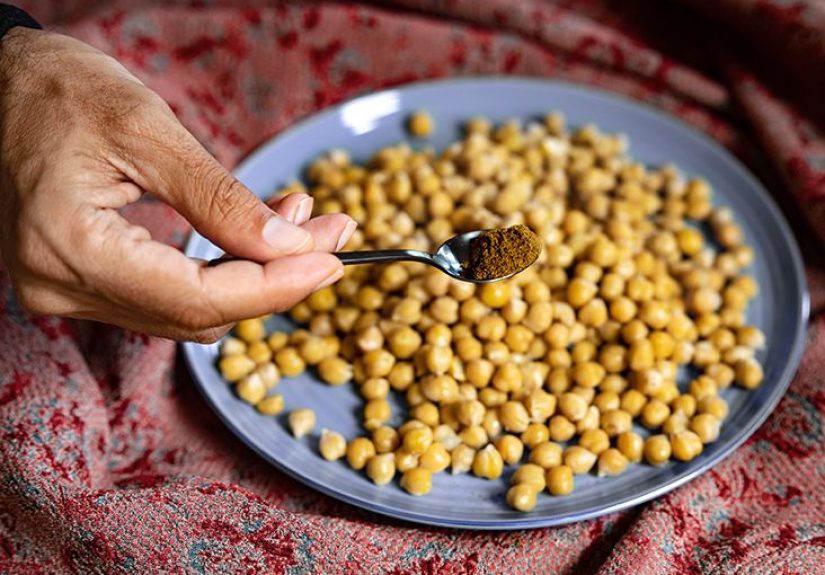
- Chickpeas (hello, hummus)
- Split peas
Starch vs. sugar vs. fiber (they’re all carbs)
Carbohydrates come in different forms: sugars, starches, and fiber. Sugars and starches can raise blood glucose because they’re digested into glucose. Fiber mostly passes through undigested,
slowing digestion and supporting gut health. Many of the “best” starchy foods come packaged with fiberbecause nature is a pretty decent nutritionist.
Why starchy foods can be good for you
1) They provide usable energy (without needing a pep talk)
Your brain and red blood cells rely heavily on glucose. Starchy foods can help you feel energized and mentally sharpespecially when you choose less-processed options that digest more gradually.
If you’re active, starch can also help refill muscle glycogen (stored carbohydrate) after workouts.
2) Many starchy foods are fiber-richgreat for heart and gut health
Whole grains, beans, and some starchy vegetables provide dietary fiber, which helps support regular digestion and can help with cholesterol and blood sugar management. Fiber also makes meals more
satisfyinghelpful if you’re trying to avoid the “I’m hungry again 47 minutes later” problem.
3) They often come with important micronutrients
The more intact the food, the more nutrients typically tag along. Whole grains can provide B vitamins, minerals like magnesium and iron, and beneficial plant compounds. Potatoes bring potassium;
beans contribute folate and iron; oats and barley offer special soluble fibers that support heart health.
4) Resistant starch: the “starch” that behaves a bit like fiber
Some starch resists digestion in the small intestine and acts more like fiber, feeding beneficial gut bacteria in the large intestine. This is called resistant starch.
It’s found naturally in foods like legumes and slightly green bananas, and it can increase in cooked-and-cooled starches (think cooled potatoes or rice).
Resistant starch isn’t a magic wand, but it’s a helpful reminder that preparation matters. Sometimes your leftovers are doing more than just taking up fridge spacethey’re upgrading their digestion
profile.
Healthy starchy options to choose more often
If you want starchy foods that love you back, aim for options that are minimally processed and naturally higher in fiber. Here are practical, everyday picks.
Whole grains (the steady-energy classics)
- Oats: great for breakfast; choose rolled or steel-cut for more texture and satiety.
- Brown rice or wild rice: more fiber and nutrients than white rice.
- Quinoa: technically a seed, but used like a grain; provides protein and fiber.
- Barley: hearty, chewy, and excellent in soups and grain bowls.
- Whole wheat pasta: a smoother transition if you’re not ready to marry farro yet.
- 100% whole wheat bread or corn tortillas: check labels; marketing can be sneaky.
Legumes (fiber + protein = hunger management MVP)
- Beans in tacos, chili, salads, or blended into dips
- Lentils in soups, curries, or as a base for a warm salad
- Chickpeas roasted for crunch or mashed into sandwiches
Starchy vegetables (nutrient-dense comfort food)
- Potatoes: baked or roasted; keep the skin when you can for extra fiber.
- Sweet potatoes: naturally sweet, great roasted, mashed, or cubed into bowls.
- Winter squash: creamy texture without needing a gallon of cream.
- Corn and peas: easy add-ins for balanced mealsjust watch portions if blood sugar is a concern.
What to avoid (or keep as “sometimes foods”)
The main issue isn’t “starch.” It’s highly refined, heavily processed starchoften paired with lots of added sugar, sodium, and saturated fat. That combo digests fast, spikes
blood sugar, and makes it easy to eat more than you planned.
Refined grains that act like fast fuel (and then vanish)
- White bread, many bagels, many crackers
- Most pastries, donuts, cakes, cookies
- Many sugary breakfast cereals
- Instant rice products with lots of added sodium
Fried starchy vegetables (especially as your “main vegetable”)
Potatoes aren’t the problemdeep-frying and salty, high-fat add-ons are. Fries, chips, and heavily loaded potato dishes can turn a decent food into a calorie-dense, low-satiety situation fast.
If you love fries, consider “make them rarer” rather than “ban them forever.”
Ultra-processed starch snacks
- Chips, cheese puffs, crackers engineered to disappear in your mouth
- Snack cakes and packaged desserts
- “Energy” bars that are basically candy with better PR
Portion creep (the silent saboteur)
Even healthy starchy foods can cause blood sugar swings or weight gain if portions get huge and crowd out protein, vegetables, and healthy fats. Most people do best when starch is
part of the meal, not the whole meal.
How to build a balanced plate with starch (without the blood sugar roller coaster)
A simple method that works for many people: build meals so starch has support from fiber, protein, and healthy fats. That slows digestion and helps you feel satisfied longer.
The “balanced plate” approach
- Half the plate: non-starchy vegetables (leafy greens, peppers, broccoli, tomatoes)
- One quarter: protein (fish, chicken, tofu, eggs, Greek yogurt)
- One quarter: high-fiber carbs (beans, whole grains, starchy vegetables)
- Add a little fat: olive oil, avocado, nuts, seeds (flavor + fullness)
If you have diabetes or prediabetes
Starchy foods are still possible, but quality and consistency matter. Pair starch with protein and non-starchy vegetables, choose higher-fiber carbs most of the time, and pay attention to how
different foods affect your body. If you count carbohydrates, starches are a major place where portions add up quicklyso measuring once in a while can be surprisingly helpful.
If you’re trying to manage weight
Don’t “delete carbs.” Instead, upgrade them. Switching from refined grains to whole grains and legumes often increases fiber and fullness, making it easier to eat an amount that fits your needs.
Also: watch the toppings. A baked potato can be a smart carb; a baked potato wearing a tuxedo made of butter, sour cream, and bacon bits is… a different vibe.
If you’re active (sports, workouts, busy schedules)
Starch can be a useful tool. Many active people feel and perform better when they include carbsespecially around training. The trick is choosing options that digest well for you (some prefer rice
or oats; others love potatoes) and balancing overall intake through the day.
Shopping and label-reading cheat sheet
Food packaging is basically a marketing festival. Use a few quick checks to find healthier starchy foods.
- Look for “100% whole” wording (example: 100% whole wheat, 100% whole grain oats).
- Check the ingredient list: “whole wheat” or “whole grain” near the top is a good sign.
- Fiber matters: aim for at least a few grams of fiber per serving when possible.
- Watch added sugars: some “whole grain” products still contain a lot of added sugar.
- Keep sodium in mind: flavored rice mixes, instant noodles, and packaged starch sides can be very high in sodium.
Specific examples: easy upgrades that don’t feel like punishment
Breakfast
- Swap sugary cereal for oats topped with berries and a spoon of peanut butter.
- Try whole grain toast with eggs and a side of fruit.
- Make overnight oats (bonus points if you like “breakfast you don’t have to think about”).
Lunch
- Use beans or lentils in salads for a fiber and protein boost.
- Choose a whole grain wrap and pack it with veggies and a protein.
- Build a grain bowl: quinoa + roasted vegetables + chicken or tofu + olive oil/lemon dressing.
Dinner
- Roast sweet potatoes alongside salmon and broccoli.
- Make chili with beans, tomatoes, and lean meat (or go vegetarian).
- Try whole wheat pasta with a veggie-heavy sauce and a protein (chicken, shrimp, or white beans).
Snacks
- Roasted chickpeas for crunch (season them like you mean it).
- Air-popped popcorn (a whole grain) instead of chips.
- Apple slices with nut buttersweet, filling, and not “sad diet food.”
Real-life experiences with starchy foods (about )
Here’s what “starchy foods, but smarter” often looks like in real lifemessy schedules, picky taste buds, and all. Many people start this journey believing they have two choices:
either avoid starch entirely or accept that every carb equals a blood sugar spike and a nap. The truth is way less dramatic (and more useful).
A common experience: someone swaps a refined breakfastlike a giant bagel or sweet cerealfor oats with fruit and a protein add-on (nuts, yogurt, or eggs on the side). The immediate report is
surprisingly consistent: fewer mid-morning cravings and less “I need a snack the size of my head at 10:30 a.m.” That’s not magic; it’s fiber and protein slowing digestion and keeping the meal
satisfying.
Another familiar moment happens at lunch. A plate of white pasta by itself can feel like a burst of energy followed by a slump that makes your inbox look even more rude than usual. When people
keep pasta but switch to whole wheat (or simply reduce the portion) and add vegetables plus chicken or beans, the meal tends to feel steadier. You still get comfort food, but with a better
“staying power” effect. It’s like giving your carbs a responsible adult chaperone.
For those watching blood sugar, the biggest “aha” often isn’t a single foodit’s the combination. Many people notice that a small serving of rice paired with salmon and a big pile of vegetables
lands differently than the same rice eaten with a sugary drink and not much else. The plate context changes digestion speed. People also learn that cooking style matters: baked potatoes with the
skin, or roasted sweet potatoes, usually feel more satisfying than fries (which are easy to inhale quickly and hard to portion).
Then there’s the “leftovers are secretly helpful” experience. Some people experiment with cooked-and-cooled starcheslike making rice or potatoes ahead of time and using them in salads or
reheated meals. They often report feeling fuller and noticing a gentler post-meal energy curve. This lines up with what we know about resistant starch increasing in certain cooked-and-cooled
foods. It’s not an excuse to eat unlimited pasta because it sat in the fridge overnight, but it can be a practical strategy for meal prep.
Finally, the most universal experience: perfection isn’t required. People who succeed long-term don’t label foods as “good” or “bad” and then spiral when they eat a cookie. They keep the main
pattern strongwhole grains, beans, starchy vegetables cooked in reasonable wayswhile letting “sometimes foods” stay sometimes. The result is a diet that supports health without turning dinner
into a moral exam. And honestly, your sandwich should not be able to ruin your entire day.
Wrapping it up
Starchy foods can be a healthy part of your dietespecially when you emphasize whole grains, beans, lentils, and nutrient-rich starchy vegetables. The “what to avoid” list is less about starch
itself and more about refined, ultra-processed versions (and cooking methods) that strip away fiber and add a lot of sugar, sodium, or fat.
If you want a simple rule: choose starch that still looks like a real food, pair it with protein and vegetables, and keep portions reasonable. That’s how you get the benefits
without the crash.