Table of Contents >> Show >> Hide
- Start With a Simple Game Room Plan (It Takes 10 Minutes)
- 29 Game Room Ideas You Can Steal Immediately
- Choose one “hero game” and build around it
- Create zones: active games vs. chill games
- Use a floating layout instead of wall-hugging furniture
- Pick seating that fits how you actually play
- Add a dedicated board game table (or a topper)
- Build in bench seating with hidden storage
- Do open shelving for “grab-and-play” games
- Use labeled bins for small stuff that multiplies overnight
- Create a “controller + headset” landing zone
- Plan power like a pro: outlets, surge protection, and charging
- Layer lighting: overhead + task + accent
- Use dimmers everywhere you can
- Add behind-the-screen lighting for comfort
- Go big on one statement wall
- Create a retro arcade corner
- Pick one “table game” that matches your space
- Try a dartboard setupdone safely
- Add a VR/motion-gaming zone with “clear space rules”
- Install sound-friendly materials (your ears will notice)
- Use simple acoustic treatment in the right spots
- Upgrade your audio layout (even a little)
- Go projector-style for a true “event night” feel
- Create a mini snack bar (no bartender required)
- Use washable, durable surfaces where it counts
- Pick flooring that’s comfy, quiet, and tough
- Make display space for collectibles (without clutter)
- Turn corners into “micro-zones”
- Use color strategically: energize or calm
- Basement-specific idea: manage moisture before you decorate
- Design it to flex: guests, kids, tournaments, movie nights
- How to Make Your Game Room Feel “High-End” (Even on a Normal Budget)
- of Real-World Game Room Experience (What People Learn After the “Fun Stuff” Is Installed)
- Conclusion
- SEO Tags
A great game room isn’t just “a TV and a beanbag.” It’s an entertainment space that feels easy to use, comfortable for long hangouts,
and flexible enough to handle everything from board games to console marathons to “one more round” pool.
Below are 29 game room ideas you can mix and match for a basement game room, a spare-bedroom gaming setup, a garage rec room,
or even a small game nook. The goal: less clutter, better flow, and maximum funwith fewer arguments about whose turn it is.
Start With a Simple Game Room Plan (It Takes 10 Minutes)
Before you buy a neon sign shaped like a joystick (no judgment), plan your room like a mini venue: where people sit, where the “action”
happens, and where all the stuff lives. A little layout thinking now saves you from later realizing the dartboard is directly above the couch.
Quick checklist
- Pick your “main event”: console gaming, board games, pool, arcade machines, or a home theater vibe.
- Zone the space: loud/active games away from quiet/tabletop games.
- Plan power: outlets, surge protection, and cable paths (before your floor becomes a wire jungle).
- Think comfort: seating, lighting, temperature, and sound control.
- Storage wins: if it doesn’t have a home, it will live on the floor. Forever.
29 Game Room Ideas You Can Steal Immediately
-
Choose one “hero game” and build around it
Anchor the room with a centerpiecelike a pool table, a big-screen gaming setup, or a dedicated board game tablethen design the rest
to support it. This keeps your game room from feeling like a random warehouse of fun-shaped objects. -
Create zones: active games vs. chill games
Put movement-heavy stuff (air hockey, VR, mini basketball) on one side and quieter hangout zones (sofa, board games, cards) on the other.
You’ll reduce noise clashes and prevent someone’s victory dance from knocking over the Jenga tower. -
Use a floating layout instead of wall-hugging furniture
If space allows, float a sofa or sectional facing the screen, with a slim console table behind it for chargers and controllers.
This creates a “room within the room,” making the space feel intentionally designednot like furniture waiting for a moving truck. -
Pick seating that fits how you actually play
For console gaming, prioritize supportive seating and good sightlines. For tabletop gaming, prioritize upright chairs and elbow room.
A game room that “looks cool” but hurts your back is basically a decorative chiropractor referral. -
Add a dedicated board game table (or a topper)
A table with a wipeable surface, cup holders, and comfortable chairs makes game night effortless. If you need flexibility, use a dining table
plus a removable topper or mat so you can convert from “puzzle mode” to “pizza mode” fast. -
Build in bench seating with hidden storage
Benches along a wall (or under a window) add lots of seating without bulky furniture. Choose lift-top or drawer storage so board games,
extra controllers, and cables vanish when guests arrive. -
Do open shelving for “grab-and-play” games
Open shelves encourage people to actually use what you own. Sort by category (party games, strategy, kids, co-op), and keep the most-used
items at eye level. Your future self will thank you during “we have 10 minutesquick game!” moments. -
Use labeled bins for small stuff that multiplies overnight
Dice, decks of cards, cables, spare batteries, VR accessoriesthese items breed. Labeled bins (or drawer organizers) keep the room clean
and help everyone put things back without a scavenger hunt. -
Create a “controller + headset” landing zone
Mount hooks, a small shelf, or a pegboard near the console/PC. When everything has a visible home, you reduce the classic
“Where’s the other controller?” debate that ends friendships. -
Plan power like a pro: outlets, surge protection, and charging
Add a surge protector with enough spacing for bulky plugs, then include a charging station for controllers and handhelds.
Bonus points for a hidden cable tray or raceway so your floor doesn’t look like it’s auditioning for a spaghetti documentary. -
Layer lighting: overhead + task + accent
Game rooms need flexible lighting: bright for board games, dim for movies, and fun for vibes. Combine overhead lighting with a table lamp
or wall sconces, then add accent lighting for personality. -
Use dimmers everywhere you can
Dimmers are the easiest “upgrade” for an entertainment space. One setting for competitive tabletop nights, one for chill hangouts,
and one for “cinematic dramatic lighting” that makes snacks feel expensive. -
Add behind-the-screen lighting for comfort
Soft backlighting behind a TV or projector screen can reduce harsh contrast in a dark room and makes the setup look premium.
It’s also a sneaky way to make the whole wall feel intentionaleven if the rest of the room is still “in progress.” -
Go big on one statement wall
Try a bold paint color, wallpaper, a mural, or a gallery wall of framed posters. A single statement wall gives the room a “designed” feel
without needing to decorate every inch. Also: it’s a great background for photos that don’t show your snack crumbs. -
Create a retro arcade corner
If you love classic vibes, dedicate one corner to an arcade cabinet, pinball machine, or a compact tabletop arcade unit. Add a small stool,
a neon-style sign, and a shelf for tokens (or, realistically, spare change you found in the couch). -
Pick one “table game” that matches your space
Pool tables need room for cue clearance, while foosball and air hockey can work in tighter footprints. Choose based on traffic flow:
you want people moving around the gamenot squeezing sideways like they’re sneaking past sleeping dragons. -
Try a dartboard setupdone safely
Mount a dartboard with a protective backer (cork, rubber, or a dedicated dartboard surround) and keep it away from seating paths.
Add a small scoreboard area or a chalkboard for that satisfying “serious tournament” energy. -
Add a VR/motion-gaming zone with “clear space rules”
Designate an open area with minimal furniture, a soft rug or mat, and wall hooks for VR gear. Consider marking boundaries on the floor
so people don’t drift into a lamp while fighting imaginary dragons. -
Install sound-friendly materials (your ears will notice)
Rugs, curtains, upholstered seating, and soft wall décor help reduce echo, especially in basements or rooms with hard surfaces.
If your room sounds like a gymnasium, even great speakers will feel harsher than they should. -
Use simple acoustic treatment in the right spots
If you’re serious about audio, place acoustic panels at key reflection points (often side walls and rear wall areas) and combine with soft
furnishings. You don’t need a recording studiojust fewer “bouncy” surfaces and smarter placement. -
Upgrade your audio layout (even a little)
Whether you use a soundbar or separate speakers, placement matters. Keep your main speakers aligned with the viewing position and avoid
burying them inside cabinets. Small adjustments can make dialogue clearer and games more immersive. -
Go projector-style for a true “event night” feel
A projector can turn a modest room into a huge-screen entertainment space. If you choose one, measure carefully and match throw distance,
screen size, and seating so the image is bright and comfortable to watch. -
Create a mini snack bar (no bartender required)
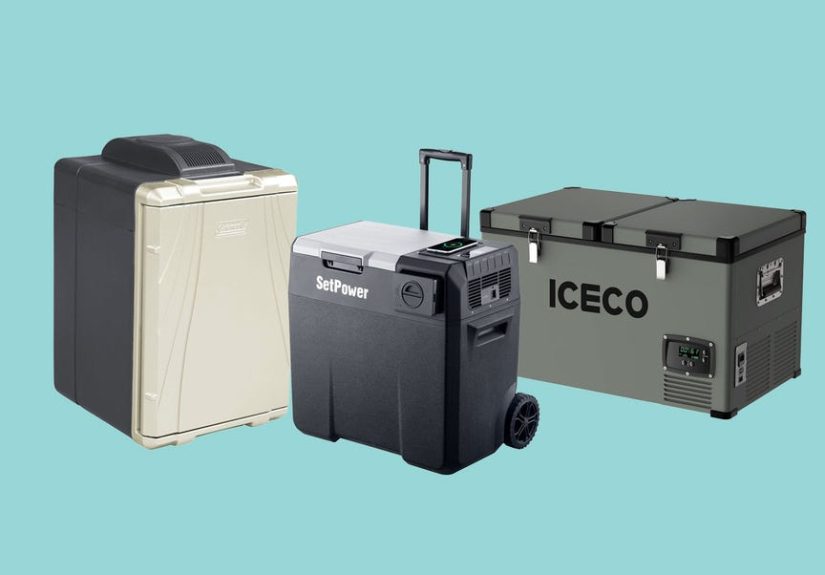
Add a counter, a small cart, or a narrow cabinet for snacks, napkins, and drinks. A compact fridge for sodas and water is a game room hero.
This keeps people from constantly leaving the roomand keeps your kitchen from becoming Grand Central Snack Station. -
Use washable, durable surfaces where it counts
Choose wipeable paint, performance fabric, or washable slipcovers. Game rooms are high-traffic by naturespills happen, hands are sticky,
and someone will absolutely set a drink down where you begged them not to. -
Pick flooring that’s comfy, quiet, and tough
In basements or bonus rooms, consider carpet tiles, area rugs over resilient flooring, or other comfortable options that reduce noise.
The best game room flooring is durable enough for chairs to move easily, but soft enough for long hangouts. -
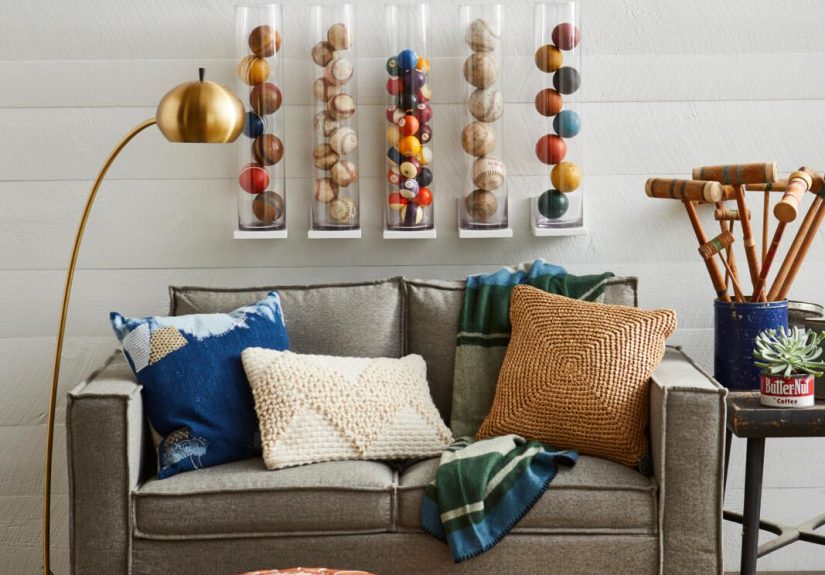
Make display space for collectibles (without clutter)
Floating shelves, lit display cabinets, and shadow boxes let you show off collectibles and trophies without scattering items everywhere.
Keep it curated: a few intentional displays look impressive; a hundred random items looks like a museum gift shop exploded. -
Turn corners into “micro-zones”
A corner can become a puzzle station, a reading nook, a mini card table, or a handheld gaming chair with a side table.
Corners are where game rooms quietly become greatlike the supportive friend of room design. -
Use color strategically: energize or calm
Bright colors add playful energy, while deeper tones can create a cozy, cinematic feel. If you’re unsure, keep walls neutral and add color
through art, rugs, pillows, and lightingeasy to swap when your tastes change. -
Basement-specific idea: manage moisture before you decorate
Basements can be damp, so prioritize airflow, humidity control, and materials that won’t hate you later. If you notice musty smells or
condensation, solve that firstbecause “new couch plus mystery moisture” is not a fun side quest. -
Design it to flex: guests, kids, tournaments, movie nights
The ultimate game room adapts. Use rolling stools, folding side chairs, nesting tables, and storage that makes cleanup fast.
Flexibility is the difference between “cool room” and “we actually use this room all the time.”
How to Make Your Game Room Feel “High-End” (Even on a Normal Budget)
Focus on the three upgrades people notice immediately
- Comfort: supportive seating, footrests, and surfaces that don’t wobble.
- Lighting: dimmers + layered lighting makes the room feel intentional.
- Organization: storage that keeps gear accessible but not messy.
If you’re choosing where to spend a little extra, prioritize the items you touch every time: chairs, tabletop surfaces, and lighting controls.
Those upgrades make the room feel better every daynot just in photos.
of Real-World Game Room Experience (What People Learn After the “Fun Stuff” Is Installed)
In real homes, the best game rooms aren’t the ones with the most equipmentthey’re the ones that get used the most. And what makes a room
“usable” usually comes down to a handful of practical lessons people discover after the first few game nights.
First: traffic flow matters more than you think. People naturally gather where seating feels easy and where snacks are nearby.
If the room forces everyone to squeeze past a foosball table to reach the couch, the foosball table becomes that expensive object everyone
apologizes to. A quick fix many homeowners end up making is shifting furniture into a “conversation loop”so players can watch, cheer,
and swap turns without blocking each other.
Second: sound is either your best friend or your biggest annoyance. In basements especially, hard surfaces can create echo
that makes voices sharper and game audio more fatiguing. A lot of people report the same “aha” moment: the room suddenly feels calmer
after adding a rug, curtains, and a couple of soft chairs. It’s not glamorous, but it changes the vibe from “loud cave” to “hangout spot.”
Third: storage is the difference between relaxing and constantly resetting the room. Families often start with a big bin
(“everything goes here!”), then realize that small items need smaller homes. After a few weeks, people tend to add a controller dock,
a labeled drawer for cables, and a dedicated shelf for the most-played board games. The room becomes easier to maintain because putting
things away takes seconds, not a full cleanup mission.
Fourth: lighting makes game night feel intentional. Many setups begin with one bright overhead light, then evolve into
layered lighting because different activities need different brightness. Board games and puzzles need clear task lighting. Console gaming
and movies feel better with dim, indirect light. And accent lighting becomes the room’s personalityespecially in windowless spaces where
a little glow keeps things cozy.
Finally: the “best” game room changes with your life. One season it’s a board game headquarters; another season it becomes
a movie lounge; later it might be the teen hangout zone or the place you host a family tournament. People who love their game rooms long-term
usually build in flexibility: a few movable seats, a table that can shift roles, and storage that can handle new hobbies without taking over
the entire floor. In other words, the ultimate entertainment space isn’t a museumit’s a room that’s ready for whatever fun shows up next.
Conclusion
The best game room ideas aren’t about copying a perfect photothey’re about designing an entertainment space that fits your space,
your people, and your kind of fun. Start with a simple plan, pick a few high-impact upgrades (comfort, lighting, storage), and build
from there. Your future game nights will be smoother, louder (in a good way), and significantly less chaotic.