Table of Contents >> Show >> Hide
Wood accent walls have a reputation problem. Say “wood feature wall” and someone, somewhere, will immediately picture
orange-toned paneling, a shag carpet, and a record player that’s seen things. But here’s the plot twist: wood isn’t the issue.
How we use wood is.
Done well, a wood accent wall reads timeless: warm, textured, architectural, and quietly confident. Done poorly, it’s a “trend souvenir”
you’ll want to remove as soon as your paint roller dries. This guide is for the first category50 wood accent wall ideas that feel current
today and still won’t make you cringe later. You’ll also get practical design rules, material suggestions, and a few “learned the hard way”
notes so your wall doesn’t become a weekend project that lives unfinished until retirement.
What Makes a Wood Accent Wall Look Timeless (Not Trendy)
1) It respects the architecture
The most “not dated” accent walls look like they belong to the home. That might mean matching trim profiles, aligning slats with window
muntins, or extending panel lines to relate to door heights. When the wall feels intentionallike it was always part of the planit ages better.
2) It uses wood like a material, not a costume
Real wood grain, believable proportions, and thoughtful finishing beat “hyper-themed” looks every time. If your wall screams “barn” in a condo
on the 18th floor, it’s going to date fast. If it simply adds texture and warmth, it sticks around.
3) It has restraint
Timeless accent walls typically do one strong thing at a time: a single pattern, a limited palette, a consistent thickness, a clear focal point.
When the design tries to be herringbone + neon paint + shelf gallery + quote sign, the room starts to feel like it’s yelling.
4) It’s finished in a way you can live with
Matte or satin finishes, natural tones, and colors pulled from real materials (oak, walnut, cedar, blackened wood, whitewashed pine) tend to last.
Ultra-glossy, overly gray “weathered” stains, or extreme contrast patterns can feel timestamped quickly.
Materials and Finishes That Don’t Age Out
- White oak / red oak: clean grain, flexible with modern, Scandinavian, and transitional spaces.
- Walnut: richer and moodier; gorgeous for midcentury-modern or “grown-up cozy.”
- Cedar / fir / pine: lighter, more casual; works well with clear coats or gentle whitewash.
- Birch plywood: budget-friendly, modern, and surprisingly elegant when the layout is intentional.
- Reclaimed wood: instant texture; best when balanced with simpler furniture and calmer colors.
- Veneer panels: a sleek way to get consistent grain and large-scale impact without full-thickness lumber.
Pro tip: whatever you choose, let the wood acclimate in the room before installation, and test finishes in the lighting you actually live in.
Wood under warm bulbs can look totally different than wood under daylight LEDs.
50 Wood Accent Wall Ideas That Aren’t Dated
Modern Slats and Linear Looks
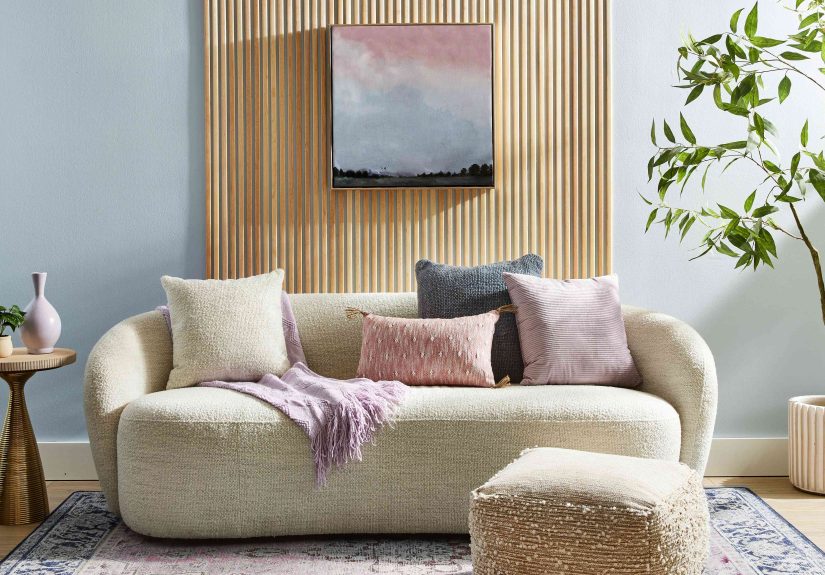
- Vertical slat wall (tight spacing): Clean, architectural, and great for making ceilings feel tallerespecially behind a sofa or bed.
- Vertical slat wall (wide spacing): Adds texture without visual noise; looks especially fresh in light oak or walnut tones.
- Slats that wrap a corner: Extend the slats 12–24 inches onto the adjacent wall for a custom, built-in vibe.
- Slatted half wall with a ledge: A practical accent: the ledge becomes a picture rail for frames, books, or small plants.
- Slat wall around a TV: Use vertical lines to “frame” the screen and hide cords with a shallow chase behind panels.
- Slats + hidden door: Continue the slat rhythm across a closet or office door so it disappears into the design.
- Slats behind open shelving: A warm, subtle backdrop that makes dishes, books, or décor look more curated.
- Slatted fireplace surround: Vertical slats soften a big fireplace mass and pair well with stone or plaster.
- Painted slats (same color as wall): Texture-only, no contrastan elegant way to add depth in small rooms.
- Acoustic slat panels: A smart option for offices or media rooms; they can reduce echo while adding style.
Classic Paneling, Updated
- Board and batten to chair-rail height: Classic, tidy, and perfect for dining rooms or hallways.
- Board and batten to the ceiling: Makes a room feel taller and more “designed”especially in a single, calm color.
- Picture-frame molding grid: Feels tailored and timeless; pair with a modern paint color for a fresh twist.
- Raised panel look (painted): Traditional shape, modern palettegreat for homes with historical details.
- Beadboard in a bathroom: Cottage-y in the best way; keep it crisp and simple to avoid theme overload.
- Tongue-and-groove vertical boards: Cleaner than horizontal lines and less “trend-coded.”
- Wainscoting with a bold top color: Wood below, paint abovean easy way to balance warmth and personality.
- Panel “drenching” (same finish everywhere): A cohesive, luxurious look when you repeat the panel style across one whole area.
- Trim paneling on a stair wall: Adds interest to an otherwise blank climb; works wonders in entryways.
- Paneling inside a niche or alcove: A “small commitment” accent that still feels intentional and custom.
Patterned Planks That Stay Sophisticated
- Herringbone planks behind a bed: A classic pattern that reads elevated when the stain is natural and the scale is right.
- Chevron (subtle, not high-contrast): Keep the wood tone consistent; let the geometry do the work.
- Diagonal planks (one direction): Simple but dynamicespecially good in home offices or playrooms.
- Running bond plywood panels: Like “subway tile,” but woodgraphic, modern, and budget-friendly.
- Geometric wood “tiles” (large scale): Bigger shapes read more timeless than tiny busy patterns.
- Framed plank inset: Create a rectangular “panel” of planks inside molding for a tailored feature wall.
- Planks that mimic a headboard: Stop at a height that makes sense for the bed and add sconces for a built-in look.
- Patterned wood only above wainscoting: Keeps the room grounded while still offering wow factor.
- Micro-shiplap in a small space: Thinner boards feel more modern than wide “farmhouse” planks.
- Herringbone as a kitchen backsplash extension: Use proper sealing; keep it to a low-splash zone or behind shelving.
Reclaimed and RusticWithout the Theme Park
- Reclaimed wood in one consistent tone family: Mixed texture, but controlled color keeps it refined.
- Reclaimed planks behind a modern sofa: The contrast (rustic + clean-lined) feels intentional and current.
- Reclaimed wood + black hardware: A simple pairing that reads modern-industrial without trying too hard.
- Reclaimed wood as a “stripe” band: Run a horizontal band across the room at eye level for subtle warmth.
- Pallet wood (smoothed + sealed): If you use it, prep it well; the “finished” look is what keeps it from feeling DIY-rustic.
- Shiplap in a natural stain (not white): The profile stays, but the finish updates the whole idea.
- Shiplap painted a moody color: Deep greens, charcoals, or inky blues can feel fresh when the rest of the room is calm.
- Reclaimed wood in a powder room: Small space, big impactpair with simple fixtures so it doesn’t overwhelm.
- Reclaimed wood on a ceiling accent strip: Not technically a wall, but it visually frames a wall and feels architectural.
- Rustic wood + plaster/stone textures: The mix looks collected, not themedespecially in neutral palettes.
High-Design Finishes and “Designer Tricks”
- White oak veneer panels (large format): Smooth, modern, and cleanperfect for minimal interiors.
- Walnut panels with integrated lighting: Add LED strips (hidden) to create a soft, hotel-like glow.
- Blackened wood (soft matte): Moody without being harsh; looks great with warm metals and creamy whites.
- Charred/shou sugi ban-inspired finish: Dramatic but grounded when used on one wall and balanced with simpler furniture.
- Wood panels behind a floating desk: A built-in look that makes home offices feel intentional (and Zoom-ready).
- Wood + fabric panels: Alternate wood strips with acoustic fabric for texture and better sound control.
- Wood accent wall inside built-ins: Line the back of shelving with wood so the whole unit looks custom.
- Wood-framed arched feature: Use thin wood to outline an arch and fill with vertical slats for a modern classic.
- Two-tone wood (same species, different finish): Subtle contrast, not “two random woods fighting.”
- Wood “monochrome” wall (same stain as trim): Matching the trim finish makes the wall feel like part of the architecture.
How to Pick the Right Idea for Your Room
Start with the focal point
The best accent walls anchor something: a bed, a fireplace, a dining table, a reading nook, or a TV wall. If the wall doesn’t have a job,
it can feel randomlike a haircut you got because you were bored.
Match scale to the space
Small rooms usually do better with finer textures (narrow slats, beadboard, tongue-and-groove) and calmer finishes. Large rooms can handle
big panels, bold stains, or chunkier battens.
Budget realistically
If you want maximum impact for fewer dollars, plywood layouts, MDF-based board-and-batten (painted), and pre-made wall panels can be great.
If you want a high-end look with less seam fuss, large veneer panels and clean slat systems tend to photograph beautifully.
Don’t skip the boring parts
Find studs, check for outlets and vents, plan your cut list, and consider how the wall meets baseboards and crown. Clean endings are what
separate “designer” from “we tried.”
of Real-World Experiences and Lessons (So Your Wall Stays “Not Dated”)
People rarely regret adding warmth to a roomwhat they regret is adding chaos. One of the most common experiences homeowners share after
installing a wood accent wall is that the wall becomes the room’s “volume knob.” If the wood is high-contrast, heavily patterned, or super dark,
it turns the volume up fast. That can be amazing in a dining room or office, but in a tiny bedroom it may feel like the wall is looming.
A practical lesson: test your finish on a larger sample than you think you need, and look at it in morning light, afternoon light, and at night.
Many “perfect” stains become orange, gray, or oddly green under certain bulbs.
Another real-life lesson: alignment matters more than perfection. Slightly imperfect seams are forgivable; crooked lines are not.
People who love their final result usually mention one specific thing: they planned the layout around the roomcentering patterns on the bed,
aligning slats with the fireplace, or making sure the design ends cleanly at corners. People who dislike the final result often say,
“It looked fine until the last few boards,” which is almost always a layout issue (starting in the wrong spot, not accounting for outlets,
or realizing too late that the last strip would be a sad, skinny sliver).
You’ll also hear this: wood accent walls change how you decorate. A strong feature wall can make busy art feel cluttered.
Many homeowners end up simplifying décor afterwardfewer frames, bigger pieces, calmer textilesbecause the wall is already doing a lot.
That’s not a bad thing, but it’s helpful to expect it. If you’re the kind of person who loves a maximal gallery wall, consider a subtler wood texture
(tone-on-tone slats, painted paneling, or a half-height treatment) so your art can still shine.
Maintenance is another “surprise” experience. Walls behind beds collect oils from hands and hair products; walls near kitchens deal with grease and steam.
People who chose a wipeable topcoat (matte polyurethane, hardwax oil, or a properly sealed finish) tend to stay happier long-term. In humid climates,
acclimation and sealing become even more important. Some DIYers also learn that pre-finished panels save a lot of messstaining a wall in place is possible,
but it’s not the relaxing hobby montage social media makes it look like.
Finally, the happiest projects usually share a mindset: “This is a design choice, not a trend chase.” When you pick wood tones you already love,
echo them elsewhere (a chair, a frame, a shelf), and keep the pattern clean, the wall feels like architecturenot a timestamp. And that’s the whole point:
a wood accent wall that looks good now, and still looks good when the next trend shows up asking for your attention.
Conclusion
Wood accent walls aren’t dated by defaultthey’re dated when they’re overly themed, overly contrasted, or disconnected from the room. Stick with
thoughtful scale, clean layout, and finishes that feel natural (or intentionally modern), and you’ll get a wall that looks architectural, warm,
and genuinely timeless. Pick one idea from the list, do the planning, and let the wood do what it does best: make a space feel like a place people
actually want to be.