Table of Contents >> Show >> Hide
- Why a Second House Hits Different
- The Before: What We Walked Into
- Our Renovation Plan: The Second-House Strategy
- Room-by-Room Before & After Tour
- Exterior: Curb Appeal That Actually Pulls Its Weight
- Entryway: From Shoe Avalanche to Sanity
- Living Room: Fixing the “One Big Light” Problem
- Kitchen: A Smart Upgrade Without a Full Gut (Mostly)
- Bathroom: Small Space, Big Visual Upgrade
- Primary Bedroom: The Calm Reset
- Backyard: Outdoor Living That Isn’t Just “Grass & Hope”
- What the “After Photos” Don’t Show (But You Should Know)
- How to Take Before & After Photos That Actually Look Impressive
- Common Second-House Renovation Mistakes (We Avoided… Mostly)
- Conclusion: The Best Part of the After
- Extra: 10 Renovation Experiences We Didn’t Expect (But Totally Lived)
The first house taught us how to own a home. The second house taught us how to edit onelike a ruthless movie director
who isn’t afraid to cut that “quirky” wall niche that only ever held one dusty candle and a spider.
This is our room-by-room renovation story, written to match the vibe of a classic before-and-after photo tour: what we started with,
what we changed, and why it worked. (Plus, a big “experience” section at the end, because renovations don’t just change housesthey change
the people who suddenly have strong opinions about grout.)
Why a Second House Hits Different
A “second house” isn’t always a vacation home. Sometimes it’s simply House #2: the next chapter after you outgrow the starter place,
move for work, need more space, or realize your family has hobbies that require actual square footage. Whatever the reason, the second time around
comes with a superpower: you already know where homes lie to you.
You know that “charming, vintage” can mean “drafty, mysterious wiring.” You know that “recently updated” can mean “someone replaced one faucet
and called it a day.” And you also know what matters most for day-to-day life: the flow from kitchen to living room, enough storage, lighting that
doesn’t make everyone look like they’re auditioning for a ghost documentary, and an entry that can handle shoes without becoming a chaotic pile of regret.
The Before: What We Walked Into
Our second house wasn’t a disaster, but it was stuck in a previous eralike it had been preserved in amber along with beige paint and builder-grade lighting.
The bones were good. The decisions were… historically interesting.
Before Snapshot: The Greatest Hits
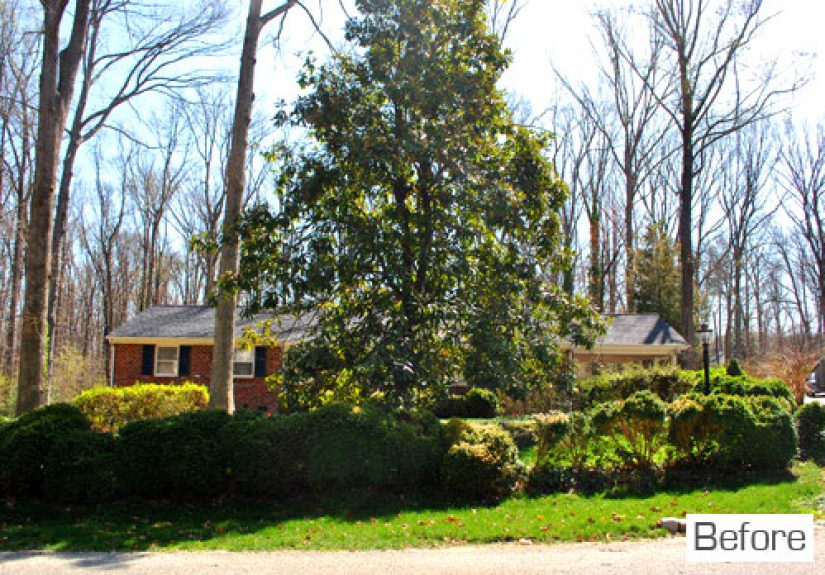
- Exterior: Faded paint, tired landscaping, and a front entry that whispered “welcome” in a voice so quiet no one heard it.
- Entry: No drop zone. No hooks. No bench. Just vibes and a narrow walkway.
- Living room: A dark corner problem and one overhead light that behaved like an interrogation lamp.
- Kitchen: Limited storage, dated hardware, and lighting that made every meal look like a sad museum exhibit.
- Bathrooms: Serviceable, but with old fixtures, tired tile, and mirrors that had seen things.
- Bedrooms: Fine layouts, but paint colors chosen by the ancient council of “Taupe & Friends.”
We took “before photos” of every room and every major anglebecause memory is a liar, and nothing motivates you like a picture of your old light fixture.
Our Renovation Plan: The Second-House Strategy
Renovating a second house felt less like “Let’s do everything!” and more like “Let’s do the right things, in the right order, without redoing work.”
That meant a clear sequence, a budget with breathing room, and decisions that balanced style with resale-friendly practicality.
1) We prioritized “livable” first
We tackled the projects that affected comfort and function before the “fun” aesthetic upgrades. Think:
leaks, electrical quirks, ventilation, insulation gaps, broken windows, sticky doors, and anything that could turn into a larger (more expensive)
surprise later.
2) We treated the timeline like a real thing (not a wish)
Renovation timelines don’t fail because people are lazy. They fail because homes are full of hidden plot twists. So we built in buffers for
approvals, material delays, and the inevitable moment when you discover the previous owner’s “DIY” included an artistic interpretation of plumbing.
3) We used the “high-impact, high-ROI” lens
We love a gorgeous tile moment, but we also like making smart investments. We focused on changes that improved curb appeal, lighting, flow,
and everyday functionbecause those are the upgrades buyers notice and homeowners feel immediately.
Room-by-Room Before & After Tour
Exterior: Curb Appeal That Actually Pulls Its Weight


We kept the changes intentionally “classic” so the house feels current without feeling trendy. A clean paint palette, modern-but-warm lighting,
and landscaping that frames the home made the biggest difference. The goal was simple: from the street, it should look cared forlike the house has
its life together.
Entryway: From Shoe Avalanche to Sanity


Entry upgrades don’t have to be expensive to feel dramatic. Adding vertical storage (hooks), a sit-down spot (bench), and a narrow surface
(console) makes the whole house feel more organized. This is also where good lighting matters: a warm bulb and a better fixture instantly shift
the mood from “storage closet” to “welcome home.”
Living Room: Fixing the “One Big Light” Problem


The most underrated “before and after” upgrade is lighting. We stopped relying on a single overhead fixture and added layered sources:
floor lamps, table lamps, and targeted lighting near reading spots. It made the room feel bigger, warmer, and more flexiblelike it could host
movie night and a grown-up conversation without shifting into interrogation mode.
Kitchen: A Smart Upgrade Without a Full Gut (Mostly)


Kitchens are emotional real estate. People don’t just cook herethey gather, vent, snack, negotiate chores, and stand around pretending to help.
Our approach: maximize impact with the least amount of “tear the house apart” energy. We focused on:
- Lighting: improved overhead and task lighting so the counters are usable and the room photographs well.
- Hardware + fixtures: updated pulls and faucet for an instant modernization bump.
- Storage fixes: smarter organizers, a better pantry setup, and a few cabinetry tweaks where it mattered.
- Finishes: refreshed surfaces that feel clean and cohesive.
The “after” kitchen feels brighter and more efficient. And if you’ve ever tried cooking in a dim kitchen, you know this isn’t just aesthetics.
This is safety. (Also, fewer onions chopped in sadness.)
Bathroom: Small Space, Big Visual Upgrade


Bathrooms are where you can feel the “after” instantly. We leaned into clean, timeless choices and upgraded the things you touch every day:
the faucet, the mirror, the lighting, and the vanity storage. The goal wasn’t to build a spa resort. The goal was “I can get ready in here
without feeling like I time-traveled.”
Primary Bedroom: The Calm Reset


The second house taught us that bedrooms aren’t “where you put a bed.” They’re where your nervous system goes to negotiate peace.
We chose a color that felt grounded, updated the lighting, and added simple changes that improved comfort: better curtains, a softer rug, and
practical nightstand lighting. The before/after difference is less about “wow!” and more about “exhale.”
Backyard: Outdoor Living That Isn’t Just “Grass & Hope”


Outdoor upgrades are sneaky powerful. A simple seating area (even if it’s compact) changes how you use the home. We focused on
defining zones, cleaning up the edges, adding low-maintenance planting, and making it feel like a place you’d choose to benot just a place
you mow occasionally.
What the “After Photos” Don’t Show (But You Should Know)
Before-and-after photos are satisfying because they compress time. They don’t show the decisions, tradeoffs, and tiny messes in between.
So here are the less-glamorous realities that made the final result better:
Sequence is everything
We avoided redoing work by respecting the renovation order: fix structure and systems first, then close up walls, then finish surfaces,
then install the final fixtures and details. It’s not glamorous, but it’s cheaper than painting a room twice because you had to open a wall later.
We chose “cohesive” over “cute”
In a second house, it’s tempting to go full inspiration-board fever dream. Instead, we kept a consistent palette and repeated a few finishes
(hardware tone, lighting style, paint family). That created a whole-home flow that photographs beautifully and feels intentional in real life.
We budgeted for surprises like adults (begrudgingly)
Renovations are basically the Olympics of “unexpected.” We held back contingency money, assumed a few delays, and made decisions with the idea
that future-us would like to remain friends with present-us.
How to Take Before & After Photos That Actually Look Impressive
If you’re publishing your “before & after” story online (or just want the satisfaction of a dramatic reveal), the photos matter as much as the renovation.
Here’s what helped us:
Match the angle like your life depends on it
Stand in the same spot for the after shot. Use the same lens, same height, and as close to the same time of day as you can.
When the angles match, the difference feels bigger and more “real.”
Go wide, go horizontal
Wide shots tell the story. Horizontal framing usually captures more of the room, and you can always crop later. Details are great,
but they’re dessertnot the main course.
Light it like you’re selling it
Use natural light when possible. Open curtains, turn on lamps, and avoid harsh flash. If your “after photo” looks darker than the “before,”
people will assume the renovation made things worse (even if it didn’t).
Stage with restraint
Clean, declutter, and remove distractions. A single plant or a bowl of lemons is charming. Ten countertop appliances is a cry for help.
The goal is to show the space, not your entire relationship with small kitchen gadgets.
Common Second-House Renovation Mistakes (We Avoided… Mostly)
- Over-customizing too early: Get the layout and systems right before you commit to niche finishes.
- Ignoring curb appeal: Exterior changes can be some of the most noticeable and value-forward updates.
- Skipping lighting plans: A beautiful room with bad lighting still feels bad. Add layers.
- Buying finishes before final measurements: Your cart is not a contract. Verify everything.
- Forgetting storage: A “pretty” house without storage becomes a “pretty” mess.
Conclusion: The Best Part of the After
The most satisfying thing about our second house isn’t that it looks better (though yes, we do occasionally stare at the after photos like proud parents).
It’s that the home now supports how we actually live: better flow, better light, smarter storage, calmer bedrooms, and an exterior that feels welcoming.
Before-and-after photos are fun because they’re dramatic. But the real win is quieter: a house that feels easier every single day.
Extra: 10 Renovation Experiences We Didn’t Expect (But Totally Lived)
Okay. Here’s the part that never makes it into the glossy revealthe lived experience of renovating our second house. Consider this the “director’s cut”
of the before-and-after story: the moments that didn’t photograph well, but somehow became the parts we talk about the most.
1) The “first night” reality check. We walked in with boxes and optimism… and then realized the lighting was so dim we couldn’t find the tape.
That’s when we learned: you don’t really meet a house until you try to live in it after sunset.
2) The Great Paint Debate of Tuesday. On House #1, we picked paint like it was a casual choice. On House #2, we tested samples like we were
running a science lab. Morning light? Cool. Afternoon light? Warm. Night? Suddenly green. We ended up choosing calm, flexible tones and vowed to never again
judge a color at 9 p.m. under one overhead bulb.
3) The emotional roller coaster of “almost done.” Renovations spend a long time at 90% finished. That last 10% includes the trim touch-ups,
the hardware install, the mystery squeak, and the “why is that outlet crooked?” moment. The after photo doesn’t show it, but the final stretch is where you
need patience… and snacks.
4) The day we learned what “lead time” means. We used to think “ordering” meant “arriving.” Cute, naive era. In the second house, we planned
decisions earlylighting, plumbing fixtures, and anything custombecause waiting on one item can stall an entire phase. A renovation isn’t one project; it’s
a chain of projects that all need the next link.
5) The joy of fixing one tiny thing. Not everything has to be dramatic. Replacing a wobbly handle, adding a hook where you always wished you
had one, or finally installing a dimmer switch can feel like a quality-of-life upgrade you notice daily. Some of our favorite “afters” were honestly the
smallest changes.
6) The “we should’ve done this first” lesson. In our first house, we chased pretty upgrades early. In the second house, we tackled the messy
infrastructure items sooner. It’s not exciting to talk about ventilation or electrical capacity, but it’s wildly satisfying to live in a home that works
reliably. The second-house mindset is: function first, pretty forever.
7) The surprise sentimental moments. We didn’t expect to feel attached to anything “before.” But there were small thingsa quirky original
doorknob, a patch of sunlight in the kitchen at 4 p.m.that made us pause. Renovating isn’t just upgrading; it’s deciding what the house keeps and what it
lets go. The “after” feels better when you respect what was good in the “before.”
8) The power of a good playlist. There’s nothing like painting trim while singing badly to convince yourself you’re thriving. We built a
renovation playlist and somehow it became part of the home’s story. Now certain songs instantly remind us of specific roomslike a weird, happy
form of time travel.
9) The first “normal” day. The best milestone wasn’t finishing a room. It was the day we stopped talking about projects and just lived:
coffee in the kitchen, shoes neatly by the bench, a lamp on in the living room, dinner that didn’t involve moving tools off the table. That’s when the
second house finally became our house.
10) The after photos became proof. Not proof for strangersproof for us. On hard days, we’d scroll back to the “before” shots and remember
how far we’d come. Renovations can feel endless while you’re in them, but before-and-after photos compress the chaos into a clean, satisfying story. They
remind you that progress is real, even when you’re staring at a half-installed light fixture wondering why you ever started.
If you’re in the middle of your own second-house renovation, take the photos. Take too many. Match the angles. Capture the messy in-between.
Someday you’ll look back and laughprobably from a room with better lighting.