Table of Contents >> Show >> Hide
- Why Japanese Candles Look So Different (and So Much Better)
- Meet the Icons: Japan’s Most Beautiful Candle Traditions
- How to Use Japanese Candles at Home (Without Ruining the Magic)
- How to Spot “Real” Japanese Candle Craft (Shopping Smarter)
- Candle Safety: Keep It Beautiful, Keep It Safe
- Frequently Asked Questions
- Experiences: Living With “World’s Most Beautiful Candles, via Japan”
- Conclusion
Some candles smell like “Autumn Fireplace” and then proceed to smell like “Autumn Mall Parking Lot.” Japan’s most beautiful candles do something sneakier: they make the light the main character. No gimmicks, no glitter, no “mystery fragrance notes” that turn into headache soup after 20 minutes. Just a tall, living flamesteady, warm, and oddly hypnoticpaired with craftsmanship that feels closer to pottery or paper-making than to mass-market home fragrance.
In Japan, candlelight has long been tied to ritual, seasonality, and the aesthetics of quiet attention. And the candle traditions that survive todayespecially warosoku (traditional Japanese wax candles) and e-rousoku (hand-painted picture candles)look like they were designed by someone who thinks in poetry, not product SKUs.
This guide breaks down what makes Japanese candles so visually stunning, how they’re made, how to use them at home without turning your living room into a fire safety PSA, and which styles to look for if you want “museum-beautiful” light on a regular Tuesday.
Why Japanese Candles Look So Different (and So Much Better)
1) The wax isn’t just waxit’s an ingredient list with a point of view
Many modern candles (especially inexpensive jar candles) are made with paraffin, a petroleum-derived wax that’s easy to mass-produce and holds fragrance well. Japanese traditional candles often go the other direction: plant-based waxes that burn with a softer, more natural-looking glow.
The superstar is haze wax (often described as Japanese sumac or “wax tree” wax), used in many warosoku. Another traditional option is rice bran wax (sometimes called rice wax), which has a clean, gentle burn and a subtly creamy look. These waxes help create a flame that feels less like a “product” and more like a tiny hearth.
2) The wick is the secret engineering you didn’t know you needed
If you’ve ever lit a candle and watched the wick mushroom into a smoky little top hat, you already know: wick design matters. Traditional Japanese candles often use a thick, hollow wick (commonly described as being built from layers like washi paper and rush plant fibers). That structure feeds oxygen differently, supports a taller flame, and can reduce dripping and soot when used properly.
Translation: the flame looks alivebright, vertical, and gently responsivewithout acting like it’s auditioning for a disaster movie.
3) Beauty is built into the burn, not painted on afterward
With many decorative candles, the “pretty” part is the container or the label. With Japanese candles, the beauty often comes from the way the flame moves and how the wax body ages over time. Some are layered by hand, building form slowlylike growth rings on a tree. Instead of hiding the process, the candle quietly shows it.
Meet the Icons: Japan’s Most Beautiful Candle Traditions
Warosoku: the classic Japanese candle with a tall, calm flame
Warosoku are the candles most people mean when they say “Japanese candles.” Traditionally associated with temples and home altars, warosoku are valued for their bright flame and clean, minimal-drip burn. They’re often unscented, because the point is the lightnot the perfume counter effect.
Visually, a warosoku can look deceptively simple: a smooth taper, sometimes slightly thicker than Western tapers. Light it, though, and you’ll understand the hype. The flame tends to be taller and more sculptural, creating a golden glow that flatters wood, paper, ceramics, and human faces alike. (Yes, candlelight is still undefeated lighting design.)
Omori-style warosoku: hand-layered craft that reads like sculpture
Some workshops in Japan preserve older methods where wax is applied in layers around a wick. This approach creates candles with a quiet heftalmost like minimalist columns. The finished candle looks refined, but also handmade in the best way: you can feel that a person, not a factory line, shaped it.
When you see descriptions of haze wax and careful handworkoften paired with a sturdy candle stand (sometimes cast iron)you’re in this world. The aesthetic is simple, but the effect is high-end: it’s the difference between a “nice candle” and an object that looks like it belongs in a design store that sells one spoon for $48 and somehow makes it feel reasonable.
Daiyo-style Japanese candles: century-old tradition with modern color sense
Another famous lane of Japanese candle beauty is the small, gift-friendly set: short candles in tasteful color palettesearth tones, soft brights, elegant neutralsoften packaged in a way that feels like stationery from a very calm, very stylish person.
These sets are especially approachable if you want the warosoku experience without committing to tall tapers and specialized holders right away. Short burn-time candles also encourage a “small ritual” mindset: you don’t have to light a candle for half the evening to feel like you’ve used it correctly. You can light one, breathe, reset, and move on with your daylike a tiny, flame-powered punctuation mark.
Aizu e-rousoku: hand-painted “picture candles” that look like folk art
If warosoku are minimalist, Aizu e-rousoku are romantic. These are hand-painted candles, often decorated with flowers of the four seasonschrysanthemums, peonies, wisteria, plum blossomson a pale candle body. The look is unmistakable: bright botanical art against a calm background, like a winter bouquet that never wilts.
Part of the tradition’s charm is its seasonal logic. In snowy regions like Aizu, “offering flowers” to household altars could be difficult in winter. Picture candles carry the feeling of flowers into the darker months, turning light into a stand-in for living color. Even if you’re not using them for ritual, the idea holds up beautifully: you’re lighting a winter garden.
And yesthese are the candles you buy when you want someone to gasp when they open the box.
How to Use Japanese Candles at Home (Without Ruining the Magic)
Choose the right holder: stability is part of the aesthetic
Many Japanese candles are tapers, but not always in the exact size your random candlestick from a thrift store expects. A proper stand matters for two reasons: it keeps the candle upright, and it protects surfaces from heat and wax. Traditional designs often include a wide base or a shallow dish to catch drips.
Style tip: Japanese candle holders often look like functional sculpturecast iron, brass, or ceramics with clean lines. If you want the “Japan candle moment” on a dining table, the holder is half the visual story.
Light gently, then let the flame settle
Warosoku flames can be taller than you’re used to. When you first light one, give it a moment to stabilize. Avoid drafts (open windows, fans, air vents) that can make any candle burn unevenly and create smoke or soot. If you’re chasing that calm, steady glow, still air is your best friend.
Wick care: trim like you mean it
Even beautiful candles need basic maintenance. Keeping the wick at an appropriate length helps reduce smoking and supports an even burn. Many candle safety and care guides recommend trimming to about 1/4 inch before each burn (or following the maker’s directions if they specify something different). For traditional Japanese candles, you may also see guidance about trimming charred portions so the flame stays clean and controlled.
If you’ve ever wondered why your candle suddenly acts dramaticsoot on the glass, flickering like it’s nervousthat’s usually wick length and airflow teaming up to ruin your vibe.
Extinguish with intention (and fewer smoke signals)
Blowing out a candle can send smoke and ash into the wax pool (and sometimes across your table, because physics loves chaos). A snuffer or gentle wick dip method (when appropriate and safe) can reduce smoke. With some Japanese candles, you’ll hear that a snuffer is especially useful because the flame is resilient and the wick structure is sturdy.
How to Spot “Real” Japanese Candle Craft (Shopping Smarter)
Look for materials that explain the burn
- Haze / sumac / wax tree wax (plant-based, traditional warosoku material)
- Rice bran / rice wax (another traditional plant-based option)
- Washi paper + rush plant fiber in the wick description (a common traditional detail)
Pay attention to the candle’s purpose
Many Japanese candles are intentionally unscented. If you’re expecting a fragrance bomb, you may be disappointed. If you’re expecting a beautiful flame that turns your room into a calmer place, you’re exactly the target audience.
Design cues that signal handcraft
- Slight variations in shape (not sloppyhuman)
- Layered appearance on the candle body (often from hand application)
- Packaging that emphasizes craft: washi boxes, minimal labeling, maker story
Price reality check
Handmade traditional candles can cost more than mass-market jars, but you’re not just paying for waxyou’re paying for labor, materials, and a lineage of technique. The good news: even one or two Japanese candles can change the mood of a space more than a whole shelf of “Seasonal Sugar Cookie Blizzard” ever will.
Candle Safety: Keep It Beautiful, Keep It Safe
Yes, we’re talking about elegance and craft. We’re also talking about an open flame. Here are practical, no-drama rules that keep the experience relaxing:
- Never leave a burning candle unattended.
- Keep candles away from anything flammable (curtains, papers, bedding) and give them breathing room on all sides.
- Use a stable, heat-resistant surface and a sturdy holder that won’t tip.
- Keep candles away from drafts (open windows, fans, vents) to prevent uneven burning and flare-ups.
- Trim the wick before burning to help reduce soot and control flame height.
- Don’t move a candle while the wax is hot or liquid.
- Be mindful with container candles: overheating can weaken some glass over time, and recalls have happened when jars crack during use.
Japanese candles can feel meditativebut the real flex is making “meditative” and “responsible” the same experience.
Frequently Asked Questions
Are Japanese candles better for indoor air than regular candles?
“Better” depends on the candle and how you use it. Any burning process can create some indoor pollutants, especially in poorly ventilated spaces. Traditional Japanese candles are often plant-based and unscented, which some people prefer. The safest approach is simple: burn candles responsibly, avoid smoking and soot (trim the wick, avoid drafts), and ventilate your space when needed.
Do warosoku candles drip?
Many warosoku are designed to minimize dripping, especially when paired with the right holder and burned away from drafts. That said, any candle can drip if it’s tilted, overheated, or buffeted by airflow. If you want the cleanest experience, match candle size to a proper stand and keep the flame steady.
What’s the best “starter” Japanese candle style?
If you’re new, start with a small set of short Japanese candles (often rice wax) to get a feel for the flame and ritual. If you’re already committed to the aesthetic, go straight to haze wax warosoku with a stable holder. And if you want the “most beautiful object” experience, treat yourself to Aizu hand-painted picture candles.
Experiences: Living With “World’s Most Beautiful Candles, via Japan”
Let’s talk about what it actually feels like to use Japanese candlesbecause the most beautiful part isn’t the product photo, it’s the moment you create with it.
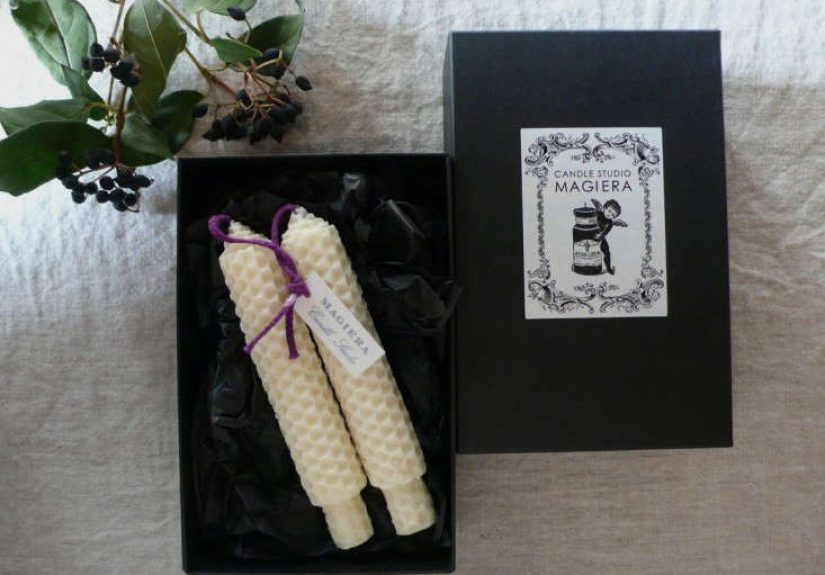
Experience #1: The unboxing is weirdly calming. A lot of Japanese candle sets come packaged like a small luxury goodclean labels, careful wrapping, and a “this was made on purpose” vibe. You open the box and immediately slow down, like your hands got the memo before your brain did. Even the candles’ matte surfaces can feel soothingless shiny, less “I’m a decorative object,” more “I belong in a quiet corner of your day.”
Experience #2: The flame looks taller than you expect… in a good way. The first time you light a traditional Japanese taper, you may do a double-take. The flame often reads as more vertical and sculptural than the squat little flames many people associate with jar candles. It doesn’t feel aggressive; it feels present. You’ll catch yourself staringlike you’re watching a tiny campfire that has impeccable manners.
Experience #3: Your space looks “edited.” This is the design magic. Candlelight already flatters rooms, but Japanese candles tend to amplify that effect because the flame is the point. Put one on a wooden table near a ceramic bowl, a stack of books, or a plant, and suddenly the whole scene looks intentionallike you planned it, instead of just living there. It’s the fastest way to make a room feel warmer without adding clutter.
Experience #4: You start building micro-rituals. Short candles are perfect for daily resets: a 15-minute candle while you drink coffee, stretch, journal, or read a few pages. A longer taper becomes a “transition” toolsomething you light when work ends or when you want your brain to stop scrolling. Over time, you may notice your body starts associating that specific kind of light with calm. It’s like training your nervous system with aesthetics instead of alarms.
Experience #5: Aizu picture candles feel like seasonal storytelling. If you light a hand-painted candle on a winter night, the flowers glow softly in the flame’s light. It’s subtle, but deeply charminglike having a tiny art exhibit that also happens to be functional. These candles are especially good for gifting because they’re not “just a candle”; they’re a conversation piece that still feels warm and usable.
Experience #6: You become (pleasantly) strict about safety. Here’s the surprise: using a candle that feels precious makes you more careful in a good way. You place it on a stable surface. You keep it away from drafts. You trim the wick. You stay in the room. The ritual becomes tidy and mindful, which is honestly the whole point. The candle doesn’t just make your space prettierit makes your behavior calmer and more intentional, too.
If you want the “world’s most beautiful candles” experience, don’t chase the biggest collection. Chase the best moments: one candle, one steady flame, one quiet pocket of time where your day stops being a sprint and starts being a scene.
Conclusion
Japan’s most beautiful candles aren’t famous because they shout. They’re famous because they glowwith plant-based waxes, thoughtfully engineered wicks, and traditions that treat light as a craft. Whether you choose minimalist warosoku, hand-layered haze wax tapers, or floral Aizu picture candles, you’re buying more than décor. You’re buying a small, repeatable experience: calmer nights, warmer rooms, and a flame that feels like it was made to be watched.