Table of Contents >> Show >> Hide
- Why G.I. Joe Toys Still Matter
- A Quick Timeline of G.I. Joe Toys
- The Secret Sauce: G.I. Joe Is a Toy Line That Tells Stories
- Pick Your Scale: 12-Inch vs. 3.75-Inch vs. 6-Inch
- What Makes a G.I. Joe Toy a “Good One”?
- Modern G.I. Joe Toys: Classified, HasLab, and Big-Swing Releases
- Buying Guide: How to Shop for G.I. Joe Toys Without Regrets
- Collecting, Displaying, and Keeping Your Sanity
- Experiences Related to G.I. Joe Toys (About )
- Conclusion
G.I. Joe toys have a rare superpower: they can time-travel. One minute, it’s 1964 and a kid is carefully fitting a tiny helmet under a paper-thin strap. The next, it’s the 1980s and someone is trying to park a jet on a coffee table without knocking over a lamp. Today, it’s a grown adult (no shame) explaining to a confused spouse why a “Cobra H.I.S.S.” is, in fact, a completely reasonable thing to want delivered to the house.
That’s the magic of G.I. Joe: it isn’t just one toy. It’s a whole ecosystemfigures, vehicles, gear, storylines, catchphrases, cartoons, comics, and collector culturebuilt around the idea that play should feel like an adventure. Whether you grew up with the classic 12-inch “America’s Movable Fighting Man,” the smaller 3.75-inch “A Real American Hero” era, or the modern 6-inch Classified line, the throughline is the same: G.I. Joe toys invite you to build a world, then immediately knock it over with a dramatic “pew-pew” sound effect.
Why G.I. Joe Toys Still Matter
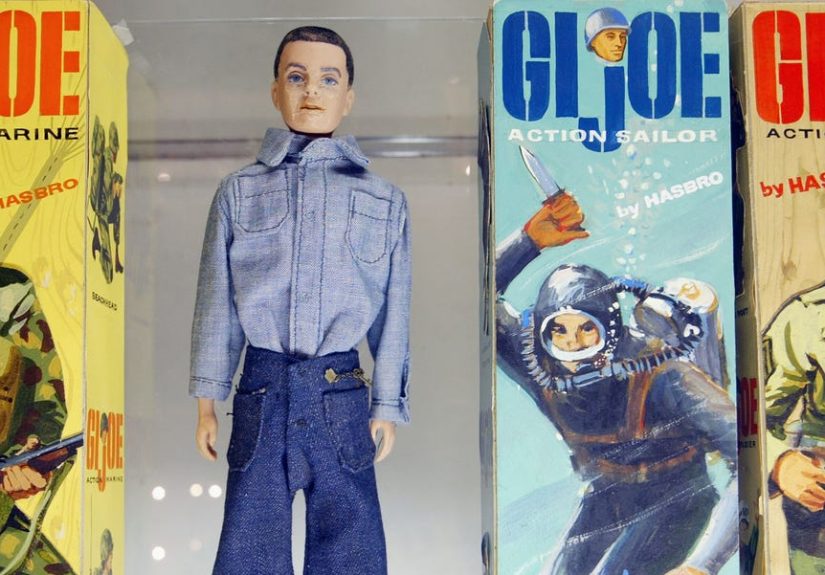
First, G.I. Joe helped invent the category it lives in. When Hasbro introduced the original figure in 1964, they leaned hard into a new phrase“action figure”because “doll” wasn’t going to fly in mid-century toy aisles. That branding choice didn’t just sell one product; it shaped the entire toy industry vocabulary. If you’ve ever used the words “action figure” in your life (even ironically), you’ve been living in G.I. Joe’s world.
Second, the brand has been remarkably good at adapting to whatever kids (and nostalgic adults) wanted at the timerealistic military uniforms in the early years, more adventurous themes as public attitudes shifted, and then the pop-culture storytelling explosion of the 1980s. That flexibility is why G.I. Joe can feel like a different toy to different generations and still be instantly recognizable.
A Quick Timeline of G.I. Joe Toys
1964: The 12-Inch Original (and the Birth of the “Action Figure”)
The first G.I. Joe figure arrived in 1964 at roughly 11.5 inches tall with lots of articulation for the time, marketed with uniforms representing U.S. military branches and a growing library of gear and play accessories. Museums that track toy history call out how significant the figure wasboth as a play icon and as an industry milestone. Early sets even came with printed materials like field manuals that doubled as catalogs and imagination fuel.
Late 1960s–1970s: Shifting Themes as the Culture Changed
G.I. Joe didn’t exist in a bubble. As national attitudes about war and war-themed toys changed, toy makers adjusted their approach. Coverage of toy history points out that G.I. Joe’s popularity was tied not only to clever design and marketing, but also to the cultural momentsuccess early on, then headwinds as the country’s relationship with military imagery got complicated.
1982: The 3.75-Inch Revolution and “A Real American Hero”
In 1982, Hasbro relaunched G.I. Joe in a smaller 3.75-inch scale with vehicles, playsets, and a deeper “good vs. evil” storyline built around the G.I. Joe team and Cobra. This era is the one many fans think of as the “classic” G.I. Joe universe: colorful characters, signature vehicles, and a story you could play out a hundred ways before dinner.
2020–Present: The 6-Inch Classified Era
Modern G.I. Joe toysespecially the 6-inch Classified Serieslean into high articulation, premium paint, and display-friendly packaging, aiming straight at the overlap of “toy” and “collectible.” It’s a different kind of fun: less “throw it in a bin” (though you can) and more “pose it like it’s on a movie poster.”
The Secret Sauce: G.I. Joe Is a Toy Line That Tells Stories
Plenty of toy lines sell figures. G.I. Joe sells missions.
During the A Real American Hero era, the brand didn’t just drop characters on shelves and hope kids filled in the blanks. It offered a whole narrative ecosystemcharacters with distinct looks, allegiances, and specialties; vehicles that implied tactics and roles; and media that helped anchor the world in kids’ heads. Even the public service announcements at the end of the classic TV episodes helped cement the brand’s “knowing is half the battle” identity: it wasn’t just actionit was action with a wink of life-lesson energy.
That story-first approach is why certain toys feel legendary. A basic figure becomes memorable if it comes with gear that suggests a job: medic, engineer, commando, pilot, spy. A vehicle becomes iconic if it implies a scene: a stealthy infiltration, a base defense, a dramatic extraction. In other words, G.I. Joe toys aren’t just objectsyou buy a prompt, and your imagination writes the episode.
Pick Your Scale: 12-Inch vs. 3.75-Inch vs. 6-Inch
If you’re shopping for G.I. Joe toys todaywhether for a kid, a collector, or your own inner 10-year-oldthe first decision is scale. And yes, it is completely normal to have strong feelings about this.
The 12-Inch Classic: “Gear and Realism” Energy
The original 12-inch format is all about uniforms, fabric accessories, and that “miniature real-world kit” vibe. It’s a great fit for people who love the tactile details: tiny zippers, straps, helmets, boots, and realistic equipment. These are also the figures that most directly connect to the “action figure” origin story and early G.I. Joe identity.
The 3.75-Inch Era: “Vehicles and World-Building” Power
The smaller A Real American Hero scale unlocked something huge: you could build an entire battle scene on a bedroom floor without needing a second mortgage for shelf space. This is the era of jets, tanks, troop carriers, and baseswhere the vehicles aren’t just add-ons; they’re half the point. If you want maximum play value per square inch, this scale has historically been the sweet spot.
The 6-Inch Classified Line: “Display and Premium Articulation”
Classified Series figures are built for posing, photography, and shelf presence. They’re also a practical modern choice because 6-inch collecting is a popular category across brandsmeaning stands, display cases, and accessories are easier to find. For many fans, Classified hits the sweet spot between “toy you can play with” and “collectible you’re proud to show.”
What Makes a G.I. Joe Toy a “Good One”?
Quality in G.I. Joe toys usually comes down to a few repeatable traits. If you’re evaluating a figure (new or vintage), here’s what tends to matter most.
1) Articulation That Serves Play (Not Just Pose Points)
More joints are great, but only if they help the figure do something usefulkneel, hold a rifle convincingly, sit in a vehicle seat, or look like they’re rappelling down a bookshelf (a common tactical maneuver). The best G.I. Joe figures feel sturdy and expressive without turning into a loose-limbed pretzel.
2) Accessories That Feel Like a Loadout, Not Confetti
G.I. Joe’s best accessories tell you who the character is. A commando’s gear suggests stealth. A pilot’s helmet and harness suggest flight. A tech specialist’s tools suggest missions that involve something more interesting than “run forward.” When accessories are purposeful, they’re not clutterthey’re storytelling fuel.
3) Vehicles and Playsets That Create Scenarios
G.I. Joe’s reputation is tied to vehicles because vehicles create instant plot. A tank implies a frontal assault. A jet implies interception. A base implies defense, infiltration, or sabotage. The brand’s history is full of vehicles and large-scale releases that became “centerpieces”the toy you planned your entire afternoon around.
Modern G.I. Joe Toys: Classified, HasLab, and Big-Swing Releases
Hasbro’s modern approach to G.I. Joe has leaned into two truths: fans love premium figures, and fans also love “giant ridiculous vehicles” enough to fund them directly.
The Classified Series, launched in 2020, brought marquee characters into a modern 6-inch format with high articulation and upgraded sculpting. Official announcements emphasized the line’s “pulse-pounding” take on classic charactersessentially, “your childhood favorites, now with better joints and sharper details.”
Then there’s HasLab: the crowdfunded side of the hobby where the brand can attempt bigger projects. A standout example is the Classified Series Cobra H.I.S.S. campaign that ran in summer 2022 on Hasbro Pulse, a high-profile “if fans back it, we build it” release. Another major project followed with the Classified Series Dragonfly (XH-1) campaign in summer 2023, again published with clear campaign dates and shipping targets. These aren’t impulse buys; they’re collector eventspart product, part community moment, part “I can’t believe this is real” flex.
Buying Guide: How to Shop for G.I. Joe Toys Without Regrets
Decide Who It’s For
For kids: prioritize durability, safe accessories (fewer tiny pieces), and “play pattern” valuefigures that sit, stand, and hold gear without frustration. Vehicles can be a bigger win than extra characters because they unlock more types of play.
For collectors: decide whether you’re collecting for nostalgia (matching what you grew up with), display (best-looking sculpts), or completion (which is a lifestyle choice and possibly a cry for help). Condition, completeness, and packaging matter more here.
Choose Your “Entry Point”
If someone is new to G.I. Joe, start with a character archetype that’s easy to love: the silent commando, the bold leader, the iconic villain, the tech specialist, the ace pilot. G.I. Joe’s universe is big; the easiest way in is “pick a vibe,” then build outward.
Know What Drives Value
In general, older/vintage items tend to be valued for completeness and conditionoriginal accessories, intact decals, working features, and minimal wear. Modern lines tend to be valued for availability, exclusives, and collector demand. The good news: you don’t need to chase the most expensive items to have the most fun. Some of the best “bang for your buck” comes from a figure with a great sculpt and a vehicle that sparks imagination.
Collecting, Displaying, and Keeping Your Sanity
Collecting G.I. Joe toys can be as chill or as intense as you make it. A few practical ideas help keep it fun:
Build a Theme (So Your Shelf Looks Like a Choice)
Instead of buying everything, try a mission-style theme: “desert ops,” “air squad,” “Cobra villains,” “classic heroes,” or “vehicles only.” Themes make collections feel curated instead of chaotic.
Use Storage That Respects Accessories
Small parts are where joy goes to disappear. Organizers, labeled bags, and dedicated bins for loadouts keep you from spending a Saturday asking the universe where one tiny helmet went.
Display Like You’re Directing a Scene
G.I. Joe toys look best when posed with intentaction stances, team pairings, “mission briefing” setups, or hero/villain face-offs. Even a small display can feel cinematic if it tells a story.
Experiences Related to G.I. Joe Toys (About )
If you ask people what they remember most about G.I. Joe toys, the answers rarely start with “plastic composition” or “paint apps.” They start with momentstiny, oddly specific, and instantly vivid.
One common experience is the ceremony of gearing up. Kids didn’t just grab a figure; they assembled a mission. Helmets on. Backpacks strapped. The “important” accessory (usually a weapon or a gadget) placed carefully in the right hand like it mattered to national security. Even people who can’t remember every character name can remember the feeling of preparing a figure like it was the star of a blockbuster.
Then there’s the vehicle moment: the day a big jet, tank, or base entered the house and instantly became the center of gravity for play. Suddenly, the floor wasn’t a floorit was a runway, a desert, a jungle, or a secret Cobra facility inconveniently located behind the couch. Vehicles didn’t just add options; they changed the scale of imagination. The mission got bigger because the world got bigger.
Collectors and longtime fans often describe a different kind of joy: the “found it” thrill. That can mean discovering a figure at a flea market, inheriting a childhood box from a relative, or tracking down a missing accessory you’ve been searching for forever. It’s not always about money. It’s the satisfying click of “this set is finally complete,” even if the only person who understands why it matters is you and (maybe) one friend who texts back, “YO JOE” at the correct times.
Another shared experience is how G.I. Joe toys tend to become social objects. Kids traded figures at school. Adults trade photos, tips, and display ideas online. People compare favorite versions of characters, argue good-naturedly about the best era, and bond over the weird universal truth that every household has at least one “mystery accessory” that belongs to something, somewhere, but nobody knows what.
There’s also a quiet, surprisingly wholesome side: G.I. Joe as a creative hobby. Fans customize figures, build dioramas, repaint vehicles, or create photo stories. Even when the tone is “serious tactical mission,” the underlying activity is creative problem-solvinghow to stage a scene, how to invent a story, how to make a tiny world feel real. That’s why the brand has lasted: it keeps rewarding imagination, whether you’re eight years old playing on the carpet or forty-eight years old adjusting a pose on a shelf and pretending you’re “just dusting.”
Conclusion
G.I. Joe toys have survived because they’re more than collectibles and more than kids’ playthingsthey’re a storytelling machine that keeps evolving. The 1964 figure helped define what an “action figure” could be. The 1980s A Real American Hero era turned toy aisles into world-building playgrounds. The modern Classified line brings premium detail and display appeal, while crowdfunded projects prove fans still love the big, bold swings.
Whether you want a single figure that sparks nostalgia, a shelf of perfectly posed heroes and villains, or a vehicle that instantly turns your living room into a mission zone, there’s a G.I. Joe lane for you. And knowing which lane you want? Well… you know the rest.