Table of Contents >> Show >> Hide
- What “Industrial” Really Means (and What It Doesn’t)
- Why Industrial Task Table Lamps Work So Well
- Quick Specs That Matter (More Than the Finish)
- Choosing the Right Industrial Task Table Lamp for Your Space
- Bulbs, LEDs, and What to Look for on the Package
- Placement and Ergonomics: Make the Lamp Work With You
- Industrial Styling Ideas That Don’t Feel Like a Movie Set
- Maintenance: Keep It Looking Sharp (and Working Right)
- Common Mistakes (So You Don’t Buy a Gorgeous Regret)
- Frequently Asked Questions
- Conclusion: The Best Industrial Task Lamp Is the One You’ll Actually Use
- Experience-Based Notes: What It’s Like Living With Industrial Task Table Lamps (Extra Section)
If your desk has ever felt like a cave at 3 p.m. (or 3 a.m.), you already understand the magic of a great task lamp.
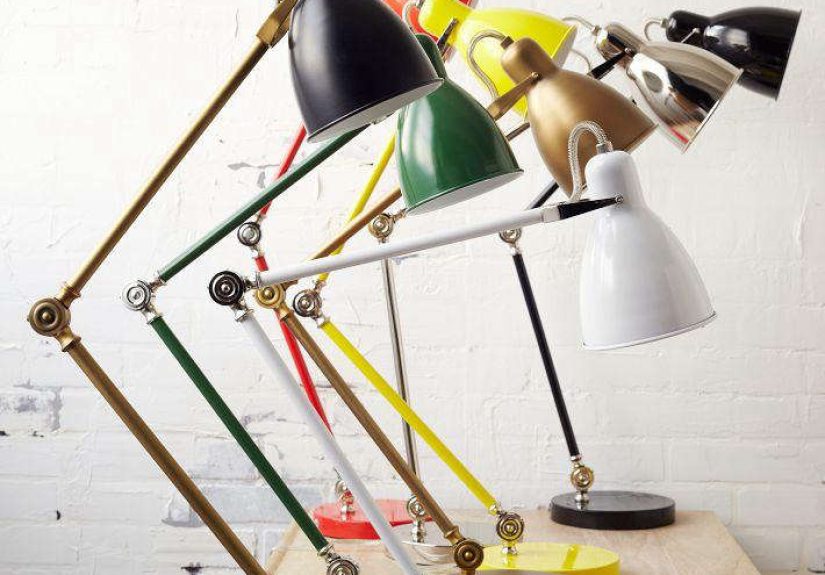
Industrial task table lamps bring that magic with a little extra attitude: metal shades, purposeful hardware, and
“I belong on a workbench” confidencewithout actually demanding you wear steel-toe boots.
This guide breaks down what makes an industrial task lamp industrial, what makes it good, and how to pick one that
lights your work without turning your home office into an interrogation room. You’ll also get practical setup tips,
bulb and LED guidance, styling ideas, and a longer “experience” section at the end that focuses on what people
typically notice after living with these lamps day to day.
What “Industrial” Really Means (and What It Doesn’t)
Industrial style is rooted in factory and warehouse designspaces built for function first. In lighting, that usually
translates to durable materials (steel, aluminum, iron), visible joints and fasteners, utilitarian silhouettes,
cage or dome shades, and finishes like matte black, oil-rubbed bronze, brushed nickel, or aged brass.
What it doesn’t mean: harsh light, ugly cords, or a lamp that weighs as much as a small refrigerator. The best
industrial task table lamps keep the honest, work-ready look while using modern featuresefficient LEDs,
better diffusion, smoother adjustability, and sometimes extras like USB ports or dimming.
Why Industrial Task Table Lamps Work So Well
They’re built for aiming, not just glowing
Industrial task lamps are designed to put light where your hands and eyes are working: a keyboard, sketch pad,
sewing machine, soldering station, or a stack of paperwork that’s multiplying like rabbits.
They’re usually sturdier than “decor-only” lamps
A stable base, metal arms, and robust joints matter when you reposition the head 20 times a day. Many industrial
lamps borrow from classic architect-lamp engineering: spring-balanced arms, pivoting heads, and clamp mounts that
free up desk space.
They fit a surprising range of interiors
Industrial isn’t only for lofts. A black swing-arm lamp looks sharp in a minimalist office, cozy in a rustic study,
and charmingly “collected” in an eclectic roomespecially when paired with wood, leather, linen, or warm neutrals.
Quick Specs That Matter (More Than the Finish)
Before you fall in love with a vintage-style shade, make sure the lamp actually supports the way you work.
Here’s what to prioritize.
1) Brightness (lumens) and the type of work you do
For general desk work, many people land comfortably around the “bright-but-not-blinding” zone. Detailed tasks
(crafting, technical drawing, electronics, reading small print) typically feel better with more output or better
focus and positioning. Rather than chasing a single magic number, think in ranges:
- Everyday desk work: often comfortable with a moderate-output lamp that you can aim precisely.
- Detailed work: benefits from higher output, a tighter beam, or a lamp that can get closer to the task surface.
- Shared spaces: dimming helps you stay bright on your workspace without nuking the whole room.
2) Color temperature (Kelvin): the mood and the focus
Color temperature changes how a workspace feels. Warm light (lower Kelvin) can feel cozy; neutral-to-cool light
can feel crisper for task-heavy areas. If you work late, you may prefer something that doesn’t feel like noon on
the surface of the sun. If you’re doing color-sensitive work, the “right” temperature is whatever makes colors
look honest to your eyes in your room.
- Warm (cozy): often used for living spaces, casual reading, and evening work.
- Neutral (balanced): a popular “all-day” choice for home offices.
- Cool (crisp): can feel more alerting and may be preferred for workshops and detailed tasks.
3) Color rendering (CRI): the “is that navy or black?” factor
CRI describes how accurately a light source reveals colors compared to a reference. For many workspaces, a higher
CRI makes materials, skin tones, and printed colors look more natural. If you do design, photo editing, makeup,
sewing, or anything where color accuracy matters, CRI becomes more than trivia.
4) Adjustability: your future neck will send a thank-you note
Industrial task table lamps often win on adjustability. Look for:
- Swing-arm reach (how far the head can travel across your desk)
- Head articulation (tilt, swivel, rotation)
- Height range (can it get low for detail work and high for general coverage?)
- Stiffness vs. ease (holds position without requiring two hands and a pep talk)
5) Base vs. clamp: the desk-space dilemma
If you love a clean workspace, a clamp lamp can feel like a tiny miracle. If you move your lamp between locations,
a weighted base may be easier.
| Mount Type | Best For | Watch Outs |
|---|---|---|
| Weighted base | Flexible placement, moving between rooms, desks without sturdy edges | Takes up surface area; can tip if the arm extends far with a light base |
| Clamp mount | Small desks, crowded workstations, maximizing workspace | Needs a solid edge; can mark surfaces without padding; check thickness limits |
| Grommet mount | Permanent, clean installs (especially in offices) | Requires a desk hole or drilling; not ideal for frequent rearranging |
Choosing the Right Industrial Task Table Lamp for Your Space
Home office: screens, glare, and the “why is my forehead tired?” problem
In a computer-heavy setup, glare control matters as much as brightness. A good task lamp should light your keyboard
and paperwork without reflecting into your eyes or bouncing off your monitor. Lamps with adjustable heads and some
form of diffusion or controlled beam help keep light where you need it.
Example setup: A matte-black swing-arm lamp clamped to the side opposite your writing hand (so your
hand doesn’t cast a shadow), aimed down and slightly forward. Add dimming so you can dial it back when the room’s
ambient lighting is already doing its job.
Workshop or garage: durability, grip, and “surviving real life”
A workshop lamp should tolerate dust, vibration, and being bumped. Industrial designs shine here because they’re
often metal-forward and mechanically simple. Look for a stable base or a clamp with a strong bite, plus a shade
that shields your eyes from direct glare when you’re standing over a bench.
Example setup: A clamp-mounted architect lamp on a workbench shelf, positioned to cross-light your
work surface so your body doesn’t block the beam.
Crafting and sewing: color accuracy and close-in precision
Sewing dark thread on dark fabric is basically a boss-level challenge. Here, you’ll benefit from a lamp that can
get close to the work surface, stays put, and provides accurate color. A higher-CRI light source can make fabric
colors and stitch detail easier to see.
Example setup: A dome-shade lamp with a swivel head plus a brighter bulb/LED, positioned slightly
in front of your shoulder so shadows fall away from your needle line.
Reading nook: comfort, not spotlight drama
Industrial lamps can look amazing beside a leather chair or on a side tablejust avoid a bare bulb aimed at your
face unless you’re auditioning for a noir film. Choose a shade that directs light downward and a color temperature
that feels comfortable for long sessions.
Bulbs, LEDs, and What to Look for on the Package
Lumens beat watts (every time)
If you grew up thinking watts = brightness, you’re not alone. Modern packaging emphasizes lumens for brightness and
watts for energy use. The result: you can get plenty of light without turning your lamp into a tiny space heater.
Integrated LED vs. replaceable bulb
-
Replaceable bulb: More flexibility. You can choose your brightness, color temperature, and upgrade
later. Great if you like tinkering or want a specific bulb style (including vintage-looking options). -
Integrated LED: Often slimmer designs and efficient performance. Many offer dimming and sometimes
adjustable color temperatures. Downside: when the LED eventually fails, replacement can be harder than swapping a bulb.
Dimming and controls
Dimming is one of the most practical upgrades you can buy. A dimmer lets you keep your task area bright without
overpowering the room, and it helps match light levels to the time of day. Bonus points for a control you can use
without performing finger gymnasticstouch controls, knobs, or clearly labeled buttons.
Don’t ignore safety marks
For a lamp that sits on your desk near paper, cords, and the occasional coffee spill, safety certification matters.
Look for products that have been tested and certified by recognized labs, and follow manufacturer guidance for bulb
type and maximum wattage (for bulb-based lamps).
Placement and Ergonomics: Make the Lamp Work With You
The best lamp can still disappoint if it’s positioned poorly. Use these practical rules:
- Place the lamp on the opposite side of your writing hand to reduce shadows (left side for right-handers, and vice versa).
- Aim the light down and slightly forward so the beam lands on your task, not your eyes.
- Keep bright sources out of your direct line of sighta shade or diffuser helps.
- Layer your lighting: task lighting works best when paired with comfortable ambient light, not as the lone hero.
- Adjust for screens: avoid angles that cause reflections on your monitor; small repositioning can make a big difference.
Industrial Styling Ideas That Don’t Feel Like a Movie Set
1) Pair metal with warm materials
Industrial lamps look balanced next to wood grain, woven baskets, linen shades elsewhere in the room, or a leather
desk pad. Think “workshop meets warmth,” not “abandoned factory chic.”
2) Match finishes loosely, not obsessively
If your room has black hardware, a matte-black lamp is effortless. If you’ve got brass pulls, aged brass can look
intentional. But you don’t need everything to match perfectlyunless you enjoy the emotional rollercoaster of
“is this the same brass?”
3) Use an exposed bulb thoughtfully
Exposed bulbs are a signature look, but comfort matters. A visible filament-style bulb can be attractive in a
reading corner or accent spot; for desk work, a shade or diffuser often feels better. Style is great. Seeing spots
in your vision is not.
Maintenance: Keep It Looking Sharp (and Working Right)
- Dust the joints and shade regularly: metal lamps show dust faster than you think.
- Tighten screws occasionally: articulated arms can loosen over time with frequent adjustments.
- Check clamps and pads: replace worn pads to protect surfaces and improve grip.
- Mind the cord: route it so it won’t snag when you swing the armbecause your lamp should pivot, not clothesline your coffee mug.
Common Mistakes (So You Don’t Buy a Gorgeous Regret)
Buying for aesthetics only
A lamp can be beautiful and still fail at the job. If you’ll use it daily, prioritize adjustability, comfort, and
light quality firstthen pick the finish that makes your desk look like it has its life together.
Ignoring glare and beam control
Bare bulbs and clear glass can be harsh for close-up tasks. If you work at a monitor, glare control isn’t optional.
Look for shades, reflectors, or diffusers that keep brightness out of your eyes.
Over-lighting the desk and under-lighting the room
A single intense task lamp in an otherwise dark room can feel uncomfortable. Add ambient lightceiling, wall, floor,
or indirect lightingso your eyes aren’t constantly adjusting between “bright island” and “dark ocean.”
Frequently Asked Questions
Are industrial task table lamps good for small desks?
Yesespecially clamp-mounted models. They free up surface space while providing focused light exactly where you need it.
What’s better: swing-arm or gooseneck?
Swing-arm lamps offer longer reach and stable positioning. Goosenecks are great for quick, flexible aiming but may
drift over time if the neck is too soft. Choose based on how often you reposition and how precise you need the aim.
Do I need a special bulb?
Not usually. Most bulb-based task lamps use common bases (often medium/E26). What matters is choosing the right
brightness, color temperature, and (if you care about color) a higher-CRI option. Always follow the lamp’s
recommended max wattage or bulb type.
Conclusion: The Best Industrial Task Lamp Is the One You’ll Actually Use
Industrial task table lamps earn their popularity the old-fashioned way: they work. The right model gives you
targeted light, comfortable control, and a tough-but-good-looking design that feels at home on a desk, drafting
table, or workbench. Focus on brightness, beam control, adjustability, and light quality firstthen pick the finish
that makes you smile every time you sit down to work.
Experience-Based Notes: What It’s Like Living With Industrial Task Table Lamps (Extra Section)
The first week with a solid industrial task lamp usually feels like an upgrade you can see immediatelyespecially
if you’re coming from overhead-only lighting or a decorative lamp that mostly contributes vibes. People tend to
notice one big change: tasks feel easier. It’s not dramatic like a movie montage where you suddenly become a
best-selling novelist, but it’s the practical kind of betterless squinting, fewer “why is this shadow here?”
moments, and more comfortable evenings at the desk.
In home offices, a common “aha” is how much lamp positioning affects fatigue. When the light is aimed correctly,
your shoulders relax because you’re not leaning forward to chase clarity. When it’s aimed poorly, you can end up
in a loop of micro-adjustments: tilt the head, scoot the laptop, tilt the head again, wonder why your screen looks
like it’s wearing sunglasses. A swing-arm lamp with a head that swivels smoothly tends to reduce that fiddling.
Once you find the sweet spotoften slightly in front of you and off to the side opposite your writing handthe lamp
becomes something you set and forget, like a good chair that doesn’t demand applause.
Workshops and crafting spaces bring out different “real life” lessons. A clamp mount can feel genius until you
discover your favorite clamping edge is also your favorite spot to rest a board. The fix is usually simple: move
the clamp to a vertical support, add a small shelf, or choose a base lamp for a bench where edges are busy. People
also tend to appreciate a shade more over time. Exposed bulbs look cool, but a well-designed shade reduces glare
when you’re standing, bending, or shifting around a work surface. It’s the difference between “nice lighting” and
“why is my eyeball angry?”
Color temperature preferences often change after a few late nights. Many folks start with “daylight” because it
sounds productive, then discover that super-cool light at 11 p.m. feels like working inside a freezer aisle.
Adjustable color temperature or a neutral-white option can be a happy middle ground: crisp enough for focus, gentle
enough that your brain doesn’t think it’s lunchtime. And if you do color-sensitive tasks (fabric, art, product
photos), a higher color-rendering light can make the workspace feel more trustworthyreds look red, not “tomato-ish
maybe,” and neutrals don’t drift into weird undertones.
Finally, the small annoyances are worth planning for because they’re the things you’ll notice daily. Cord routing
is the big one: a lamp arm that swings freely can also snag a cable and drag a charger off the desk like it’s
starting a tiny demolition project. Cable clips, a tidy path behind the desk, or simply leaving enough slack in
the right place makes the whole setup calmer. The other is joint tension: if a lamp slowly droops, you’ll resent it
in a very specific, very personal way. A quick tighten with the right tool (or choosing a lamp known for stable
joints) keeps the relationship healthy. In the end, the “best” industrial task lamp is the one that quietly
disappears into your routinebecause it’s doing its job, and you’re doing yours, under light that finally behaves.