Table of Contents >> Show >> Hide
- Why Scandinavian coffee tastes “clean” (and why that matters)
- The Remodelista setup: function first, then beauty (then more coffee)
- Scandi brewing basics: the science that keeps the vibe intact
- Gear that matches the Scandi approach (simple, precise, durable)
- Ritual matters: fika, kaffeepause, and the Scandinavian superpower of slowing down
- How to build a Scandi coffee corner at home (without moving to Stockholm)
- “Nordic roast” in plain English: what to buy if you want that Scandi flavor
- The real “secret”: make coffee a daily pleasure, not a daily scramble
- Experience add-on: a 7-day “Scandi coffee” experiment you can run at home (about )
Scandinavians don’t just drink coffee. They rehearse it. They audition mugs for the role of “Most Likely to Keep My Coffee Hot
Through a Conversation That Accidentally Turns Into a Life Story.” They treat a coffee maker like a reliable family car: it should start every
morning, never complain, and last long enough that you forget what shopping feels like.
In Remodelista’s “Scandi Coffee Secrets from a Family of Caffeine Fiends,” you get a peek into that mindset: a Swedish family that likes their
coffee black, hot, strong, and served with the calm confidence of people who have never microwaved yesterday’s brew and called it “fine.”
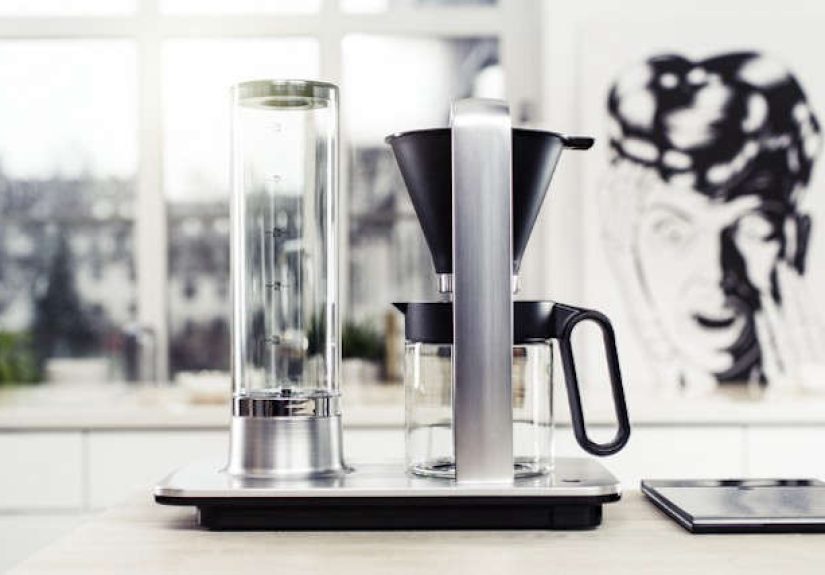
The star of the show is the Wilfa Precision coffeemaker (a Scandinavian classic with serious nerd credentials), plus a few design-forward details
that make the whole routine feel… intentional. Like your kitchen just got promoted.
Why Scandinavian coffee tastes “clean” (and why that matters)
A lot of modern Nordic coffee culture leans hard into clarity: lighter roasts, crisp flavors, and filter coffee methods that highlight what the
beans actually taste like (fruit, florals, caramel) instead of what the roast tastes like (campfire and regret). This overlaps with the
third-wave coffee approach: treat coffee like a craft product, not a generic brown beverage you chug while answering emails with your face.
The “secret” isn’t a single hackit’s a stack of small decisions that add up:
buy decent beans, grind consistently, use hot-enough water, and pick a brewer that doesn’t randomly decide today is a “lukewarm, under-extracted”
kind of day. When you do those things, the cup tastes brighter, smoother, and more balanced.
The Remodelista setup: function first, then beauty (then more coffee)
Remodelista’s Scandi coffee story is a perfect example of the Nordic sweet spot: practical gear, minimal fuss, and a few objects so handsome you
suddenly understand why people photograph countertops. The article highlights the Wilfa Presisjon (Precision) coffeemakerdesigned with input
from award-winning Norwegian barista Tim Wendelboeand calls out its key strength: it reaches optimal brewing temperature quickly and stays there,
which is a polite way of saying, “It does the job without drama.”
Even better: the Wilfa can accommodate a Chemex, which is basically the best peace treaty ever drafted between “I want convenience” and “I want
ceremony.” One household can brew automatic coffee for the early meeting crowd and still do a slow pour-over for the “Saturday morning, sunlight,
and existential peace” crowd.
The underrated secret weapon: the right mug
The Remodelista post also features Höganäs stoneware coffee cups brought from Swedenmugs with wooden lids that help retain heat and double as a
saucer. This is the kind of detail that feels minor until you realize your coffee is staying warmer and your kitchen looks like it belongs in a
Scandinavian catalog where nobody owns plastic.
Scandi brewing basics: the science that keeps the vibe intact
Scandinavian coffee culture may look effortless, but good coffee is usually the result of repeatable fundamentals. The core idea: extract the good
stuff (sweetness, aroma, balance) without over-extracting the harsh stuff (bitterness, astringency). That comes down to a few variables you can
actually control.
1) Water temperature: hot enough to extract, not so hot it punishes the beans
Many coffee authorities and brew guides converge around the same target: water in the neighborhood of 195°F to 205°F for optimal extraction in
most methods. Too cool and you get thin, sour, underwhelming coffee. Too hot and you can tilt into bitter or harsh flavorsespecially with darker
roasts.
2) Ratio: measure once, thank yourself every morning
Nordic-style coffee often tastes “precise” because people treat brewing like cooking (aka: they measure). A common home baseline is around
1:16 coffee-to-water by weight (for example, 25 grams coffee to 400 grams water). From there, adjust:
- Want it stronger? Go slightly tighter (1:15).
- Want it lighter? Go slightly looser (1:17).
- Getting bitterness? Coarsen the grind or lower extraction (slightly cooler water, shorter brew time).
- Getting sour/flat? Finer grind, hotter water, or longer contact time.
3) Grind consistency: burr grinders are boring for a reason (they work)
If your coffee sometimes tastes great and sometimes tastes like you brewed it through confusion, inconsistent grind is a usual suspect. Burr
grinders help keep particle size more uniform, which makes extraction more consistent. Consistency is the least sexy coffee wordand the most
powerful.
4) Clean gear: the flavor you’re tasting might be… last month
Coffee oils build up. Mineral scale builds up. Both can quietly wreck flavor. Routine cleaning and occasional descaling (especially if you have
hard water) is one of those habits that feels annoying until you taste the difference and suddenly become a person who owns citric acid on purpose.
Gear that matches the Scandi approach (simple, precise, durable)
The Remodelista family’s Wilfa choice makes sense in a broader “Nordic gear philosophy”: buy fewer things, but buy the right things. In the U.S.,
that often translates into a short list of well-regarded brewers and tools that prioritize temperature stability, repeatability, and clean design.
Wilfa Precision: temperature stability with Scandinavian restraint
The Wilfa Presisjon is positioned as a high-performance drip machine with thoughtful design touches (like a filter basket that’s easy to handle and
engineered to reduce bubbling). The Remodelista piece also notes its collaboration with Tim Wendelboe and emphasizes quick, stable temperature
performanceexactly what you want if you drink lighter roasts and don’t want your coffee to taste like “almost.”
Moccamaster: the “buy it for life” drip brewer Americans keep adopting
If Wilfa is the sleek Norwegian cousin, Technivorm’s Moccamaster is the Dutch tank that Americans treat like an heirloom appliance. It’s frequently
recommended in U.S. product roundups and reviews for one reason: it hits proper brewing temperatures and does it consistently. That temperature
window matters because it’s directly tied to extraction quality.
Bonus: many Moccamaster models are built to last, and long-term users often mention durability as the real payoff. It’s not the cheapest brewer,
but it’s the kind of purchase that can turn coffee into a “we’re done shopping” category.
Pour-over tools: when you want a ritual, not just caffeine
Scandinavian coffee culture is famously friendly to filter coffee, and pour-over methods thrive with light roasts because they emphasize clarity.
A Chemex is the classic: beautiful, simple, and capable of producing a clean, light-bodied cupespecially if you’re using good beans and paying
attention to brew temperature and timing.
Small upgrades that feel very Scandi
- A temperature-controlled kettle: fewer variables, more repeatability.
- A scale: the cheapest path to consistency (and fewer “why is it weird today?” mornings).
- A thermal carafe: keeps coffee hot without cooking it on a warming plate.
- Stoneware mugs: hold heat, feel good in the hand, and instantly make your coffee look like it has a Scandinavian passport.
Ritual matters: fika, kaffeepause, and the Scandinavian superpower of slowing down
Here’s where Scandinavia really flexes: coffee isn’t just fuel. It’s permission to pause. In Sweden, fika is the coffee break
tradition built around connectionoften coffee plus something sweet, with the point being the break itself. In U.S. lifestyle coverage, the same
spirit shows up in trend pieces about Scandinavian-inspired coffee pauses (like the Norwegian-leaning “kaffeepause”) that blend cozy design with a
more intentional daily reset.
The hidden lesson for American coffee drinkers: if your coffee routine is always rushed, you’ll chase “better coffee” forever without getting the
real benefit. The Scandinavian move is to make the moment taste better and feel better.
How to build a Scandi coffee corner at home (without moving to Stockholm)
You don’t need a Nordic kitchen renovation. You need a small system that makes good coffee the default and keeps your countertop from looking like
a caffeine crime scene.
Step 1: Create a “one-trip” coffee station
- Brewer (Wilfa, Moccamaster, or your favorite drip/pour-over setup)
- Burr grinder + beans in an airtight container
- Scale + scoop (yes, both can coexist peacefully)
- Mugs you actually like using (this is not shallow; it’s strategy)
- A small tray to corral filters, spoon, and odds-and-ends
Step 2: Standardize the recipe (then tweak)
Start with a simple repeatable recipe:
- Ratio: 1:16 (example: 25g coffee to 400g water)
- Water temp: roughly 195°F–205°F
- Grind: medium for drip, medium-coarse for Chemex, adjust based on taste
- Time: most drip brews finish in minutes; pour-over often lands around 3–5 minutes depending on dose and grind
Step 3: Make it beautiful in a quiet way
Scandinavian design isn’t loud. It’s calm. Translate that into your coffee corner with:
neutral tones, natural materials (wood tray, stoneware mugs), and fewer visible items. The coffee gear becomes part of the decorbecause it’s
selected, not accumulated.
“Nordic roast” in plain English: what to buy if you want that Scandi flavor
If you want Scandinavian-style coffee, the beans matter as much as the brewer. Nordic-style roasting is often described as lighter, aimed at
preserving origin characterthink fruit, florals, and sweetness instead of heavy roast flavors. In practice, that means shopping for:
- Light to medium-light roasts from specialty roasters
- Single-origin coffees if you want clear, distinct flavor notes
- Filter-friendly profiles (many roasters label coffees as “filter” or “espresso” styles)
One important reality check: light roast can taste sour if under-extracted. So if you “tried light roast once” and it tasted like lemony despair,
don’t blame the Nordic godsadjust grind, temperature, and ratio, and you’ll often find the sweetness.
The real “secret”: make coffee a daily pleasure, not a daily scramble
The Remodelista story reads like a love letter to domestic systems done right: research the tool, pick something that performs, and let the routine
become a small anchor in the day. That’s the Scandi trick. Not perfectionjust consistency, comfort, and a tiny bit of beauty.
Because the truth is: the best coffee routine is the one you can repeat on a Tuesday. (And, ideally, the one that doesn’t require you to clean up
a battlefield of sticky syrups and fifty abandoned spoons.)
Experience add-on: a 7-day “Scandi coffee” experiment you can run at home (about )
If you want the Scandinavian coffee vibe without buying a plane ticketor a new personalitytry this one-week experiment. It’s not about becoming a
coffee influencer. It’s about building a routine that tastes better and feels calmer.
Day 1: Pick your baseline (and write it down)
Brew your usual cup, but measure two things: coffee dose and water amount. Use a scale if you have one. If not, do your best with scoops and a
measuring cup. Write down what you did and how it tasted. You’re creating a starting point, not a dissertation.
Day 2: Upgrade the water and temperature
Use filtered water (or decent bottled water if your tap tastes like a swimming pool). Aim for hot water in the 195°F–205°F range. If you don’t have
a thermometer, bring water near-boil, then let it sit for a short moment before brewing. Notice how the cup changes: cleaner flavor, less “flatness.”
Day 3: Dial in a simple ratio
Try 1:16 by weight. Brew it. Taste it. If it feels too strong, go 1:17. Too weak? Go 1:15. This is the most Scandinavian part of the experiment:
small adjustments, no drama.
Day 4: Do one “ritual” brew
Even if you use a drip machine daily, do one manual pour-over (Chemex, V60, whatever you have). The point isn’t superiorityit’s attention. Pour
slowly, watch the bloom, and let it be a five-minute pause where you’re not multitasking. Suddenly you understand fika on a cellular level.
Day 5: Fix your mug situation
Choose one mug that feels good in your hand and keeps heat well (stoneware is a great option). Pre-warm it with hot water for 30 seconds before
pouring coffee. Is this extra? Yes. Is it also weirdly satisfying? Also yes.
Day 6: Create a “kaffeepause” corner
Put one comfortable chair near a window (or fake it with a clean corner and a lamp). Make coffee. Sit down. No standing at the counter scrolling.
If you want the full Scandinavian experience, add a small treatsomething simple like a cookie or a cinnamon bunand treat the break like it’s part
of the recipe.
Day 7: Make it sustainable
Keep only what worked: one ratio you like, one brew method you’ll actually repeat, and a station that stays tidy. The goal is a routine that
survives Monday mornings. If you can make your daily coffee taste 15% better and feel 30% calmer, that’s basically Scandinavian wizardryno fjord
required.