Table of Contents >> Show >> Hide
- What the Rutunda Set Actually Is (and Why People Keep Talking About It)
- Why Handleless Cups Have a Cult Following
- The Brown Colorway: Earthy, Cozy, and Surprisingly Practical
- How Big Is “Small,” and What Should You Put in It?
- How to Make Your Coffee Taste Better with the Same Beans (Yes, the Cup Helps)
- Caring for Ceramic Cups: Keep Them Pretty Without Being Paranoid
- How to Style the Rutunda Cups (Without Turning Your Kitchen Into a Showroom)
- Buying Tips: What to Look For If You Want “Small Cup Peace”
- Conclusion: Small Cups, Big Personality
- Experiences with the Rutunda Set: of Real-World Cup Life
Big mugs get all the attention. They’re loud, they’re proud, they’re basically wearing a varsity jacket that says
“I HOLD 16 OUNCES, BRO.” But the real style icons of the coffee world are the small cupsthe quiet, compact,
“I-have-my-life-together” vessels that make espresso feel like a ritual instead of a caffeine emergency.
Enter the Rutunda Set of 2 Small Cups Brown: petite, handleless, earthy, and just fancy enough to make
your kitchen counter look like it belongs in a design magazine (without requiring you to alphabetize your spices).
If you’ve ever watched someone sip a tiny coffee from a tiny cup and thought, “Wow, they’re thriving,” this is that vibe.
What the Rutunda Set Actually Is (and Why People Keep Talking About It)
The Rutunda cups are commonly associated with Kinta, a brand known for sourcing and curating home goods
and for ceramics that feel handmade in the best way: slightly imperfect, tactile, and human. The “small Rutunda cups”
gained attention after being spotted in a styled kitchen scene and traced back through some serious internet sleuthing.
According to product roundups and design coverage, the cups are handmade in Hanoi, Vietnam by a
multi-generation ceramics workshopone of those details that makes the cups feel less like “tableware” and more like
“tiny functional art.”
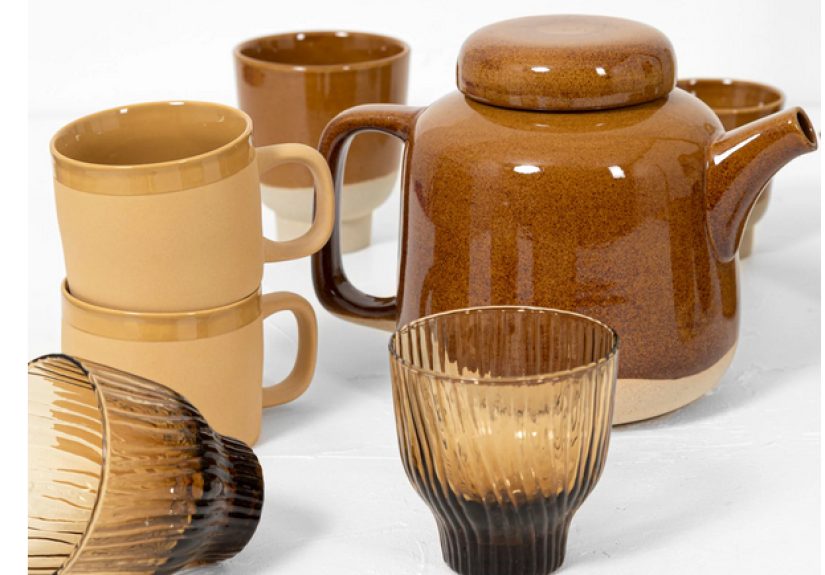
The Rutunda Set of 2 Small Cups Brown is, exactly as advertised, a pair of small cups in a warm brown tone.
At various points, the set has been listed by specialty retailers (including fashion-and-home boutiques) at around the
low-$20s range for two cupsthough availability can come and go, because the universe enjoys keeping good ceramics slightly
inconvenient to buy.
Why Handleless Cups Have a Cult Following
Handleless cups are a little like minimal sneakers: they look simple, but people who love them really love them.
And yes, someone will eventually corner you at brunch to explain why a handle “disrupts the silhouette.”
They’re not wrongjust… enthusiastic.
1) Heat retention that helps your espresso stay espresso
Coffee reviewers and testers consistently point out that thicker ceramic walls retain heat longer.
That matters most for small drinks like espresso, where a cold cup can cool your shot fast enough to make you wonder if
the laws of physics have a personal vendetta.
2) Preheating becomes a five-second superpower
Baristas and coffee educators often recommend preheating your cupa quick rinse with hot water or a warm-up
on top of the espresso machinebecause it reduces immediate temperature loss. With a small, thick-walled cup, the payoff
is obvious: warmer coffee, longer. Your crema also won’t experience an emotional shock like, “Why is it suddenly winter?”
3) The hand-feel is the point
A handleless cup forces you to slow down. You can’t mindlessly chug while typing 47 emails, because the cup politely
reminds you, “Hi, I’m hot.” It’s basically a ceramic mindfulness coachonly quieter and far less likely to sell you a course.
The Brown Colorway: Earthy, Cozy, and Surprisingly Practical
Brown ceramics are having a momentagainbecause they do what neutral design does best: they make everything around them
look intentional. Pair brown cups with wood, linen, matte black, stainless steel, or a chaotic stack of cookbooks and
it still works. Brown also hides the tiny “life happens” marks that lighter glazes can show (coffee drips, tea stains, your
friend who insists they’re “careful” while holding a biscotti over your counter).
There’s also a psychological trick: brown cups make coffee look extra coffee-ish. Your espresso looks richer. Your cortado looks
creamier. Your herbal tea looks like it just came back from a silent retreat. The cup is basically doing PR for your beverage.
How Big Is “Small,” and What Should You Put in It?
“Small cup” is a category, not a single size. In the espresso world, you’ll see everything from 2-ounce demitasse cups
to slightly larger cups that can handle a corto, cortado, or small flat white. Many popular café-style ceramic cups land
in the 2–4 ounce range for espresso and 5–8 ounces for small coffee/tea cups.
The Rutunda small cups are designed as petite everyday cupsperfect for:
- Espresso (especially if you like sipping instead of shooting it like a sleep-deprived raccoon)
- Macchiato or cortado (depending on your preferred ratio and how “small” your small cup runs)
- Tea when you want a smaller pour that stays warm
- Dessert cups for mousse, panna cotta, affogato, or “two strawberries and a lie” plating
- Tasting portions (coffee flights, olive oil tastings, small soups if you’re feeling dramatic)
If you’re shopping specifically for espresso: look for a cup that feels slightly weighty, has a comfortable lip, and isn’t so
thin that it turns your fingers into a heat sensor. Coffee testers often favor thick ceramic for durability and warmth.
The Rutunda’s handleless, ceramic vibe aligns nicely with that.
How to Make Your Coffee Taste Better with the Same Beans (Yes, the Cup Helps)
Is a cup going to fix burnt beans? No. But a good cup can protect a good brew from the most common enemy:
temperature drop. And temperature affects how you perceive sweetness, acidity, and bitterness.
A simple Rutunda-friendly espresso ritual
- Preheat the cups: Fill with hot water for 20–30 seconds, then dump and wipe dry.
- Brew at a sensible temperature: Many coffee pros reference a brew water range around
195°F–205°F for brewing when water meets coffee grounds (espresso machines manage this internally, but the
principle matters for your overall setup). - Pull the shot and serve immediately: Small cups shine when you treat espresso like a tiny dish, not a travel drink.
- Hold the cup low (around the belly) rather than pinching the rim areayour fingers will thank you.
Bonus: if you’re into milk drinks, a warm, small cup makes microfoam feel more integratedless “milk sitting on top,” more
“tiny cappuccino cloud you deserve.”
Caring for Ceramic Cups: Keep Them Pretty Without Being Paranoid
Handmade or artisan-style ceramics usually handle daily life well, but a little smart care goes a long wayespecially if you
want that glaze to stay smooth and that color to stay rich.
Dishwasher vs. hand wash
Many respected ceramic makers say their pieces are dishwasher safe with some considerations: use gentle detergents,
avoid extreme cycles, and don’t cram dishes so tightly that they clink and chip. Harsh detergents and very hot, aggressive cycles
can gradually dull certain glazes over time. If you want “best forever,” hand washing is the spa treatment. If you want “realistic,”
a gentle dishwasher cycle works for most modern ceramics.
Microwave safety and temperature shock
Ceramics often tolerate microwaves, but the real villain is temperature shockrapid changes from cold to hot or hot to cold.
Avoid going from freezer-cold to microwave-blazing in one move. Let the cups come closer to room temperature first, and heat gradually.
The same advice applies to washing: don’t plunge a hot cup into cold water like it’s training for an ice-bath influencer program.
Stains, marks, and the occasional mystery scuff
If you notice light marks (often from cutlery or mineral contact), a gentle cleanser or mild abrasive cleaner can helpthink a soft sponge
and a non-crazy scouring powder. For everyday cleaning, mild soap and warm water are your best friends. For long-term glaze happiness,
skip the super aggressive detergents.
How to Style the Rutunda Cups (Without Turning Your Kitchen Into a Showroom)
The Rutunda cups work because they’re simple: brown glaze, compact shape, no handle clutter. That means they slot into almost any aesthetic:
modern, rustic, Scandinavian, “I thrifted this table,” or “I own exactly one plant and it’s stressed.”
Easy styling wins
- Stack them on a small tray with a demitasse spoon and a tiny sugar bowl for a café-at-home moment.
- Pair with natural materials: wood cutting boards, linen napkins, stone coasters.
- Contrast with light ceramics: white plates make the brown glaze pop.
- Use them as prep cups: spices, salt, chopped herbsthen rinse and serve espresso in the same cup like a domestic wizard.
Buying Tips: What to Look For If You Want “Small Cup Peace”
If you’re shopping specifically for the Rutunda Set of 2 Small Cups Brown (or hunting something similar), here’s what matters more than hype:
1) The lip
The rim shape changes everything. Coffee reviewers often mention comfort at the lip: you want a rim that feels smooth and natural.
If the rim is too sharp, your espresso becomes an anxiety exercise.
2) Wall thickness
Thick ceramic tends to hold heat better and feels sturdier. It’s also more forgiving if you’re a little clumsy before your first coffee.
3) Capacity that matches your habits
If you drink straight espresso, go smaller. If you lean cortado, choose small-but-not-tiny. If you’re secretly a “small latte” person,
be honest with yourself and buy cups that can keep up with your lifestyle.
4) Handmade variation (a feature, not a bug)
Artisan ceramics often vary slightly in glaze tone and shape. That’s part of the charmeach cup looks like it lived a little.
If you want perfectly identical, factory symmetry, you’re shopping in a different universe (and that’s okay).
Conclusion: Small Cups, Big Personality
The Rutunda Set of 2 Small Cups Brown is the kind of quietly stylish tableware that upgrades your daily routine without demanding
a personality transplant. It’s minimalist but warm, design-forward but usable, and small enough to make even a Tuesday afternoon feel like a tiny event.
If you love espresso, short coffees, tea breaks, or desserts that deserve their own little stage, these cups are a smart (and frankly adorable) choice.
Preheat them, treat them kindly, and enjoy the fact that you now own cups that look like they belong next to a croissant that costs more than your first car.
Experiences with the Rutunda Set: of Real-World Cup Life
Imagine a normal weekday morning. The kitchen is quiet except for the soft clink of a spoon and the espresso machine warming up like it’s
stretching before a run. You pull two small Rutunda cups from the shelf and immediately notice the best part of handleless ceramics:
they don’t pretend to be anything they’re not. They’re small. They’re sturdy. They’re ready to hold something delicious, and they don’t need
extra hardware attached to their sides to prove it.
First ritual: the quick preheat. A little hot water swirl, a tiny cloud of steam, and suddenly the cup feels warm in your handslike it’s
already in on the plan. When the espresso hits the cup, the drink doesn’t feel like it’s fighting the ceramic. The warmth holds. The aroma
sticks around longer. You take a sip and realize something mildly annoying: the “fancy cup people” might be right about temperature.
You didn’t change beans. You didn’t change the grinder. You just didn’t dump hot coffee into a cold vessel and ask it to stay hot out of pure willpower.
Later, the cups show off their second talent: flexibility. A mid-afternoon teanothing dramatic, just a small pourfeels intentional.
You’re not drowning in a 14-ounce mug of lukewarm optimism. You’re having a compact, warm drink that stays enjoyable through the last sip.
And because the cups are brown, you’re not side-eyeing every microscopic stain like a forensic scientist. The color is forgiving in a way that feels
almost emotionally supportive.
Then comes the social moment: a friend drops by. You offer “coffee?” and instead of grabbing mismatched mugs that scream “I moved three times in two years,”
you pull out the pair. Two cups. Same style. Same tone. Suddenly your kitchen looks like you planned it, even if there’s a random takeout menu on the counter.
Your friend wraps their hands around the warm cup and says something like, “Ooh, these are nice,” which is the universal human signal for
“I am now considering upgrading my own cups.”
By evening, the cups do a final cameo as dessert cupsmaybe a scoop of vanilla ice cream with espresso poured over it for an affogato.
It looks restaurant-y with almost zero effort. And when cleanup happens, it’s simple: gentle wash, no drama, no fragile-stemware fear.
The cups go back on the shelf looking exactly like they did at breakfast, ready to do the whole thing again tomorrowquietly, beautifully,
and with just enough style to make your routine feel a little more curated than it actually is.