Table of Contents >> Show >> Hide
- What the Smith Metal Apothecary Cabinet actually is (and why it works)
- Specs that matter in real life
- Why “apothecary” style still feels fresh
- Where it shines: room-by-room ideas
- 1) In the living room: a “collected” display without the clutter
- 2) As a bar cabinet: sophisticated and surprisingly practical
- 3) In a dining room: serving pieces that look like decor
- 4) In an office or library: the cabinet that makes you look organized
- 5) In a kitchen (with caution): pantry-style storage with a gallery look
- Styling playbook: make it look curated, not chaotic
- Buying considerations: what smart shoppers check first
- Care and maintenance: keep the metal crisp and the glass clear
- How it compares: why choose the Smith over other metal-and-glass cabinets?
- Experiences: living with the Vanguard Smith Metal Apothecary Cabinet (the good, the real, and the “oops”)
- Conclusion
Some furniture pieces whisper “tasteful storage.” The Vanguard Furniture Smith Metal Apothecary Cabinet strolls in and
announces, “I have specimens.” (Or bourbon. Or books. Or the eight candles you swore you wouldn’t buy again,
yet here we are.)
If you’ve been hunting for a tall, glassy, metal-framed cabinet that feels equal parts early-20th-century pharmacy and
modern loft, the Smith is one of those rare finds: practical enough to hold real stuff, handsome enough to hold court.
This guide breaks down what it is, why people love it, how it behaves in real rooms, and how to keep it looking sharp
without turning your cleaning routine into a part-time job.
What the Smith Metal Apothecary Cabinet actually is (and why it works)
“Apothecary cabinet” is design shorthand for storage inspired by old-world medicine cabinets and pharmacy fixtures:
purposeful, organized, and built to make small objects feel curated instead of cluttered. The Smith takes that heritage
and translates it into a display-forward silhouettemetal case, glass sides, and glass-front doorsso it reads like a
vitrine with a little grit.
In a room full of soft upholstery and wood grains, the Smith behaves like a visual espresso shot: crisp lines, reflective
planes, and a lightly industrial vibe that doesn’t scream “warehouse,” but does quietly suggest you own at least one book
with the word manifesto in the title.
Specs that matter in real life
Before we talk styling, let’s talk physics. The Smith Metal Apothecary Cabinet is tall, substantial, and very intentionally
proportionedmore “gallery display” than “tiny sideboard you scoot around on moving day.”
Dimensions and footprint
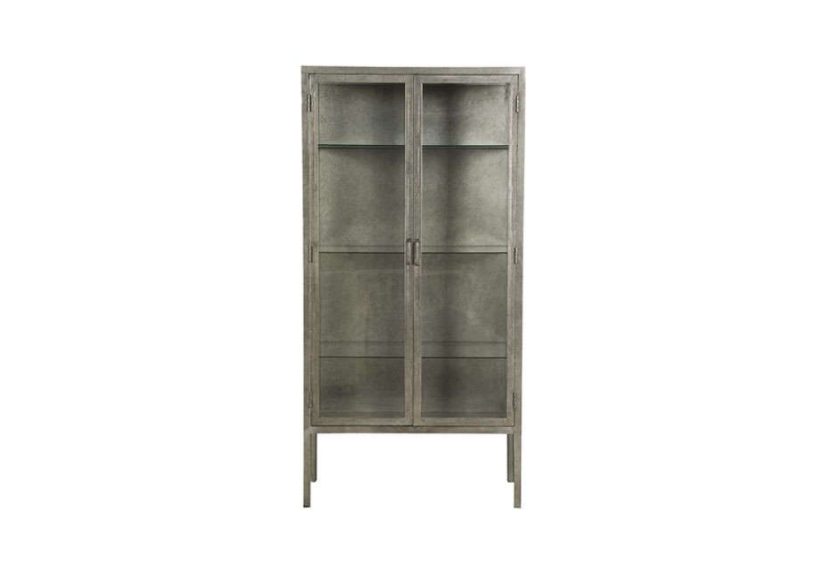
The cabinet is approximately 72 inches high, 36 inches wide, and 18 inches deep.
That 18-inch depth is a sweet spot: deep enough for stacks of plates, cocktail trays, or larger booksshallow enough that it
won’t bulldoze your walkway the moment you place it in a dining room or office.
Translation: it has presence without becoming a hallway villain. Still, measure twiceespecially if you plan to place it in a
tight nook or behind a door swing. (Nothing humbles a homeowner faster than a door handle punching glass because “it looked fine
in the mood board.”)
Materials, finish, and the “display case” effect
The Smith is described as a metal case with glass sides and glass doors, finished in a French metal finish.
It includes two doors and three adjustable glass shelves, so you can customize shelf spacing to suit
anything from tall vases to neat stacks of barware.
That glass-on-the-sides detail matters. A cabinet with only glass doors can still feel “heavy” because the sides read as solid.
With glass sides, the Smith feels lighter and more architecturallike it’s framing your objects instead of hiding them.
In smaller rooms, that can be the difference between “statement piece” and “why is the room suddenly cramped?”
Weight (aka: this is not a casual purchase)
Depending on the listing, the Smith is reported at roughly 292 pounds. That’s not a warning; it’s a lifestyle note.
Plan for professional delivery help, protect your floors, and decide the cabinet’s home before it arrivesbecause “we’ll just
move it later” becomes comedy very quickly.
Why “apothecary” style still feels fresh
Apothecary-inspired furniture has staying power because it solves two competing design problems at once:
we want storage, and we also want our stuff to look like it belongs there. When storage is opaque, everything becomes
a secret pile. When storage is transparent, you get accountabilityplus the chance to turn everyday items into decor.
The Smith leans into that transparency. It makes you edit, which sounds annoying until you realize editing is the fastest way to
make a space look intentional. Think of it as a cabinet that gently bullies you into better taste. In the nicest possible way.
Where it shines: room-by-room ideas
1) In the living room: a “collected” display without the clutter
In a living room, the Smith reads as a tall anchor pieceespecially effective next to a sofa, along a blank wall, or in a corner
that needs structure. Because it’s glassy, it works beautifully with layered textures: boucle, linen, leather, wool rugs, and
anything that makes the cabinet’s metal edges look even crisper by contrast.
What to put inside:
curated books, ceramics, sculptural objects, framed photos leaning against the back, or a rotating “seasonal shelf” (a fancy term
for swapping things around when you’re bored).
2) As a bar cabinet: sophisticated and surprisingly practical
If you want a bar setup that feels grown-up but not “mahogany gentlemen’s club,” the Smith is a strong contender. The shelves can
handle glassware, decanters, bitters, and cocktail toolswhile the glass doors let you see what you have (so you stop buying your
third bottle of vermouth like it’s a survival skill).
Pro move: style the bottom shelf with heavier items (bottles, books, or a tray) and keep the upper shelves lighter. It looks balanced
and makes the cabinet feel stable and grounded.
3) In a dining room: serving pieces that look like decor
Dining rooms often need storage for the “special occasion” items that somehow get used once every lunar eclipse. The Smith makes
those pieces visible and easy to reach while turning them into part of the room’s design.
Think: stacks of white plates, linen napkins in a basket, serving bowls, or glassware organized by height. The metal-and-glass vibe
pairs especially well with modern dining tables, pedestal bases, and anything that leans contemporary classic.
4) In an office or library: the cabinet that makes you look organized
If your desk is where good intentions go to die, the Smith can be your visual reset. Use it for reference books, archival boxes,
notebooks, and objects that make your workspace feel considered (a lamp, a plant, a few meaningful pieces).
Because it’s display-forward, it also works as a “professional backdrop” cabinetespecially if you’re on video calls and want the
room to look intentional without screaming “I arranged this for LinkedIn.”
5) In a kitchen (with caution): pantry-style storage with a gallery look
Could it live in a kitchen? Yesif you have room and you’re okay with wiping it down more often. Glass shows fingerprints, and kitchens
generate fingerprints like it’s their job. If you use it for pantry items, keep things in matching containers to avoid visual chaos.
If you use it for cookware, stick to your prettiest pieces (or accept that you’re essentially displaying your “functional chaos” as an art form).
Styling playbook: make it look curated, not chaotic
Start with a color story (three is a magic number)
Because the cabinet is transparent, everything inside becomes part of the “front elevation” of the room. Limit yourself to about
three main colors (plus neutrals). For example: black + white + warm wood tones, or charcoal + brass + soft green.
Mix textures to keep the glass from feeling cold
Metal and glass can skew sterile if everything inside is also glossy. Bring in texture: a woven basket, matte ceramics, linen-bound
books, rough stoneware, or a small wooden box. The contrast makes the cabinet feel warm and lived-in instead of showroom-perfect.
Use negative space like it’s furniture too
Don’t fill every shelf edge-to-edge. Leave breathing room. Negative space is what makes the objects you do show look more
valuable and intentional. If you’re unsure how much to leave open, try the “two-thirds rule”: style roughly two-thirds of a shelf,
leave one-third open.
Build shelves in layers (front, middle, back)
A glass-sided cabinet rewards depth. Place taller pieces toward the back, mid-height objects in the middle, and smaller items up front.
That layering creates dimension and keeps the display from looking flat.
Add subtle lighting if you want maximum impact
A slim LED strip or puck lights can make the Smith look like a museum casein the best way. Warm-toned lighting works especially well with
a French metal finish, softening reflections and making glassware or ceramics glow.
Buying considerations: what smart shoppers check first
High-end cabinets aren’t just about looks; they’re logistics. Here’s what to think through before you commit.
Delivery planning
With a cabinet this tall and heavy, plan a delivery path: stair turns, door widths, elevator dimensions, and where the cabinet will be uncrated.
If you’re in a home with delicate floors, add protective runners and ask about white-glove delivery options.
Placement and stability
Tall display cabinets look best on level groundno wobble, no rocking. If you have kids, pets, or a household where “gravity is a hobby,”
consider securing it with anti-tip hardware for peace of mind (especially in high-traffic areas).
Authorized dealers and craftsmanship expectations
Vanguard Furniture markets itself as American-made and artisan-crafted, emphasizing multi-step finishing and traditional construction.
Practically, that often means: beautiful materials, strong build quality, and finishes that look intentionally nuanced rather than “factory-flat.”
It’s the difference between a cabinet that photographs well and one that looks even better when you’re standing in front of it.
Care and maintenance: keep the metal crisp and the glass clear
A metal-and-glass cabinet is not hard to maintainbut it is honest. Dust and fingerprints show up fast. The good news: a simple routine keeps it sharp.
Weekly reset (10 minutes, no drama)
- Dust the exterior metal frame with a soft microfiber cloth.
- Wipe glass with a streak-free glass cleaner and a clean microfiber towel.
- Do a quick “shelf edit” so the cabinet doesn’t slowly become a transparent junk drawer.
Deep clean (monthly or when the light hits it just wrong)
For glass: spray cleaner onto your cloth (not directly onto the cabinet) to avoid drips creeping into seams or corners. Wipe methodically edge-to-edge,
then buff with a dry cloth.
For metal: avoid abrasive pads and harsh chemicals that can scratch or dull the finish. Mild soap and water on a soft cloth is usually plenty;
dry thoroughly so water spots don’t become part of the “patina” against your will.
Warranty basics (so you know what’s normal vs. what’s not)
Vanguard’s casegoods warranty language commonly separates coverage by materialwood and metal typically have longer coverage than glass components.
In plain terms: treat the glass like the beautiful, functional luxury material it isdon’t drag heavy objects across it, and handle shelves carefully during cleaning.
If you’re buying through a dealer, confirm the current warranty terms and what “ordinary use” covers in practice.
How it compares: why choose the Smith over other metal-and-glass cabinets?
Metal-and-glass display cabinets are having a momentand for good reason. They brighten rooms, make storage feel lighter, and bridge industrial and classic styles.
What makes the Smith stand out is its combination of:
- Apothecary-inspired proportions (tall and refined, not squat and bulky)
- Glass sides (more architectural, less “boxy”)
- Adjustable shelving (practical for real-life collections)
- Distinctive metal finish that leans timeless rather than trendy
If you want a cabinet that acts like functional storage and a display piece, the Smith is built for that dual role. It’s not trying to disappear.
It’s trying to make your everyday things look like they belong in a well-edited home.
Experiences: living with the Vanguard Smith Metal Apothecary Cabinet (the good, the real, and the “oops”)
People who bring a cabinet like this home often describe the first week as a mix of excitement and mild panicbecause suddenly you’re styling.
You’re not just putting things away; you’re curating. At first, that can feel like a trap (“Why is my cabinet judging me?”), but it usually turns into
a surprisingly satisfying ritual.
One common experience: the cabinet becomes a “center of gravity” for the room. Because it’s tall and reflective, it changes how light moves across the space.
In the daytime, glass sides pick up window light and make the cabinet feel airy. At night, it can catch lamp glow and reflect it softly, which makes the room feel
more layered and intentional. If you add interior lighting, it goes full gallery-modeand suddenly your everyday glassware looks like it deserves a label and a docent.
Another reality: you learn what you truly use. When the cabinet is visible, duplicates and forgotten items become obvious. That third teapot? Now it’s a personality trait.
The ten mismatched candles? A confession. Many owners end up downsizing what goes inside, not because they must, but because the cabinet makes “too much stuff” look… loud.
The Smith isn’t about maximal storage. It’s about elevated storagekeeping the best, editing the rest.
The shelf adjustability is often the unsung hero. People start with “pretty shelves” (vases up top, books below), then realize how practical it is to tweak heights for
entertaining. One week it’s a bar display with tall bottles; the next it’s serving ware for a dinner party; later it becomes a holiday cabinet with seasonal decor.
The cabinet’s structure stays the same, but the story changeslike your home’s version of a rotating gallery exhibit, only with more snack bowls.
The “oops” moments are usually about fingerprints and placement. Glass is honest. If the cabinet lives in a high-traffic zonenear the kitchen, by the front entry,
or within reach of tiny handsexpect to wipe it more often. The good news is that quick wipes actually work; the cabinet doesn’t require special potions, just consistency.
Many people keep a microfiber cloth nearby and do a fast pass once or twice a week. It’s the kind of upkeep that feels less like cleaning and more like “resetting the room.”
Placement is the other learning curve. Because the Smith is tall, you want it to feel anchored. People who love it most often position it where it can “own” a wall:
centered on a blank stretch, paired with art above or beside it, or flanked by a plant and a floor lamp. When it’s squeezed into a corner behind other furniture,
it can lose its magic. Give it space, and it rewards you.
Finally, the best long-term experience is how it changes your habits. A cabinet like this tends to become a “landing spot” for the items you actually care about.
Instead of scattering meaningful objects across random shelves, the Smith gathers them into one intentional place. Over time, it can quietly elevate your entire room:
fewer piles, better grouping, more breathing room. And that’s the real winnot just owning a beautiful cabinet, but owning a cabinet that makes your home feel more
like the version you meant to have all along.
Conclusion
The Vanguard Furniture Smith Metal Apothecary Cabinet is for people who want storage that doesn’t hidethe kind of piece that turns everyday objects into a display and
makes a room feel sharper, brighter, and more composed. With its tall metal frame, glass sides, adjustable shelves, and classic apothecary vibe, it’s equal parts function
and statement. Plan the placement, respect the weight, keep a microfiber cloth nearby, and let the cabinet do what it does best: make your stuff look like it has a point.