Table of Contents >> Show >> Hide
- What “Tuscan” Means Here (Spoiler: It’s Deliciously American)
- Ingredients You’ll Need
- Step-by-Step: How to Make Creamy Tuscan Chicken
- Why This Recipe Works (A Little Sauce Science, Zero Boring)
- Variations (Because Dinner Has Moods)
- What to Serve With Creamy Tuscan Chicken
- Make-Ahead, Storage, and Reheating Tips
- FAQ + Troubleshooting (Because Sauce Has Opinions)
- Final Thoughts
- Real-World Kitchen Experiences (The Extra You Asked For)
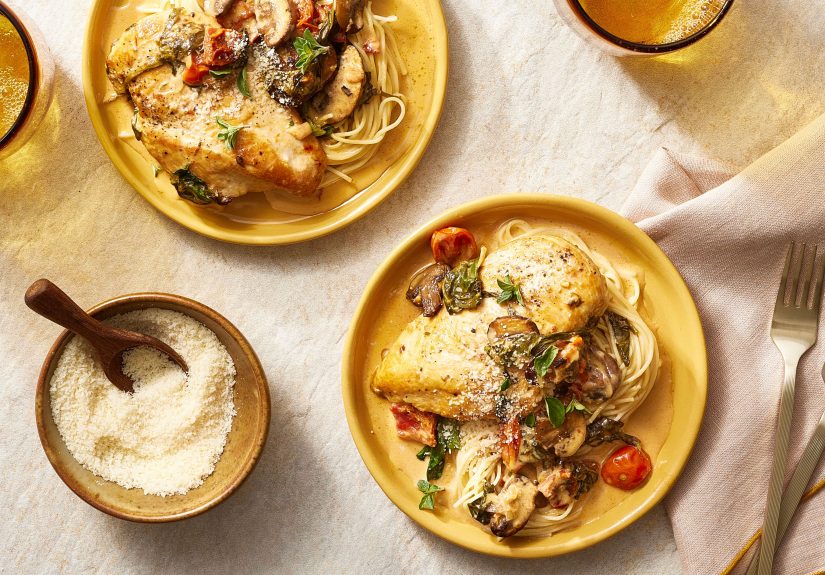
If “cozy,” “fancy,” and “I only want to wash one pan” could form a dinner band, their hit single would be
creamy Tuscan chicken. You get golden-seared chicken bathing in a garlicky
Parmesan cream sauce with sun-dried tomatoes and a pile of
spinach that wilts down like it’s trying to be helpful.
This recipe is built for real life: weeknights, last-minute guests, and anyone who has ever looked at a sink of
dishes and whispered, “Not today.” It’s also forgivingmeaning if you’re the kind of cook who measures garlic
with your heart, you’re among friends.
What “Tuscan” Means Here (Spoiler: It’s Deliciously American)
“Tuscan chicken” isn’t a strict traditional Tuscan recipe you’ll be tested on by an Italian nonna hiding behind
your spice rack. In American kitchens, it usually means:
chicken + creamy sauce + garlic + sun-dried tomatoes + spinach + Parmesan, often finished with basil.
The vibe is rustic-Italian-inspired, the method is skillet-friendly, and the results are dangerously spoonable.
Think of it as the love child of a quick pan sauce and a comfort-food cravingelegant enough to serve with wine,
easy enough to make in sweatpants.
Ingredients You’ll Need
This creamy Tuscan chicken recipe serves 4 and leans into bold, balanced flavors: savory chicken,
tangy tomatoes, leafy greens, and a rich sauce that tastes like it went to culinary school.
The Chicken
- 1 1/2 pounds boneless, skinless chicken breasts (or thighs)
- 1 teaspoon kosher salt
- 1/2 teaspoon black pepper
- 1/3 cup all-purpose flour (optional, for a light dredge)
- 2 tablespoons olive oil
- 1 tablespoon unsalted butter
The Sauce (The Main Character)
- 4–5 cloves garlic, minced
- 1 teaspoon Italian seasoning
- 1/4–1/2 teaspoon crushed red pepper flakes (optional, but fun)
- 1/2 cup sun-dried tomatoes (oil-packed), drained and sliced
- 1/2 cup dry white wine (or more broth if you don’t cook with wine)
- 3/4 cup low-sodium chicken broth
- 3/4–1 cup heavy cream
- 1/2 cup finely grated Parmesan (plus more to serve)
- 3 packed cups baby spinach
- 2 tablespoons chopped basil (optional)
- Optional finishers: a squeeze of lemon, extra black pepper
Ingredient Notes That Save Dinner
-
Chicken breasts vs. thighs: Breasts feel classic and lean; thighs stay extra juicy and are
harder to overcook. Either works. -
Flour dredge: Not required, but it helps you get a better sear and gives the sauce a subtle
thickening boost. -
Parmesan: Use finely grated for smooth melting. The powder-in-a-can will “work,” but fresh
grated tastes like you meant it.
Step-by-Step: How to Make Creamy Tuscan Chicken
Total time: about 30–40 minutes. One skillet. Maximum bragging rights.
-
Prep the chicken.
Slice chicken breasts horizontally to make cutlets (they cook faster and more evenly). Pat dry.
Season both sides with salt and pepper. If using flour, lightly dredge and shake off excess. -
Sear until golden.
Heat olive oil and butter in a large skillet over medium-high heat. Add chicken in a single layer.
Sear 4–5 minutes per side (depending on thickness) until golden brown. Transfer to a plate.
Don’t wipe the panthose browned bits are flavor gold. -
Wake up the aromatics.
Reduce heat to medium. Add garlic, Italian seasoning, and red pepper flakes. Stir 30 seconds until fragrant.
If garlic starts browning too fast, lower the heatburnt garlic tastes like regret. -
Deglaze like you own a bistro.
Pour in white wine (or broth). Scrape the bottom of the pan to dissolve the browned bits.
Simmer 1–2 minutes to reduce slightly. -
Build the creamy sauce.
Stir in chicken broth and heavy cream. Bring to a gentle simmer (not a rolling boil).
Add Parmesan and whisk until smooth. -
Add the Tuscan extras.
Stir in sun-dried tomatoes, then add spinach in handfuls until wilted. -
Finish cooking the chicken.
Return chicken (and any juices on the plate) to the skillet. Simmer 3–6 minutes, spooning sauce over top,
until chicken is cooked through and the sauce clings nicely.
For food safety, use a thermometer and cook chicken to 165°F at the thickest part. -
Serve.
Turn off heat. Sprinkle basil, add extra Parmesan, and (optional) squeeze a little lemon to brighten the sauce.
Serve immediately while everyone pretends this was effortless.
Why This Recipe Works (A Little Sauce Science, Zero Boring)
1) The Sear = Flavor + Better Sauce
Browning the chicken creates a savory foundation (the “fond”) that dissolves into the sauce when you deglaze.
That’s why your sauce tastes deep and restaurant-y instead of “cream with feelings.”
2) Gentle Simmer Keeps Cream Happy
Cream sauces prefer calm vibes. A hard boil can make dairy separate or get grainy, especially once cheese joins
the party. Keep it at a gentle simmer and stir occasionally.
3) Parmesan Adds Umami (and Thickness)
Parmesan brings salt, nuttiness, and that “why is this so good?” factor. Finely grated cheese melts faster and
smoother, helping thicken the sauce without needing a lot of flour or cornstarch.
4) Sun-Dried Tomatoes Bring Tang and Sweetness
This is your built-in flavor contrast. The sauce is rich; tomatoes cut through it with brightness, making each
bite taste balanced instead of heavy.
Variations (Because Dinner Has Moods)
Make It Extra Quick
- Use thin chicken cutlets or chicken tenders (they cook fast).
- Skip flour dredgingjust season and sear.
Make It Lighter (Without Ruining Everything)
- Use half-and-half instead of heavy cream (simmer gently to avoid separation).
- Add more broth and reduce longer for a lighter, silkier sauce.
- Serve over cauliflower mash or sautéed zucchini noodles.
Make It Spicy
- Increase red pepper flakes.
- Add a spoonful of Calabrian chili paste (if you want “wow” heat with Italian flair).
Make It Dairy-Free-ish
- Use full-fat coconut milk or a dairy-free cooking cream (flavor changes slightly, still tasty).
- Try a dairy-free Parmesan alternative or nutritional yeast for savory notes.
Make It Gluten-Free
- Skip flour or dredge with a gluten-free blend.
- Thicken by simmering the sauce a bit longer (or add a tiny cornstarch slurry if needed).
What to Serve With Creamy Tuscan Chicken
This is a saucy situation. Pick a side that either soaks it up or keeps things fresh and crisp.
Best Starches for Sauce-Soaking
- Fettuccine, linguine, or penne
- Mashed potatoes (classic comfort move)
- Rice or risotto-style rice
- Crusty bread (the “I regret nothing” option)
Fresh, Light Sides
- Simple arugula salad with lemon vinaigrette
- Roasted broccoli or asparagus
- Crisp cucumber-tomato salad
Make-Ahead, Storage, and Reheating Tips
Make Ahead
- Slice chicken and mince garlic earlier in the day.
- Measure sauce ingredients and keep them ready to go (you’ll feel like a TV chef, minus cameras).
Store
- Refrigerate leftovers in an airtight container for 3–4 days.
- Freeze for up to 2 months, but note: cream sauces can separate a bit when thawed.
Reheat Without Breaking the Sauce
- Warm gently on the stove over low heat.
- Add a splash of broth or cream and stir to bring it back together.
- Avoid microwaving on high for too longhot spots are sauce saboteurs.
FAQ + Troubleshooting (Because Sauce Has Opinions)
My sauce is too thinhelp.
Let it simmer a few extra minutes to reduce. If you want a faster fix, remove the chicken and reduce the sauce
briefly, then add chicken back in.
My sauce is too thickalso help.
Add broth a tablespoon or two at a time until it loosens. Taste and re-season (extra liquid can dilute salt).
The sauce looks a little separated. Did I ruin dinner?
Not necessarily. Lower the heat and whisk in a splash of warm broth or cream. Gentle heat and stirring usually
bring it back. (Sauces are dramatic, but they forgive.)
Can I use jarred sun-dried tomatoes?
Yesoil-packed ones are common and flavorful. Drain them so the sauce doesn’t get greasy, but don’t overthink it.
Do I really need a thermometer?
It’s the easiest way to avoid dry chicken and guesswork. Cook until the thickest part hits 165°F.
Then rest a couple minutes so juices redistribute.
Final Thoughts
The magic of creamy Tuscan chicken is that it feels like a special-occasion dish while behaving
like a weeknight recipe. It’s bold, comforting, and wildly versatileserve it over pasta, spoon it onto mashed
potatoes, or eat it straight from the pan like a villain in a cooking movie. (No judgment.)
If you make it once, you’ll understand why this dish keeps showing up in dinner rotations: it’s reliable, fast,
and the sauce is basically a standing ovation in liquid form.
Real-World Kitchen Experiences (The Extra You Asked For)
Here’s what tends to happen when people make a creamy Tuscan chicken recipe in an actual home
kitchenmeaning the dog is underfoot, someone is “just going to taste it,” and the pasta water is either boiling
aggressively or absolutely refusing to boil at all.
The “I Thought I Had More Time” Weeknight
This is the scenario where creamy Tuscan chicken shines. You start with confidence, then realize you have exactly
22 minutes before everyone turns feral. The key move is slicing chicken breasts into thin cutlets. Suddenly, what
could have been a 30-minute “why is it still pink?” situation becomes a fast sear-and-simmer win. People also
notice the smell first: garlic hitting warm fat is basically an edible announcement that dinner is happening.
Even picky eaters tend to wander in at that pointpurely coincidental, of course.
The “My Sauce Is Doing Something Weird” Moment
Cream sauces can be moody. In real kitchens, the most common hiccup is heat: someone gets impatient, cranks the
burner, and the sauce starts looking slightly grainy or separated. The fix is almost always the same: lower the
heat and stir in a splash of broth or cream. Another common moment is Parmesan timingadding it while the sauce is
boiling hard can make it clump. If that happens, don’t panic. Keep stirring and reduce the heat; it often smooths
out. Worst case, your sauce is still deliciousjust a little “rustic,” which is a fancy word for “we’re rolling
with it.”
The Sun-Dried Tomato Surprise
Oil-packed sun-dried tomatoes are intensely flavorful, which is great… until someone dumps in the whole jar along
with half the oil. That’s when the sauce can taste overly tangy or feel heavy. Draining the tomatoes helps, and
slicing them into thin strips makes every bite feel more balanced (instead of getting a whole tomato chunk that
hijacks the fork). Some cooks also discover the “secret bonus”: a spoonful of that tomato oil can be amazing in
moderationjust treat it like a seasoning, not a swimming pool.
Leftovers: The Next-Day Glow-Up
People who swear they “don’t like leftovers” mysteriously like these leftovers. The sauce thickens in
the fridge, and when reheated gently with a little broth, it turns into something that clings to pasta even
better than day one. A common next-day move is turning it into a different meal: slice the chicken, toss with
penne, add a handful of fresh spinach, and call it “Tuscan chicken pasta” like it was planned. Another easy trick
is spooning the warm chicken and sauce onto toasted bread for an open-faced sandwich situation that feels
borderline irresponsiblein the best way.
The Confidence Boost Effect
This dish has a funny side effect: it makes people feel like they can cook. The steps are simplesear, deglaze,
simmerbut they produce “wow” flavor. After one good run, cooks start experimenting: mushrooms go in, onions go
in, a splash of lemon brightens everything, and suddenly everyone has “their version.” That’s the real win. A
recipe that’s delicious on day one, but also teaches you a repeatable method you can apply to other skillet
dinners. And if all else fails, remember the universal kitchen truth: if the sauce tastes good, you are doing
great.