Table of Contents >> Show >> Hide
- Alocasia Black Velvet at a Glance
- Understanding the Plant’s “Personality” (So You Don’t Take It Personally)
- Light: Bright, Indirect, and Not a Desert Spotlight
- Watering: The “Moist, Not Marsh” Rule
- Soil: Airy, Chunky, and Fast-Draining (But Not Dust)
- Pot Choice and Drainage: Non-Negotiable
- Humidity: The Secret Ingredient for Velvet Leaves
- Temperature: Keep It Cozy and Draft-Free
- Fertilizer: Light Snacks, Not a Buffet
- Repotting: Only When It Actually Needs It
- Propagation: Division and Corms (Tiny Plant Babies Included)
- Pruning and Leaf Care: Clean Leaves, Better Photos
- Pests and Diseases: What to Watch For
- Troubleshooting: Quick Fixes for Common Problems
- Seasonal Care: Winter Isn’t a Death Sentence (It’s a Slow Season)
- Safety Note: Toxicity for Pets (and Curious Humans)
- Styling Ideas: Where Black Velvet Looks Best
- Frequently Asked Questions
- Common Grower Experiences: What Usually Works (and What Usually Doesn’t)
- Experience #1: “It was perfect for a month… then it got dramatic.”
- Experience #2: “I watered on a schedule and it hated that.”
- Experience #3: “The soil stayed wet forever and then it got sad.”
- Experience #4: “Humidity was the missing piece.”
- Experience #5: “Spider mites showed up like they paid rent.”
- Experience #6: “It dropped a leaf in winter and I thought it was over.”
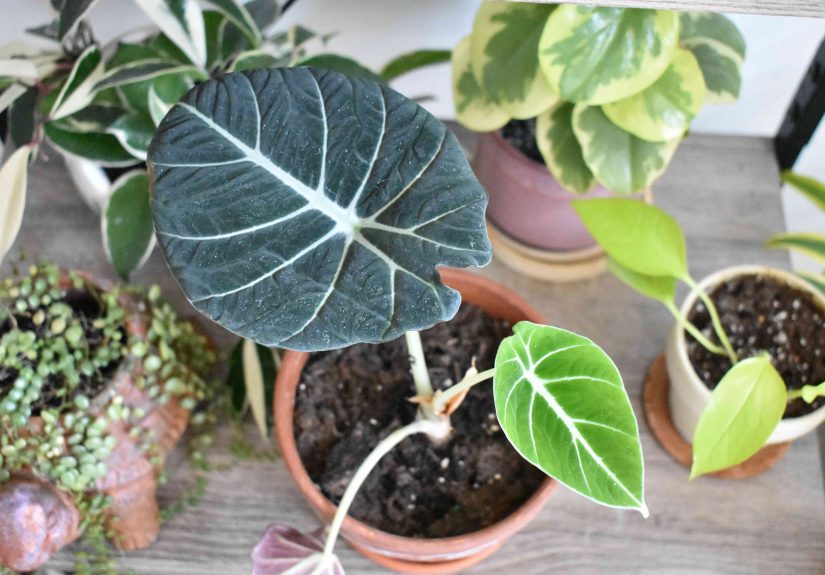
If houseplants had a red-carpet event, Alocasia Black Velvet would show up in a velvet tuxedo, stare dramatically into the middle distance, and somehow still demand a humidifier. This compact “jewel alocasia” (often sold as Alocasia reginula) is famous for its deep, almost-black leaves with silvery veinsand for being a little picky in the way only truly stylish things are.
The good news: once you understand what it wants (think “tropical forest floor, but indoors”), it becomes a steady, slow-growing showpiece. Below is an in-depth, practical guide to help you grow a healthy Black Velvet without turning your home into a swampor your plant into a sad, crunchy mystery.
Alocasia Black Velvet at a Glance
- Light: Bright, indirect light (gentle morning light is great; harsh sun is not)
- Water: Keep lightly and evenly moist; never soggy
- Soil: Chunky, airy, fast-draining mix that still holds some moisture
- Humidity: Preferably 60%+ (higher is usually happier)
- Temperature: Warm and stable; avoid cold drafts
- Growth: Slow; typically stays compact indoors
- Pet safety: Toxic if chewed (like many aroids)
Understanding the Plant’s “Personality” (So You Don’t Take It Personally)
Black Velvet is a tropical aroid that naturally grows in warm, humid, filtered-light environments. That’s why it tends to thrive when you mimic:
- Filtered light (like under tree canopy)
- Consistent moisture with excellent drainage
- High humidity and warm temperatures
It’s also why it throws a fit when it’s cold, dry, or sitting in wet soil. The most common failure mode isn’t “you forgot to water.” It’s “you watered lovingly… into a pot with poor drainage.”
Light: Bright, Indirect, and Not a Desert Spotlight
What “bright, indirect light” actually means
For Alocasia Black Velvet, aim for bright light that doesn’t hit the leaves like a laser. A spot near an east-facing window is often ideal because morning sun is usually softer. North-facing light can work if it’s bright enough. South or west windows can work toojust add distance from the glass or use a sheer curtain.
Signs the light is wrong
- Too much direct sun: Faded color, scorched patches, crispy edges
- Too little light: Slow or stalled growth, smaller leaves, long gaps between leaves
Pro tip: If you can comfortably read a book there during the day without turning on a lamp, you’re in the right neighborhood. If the sun hits your face and you squint like a movie villain, your Black Velvet will likely do the samewith leaf burn.
Watering: The “Moist, Not Marsh” Rule
Alocasias like consistency, but they hate soggy roots. Black Velvet does best when the soil stays lightly moist and airynot bone-dry for weeks, and not wet like a sponge in a bucket.
When to water
Use the finger test. When the top inch (or so) of soil feels dry, it’s usually time to water. In many homes that might be weekly-ish during active growth, and less often in winter.
How to water correctly
- Water thoroughly until excess drains out the bottom.
- Empty the saucer so the pot doesn’t sit in runoff.
- Don’t water again until the top layer dries a bit.
Overwatering vs underwatering symptoms
- Overwatering: Yellowing, limp leaves, mushy stems, sour-smelling soil, root rot
- Underwatering: Droop that improves after watering, crispy tips, dry potting mix pulling away from the pot
Reality check: A droopy Alocasia isn’t always thirsty. Sometimes it’s drowning. If the soil is wet and it’s drooping, don’t “help” by adding more water. That’s like handing someone a second umbrella because they fell into a pool.
Soil: Airy, Chunky, and Fast-Draining (But Not Dust)
Black Velvet wants roots that can breathe. Choose or build a potting mix that drains well, has air pockets, and still holds a bit of moisture.
A reliable Alocasia Black Velvet mix
Try a chunky blend like:
- 2 parts quality indoor potting mix
- 1 part orchid bark (or fine pine bark)
- 1 part perlite or pumice
- (Optional) a small handful of coco coir or peat for moisture balance
This kind of mix helps prevent waterlogging while keeping moisture availableexactly the “forest floor” vibe you’re going for.
Pot Choice and Drainage: Non-Negotiable
If your pot doesn’t have a drainage hole, consider it decorativelike a hat. Nice to look at, not meant to hold water.
Best pot options
- Plastic nursery pot inside a cachepot: Easy watering control and drainage
- Terracotta: Helps dry faster (great if you tend to overwater)
- Sturdy ceramic with drainage: Stable, attractive, and functional
Extra tip: Black Velvet is slow-growing, so it usually doesn’t need frequent upsizing. A pot that’s slightly snug is fineas long as the soil and drainage are excellent.
Humidity: The Secret Ingredient for Velvet Leaves
If your Black Velvet could write a dating profile, it would say: “Looking for someone stable, warm, and at least 60% humidity.” Higher humidity often reduces crispy edges and helps new leaves unfurl smoothly.
Easy ways to boost humidity
- Humidifier: The most reliable option
- Group plants together: Creates a slightly more humid microclimate
- Pebble tray: Can help a little (especially in small spaces)
- Bathroom placement: Works if there’s also enough light
About misting: It’s often inconsistent as a humidity strategy. If you mist, do it lightly and make sure the plant has airflow so leaves don’t stay wet for long.
Temperature: Keep It Cozy and Draft-Free
Warm, steady temperatures help Black Velvet stay active. Sudden chills, cold windows, and blasting AC can stress it fast.
Temperature comfort zone
- Ideal: Warm indoor temps that stay stable day to day
- Avoid: Cold drafts, vents, and temperatures that dip too low
Practical placement rule: If you wouldn’t nap there comfortably, your tropical plant probably shouldn’t either.
Fertilizer: Light Snacks, Not a Buffet
Black Velvet is a slow grower, so it doesn’t need heavy feeding. During spring and summer, a balanced liquid houseplant fertilizer can helpused gently and not too often.
A simple feeding schedule
- Spring–summer: Fertilize lightly every 2–4 weeks (diluted)
- Fall–winter: Reduce or pause feeding, especially if growth slows
Common mistake: Over-fertilizing to “speed things up.” That can lead to leaf edge burn and stressed roots. Black Velvet grows at its own pacelike a luxury brand that refuses to do fast fashion.
Repotting: Only When It Actually Needs It
Repot when you see clear signs the plant has outgrown its home:
- Roots circling heavily at the bottom
- Water rushing straight through because the pot is mostly roots
- The plant becoming unstable or top-heavy
- Soil breaking down and staying wet too long
Repotting steps
- Choose a pot only 1–2 inches wider than the old one.
- Remove the plant and gently loosen the outer roots.
- Trim any mushy, black, or foul-smelling roots.
- Repot in fresh, airy mix and water lightly.
- Keep it warm and humid while it recovers.
Propagation: Division and Corms (Tiny Plant Babies Included)
Alocasia Black Velvet is commonly propagated by division or by growing its corms (small bulb-like structures) that form in the pot.
Method 1: Division
When repotting, you may find natural clusters. If there are separate growth points with roots, you can gently separate them into new plants. Use clean tools, and don’t force separation if everything is tightly fuseddamage sets the plant back.
Method 2: Corm propagation
- During repotting, look for small round corms in the soil.
- Place corms in a moist medium (like sphagnum moss or a light propagation mix).
- Keep warm, humid, and in bright, indirect light.
- Be patientsprouting can take weeks to months.
Corm success tip: Warmth and humidity do a lot of the heavy lifting. Many people use a covered container (with some airflow) to keep conditions stable.
Pruning and Leaf Care: Clean Leaves, Better Photos
Black Velvet doesn’t need heavy pruning. Remove only leaves that are clearly donefully yellow or damaged beyond saving.
How to clean velvet leaves
Velvet foliage can be sensitive. Skip leaf shine products. Use a soft, dry makeup brush or a very gentle microfiber cloth to remove dust. If you must use water, use it sparingly and blot drydust buildup can reduce photosynthesis and invite pests.
Pests and Diseases: What to Watch For
Indoor alocasias can attract common houseplant pests, especially when conditions are warm and dry.
Common pests
- Spider mites: Fine webbing, stippling, dull leaves
- Mealybugs: White cottony clusters in leaf joints
- Scale: Small brown bumps that don’t wipe off easily
- Fungus gnats: Usually a sign the soil stays too wet
Simple pest control plan
- Isolate: Move the plant away from others.
- Rinse: A gentle shower can remove many pests.
- Wipe: Clean undersides of leaves carefully.
- Treat: Use insecticidal soap or horticultural products labeled for houseplants.
- Repeat: Treatments often need repeating to break pest life cycles.
Root rot warning: The #1 disease problem is root rotusually caused by overwatering, compact soil, or poor drainage. If your plant is wilting while the soil is wet, check roots and repot into fresh, airy mix if needed.
Troubleshooting: Quick Fixes for Common Problems
Yellow leaves
- Most likely: Overwatering or soil staying wet too long
- Also possible: Low light, nutrient issues, natural aging of an older leaf
- Fix: Check soil moisture, improve drainage, adjust light, feed lightly in growing season
Brown, crispy tips
- Most likely: Low humidity or inconsistent watering
- Also possible: Fertilizer burn or mineral-heavy water
- Fix: Boost humidity, water more evenly, flush soil occasionally, reduce fertilizer strength
Leaves curling or drooping
- Thirsty droop: Soil dry; perk-up after watering
- Stress droop: Cold draft, wet roots, recent repotting shock
- Fix: Stabilize conditionswarmth, humidity, correct watering pattern
No new growth
- Often: Light too low or it’s in a slower winter phase
- Fix: Increase bright indirect light, keep warm, reduce watering in low-light months
Seasonal Care: Winter Isn’t a Death Sentence (It’s a Slow Season)
In many homes, winter brings lower light and drier air. Black Velvet may slow down, pause new leaves, or drop an older leaf.
- Water less frequently (soil dries slower in low light)
- Pause heavy fertilizing
- Prioritize humidity and stable warmth
- Watch for pests (spider mites love dry indoor air)
Important: If your plant “rests,” don’t chase growth with extra water. Match your care to the season: less light = less water.
Safety Note: Toxicity for Pets (and Curious Humans)
Alocasia plants contain insoluble calcium oxalates and are considered toxic if chewed by pets (and not a snack for humans, either). Keep it out of reach of cats, dogs, and tiny plant-tasters with a passion for bad decisions.
Styling Ideas: Where Black Velvet Looks Best
This plant shines where you can appreciate the texture. Try:
- A bright shelf near an east window
- A side table in a humid room with filtered light
- A “jewel plant” cluster with other small, dramatic foliage plants
Design tip: Pair the dark leaves with light pots or pale wood to make the silver veins pop. The plant is basically natural graphic design.
Frequently Asked Questions
How fast does Alocasia Black Velvet grow?
Slowly. It’s a compact “jewel” alocasia, so don’t expect it to become a towering jungle statement overnight. Healthy care means steady leaves over timenot a leaf explosion every week.
Does it like to be rootbound?
It can tolerate a snug pot, but the real key is airy soil and drainage. Repot when roots truly fill the pot or soil structure breaks down.
Can I grow it in a terrarium?
Some people do, because humidity can be easier to maintain. If you try this, ensure airflow and avoid constantly wet soilstale, wet conditions can invite rot.
Should I mist it?
Misting can provide a short-lived bump in moisture on leaf surfaces, but it’s not a reliable humidity solution in most homes. A humidifier and good placement usually work better.
Common Grower Experiences: What Usually Works (and What Usually Doesn’t)
Because Alocasia Black Velvet is both gorgeous and particular, most people go through a “learning curve season.” Think of this section as a collection of real-world patterns that indoor gardeners frequently reportwhat tends to happen in typical homes, and how to respond without panic-buying a second humidifier at midnight.
Experience #1: “It was perfect for a month… then it got dramatic.”
A very common story is that the plant looks flawless right after you bring it home. Then, a few weeks later, a leaf yellows or droops and you start questioning everything you’ve ever believed about water. In many cases, the plant is simply adjusting to a new environment: different light levels, different humidity, and a different watering rhythm than the nursery. The best response is not to overreact. Instead, focus on stabilizing basicsbright indirect light, warm temps, airy soil, and a consistent watering routine. Sudden big changes (moving it daily, changing soil repeatedly, watering “just in case”) often make the adjustment harder.
Experience #2: “I watered on a schedule and it hated that.”
Black Velvet punishes rigid schedules because your home isn’t the same every week. Light changes with seasons, indoor heat dries soil faster, and humidity can swing wildly. Many growers find that the plant does better when watering is based on the soil’s actual dryness rather than the calendar. A simple habitchecking the top inch of soiloften prevents the two big disasters: chronic sogginess and long droughts. Over time, you learn the plant’s rhythm in your specific spot, which is honestly the secret sauce.
Experience #3: “The soil stayed wet forever and then it got sad.”
Another frequent experience is discovering that standard potting soil can hold too much water for this plant, especially in low light. If the pot feels heavy for days and days, or the soil smells off, it’s a sign your mix may be too dense. Many indoor gardeners report major improvements after switching to a chunkier mix (adding bark and perlite/pumice) and using a pot with excellent drainage. Once roots can breathe, the plant usually becomes less moody and more predictable.
Experience #4: “Humidity was the missing piece.”
People often assume watering is the whole gameuntil they notice crispy edges, stuck leaf unfurling, or slow growth despite “perfect” watering. In a lot of homes, the real limiter is humidity. Growers who add a humidifier (or move the plant to a naturally humid room with good light) often see smoother new leaves and better overall vigor. The plant doesn’t necessarily need rainforest humidity 24/7, but it tends to look its best when the air isn’t desert-dry. If your home is dry in winter, even small upgradesgrouping plants, a pebble tray in a small nook, or running a humidifier nearbycan make a noticeable difference.
Experience #5: “Spider mites showed up like they paid rent.”
Dry air + warm indoor temps can invite spider mites, and Alocasias are frequent targets. A lot of growers notice the problem only after leaves look dull or stippled. The most successful approach is usually early intervention: isolate the plant, rinse leaves (especially undersides), and repeat treatments consistently. Many people also report fewer pest issues when humidity is improved and leaves are kept clean. It’s not glamorous, but gentle routine maintenancedusting velvet leaves with a soft brush, inspecting leaf jointsoften prevents a small pest issue from becoming a full-on houseplant soap opera.
Experience #6: “It dropped a leaf in winter and I thought it was over.”
Seasonal slowdowns are common. In lower light months, Black Velvet may pause growth or let an older leaf go. Growers who keep watering the same amount as summer often run into trouble because the soil dries more slowly. The people who have the easiest winters with Alocasia Black Velvet usually do three things: water less often, keep the plant warm, and prioritize humidity. In spring, when light increases, the plant often resumes growthespecially if the roots stayed healthy through winter.
The big takeaway from these experiences: Black Velvet doesn’t need constant “fixing.” It needs consistent conditions. Once you dial in light, drainage, humidity, and a soil-based watering routine, the plant becomes far less dramaticand far more rewarding.