Table of Contents >> Show >> Hide
- Why extreme haircut transformations hit so hard
- The Big Chop checklist: are you ready?
- Inspo that actually translates: from screenshot to real life
- The consultation script: what to tell your stylist (and what to ask)
- How to take scroll-stopping before & after haircut photos
- Extreme haircut transformation ideas that photograph beautifully
- How to share your transformation without overthinking it
- Short-hair care after the cut: keep the “after” looking like the after
- If your extreme haircut includes donating hair
- Conclusion: Your before & after is someone else’s courage
- Experience Add-On : What people learn after an extreme haircut transformation
There are few things in life as instantly satisfying as an extreme haircut transformation. One minute you’re
hiding behind “just a trim,” and the next minute you’re holding a ponytail like it’s a tiny, dramatic microphone:
“I’d like to thank my split ends for inspiring this moment.”
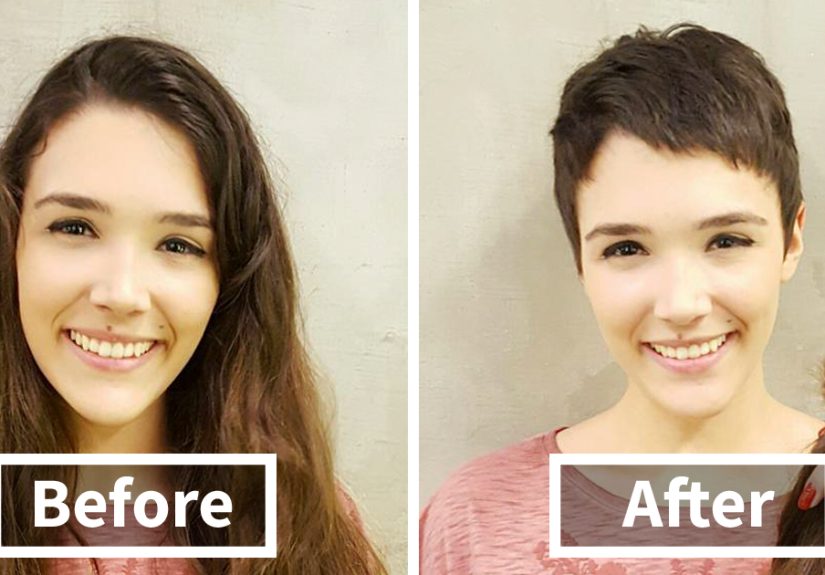
But the real magic? The before-and-after haircut photos. A good transformation pic doesn’t just
show shorter hairit captures a whole vibe shift: bolder jawline, brighter eyes, and that unmistakable energy of
someone who has officially stopped negotiating with their hair.
In this guide, you’ll learn how to plan a dramatic cut, communicate clearly with your stylist, take scroll-stopping
before/after shots, and share your transformation without accidentally doxxing your bathroom mirror.
We’ll also cover popular “big chop” styles, short-hair maintenance realities, and how to make your post feel
confident (not cringe).
Why extreme haircut transformations hit so hard
A dramatic haircut is more than “new hair.” It’s a reset button you can see. People go for extreme transformations
for all kinds of reasonsstarting a new job, ditching a bad era, simplifying their routine, leaning into natural
texture, or finally admitting that their hair tie deserves retirement.
The best transformations have two ingredients:
intent (you want a change) and contrast (the after looks undeniably different).
That’s why styles like the big chop, the pixie, and the buzz cut photograph so well
the difference is loud in the best way.
The Big Chop checklist: are you ready?
Let’s keep it real: “Extreme haircut transformation” sounds glamorous until you realize short hair can be both
liberating and high-maintenancesometimes at the same time. Use this quick checklist before you commit.
1) Your “why” is clear
- Practical: You want faster drying, easier wash days, less heat styling, less tangling.
- Style: You want a sharper shape, more volume, or a modern silhouette.
- Emotional: You’re ready for a change you can feel immediately.
2) You understand your hair’s “personality”
Hair texture, density, and growth patterns determine whether a cut looks effortless or turns into a daily debate.
A blunt bob on thick, straight hair behaves differently than the same bob on fine, wavy hair. And curls? Curls can
shrink, spring, and surprise you like a plot twist.
3) You’ve thought about upkeep (the part nobody puts on Pinterest)
Short cuts often need reshaping more frequently than long hair. If you don’t love salon visits, pick a short style
that grows out gracefullylike a longer pixie, a textured bob, or a shaggy cropso you’re not panic-booking every
time your hair decides to expand in three directions.
Inspo that actually translates: from screenshot to real life
Inspiration photos are helpful… until you bring in a photo of someone with a completely different hair type and
expect identical results. (Your stylist is talented, not a wizard.)
Use these filters when choosing inspo pics
- Match texture: straight, wavy, curly, coily.
- Match density: fine vs. thick hair changes the shape and “fullness” of a cut.
- Match styling effort: “Effortless” often means “styled for 45 minutes.”
- Plan the grow-out: ask yourself what it will look like in 6–10 weeks, not just day one.
Pro tip: choose 3–5 photos that show the cut from multiple angles (front, side, back). The goal isn’t to copy a
personit’s to communicate a shape, length, and mood.
The consultation script: what to tell your stylist (and what to ask)
If you want a dramatic haircut transformation you’ll love, your best tool is not braveryit’s communication.
Walk in with specifics, not vibes-only poetry like “make me feel like a cool French movie.”
Tell your stylist these five things
- Your daily routine: air-dry vs. blow-dry, how often you wash, how much styling you’ll do.
- Your non-negotiables: “I need to tuck it behind my ears” or “I hate hair touching my neck.”
- Your comfort zone: are you okay with showing ears, forehead, or a strong neckline?
- Your hair history: bleach, heat damage, keratin treatments, relaxers, major color changes.
- Your timeline: do you have an event, a new job, or a “please don’t let me cry at brunch” date?
Ask these questions (yes, you’re allowed)
- What cut works best with my face shape and hair texture?
- How will this grow out, and what will it look like between appointments?
- What’s the styling realityquick and easy, or “new hobby”?
- Which products would make this cut look its best?
- If we go shorter, can we do it in stages so I can adjust?
If you’re nervous, ask for a “step-down plan.” Many stylists will take you shorter graduallylong to lob, lob to bob,
bob to pixieso you can confirm you’re loving it before the final leap.
How to take scroll-stopping before & after haircut photos
A great transformation deserves great photos. The trick is consistency: the more your “before” and “after” match
in setup, the more dramatic the change looks. Here’s your no-fuss recipe.
1) Use the same setup for both shots
- Lighting: natural daylight or a simple ring light. Avoid harsh overhead bathroom lights.
- Background: plain wall beats a cluttered counter every time.
- Distance: mark where you stand (seriously) so your framing matches.
- Angle: straight-on, plus a side profile and a back shot if possible.
2) Keep your styling “fair”
If your “before” is wet hair in a messy bun and your “after” is professionally blown out with perfect shine, the
internet will noticeand not in a fun way. Try to keep conditions similar:
dry hair vs. dry hair, styled vs. styled, same part, same general vibe.
3) Capture the details that make transformations pop
- Neckline: especially for pixies and bobsthis is where the “wow” lives.
- Movement: add a short video or a “turn your head” clip if posting on social.
- Texture shot: one close-up that shows layers, curls, or the blunt line.
4) Try the “same shirt” trick
Wear the same top in both shots. It’s a simple way to make the change look intentional and make your post feel like a
true before-and-after haircut reveal (not two random selfies that happen to involve hair).
Extreme haircut transformation ideas that photograph beautifully
Want the kind of before/after contrast that makes people do a double-take? These dramatic cuts tend to deliver big
visual impact. (And yes, they work across hair typeswith the right shaping.)
Long hair to blunt bob
The classic “I’m done with long hair” move. A blunt bob creates a strong line that reads clearly in photos. It can be
sleek, wavy, or slightly tousled. Bonus: it can still be pinned back when you need a breather.
Long hair to textured lob (the “starter big chop”)
If you want drama without going full short, a lob gives you contrast while still feeling familiar. Add face-framing
layers or curtain bangs for movement, and it grows out nicely.
Bob to pixie
This is where transformation pics get spicy. A pixie highlights cheekbones and eyes, and it changes your silhouette
instantly. If you want flexibility, ask for a longer top with a softer fringe.
Pixie to buzz cut
The boldest leap. Buzz cuts make facial features the main event. If you’re considering it, talk with your stylist
about head shape, neckline, and whether you want a uniform length or a slightly faded look.
The big chop for curls, coils, and natural texture
Many people cut shorter to remove damage, embrace natural texture, or start fresh. A well-shaped curly or coily cut
can look incredibly full and intentionalespecially when layers are used strategically for balance.
Undercut or dramatic side shave
Perfect for someone who wants drama that can be hidden or shown depending on styling. It’s also a fun way to reduce
bulk on very thick hair without sacrificing overall length.
How to share your transformation without overthinking it
You don’t need a viral-worthy caption to post your before/after pics. You just need honesty and a little context.
People connect with the story behind the cut: the why, the feeling, the first reaction.
Caption ideas that don’t feel forced
- “Proof that one appointment can change your whole mood.”
- “Before: holding on. After: letting go.”
- “I asked for a change. My hair understood the assignment.”
- “Chopped it. Kept the confidence.”
- “If you’re thinking about it, this is your sign.”
Quick etiquette + privacy tips
- Credit your stylist if you’re comfortable (and if you loved the result).
- Ask before tagging if you’re sharing a salon’s photo spot or other clients are nearby.
- Check your background for mail, school logos, or location clues.
- Keep it kind when commenting on others’ transformationshair is personal.
Short-hair care after the cut: keep the “after” looking like the after
Here’s the truth: a dramatic haircut looks best when it’s supported by a routine that matches it. That doesn’t mean
you need a 12-step process. It means you need the right basics.
Simple routine, big payoff
- Hydrate: conditioner matters more than ever when hair is short and exposed.
- Protect: if you heat-style, use heat protection and keep tools moving.
- Define: a small amount of styling cream, mousse, or pomade can add shape fast.
- Refresh: on non-wash days, a light mist + re-style beats starting from scratch.
If you’re growing your hair out after an extreme chop, focus on keeping ends healthy and the shape intentional.
“Growing out” doesn’t have to mean “suffering through awkward stages.” A good stylist can reshape it along the way.
If your extreme haircut includes donating hair
Donating hair is one of the most meaningful reasons people go for a dramatic cut. Requirements vary by organization,
so always check the guidelines firstbut a few patterns are common.
- Length matters: many organizations require a minimum length and prefer longer.
- Cut smart: hair is usually secured in ponytails or braids before cutting.
- Keep it clean and dry: fully dry hair helps prevent issues during shipping.
- Know what’s accepted: some groups accept color-treated hair, but many don’t accept heavily bleached or damaged hair.
If you’re on the fence, you can still do a dramatic cut without donationyour “big chop” can be for you, and that’s
a perfectly valid charity.
Conclusion: Your before & after is someone else’s courage
Posting your extreme haircut transformation isn’t about fishing for compliments. It’s about sharing
proof that change can be both scary and amazingand that you can do bold things without waiting for a “perfect time.”
So take the photos. Keep the lighting consistent. Tell the story honestly. And if you feel a tiny bit like the main
character afterward? That’s not a bug. That’s the feature.
Experience Add-On : What people learn after an extreme haircut transformation
Extreme haircut transformations come with a weirdly universal timelinealmost like your hair signs a contract with
your emotions the moment the scissors open.
Phase one is adrenaline. You see the first chunk drop and your brain goes, “Oh. We’re doing this.”
There’s a split second when you wonder if you’ve made a huge mistakethen you catch your reflection and realize
you look sharper, lighter, and more awake. It’s the haircut equivalent of opening a window in a stuffy room.
Phase two is identity whiplash. This happens sometime between leaving the salon and the first time
you try to recreate the look at home. At the salon, your hair looks like a magazine moment. At home, you’re holding
a blow dryer like it’s a power tool you borrowed from someone with stronger forearms.
This isn’t failureit’s the adjustment period. You’re learning the new “rules” of your hair: where it naturally
parts now, how fast it dries, what happens when you sleep on one side, and how a pea-sized amount of product can
be the difference between “effortless texture” and “I fought a leaf blower and lost.”
Phase three is unexpected confidence. It sneaks up on you. You’ll notice it when you stop checking
your hair in every reflective surface. Or when you realize you don’t need to “hide” behind length anymoreyour face
is the focus, and you’re okay with that. People who go from long hair to a bob often talk about feeling more put
together with less effort. People who go pixie or buzz often describe it as strangely freeinglike they dropped
something they didn’t realize they were carrying.
Then comes the social part: the first comments from friends, coworkers, and strangers. Most are supportive. A few
might be dramatic (“I could never!”) which is secretly them saying, “You’re braver than I feel today.”
This is exactly why your before-and-after photos matter. Someone scrolling at 1 a.m. might be debating a change
they’ve wanted for years. Your post can be the nudge they needednot because you look perfect, but because you look
real and happy.
If you want your experience to feel even better, try these small rituals:
- Take a private before/after first: for you, not the internet. Save it like a time capsule.
- Write one sentence about why you did it: you’ll love reading it later.
- Test two styling options: one polished, one messyso you know both versions are “you.”
- Give it two weeks: many people love the cut more after the initial shock fades.
Finally, remember this: an extreme haircut transformation doesn’t have to be permanent to be meaningful. Even if you
grow it out later, you still did the brave thing. You proved to yourself you can change your look, your routine,
and your comfort zoneand still recognize yourself in the mirror. That’s a glow-up no product can sell.