Table of Contents >> Show >> Hide
- Why This Avocado Tartine Works So Well
- What You Need for the Best Avocado Tartine with Spring Veggies
- Avocado Tartine with Spring Veggies Recipe
- How to Make It Taste Better Than Most Cafe Versions
- Easy Variations and Smart Add-Ons
- Serving Ideas for Breakfast, Brunch, or Lunch
- Storage and Make-Ahead Tips
- Nutrition Snapshot and Why It’s So Satisfying
- Real-Life Experiences with Avocado Tartine with Spring Veggies (Extended Notes)
- Conclusion
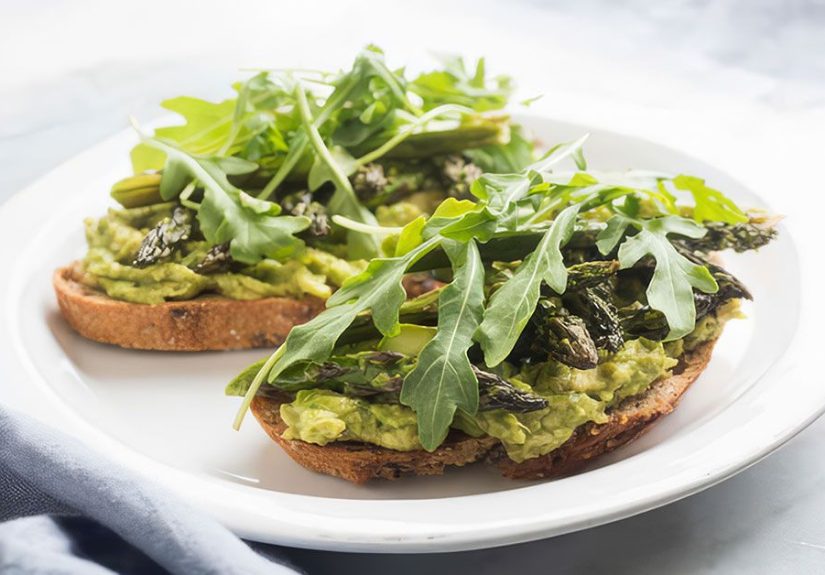
If avocado toast had a glow-up and started shopping at the farmers market, it would become an avocado tartine with spring veggies. This recipe is bright, crunchy, creamy, and just fancy enough to make you feel like you should be wearing linen while eating it near a window. (No actual linen required.)
A tartine is simply an open-faced sandwich, but that simple format is exactly why it works so well for spring produce. You get toasted bread for structure, avocado for creamy richness, and a pile of tender-crisp vegetables for color, texture, and freshness. It’s quick enough for breakfast, satisfying enough for lunch, and impressive enough to serve when friends “just happen to stop by” around brunch time.
This guide gives you a deeply practical, flavor-forward version of the dish, plus smart swaps, storage tips, and real-world serving ideas so your tartines don’t turn soggy, bland, or weirdly slippery (we’ve all been there).
Why This Avocado Tartine Works So Well
The magic of this dish is contrast. Avocado is smooth and rich, so it loves sharp, crunchy, and acidic companions. Spring vegetablesespecially radishes, asparagus, peas, and tender greensbring that contrast naturally.
Flavor Balance
Avocado has a buttery, mellow flavor. Spring veggies bring peppery notes (radish), grassy sweetness (asparagus, peas), and herbal brightness (mint, dill, chives, basil). A squeeze of lemon wakes everything up and keeps the whole tartine from tasting too heavy.
Texture Balance
You want all four textures in one bite: crisp toast, creamy avocado, tender vegetables, and a little crunch on top. Think flaky salt, toasted seeds, or thinly sliced radishes. When the textures line up, this stops being “nice toast” and starts being a genuinely memorable meal.
Nutrition Balance
Avocados are often praised for their nutrient density and monounsaturated fats, and they also pair well with fiber-rich vegetables and whole-grain bread. That means your tartine can taste indulgent while still being a practical, satisfying mealespecially if you add a protein like egg, smoked salmon, or white beans.
What You Need for the Best Avocado Tartine with Spring Veggies
1) The Bread (Your Foundation Matters)
Choose bread with enough structure to hold the toppings without collapsing. Sourdough, country loaf, seeded whole grain, or a rustic multigrain slice all work beautifully. A soft sandwich bread can work in a pinch, but it tends to get soggy faster and lacks the sturdy bite a tartine needs.
Pro tip: Toast it more than you think you need. The avocado and veggies add moisture, so a properly crisp surface helps the tartine stay delicious longer.
2) The Avocado (Ripe, Not Mushy)
The best avocado for tartines yields to gentle pressure but still feels firm. If it’s rock hard, it won’t mash smoothly. If it’s overly soft, your tartine can turn into green pudding on toast (not the vibe).
For extra flavor, mash the avocado with a pinch of salt, black pepper, and lemon juice before spreading. This small step makes the tartine taste seasoned all the way through instead of bland under the vegetables.
3) The Spring Veggies (Mix Raw + Lightly Cooked)
Spring vegetables are the stars here. A good combination includes one crisp raw vegetable and one lightly cooked vegetable. Try:
- Radishes: thinly sliced for peppery crunch
- Asparagus: blanched or sautéed until tender-crisp
- Peas: fresh or thawed frozen peas for sweetness
- Cucumber: extra crunch and freshness
- Microgreens or arugula: for color and a peppery finish
- Green onion or chives: a gentle allium kick
If you use sprouts, be mindful of food safety, especially for people at higher risk of foodborne illness. In general, washed produce and safe handling make a big difference when serving a recipe that features raw or lightly cooked vegetables.
4) Optional Creamy Layer (Highly Recommended)
Avocado alone is great, but a thin swipe of ricotta, goat cheese, or whipped cottage cheese under the avocado adds tang and makes the tartine feel restaurant-level. Ricotta is especially lovely with asparagus and herbs.
5) Finishers That Make It Pop
- Lemon zest or lemon juice
- Extra-virgin olive oil
- Flaky salt
- Red pepper flakes
- Fresh herbs (mint, dill, basil, parsley)
- Toasted seeds (pumpkin, sesame, sunflower)
Avocado Tartine with Spring Veggies Recipe
Yield, Time, and Difficulty
Servings: 2 (2 tartines)
Prep time: 15 minutes
Cook time: 5 minutes
Difficulty: Easy (looks fancy, cooks easy)
Ingredients
- 2 thick slices sourdough or whole-grain bread
- 1 ripe avocado
- 2 to 3 tablespoons ricotta cheese (optional, but excellent)
- 6 to 8 thin asparagus spears, trimmed
- 3 to 4 radishes, sliced very thin
- 1/4 cup peas (fresh or thawed frozen)
- 1 tablespoon chopped fresh herbs (mint, dill, basil, or chives)
- 1/2 lemon (for juice and optional zest)
- 1 to 2 teaspoons extra-virgin olive oil
- Salt and black pepper, to taste
- Pinch of red pepper flakes (optional)
- Small handful microgreens or arugula (optional)
Instructions
- Prep the asparagus: Bring a small pot of water to a boil. Add asparagus for 1 to 2 minutes until bright green and just tender. Transfer to ice water (or rinse under very cold water) to stop cooking, then pat dry. Slice lengthwise if thick.
- Toast the bread: Toast until golden and crisp. You want a sturdy base that can hold toppings without getting limp.
- Season the avocado: In a bowl, mash avocado with a squeeze of lemon juice, a pinch of salt, and black pepper. Keep it chunky for better texture.
- Layer the tartine: Spread ricotta on toast (if using), then top with the mashed avocado.
- Add spring veggies: Arrange asparagus, radishes, and peas over the avocado. Add microgreens or arugula if using.
- Finish: Drizzle with olive oil, add herbs, lemon zest, flaky salt, and red pepper flakes. Serve immediately.
How to Make It Taste Better Than Most Cafe Versions
Season Every Layer
A common mistake is salting only the top. Season the avocado itself, and lightly season the vegetables after they go on. Tiny amounts at each layer create a much fuller flavor.
Use Acid on Purpose
Lemon isn’t just there to make the avocado feel included. Acid balances richness and brightens mild vegetables. A squeeze before serving makes the tartine taste fresher and more vibrant.
Don’t Overcook the Asparagus
Spring asparagus should be tender-crisp, not limp. Quick blanching or a fast sauté preserves color, texture, and sweetness. Overcooked asparagus can make the tartine watery and dull.
Cut Vegetables Thinly
Thinly sliced radishes and delicate asparagus pieces make the tartine easier to eat. Thick chunks slide off when you take a bite, and then you’re chasing radishes across a plate before coffee. We are avoiding that drama.
Easy Variations and Smart Add-Ons
Protein-Boosted Version
- Soft-boiled or jammy egg
- Smoked salmon
- White beans (mashed lightly with olive oil)
- Crispy chickpeas for crunch
Dairy-Free Version
Skip the ricotta and use a swipe of hummus, tahini-yogurt alternative, or just extra avocado. Add seeds or nuts for richness and texture.
Spicy Spring Tartine
Add chili crisp, red pepper flakes, or thinly sliced jalapeño. The heat plays nicely with creamy avocado and sweet peas.
Garden-Herb Tartine
Use a mix of dill, mint, and chives for a fresh, springy flavor. This version is especially good for brunch spreads.
Serving Ideas for Breakfast, Brunch, or Lunch
This avocado tartine with spring veggies is flexible enough to fit almost any mealtime:
- Breakfast: Add an egg and fruit on the side
- Brunch: Serve as a tartine board with toppings in bowls so guests can build their own
- Lunch: Pair with soup (pea soup, tomato soup, or chilled cucumber soup)
- Light dinner: Make two tartines and add a big salad
For entertaining, prep all toppings ahead and toast bread at the last minute. That way, everyone gets crisp bread and bright vegetables instead of a soggy, delayed brunch situation.
Storage and Make-Ahead Tips
Best Made Fresh
Tartines are at their best right after assembly. If they sit too long, the bread softens and the avocado can discolor.
Prep Components Ahead
- Blanch asparagus up to 1 day ahead
- Slice radishes and store in cold water for extra crispness
- Wash and dry herbs/microgreens ahead of time
- Toast bread right before serving
- Mash avocado at the last minute for best color and flavor
Food Safety Notes
Wash produce before cutting or serving, even if you won’t eat the peel (like avocado skin), because knives can transfer surface bacteria inward. Keep produce separate from raw meat prep areas, and use clean cutting boards and utensils. If serving high-risk guests, choose safer produce options and avoid risky raw add-ons.
Nutrition Snapshot and Why It’s So Satisfying
An avocado tartine can be a well-rounded meal because it combines healthy fats, fiber, and produce with a carbohydrate base. If you use whole-grain bread and include a protein topping, it becomes even more filling and balanced.
Avocados contribute monounsaturated fat and a variety of micronutrients. Spring vegetables add fiber, texture, and freshness without making the dish heavy. In practical terms: it tastes like brunch, but it performs like lunch.
That’s the sweet spot for a recipe you’ll actually repeat.
Real-Life Experiences with Avocado Tartine with Spring Veggies (Extended Notes)
The first time I made an avocado tartine with spring veggies, I treated it like basic avocado toast and wondered why it tasted…fine. Not bad. Not exciting. Just “a thing on bread.” The difference came when I started treating each component like it mattered. I toasted the bread harder, salted the avocado before spreading it, and added lemon at the very end. Suddenly the whole thing woke up. Same ingredients, completely different result.
One of the most useful lessons was learning that texture is everything. I once piled on thick-cut radishes, chunky asparagus, and big avocado slices because it looked dramatic. It also fell apart on bite one like a tiny edible landslide. Thin slices changed everything. The tartine became easier to eat, and every bite had a little crunch, creaminess, and brightness instead of separate “zones” of ingredients.
I’ve also learned this recipe is a fantastic “clean out the produce drawer” meal, as long as you stick to the spring vibe. A few asparagus spears, half a cucumber, some herbs that are one day away from becoming compost, and an avocado can become something that looks intentional and expensive. It’s one of those meals that makes you feel weirdly accomplished for using leftovers in a smart way.
For brunch, this tartine is a crowd-pleaser because it looks impressive without requiring complicated timing. I’ve had the best results by setting up a build-your-own tartine board: toasted bread, mashed avocado, blanched asparagus, sliced radishes, herbs, lemon wedges, and a few finishing salts. People love customizing their toppings, and no one complains about waiting for pancakes. (Well, almost no one.)
It also works surprisingly well for weekday lunches. If I prep vegetables in advance and keep good bread on hand, lunch takes less than 10 minutes. I’ll often add a soft-boiled egg when I need something more filling. If I want a lighter version, I skip the cheese and add more herbs and greens. The recipe scales up or down easily, which makes it practical and not just “weekend food.”
One small mistake I made repeatedly: adding too much lemon juice directly to the top. A little acid is perfect, but too much can make the bread soggy and overpower the vegetables. Now I mix a little lemon into the avocado and finish with just a few drops on top. Better balance, less mess, fewer regrets.
Another lesson: not every avocado is having its best day. Some are watery, some are perfect, and some are secretly overripe despite looking innocent. Keeping a backup spread like ricotta or hummus helps. If the avocado is less flavorful than expected, the tartine still tastes great because the creamy base and spring vegetables carry the dish.
What I like most about this recipe is that it feels both simple and seasonal. It lets fresh produce shine without doing too much to it, and it rewards small detailsgood bread, proper seasoning, and crisp vegetables. In other words, it’s the kind of recipe that makes you look like a better cook than you are, which is honestly one of my favorite kinds of recipes.
Conclusion
Avocado tartine with spring veggies is the kind of recipe that proves simple food can still feel special. It’s fast, flexible, and easy to adapt to what’s in season. Whether you’re making a solo breakfast or hosting a full brunch spread, the winning formula stays the same: crisp toast, ripe avocado, bright vegetables, and thoughtful finishing touches.
Once you nail the basic method, you can riff on it endlessly. Add eggs, swap cheeses, change herbs, or rotate your spring produce. Just keep the balance of creamy + crunchy + bright, and your tartine will never be boring.