Table of Contents >> Show >> Hide
- What the Duller Notebook Is (and why it feels like a tiny design flex)
- The Embedded Mechanical Pencil: Small tool, big usefulness
- The Notebook Half of the Relationship: Size, paper, and how you actually use it
- Why “Notebook + Embedded Pencil” is secretly a productivity hack
- Real-life ways to use a Duller notebook (without becoming a stationery influencer)
- Care and maintenance tips (so the pencil stays charming, not tragic)
- Pros and cons of the Duller notebook concept
- How to choose the right “embedded pencil notebook” for you
- Conclusion: A small object that solves an annoying problem
- Experiences: What it’s like living with a Duller-style notebook (about )
There are two kinds of people in the world: the ones who always have something to write with, and the ones who are currently “borrowing” a pen from the bank counter like it’s a short-term lease. If you’ve ever had a brilliant idea, reached for a pen, and found nothing but lint and regret, you already understand the appeal of the Duller notebook with an embedded mechanical pencil.
The concept is beautifully simple: a pocket-friendly notebook that literally keeps the pencil with the pages. It’s minimalism with a purposeless “look how clean my desk is” and more “I can finally write down my grocery list before I forget the third item and accidentally buy fourteen limes again.”
What the Duller Notebook Is (and why it feels like a tiny design flex)
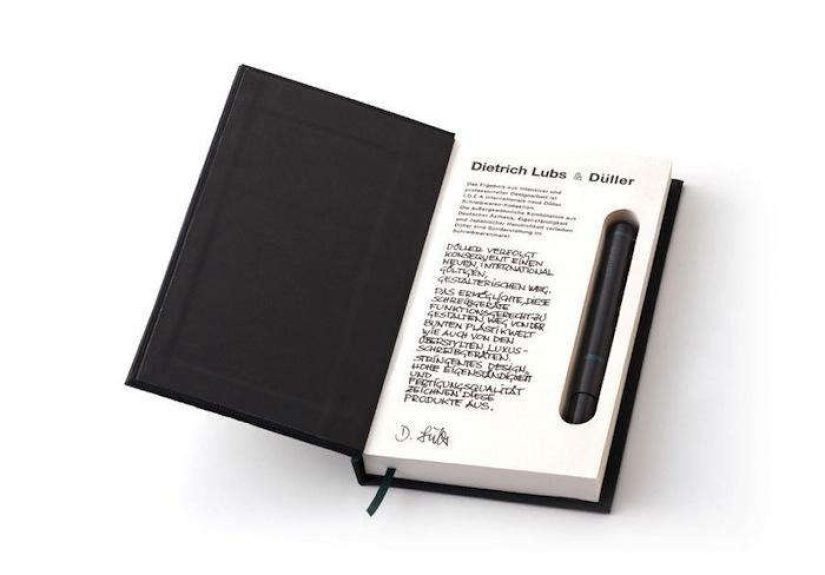
The Duller notebook-and-pencil pairing is essentially a compact hardcover notebook with a slim mechanical pencil stored inside the notebook itselfso the writing tool doesn’t wander off to join the missing-sock dimension. In many versions discussed online, the pencil is housed in a cut-out channel within the pages, keeping the exterior clean and pocketable.
It’s the kind of object that makes you want to say, “Ah yes, industrial design,” even if your usual design language is “Does it have a coupon?” The whole point is reducing friction: notebook + pencil = always ready. That tiny convenience has a surprisingly big ripple effect on your daily note-taking habits.
The Embedded Mechanical Pencil: Small tool, big usefulness
Mechanical pencils are the introvert’s power tool: quiet, consistent, and always sharp without demanding a pencil sharpener sacrifice. They’re especially handy in a notebook that’s meant to be carried daily because they’re lightweight, erasable, and generally less leaky than pens in warm pockets or bags.
Lead sizes: 0.5 vs 0.7 (the “small but important” choice)
If you’re new to mechanical pencils, lead size is the first decision that actually changes how writing feels:
- 0.5 mm feels crisp and precisegreat for smaller handwriting, planners, and neat lists.
- 0.7 mm feels a little bolder and sturdiergreat if you write fast, press hard, or tend to be emotionally intense during math.
Either size can work beautifully with a pocket notebook system. The best pick is the one that matches your habits: tidy note-takers often love 0.5 mm; “I write like my hand is trying to outrun my brain” people often prefer 0.7 mm.
How refilling works (without turning your desk into a tiny graphite mine)
Refilling most mechanical pencils is straightforward: you remove the eraser cap, drop in the correct size leads, then reassemble. The only trick is using the right lead diameter and not overfilling. Many manufacturer FAQs suggest adding just a few pieces of lead at a timeenough to be prepared, not enough to build a lead storage facility in the barrel.
Pro tip: keep your refill tube where you keep your notebook. If the notebook-and-pencil combo is the “always ready” system, refills are the “always ready… next week” system.
The Notebook Half of the Relationship: Size, paper, and how you actually use it
Pocket notebooks look small until you use one dailythen they start to feel like a superpower. The format forces you to write what matters and ditch the fluff. (A pocket notebook is basically a friendly editor that fits in your jeans.)
Popular pocket sizes (and why they work)
Classic pocket notebook sizes tend to land in the neighborhood of 3.5 x 5.5 inches or 3.5 x 6 inches. That’s big enough for real notes and small enough to carry without feeling like you’re smuggling a textbook.
The Duller-style notebook often leans toward a slim, tall profileperfect for lists, quick sketches, and one-handed writing in the wild (standing in line, leaning on a car hood, or balancing a coffee like a circus act).
Paper styles: ruled, grid, dot, plain (choose your brain’s favorite)
- Ruled: best for journaling, meeting notes, and anyone who likes their handwriting to behave.
- Grid: ideal for measurements, DIY projects, and structured notes (also: satisfying boxes).
- Dot grid: flexible for both writing and sketches without being visually loud.
- Plain: great for sketching and freeform brainstormingalso great for people who enjoy chaos.
If your Duller notebook is a “capture tool,” choose the layout that encourages you to use it more, not the one that looks best in a flat-lay photo.
Why “Notebook + Embedded Pencil” is secretly a productivity hack
The biggest barrier to consistent note-taking isn’t motivationit’s friction. If you have to find a pen, locate a notebook, and convince yourself it’s worth it, you’ll “remember it later” (which is human for “never”). A notebook that already includes the writing tool removes a step. And removing steps is how habits are born.
Handwritten notes still matter in a digital world
Even if you live on your phone, handwriting can be valuable for thinking. Many people find that writing by hand slows them down just enough to process ideas instead of transcribing them. In practice, that can mean clearer meeting notes, better recall, and fewer “Wait, what did I mean here?” moments later.
It pairs perfectly with rapid logging and bullet-style notes
If you’ve ever tried bullet journaling (or just bullet-journaling-adjacent list-making), you already know the magic: quick, concise entries that categorize tasks, events, and notes. A pocket notebook plus a built-in pencil makes that kind of “capture as life happens” approach feel effortless.
Real-life ways to use a Duller notebook (without becoming a stationery influencer)
1) The “daily capture” page
Open to today’s page and write three fast buckets:
- Must Do: 1–3 tasks you cannot dodge
- Don’t Forget: names, numbers, ideas, deadlines
- Random Spark: a line, a concept, a sketch, a weirdly good title
2) Meetings that don’t evaporate after the calendar invite ends
Try a simple structure:
- Topline: What’s the meeting really about?
- Decisions: What did we actually decide?
- Next steps: Who does what by when?
3) Travel notes (aka: the antidote to “What was that amazing place called?”)
Use your notebook like a tiny travel log: addresses, tips, quick maps, what you ordered, what you’d skip next time. An embedded pencil is especially helpful when you’re on the move and don’t want to rummage through a bag like you’re searching for buried treasure.
4) DIY and measurement notes
If you do any home projectspainting, shelving, furniture layoutthis is where a pocket notebook shines. Write down measurements, make a quick room sketch, note which screw size worked, and record the paint color before it becomes “that white-ish one.”
Care and maintenance tips (so the pencil stays charming, not tragic)
- Use a light touch. Mechanical pencil lead is strong enough for normal writing, but it doesn’t love being used like a nail.
- Don’t extend the lead too far. A short lead extension reduces breakage and keeps lines consistent.
- Refill responsibly. Add a few leads at a time, and make sure you’re using the correct diameter.
- Mind the notebook’s spine and pocket wear. If you carry it daily, choose a pocket or bag spot that doesn’t crush it like a snack bar.
Pros and cons of the Duller notebook concept
What people love
- Always ready: the pencil is literally part of the notebook system.
- Cleaner carry: fewer loose items in pockets, bags, and desk drawers.
- Minimal and giftable: it feels intentional, not accidental.
- Better follow-through: you’re more likely to write things down when the tool is right there.
What to consider
- Refills still exist: the system is convenient, but it isn’t magicallead runs out, and that’s okay.
- Embedded storage may limit pencil size: a very slim pencil can feel different from a full-size one.
- Paper preferences are personal: if you’re picky about paper texture or thickness, choose accordingly.
How to choose the right “embedded pencil notebook” for you
Not every notebook-with-pencil concept is identical. If you’re shopping or comparing options, focus on the things that actually change daily use:
- Size: pocket-friendly beats “technically portable” if you want to carry it daily.
- Cover type: hardcover is durable; softcover is flexible; both can work.
- Paper layout: choose the ruling you’ll use, not the one you think you “should” use.
- Pencil feel: comfortable grip and reliable mechanism matter more than fancy branding.
- Refill simplicity: easy refills = you keep using it.
Conclusion: A small object that solves an annoying problem
The Duller notebook and embedded mechanical pencil idea wins because it’s not trying to reinvent writing. It’s trying to remove the one thing that stops people from writing: not having a tool handy. When your notebook carries its own pencil, you stop “meaning to write it down” and start actually doing itideas, lists, sketches, plans, and the occasional dramatic note to self like “STOP BUYING LIMES.”
Whether you use it for rapid logging, travel notes, creative brainstorming, or project measurements, the concept is the same: reduce friction, capture more, forget less. It’s practical designquietly doing its job while you do yours.
Experiences: What it’s like living with a Duller-style notebook (about )
The first “experience” most people report with an embedded-pencil notebook is oddly emotional: relief. Not the dramatic, movie-score kindmore like the tiny daily relief of not hunting for a pen when your brain is moving fast. You notice it in small moments: you’re in a parking lot and remember a part you need; you reach for the notebook, and the pencil is already there. No digging, no asking a stranger, no writing on your hand like it’s 2003.
There’s also a specific satisfaction to the way it changes your habits. A normal notebook often becomes “a place for serious notes,” which is a fancy way of saying you don’t use it unless conditions are perfect: desk, coffee, correct mood lighting, and maybe a supportive therapist. A pocket notebook with an embedded mechanical pencil is the opposite. It feels informallike it’s supposed to be used in imperfect situations. That’s where it shines: quick lists, messy sketches, one-sentence reminders, and the kind of half-formed ideas that disappear if you don’t trap them immediately.
People who commute often describe it as a “between places” tool. Waiting for a train? You can plan your day in two minutes. Stuck in a rideshare? You can outline a project, write a few bullet points, or jot down the name of that podcast you’ll definitely forget. Even in a hyper-digital routine, it becomes a low-friction way to think without notifications. It’s not that the notebook replaces your appsit’s that it catches ideas before they make it to your apps.
For travelers, the experience tends to shift from “notes” to “memory.” You start writing down small details: the café name, the neighborhood, what you ordered, the street you turned on, the museum wing you loved. Later, those notes become vivid anchorsmuch more useful than 800 photos of the same sunset. And because the pencil is built in, you’re more likely to write at the moment, not at the end of the day when you’re tired and your brain has already replaced your memories with the word “tacos.”
Creative folks often describe another side effect: permission to be imperfect. A mechanical pencil plus small pages makes it easy to sketch thumbnails, try headlines, rough out a layout, or doodle while thinkingwithout feeling like you’re “ruining” a precious notebook. That permission is underrated. It turns the notebook into a workspace instead of a display case.
And then there’s the funniest experience: you become the person who has a pencil when nobody else does. Suddenly you’re the hero in tiny everyday scenariossigning a form, writing down a number, labeling a box. You’re not trying to be cool. It just happens. The notebook quietly upgrades your preparedness, and your future self thanks you in the only language it knows: fewer facepalm moments.