Table of Contents >> Show >> Hide
- Why Timeless Vintage Works in Almost Any Home
- 1) Vintage Bar Cart (a.k.a. the “I Can Do Anything” Trolley)
- 2) Danish Modern Armchair (the Wood-Frame Lounger That Behaves Everywhere)
- 3) Tulip Table (the Pedestal Table That Solves “Leg Clutter”)
- 4) Modular Wall Unit With Desk (Storage That Moonlights as Architecture)
- 5) Bentwood Chair (Lightweight, Legendary, and Still Cool)
- 6) Midcentury Modern Dining Set (The Rare “Matching Set” That Still Looks Fresh)
- A Quick “Timeless Vintage” Buying Framework
- Conclusion
- Designer Diary: of Real-Life Vintage Wins (and Oops)
- SEO Tags
Vintage furniture is the home-equivalent of a great leather jacket: it doesn’t try too hard, it gets better with age,
and it makes everything around it look like it has a backstory. But “vintage” isn’t automatically “timeless.”
Some pieces scream a specific decade (hello, overly puffy everything), while others quietly float from one style era
to the next like they own a universal passport.
So what actually earns the word timeless? In my experience as a designer, it’s the sweet spot where
good proportions, smart function, and honest materials meet.
The best vintage pieces don’t just “match” a roomthey anchor it. They’re the reason your space feels collected
instead of copied.
Below are six vintage furniture pieces that consistently look right, work hard, and play nicely with modern life
from tiny apartments to sprawling family rooms. Each section includes what makes the piece last, what to look for
when buying, and easy styling ideas that won’t make your home feel like a museum (unless your museum has snacks and a dog).
Why Timeless Vintage Works in Almost Any Home
Timeless vintage furniture doesn’t depend on trends to be interesting. Instead, it relies on:
- Iconic silhouettes: shapes that are balanced and recognizable without being loud.
- Quality construction: real joinery, sturdy frames, and components designed to be repaired.
- Flexible styling: pieces that can move from room to room and still make sense.
- Patina-friendly materials: wood, metal, leather, and stone that age with dignity.
The fun part: you don’t need a perfectly coordinated “set.” In fact, mixing eras is what makes a space feel alive.
Think of vintage as the seasoningnot the entire meal.
1) Vintage Bar Cart (a.k.a. the “I Can Do Anything” Trolley)
The vintage bar cart is the Swiss Army knife of furniture. It’s small, portable, and instantly makes a room look
like someone interesting lives thereeven if you’re mostly serving sparkling water and questionable leftover cookies.
Why it never goes out of style
- It’s compact but impactful: a bar cart adds shine and structure without taking over the room.
- It’s endlessly repurposeable: bar station, plant stand, coffee cart, bedside table, bathroom storage.
- It loves personality: vintage carts often feature brass, chrome, rattan, mirrored shelves, or warm wood tones.
What to look for when buying vintage
- Stable wheels: wobbly casters are a dealbreaker (unless you enjoy mopping gin off the floor).
- Solid joinery: tug the handle and gently press cornersif it twists, walk away.
- Practical shelf height: make sure bottles and glassware actually fit.
- Repair potential: minor scratches are fine; warped shelves or cracked mirrored panels are trickier.
Designer styling moves
- Use the “triangle rule”: vary heightstall bottle, mid-height decanter, low bowl or book stack.
- Limit the chaos: one tray corrals small items and makes the cart look curated, not cluttered.
- Add one “unexpected” thing: a tiny sculpture, framed photo, or a citrus bowl makes it feel collected.
2) Danish Modern Armchair (the Wood-Frame Lounger That Behaves Everywhere)
There’s a reason Danish modern seating has stayed popular for decades: it’s warm, architectural, and approachable.
A classic wood-frame lounge chairespecially those with a sculptural profile and loose cushionscan live happily in
traditional, modern, eclectic, or even farmhouse spaces without starting a style argument.
Why designers keep coming back to it
- It’s visually light: raised legs and open arms keep it from looking bulky.
- It’s comfortable without being sloppy: the proportions feel intentional, not overstuffed.
- It’s reupholstery-friendly: swapping fabric updates the vibe without losing the vintage soul.
What to look for (and what to avoid)
- Solid wood frame: check joints at arms and legs; wiggle gently to test stability.
- Good bones in cushions: foam can be replaced, but badly sized cushions ruin the silhouette.
- Beware cheap “inspired by” versions: look for clean joinery and a confident, balanced shape.
- Check seat depth: too deep can feel like a stylish trap you can’t escape from.
How to style it so it feels timeless (not themed)
- Pair with a modern side table: a simple drum table or a slim metal accent keeps it current.
- Ground it with texture: a wool rug or a woven floor lamp adds warmth without fighting the chair’s lines.
- Use one bold textile: a patterned lumbar pillow is often enoughlet the chair be the star.
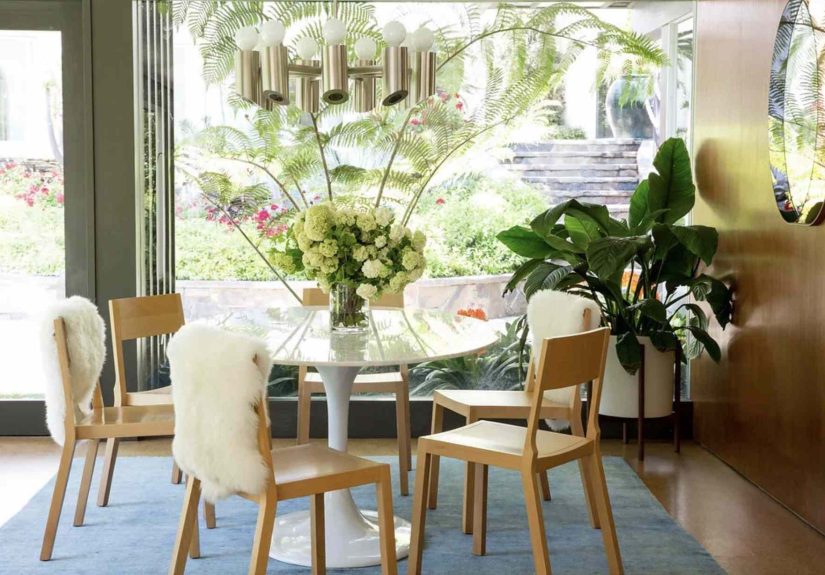
3) Tulip Table (the Pedestal Table That Solves “Leg Clutter”)
The tulip table is the clean-lined hero of small dining areas and awkward breakfast nooks. Its pedestal base clears
visual clutter, frees up chair placement, andlet’s be honestmakes vacuuming under the table way less dramatic.
Why it stays in style
- It’s minimal but not cold: the rounded base softens modern rooms and streamlines traditional ones.
- It’s flexible: it works with mixed chairs, banquettes, or even a single statement bench.
- It looks good in multiples: the silhouette repeats beautifully across lamps, stools, and side tables.
Authenticity and quality cues
- Heft matters: quality pedestal tables feel stable, not hollow or plasticky.
- Edge profile: better versions tend to have a refined, tapered look rather than a chunky slab edge.
- Base durability: avoid flimsy bases that scuff easily or wobble over time.
Designer-approved ways to use it
- Small dining area: oval shapes help circulation; round tables soften tight corners.
- Entry moment: a small pedestal table can act as a sculptural landing spot for keys and flowers.
- Work-from-home nook: pair with one great chair and a slim lamp for a “desk” that doesn’t feel office-y.
4) Modular Wall Unit With Desk (Storage That Moonlights as Architecture)
A midcentury modular wall unitespecially one with an integrated desksolves two modern problems at once:
Where do I put my stuff? and Where do I put a desk when I don’t have an office?
These systems are smart, adjustable, and often surprisingly elegant.
Why it’s timeless
- It’s customizable: shelves, cabinets, drawers, and desktop surfaces can adapt as your life changes.
- It uses vertical space: perfect for small homes where square footage is a limited edition product.
- It feels intentional: it reads like built-in architecture, even when it’s not truly “built-in.”
What to look for when shopping
- Complete hardware: tracks, brackets, pegs, and connectors should be present (missing pieces get pricey).
- Wall compatibility: know your wall type and studssecure installation is non-negotiable.
- Surface condition: light wear is fine; water damage and swollen veneer are harder to fix cleanly.
- Desk depth: aim for enough depth to comfortably use a laptop without feeling perched.
How to make it look designed (not like a storage emergency)
- Leave breathing room: negative space is your frienddon’t fill every shelf.
- Mix closed and open storage: hide the ugly stuff (cables, paper stacks) behind doors or in drawers.
- Repeat materials: pull the unit’s wood tone into frames, a chair, or a small tray for cohesion.
5) Bentwood Chair (Lightweight, Legendary, and Still Cool)
Bentwood chairs have been gracing cafés, kitchens, and dining rooms for well over a centuryand they still don’t look
tired. A good bentwood chair is airy, strong, and visually tidy. It’s the rare vintage piece that can slide into a
modern kitchen and look like it belongs there.
Why it’s forever
- Elegant curves: the rounded lines soften hard surfaces like stone counters and straight-edged tables.
- Space-friendly: many bentwood styles are narrow, easy to pull up to a table, and simple to move around.
- Works with everything: farmhouse table? yes. tulip table? yes. glass top? yes. chaos? also yes.
Buying checklist
- Check wobble: set it on a flat surface and test all legs.
- Inspect joints and bends: look for cracks at curves and stress points.
- Seat material: cane can be replaced, but factor that cost into your “bargain.”
- Weight test: bentwood should be light, but not flimsyquality versions feel resilient.
Easy styling ideas
- Mix them: two bentwoods at the ends of a modern dining set add character without taking over.
- Paint (carefully): one painted bentwood as an accent chair can be charmingjust don’t bury beautiful wood under a thick DIY blob.
- Add a cushion: a simple linen tie-on cushion makes them feel more relaxed and approachable.
6) Midcentury Modern Dining Set (The Rare “Matching Set” That Still Looks Fresh)
Generally, I’m not a “buy the entire matching set” person. That’s how rooms start to feel like showrooms with
suspiciously perfect lighting. But midcentury modern dining sets are a special case: the craftsmanship, wood tones,
and sculptural profiles tend to age beautifully. When done right, they read as classicnot dated.
Why it stays relevant
- Craft-forward design: many sets feature clean lines, tapered legs, and rich wood grain that feel timeless.
- Balanced proportions: tables aren’t overly bulky, and chairs often feel airy even when they’re sturdy.
- Built for real life: midcentury dining was about daily use, not precious “don’t touch that” furniture.
What to look for in a vintage set
- Solid structure: check table joints and chair frames for looseness.
- Finish condition: light scratches are fine; deep water rings may require refinishing.
- Comfort test: sit in the chairsbeautiful chairs that hurt are still… chairs that hurt.
- Buffet/sideboard bonus: a coordinating sideboard adds function and makes the room feel grounded.
How to keep it from feeling like a time capsule
- Modern lighting: pair the set with a contemporary pendant or sculptural chandelier.
- Bold art: one oversized piece of art can instantly update the whole room.
- Rug contrast: a patterned rug (vintage or new) keeps the wood from feeling too uniform.
- Color, please: paint or wallpaper in a modern tone adds freshness without fighting the furniture.
A Quick “Timeless Vintage” Buying Framework
When you’re trying to decide whether a vintage piece is truly timeless (or just temporarily charming), run it through
this fast checklist:
- Would it still look good in a different room? Timeless pieces aren’t fragile divas.
- Is it comfortable or usable? If it’s miserable to sit on or awkward to use, it becomes décor-only.
- Can it be repaired? Vintage is most valuable when it’s maintainable, not disposable.
- Does it have good proportions? Trendy pieces often rely on gimmicks; classics rely on balance.
- Do you actually love it? The most timeless decision is buying what you’ll keep.
Conclusion
The best vintage furniture pieces don’t demand a themed room or a strict design rulebook. A great bar cart adds sparkle
and function. A Danish modern armchair brings warmth and architecture. A tulip table clears visual clutter. A modular
wall unit creates storage that feels intentional. Bentwood chairs add graceful curves and flexibility. And a midcentury
dining set can give your home instant polish without feeling stiff.
Start with one piece that genuinely fits your life, then build around it. Timeless style isn’t about recreating a decade.
It’s about choosing furniture that still makes sense when the trends changebecause they always do. (Usually right after you buy the trendy thing.)
Designer Diary: of Real-Life Vintage Wins (and Oops)
My favorite vintage purchases almost never start with a “plan.” They start with me saying, “I’m just going to browse.”
That sentence is the interior-design equivalent of “I’m just going to have one chip.” Sure.
The first time I fell hard for a vintage bar cart, it was brass with a slightly smoked-glass shelfpure old-Hollywood energy.
I didn’t even drink at the time. I bought it anyway and used it as a roaming plant stand. Every morning, I rolled it toward
the window like it was a tiny botanical parade. Months later, it became a coffee cart during a busy work season, then an
entryway landing spot when I moved. That’s the magic: the best vintage pieces don’t lock you into one identity. They evolve
with you without throwing a tantrum.
My biggest vintage “oops” was a gorgeous midcentury wall unit I snagged online at what felt like a suspiciously low price.
In photos, it looked perfect: teak tone, slim shelves, an integrated desk surfacebasically my dream home office.
In person, it arrived missing key brackets. It was like buying a bicycle and discovering it came “mostly assembled,”
minus the concept of wheels. Lesson learned: with modular systems, hardware is everything. Now I ask for close-up photos of
brackets, rails, labels, and connectors the way some people ask to see a car’s service history.
Danish modern armchairs have taught me another practical truth: upholstery can make or break a vintage find. I once saw a
stunning wood-frame lounge chair that had been reupholstered in a fabric that looked like it belonged on a corporate waiting
room couch from 1997. The frame was perfect, but the fabric was doing the chair no favors. The good news is that many of these
chairs are built for reupholstery. If the silhouette is right and the frame is solid, bad fabric is a fixable problemjust
factor the cost into your budget and don’t blow your entire “deal” on the purchase price.
Bentwood chairs are my go-to “quiet hero” recommendation. I’ve used them in tiny kitchens where every inch matters, in dining
rooms that needed softness, and even as occasional chairs in bedrooms. They’re the kind of piece that doesn’t demand attention
but always improves the room. The trick is checking stability; a wobbly chair is not “patina,” it’s a future argument.
And midcentury dining sets? I used to avoid any matching set on principle. Then I inherited a beautifully proportioned wood
table and chairs with a coordinating sideboard. I updated the room with modern lighting, bold art, and a rug that wasn’t
afraid of color. Suddenly the set didn’t feel datedit felt like the foundation. That’s the difference between vintage that
’s stuck in time and vintage that’s timeless: you’re not living in the past; you’re borrowing the best parts of it.