Table of Contents >> Show >> Hide
- Starter Home, Defined
- Starter Home vs. Forever Home
- How Much Does a Starter Home Cost Today?
- Common Types of Starter Homes
- Should You Buy a Starter Home Right Now?
- How to Choose the Right Starter Home
- Common Starter Home Mistakes to Avoid
- Real-Life Starter Home Experiences and Lessons Learned
- Bottom Line: A Starter Home Is a Starting Point, Not a Status Symbol
If you’ve ever scrolled through real estate listings, saw a tiny house with “lots of potential,” and thought, “Ah yes, potential to eat ramen on the floor for three years,” you’ve probably bumped into the idea of a starter home. But what exactly counts as a starter home today especially in a market where even modest houses can feel wildly expensive?
In plain English, a starter home is your first step onto the property ladder. It’s not your dream home, your “never-moving-again” home, or your “I finally have a walk-in pantry” home. It’s the place that fits your current life, your current budget, and helps you build equity so you can make bigger moves later.
In this guide, we’ll break down what a starter home is, what it usually looks like, what it costs in today’s market, how it differs from a forever home, and whether buying one makes sense for you right now.
Starter Home, Defined
There isn’t a single legal or official definition of a starter home, but most housing experts and lenders mean something like this:
A starter home is an entry-level property that covers your basic needs and costs less than the typical home in your area. It’s usually aimed at first-time buyers and tends to fall in the lower third of home prices in a local market.
Key ideas behind a starter home include:
- Entry-level price: It’s cheaper than the median home price in your area.
- Basic needs, not every want: It has enough bedrooms, bathrooms, and space for your current lifestyle, but probably not every luxury on your wish list.
- Step, not destination: Most people plan to live there for a few years, build equity, then sell or keep it as a rental while moving up.
Contrary to the image of a tiny suburban bungalow, a starter home doesn’t have to be a detached house. It might be:
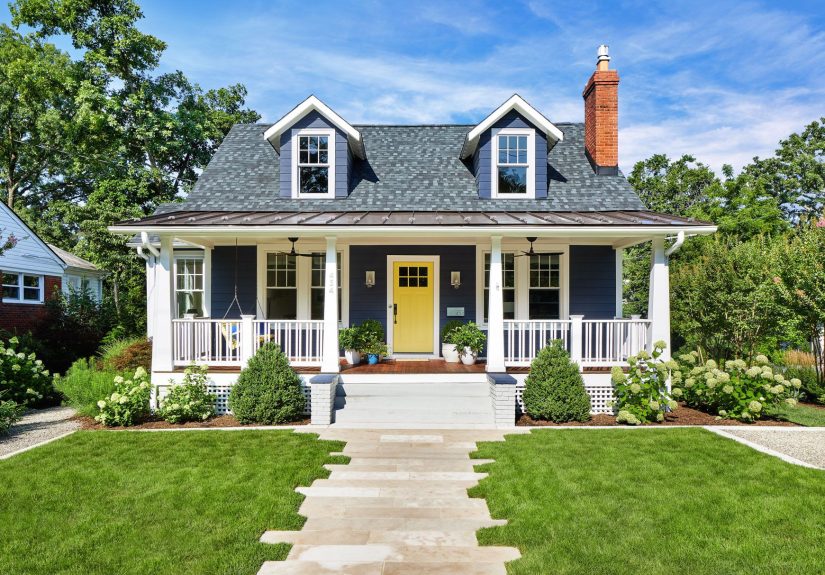
- A small single-family home
- A condo in a building with shared amenities
- A townhouse with a little patio instead of a big yard
- Even a modest fixer-upper that needs cosmetic updates
Typical Features of a Starter Home
Starter homes vary a lot by location, but many share common traits:
- Size: Often around 1,000–1,500 square feet, with 2–3 bedrooms and 1–2 bathrooms.
- Basic finishes: Think laminate countertops instead of quartz, older cabinets, or builder-grade fixtures.
- “Good enough” location: It might be farther from downtown, in a developing neighborhood, or just outside a trendy area.
- Trade-offs: Maybe there’s no garage, a small yard, or a longer commute but the price is (relatively) doable.
So if your dream wishlist has “chef’s kitchen, home theater, and rooftop deck,” your starter home is more likely to offer “functional kitchen, decent living room, and a place to put the TV.” And that’s totally fine the point is to get started, not to win House of the Year.
Starter Home vs. Forever Home
To really understand starter homes, it helps to compare them with the concept of a forever home.
Time Horizon and Life Stage
A starter home is usually chosen with a shorter time frame in mind often 3–7 years, though life sometimes stretches that timeline. You buy it while you’re:
- Early in your career
- Just starting a family (or not yet sure if you want one)
- Still figuring out where you want to settle long term
A forever home, on the other hand, is chosen with the idea that you could comfortably live there for decades. You might prioritize:
- School districts for kids
- Long-term commute or remote-work flexibility
- Space for aging in place, hobbies, or multigenerational living
Budget, Features, and Expectations
Starter homes are all about getting into the market:
- Lower purchase price compared to the local average
- Fewer high-end finishes and amenities
- Some compromises on space or location
Forever homes usually cost more and come with more “wishlist” items:
- More square footage, maybe a bigger yard
- Updated kitchen and bathrooms
- Preferred neighborhood or school district
- Layout and features tailored to long-term plans
The important thing: you don’t “fail” at adulthood if you don’t jump directly into a forever home. In today’s market, many people simply can’t and starter homes remain a practical financial step.
How Much Does a Starter Home Cost Today?
This is where things get a little wild. Traditionally, starter homes were significantly cheaper than the average home. Today, in many parts of the U.S., entry-level homes are still the cheapest tier in their market but that tier has gotten much more expensive.
Recent market data from major real estate firms shows that:
- The median sale price of starter homes in the U.S. recently climbed into the mid-$200,000s range, hitting record highs in many metros.
- Starter homes are often defined as properties in roughly the 5th to 35th price percentile of recent local sales the “bottom third” of the market by price, not necessarily by quality.
- In some high-cost cities, even entry-level homes can cost close to or above $1 million, especially on the coasts.
Why are prices so high? Several forces are at work:
- Low inventory of affordable homes: For years, builders focused more on larger, higher-profit homes than entry-level properties.
- Higher mortgage rates: When rates rise, monthly payments go up, even if prices stay flat. In many markets, both rates and prices have been high.
- Rising construction and insurance costs: Materials, labor, and insurance premiums have all become more expensive, which filters into new home prices.
- Strong demand from first-time buyers: Many millennials and Gen Z buyers are finally ready to buy, competing over a limited number of starter homes.
The takeaway: a “starter home” doesn’t mean “cheap” it means “the most affordable segment you can reasonably get into where you live.” In some towns that might be $180,000; in others, it might be $850,000. The label is relative to your local market and income.
Common Types of Starter Homes
Because the idea is flexible, you’ll see starter homes in all kinds of forms:
1. Small Single-Family Homes
This is the classic image: a small house with a yard, driveway, and maybe a garage. You get privacy and some outdoor space, but you might sacrifice size, finishes, or proximity to the city center.
2. Condos
Condos can be great starter homes in urban or high-cost areas. You own your unit but share common spaces like hallways, gyms, or pools. Monthly HOA fees cover maintenance but raise your overall cost something first-time buyers often forget to factor into their budget.
3. Townhouses
Townhouses sit somewhere between condos and single-family homes. You might share walls with neighbors but still have a small yard, garage, or multi-level layout. They’re popular starter options in suburbs and growing cities.
4. Fixer-Uppers
Buying a starter home that needs work can lower your upfront price but you’ll pay with time, sweat, and renovation costs. If you’re handy, patient, and realistic about budget, a fixer-upper can help you build equity. If you’re expecting reality TV-style transformations on a weekend budget… maybe reconsider.
5. “House Hacking” Properties
Some buyers treat a starter home as both a place to live and a mini investment. For example:
- Buying a duplex and renting out the other unit
- Getting a home with a basement or ADU (accessory dwelling unit) to rent out
- Taking on roommates to offset the mortgage
This approach can make homeownership more affordable, though it comes with landlord responsibilities.
Should You Buy a Starter Home Right Now?
There’s no universal right answer, but asking yourself the right questions can help.
When a Starter Home Makes Sense
A starter home may be a good move if:
- Your finances are stable: You have steady income, manageable debt, and enough savings for a down payment and closing costs.
- You’ll stay put for a while: Ideally, you plan to stay at least 3–5 years. Selling too soon after buying can erase your gains because of transaction fees.
- Rent is high where you live: If your monthly mortgage (plus taxes, insurance, and HOA fees) won’t be much higher than rent or might even be lower buying can help you stabilize housing costs.
- You’re okay with “good enough”: You don’t need perfection now; you just want a foothold in the market and a place that works for your life today.
When Waiting or Renting Longer Might Be Smarter
You may want to press pause if:
- You’re unsure about your job, city, or life plans in the next couple of years.
- You don’t have an emergency fund and would be stretching dangerously to make the monthly payment.
- You’re only interested in homes that are at the very top of your budget.
- You’re hoping to “flip” a starter home quickly without understanding the local market or renovation costs.
In those situations, continuing to rent while saving and watching the market is not a failure. It’s strategy.
How to Choose the Right Starter Home
Assuming buying makes sense, here’s how to pick a starter home that sets you up for the next chapter instead of trapping you.
1. Start With a Realistic Budget
Talk to a lender or use reputable mortgage calculators to understand what you can afford comfortably, not just what you’re technically approved for. Make sure to include:
- Property taxes
- Homeowners insurance
- HOA/condo fees (if applicable)
- Utilities and basic maintenance
2. Prioritize Needs Over Wants
List your must-haves versus nice-to-haves. For example:
- Needs: Two bedrooms, safe area, reasonable commute, pet-friendly.
- Wants: Walk-in closet, oversized island, brand-new everything.
If a home checks the “need” boxes and fits your budget, it’s a contender even if the counters aren’t your favorite color.
3. Focus on Resale Potential
Remember, a starter home is often a stepping stone. Look for features that will appeal to future buyers or renters:
- Popular layout (open living space, reasonable bedroom sizes)
- Off-street parking if the area values it
- Access to major roads, transit, or employers
- Basic curb appeal and a solid structure
4. Don’t Skip the Inspection
Even if a starter home is “affordable,” it can become expensive fast if the roof, plumbing, or foundation is failing. A professional home inspection helps uncover hidden issues so you can negotiate repairs, ask for credits, or walk away.
5. Think Beyond the Listing Photos
Staging and wide-angle lenses can make almost anything look glamorous. When touring, ask yourself:
- Where would my furniture actually go?
- Is there enough storage for my real life, not my fantasy minimalist self?
- What’s the noise like at different times of day?
- How long is the commute in traffic, not just on Google Maps at 2 a.m.?
Common Starter Home Mistakes to Avoid
Learn from other buyers’ bruises so you don’t get your own.
- Overbuying: Stretching to the top of your budget leaves no room for repairs, emergencies, or, you know, furniture.
- Underestimating ongoing costs: Property taxes, utilities, and HOA fees can creep up over time.
- Ignoring location: You can change flooring; you can’t move the house. A smaller place in a stronger location often beats a huge house in a struggling area.
- Falling for cosmetic updates only: Fresh paint and new countertops are nice, but check the age of the roof, HVAC, and major systems.
- Assuming you’ll “definitely” move in a few years: Life happens kids, job changes, recessions. Choose a home you could tolerate living in longer than planned.
Real-Life Starter Home Experiences and Lessons Learned
Numbers and definitions are helpful, but real experiences are where starter homes become real messy, imperfect, and surprisingly meaningful.
Case Study 1: The Condo That Made Equity, Not Headlines
Imagine a young couple, both early in their careers, living in a city where single-family homes are way out of reach. Instead of waiting until they could buy a big house, they picked a 750-square-foot condo near a transit line. It had older appliances, a tiny balcony, and an HOA fee that made them wince but the monthly cost was still close to what they were paying in rent.
Over five years, a few things happened:
- Their incomes grew as they advanced in their jobs.
- The condo’s value increased with the broader market.
- They paid down the mortgage, slowly building equity.
When they were finally ready for more space, they sold the condo and used the profit plus their savings as a chunky down payment on a townhome. That little condo wasn’t glamorous, but it quietly did its job: it let them participate in price growth instead of only watching it from the sidelines.
Case Study 2: The Fixer-Upper Reality Check
Now picture a single buyer who loves DIY videos and falls hard for a “charming” 1960s house priced below everything else nearby. The listing mentions “cosmetic updates needed” a phrase that should come with a translation guide. They buy it, move in, and quickly learn that “cosmetic” includes:
- Knob-and-tube wiring that needs to be brought up to code
- A roof nearing the end of its life
- A vintage furnace that has seen too many winters
Renovation costs end up being far higher than expected. The buyer still comes out okay in the long run, but only after several stressful years, lots of weekend projects, and a steep learning curve about permits and contractors.
The lesson: a fixer-upper can absolutely be a smart starter home, but only if you go in with eyes wide open, realistic bids from contractors, and a healthy emergency fund. Pinterest and reality are not the same universe.
Case Study 3: The Accidental Long-Term Starter Home
Finally, consider a family who bought a two-bedroom starter home thinking they’d be there for “maybe three years.” Then life happened: a new baby, a job change, a mild recession, and a surprise pet adoption. Three years turned into eight.
They had some tight moments sharing bedrooms, squeezing a home office into a corner of the dining room but the home’s stability turned out to be a blessing. Their fixed-rate mortgage payment stayed relatively predictable while rents around them rose. By the time they moved, they had built significant equity and were able to buy a larger home without feeling financially overwhelmed.
The takeaway here is simple: choose a starter home that you can live in comfortably longer than you think you’ll need it. If you end up staying shorter, great. If not, you won’t feel trapped.
Practical Experience-Based Tips
- Plan for surprises: Whether it’s repairs or life changes, assume something will go off-script. A starter home should leave room in your budget for that.
- Don’t compare your first home to someone else’s forever home: Social media loves showcasing perfect spaces. Real life starts with “good enough for now.”
- Think like both an owner and a future buyer: Ask yourself, “Would someone else want to buy or rent this in a few years?”
- Invest in boring upgrades: Roof, insulation, heating, and cooling rarely show up on Instagram, but they matter for comfort, safety, and resale value.
- Remember why you’re doing this: A starter home isn’t just about granite countertops; it’s about building stability, wealth, and a base for the next step.
Bottom Line: A Starter Home Is a Starting Point, Not a Status Symbol
A starter home is simply that a start. It’s the place that gets you into homeownership, even if it doesn’t have everything on your dream list. In a challenging housing market, it can be a powerful financial tool: a way to build equity, lock in a more predictable housing cost, and learn the ropes of maintenance and ownership.
You don’t need the biggest house, the trendiest neighborhood, or the most perfect kitchen to move forward. You just need a home that fits your budget, your basic needs, and your realistic plans for the next few years. From there, you can renovate, upgrade, trade up, or even turn that starter property into a long-term investment.
In other words: don’t wait for perfect. Aim for solid, sustainable, and “this works for us right now.” That’s exactly what a starter home is meant to be.