Table of Contents >> Show >> Hide
Dilation and Curettage, commonly known as D&C, is a medical procedure used to remove tissue from the inside of the uterus. This can be done for various reasons, such as diagnosing uterine conditions, treating abnormal bleeding, or after a miscarriage. The procedure itself may sound daunting, but with the right preparation and understanding, the experience can be manageable, and recovery is often swift. In this article, we will explore the D&C procedure, including what it involves, why it’s done, and the recovery process that follows.
What is a D&C Procedure?
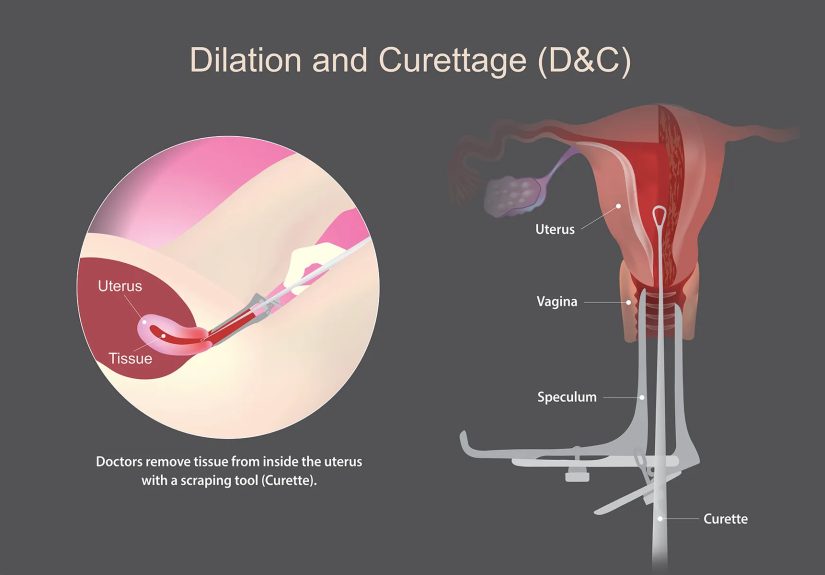
The D&C procedure involves two main steps: dilation and curettage. During dilation, the cervix (the lower part of the uterus) is gently opened to allow instruments to pass through. Then, curettage refers to the process of scraping or suctioning the lining of the uterus. This procedure can be performed for several reasons:
- Diagnosis: A D&C can be performed when doctors need to collect uterine tissue for testing, often to check for conditions such as endometrial cancer or to investigate abnormal bleeding.
- Treatment: It can be used to treat abnormal uterine bleeding, remove fibroids, or clear the uterine lining after a miscarriage or abortion.
- Post-miscarriage Care: After a miscarriage, a D&C may be necessary to remove any remaining tissue to prevent complications like infection.
Preparing for a D&C Procedure
Before undergoing a D&C procedure, a healthcare provider will explain the process, the risks, and what to expect. Typically, you will undergo some preliminary tests, such as a pelvic exam or ultrasound, to determine the underlying reason for the procedure. The doctor may also advise stopping certain medications, particularly blood thinners, to minimize the risk of bleeding.
The procedure is usually done under general anesthesia or sedation, which means you will not be awake during the surgery. The choice of anesthesia depends on factors like the patient’s health, the reason for the D&C, and the doctor’s preference.
How is the D&C Procedure Done?
The D&C is typically performed in a medical setting, such as a hospital or clinic. Here is an overview of the steps involved:
- Step 1: Anesthesia – General anesthesia or local anesthesia will be administered to ensure that you are comfortable during the procedure.
- Step 2: Dilation – The cervix is gently dilated using instruments, allowing the doctor access to the uterus.
- Step 3: Curettage – Once the cervix is open, the doctor uses a specialized tool, such as a curette or suction device, to remove tissue from the uterine lining.
- Step 4: Post-procedure – After the tissue is removed, the area is examined for any remaining tissue or complications.
Recovery After a D&C Procedure
Recovery after a D&C is generally quick, but it’s important to follow your doctor’s post-procedure instructions carefully. Here’s what you can expect:
Immediate Post-Procedure
After the procedure, you will be monitored for a short period to ensure that there are no immediate complications. Depending on the type of anesthesia used, you may need to rest for a few hours before being allowed to go home. It’s important to have someone accompany you, as you may feel groggy from the anesthesia.
Physical Recovery
Many people experience some cramping and light bleeding after a D&C, which is entirely normal. The bleeding may last for a few days to a week, and the cramps may be similar to menstrual discomfort. Over-the-counter pain relievers, such as ibuprofen, are often recommended to help manage the pain.
What to Avoid During Recovery
During recovery, it’s important to avoid:
- Heavy physical activity: Avoid strenuous exercise or lifting heavy weights for a few weeks.
- Sexual intercourse: It’s advisable to refrain from sexual activity for at least two weeks to allow the cervix to heal properly.
- Using tampons: Use pads instead of tampons until your doctor gives you the green light.
Potential Risks and Complications
Although a D&C is generally considered safe, like any medical procedure, it carries some risks. These include:
- Infection: There is a small risk of infection, which is why doctors often prescribe antibiotics after the procedure.
- Heavy bleeding: Some women may experience heavier bleeding than normal, requiring medical intervention.
- Uterine perforation: In rare cases, the instruments used in the procedure can cause a tear or hole in the uterus.
- Scarring: Though uncommon, scarring of the uterus (Asherman’s syndrome) can occur if the lining of the uterus is damaged during the procedure.
When to Contact Your Doctor
While some cramping and bleeding are expected after a D&C, certain symptoms may indicate a problem. Contact your healthcare provider if you experience:
- Heavy bleeding (soaking more than one pad per hour for two or more hours)
- Severe pain that doesn’t improve with over-the-counter pain relievers
- Fever or chills
- Foul-smelling discharge
Experiences with the D&C Procedure: Surgery and Recovery
Many women who undergo a D&C find that their recovery is straightforward and manageable, but it’s important to note that every experience is unique. Some women report feeling emotionally challenged after a miscarriage, which may coincide with the procedure. It’s normal to need time to process the emotional effects of such an experience.
For others, a D&C is part of a treatment plan for abnormal bleeding or other uterine issues. In these cases, the procedure may help alleviate ongoing symptoms, providing relief and improving quality of life. Women who have undergone a D&C for medical reasons like fibroids or cancer screenings often describe the procedure as a necessary step in their journey to better health.
It’s also worth noting that most women recover within a few days and return to their usual activities within a week or two. The emotional impact, however, can take longer to heal. Support from family, friends, and healthcare professionals is essential during this time.
Conclusion
The D&C procedure is a relatively safe and common surgery with many medical benefits, from diagnosing uterine conditions to treating abnormal bleeding or completing post-miscarriage care. While recovery is generally quick and uneventful, it’s important to follow your doctor’s guidelines for the best results. By understanding what to expect before, during, and after the procedure, you can prepare yourself physically and emotionally for the process.