Table of Contents >> Show >> Hide
Planning a special-occasion dinner and want something that makes people gasp a little when it hits the table?
Enter: the beef tenderloin. It’s luxurious, incredibly tender, slices like butter, and looks like
you spent all day in the kitchen (even if you absolutely did not). Build the right dinner menu around it, and
you’ve got a restaurant-level experience happening in your dining room.
In this guide, we’ll walk through how to build a complete dinner menu featuring beef tenderloin
from appetizers and side dishes to wine pairings and dessertplus real-world hosting tips and some hands-on
experience notes at the end. Think of it as your blueprint for a stress-free, showstopping meal.
Why Beef Tenderloin Is the Ultimate Dinner-Party Star
Beef tenderloin comes from the loin of the cow, a muscle that doesn’t do much heavy lifting. Translation:
it’s naturally tender, lean, and mild in flavor. It’s the same muscle that gives us filet mignon steaks,
just in a whole roast form. That’s why it’s a favorite for holidays, anniversaries, and “I got the promotion!”
celebrations.
A few reasons it works so well for a dinner menu:
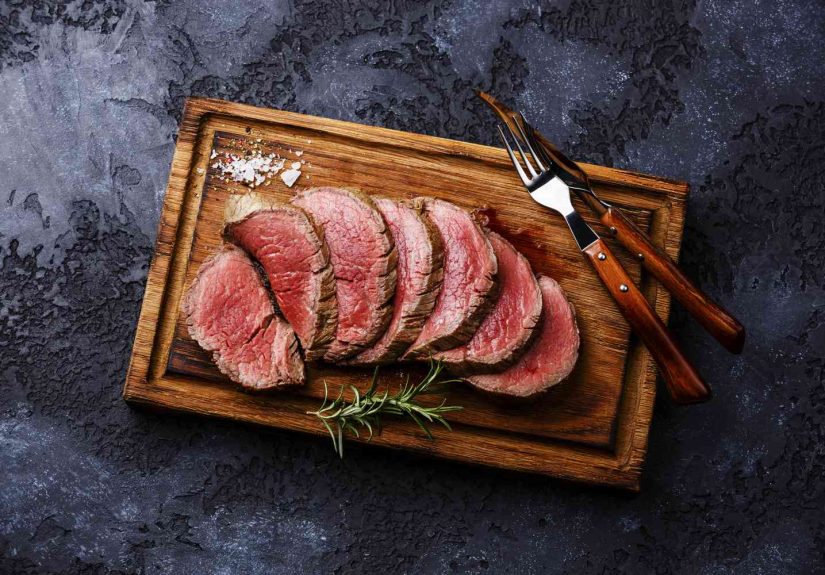
- It looks impressive. A whole roasted tenderloin, sliced into rosy medallions, is pure drama.
- It cooks quickly. Compared to big roasts like prime rib, tenderloin reaches temperature fast.
- It plays nicely with others. Its mild flavor pairs with a huge variety of sauces, sides, and wines.
- It’s easy to slice and serve. You get neat slices that are perfect for plating.
The only catch? Because it’s lean, you need to treat it gently and pair it with sides that add richness, texture,
and flavor. That’s where the rest of your menu comes in.
Building a Dinner Menu Featuring Beef Tenderloin
A great menu feels balanced: a little fresh, a little rich, a little crunchy, and a lot delicious. Here’s a
simple framework you can mix and match:
- 1–2 light appetizers
- Beef tenderloin as the main course with an herby sauce
- 2–3 side dishes (starchy + green + optional bonus side)
- 1 salad
- 1 dessert that doesn’t feel like a brick after all that beef
- Thoughtful wine pairings or beverage options
Appetizers: Light Bites Before the Main Event
Since beef tenderloin is rich, keep appetizers on the lighter side. You want guests hungry by the time the
main course lands.
- Smoked salmon crostini with lemon and dill
- Goat cheese and fig bites on toasted baguette
- Caprese skewers with cherry tomatoes, mozzarella, and basil
- Roasted nuts with rosemary and sea salt
If you’re serving a big holiday crowd, set appetizers on a sideboard so people can nibble while you carve.
Just don’t overdo itbeef tenderloin deserves a hungry audience.
Main Course: Beef Tenderloin Done Right
The star of the show is obvious, but how you cook and season it matters. Most home cooks use a simple,
almost foolproof method: sear, roast, rest, slice.
Seasoning and Flavor Ideas
You don’t need anything fancy to make tenderloin shine. Try:
- Classic garlic and herb rub: olive oil, kosher salt, black pepper, minced garlic, fresh rosemary, and thyme.
- Peppercorn crusted: cracked black pepper, Dijon mustard, and a touch of brandy or cognac in the pan sauce.
- Red wine and shallot butter sauce: a simple reduction poured over slices right before serving.
Cooking Temperature and Doneness
For safety, U.S. food safety guidelines recommend cooking whole cuts of beef, including roasts, to an internal
temperature of at least 145°F (63°C) and letting it rest for at least 3 minutes. That’s roughly
in the medium range. Many diners, though, prefer tenderloin cooked to medium-rare for peak tenderness and juiciness.
For reference, common internal temperatures for beef tenderloin look like this:
- Rare: about 120–129°F (cool red center)
- Medium-rare: about 130–134°F (warm red center)
- Medium: about 135–144°F (pink center)
- Medium-well and above: 145°F+ (less pink, firmer texture)
Always use an instant-read thermometer instead of guesswork. Pull the roast a few degrees under your target
temperaturecarryover cooking as it rests will bring it up to the perfect doneness.
Side Dishes: What to Serve with Beef Tenderloin
This is where your dinner menu featuring beef tenderloin really comes together. Think in three
lanes: potatoes or grains, veggies, and something fresh or crisp.
Starchy Sides
- Garlic mashed potatoes: creamy, buttery, and perfect for soaking up juices.
- Potatoes au gratin: thin-sliced potatoes layered with cream and cheese, baked until bubbling and golden.
- Duchess potatoes: piped mashed potato “roses” crisped in the oven for a fancy touch.
- Butternut squash risotto: creamy, slightly sweet, and an elegant twist on standard starches.
Vegetable Sides
- Roasted asparagus with lemon and parmesan
- Maple-roasted carrots (add a sprinkle of fresh thyme)
- Brussels sprouts with bacon or pancetta
- Green beans almondine with toasted almonds and garlic
- Broccoli or broccoli gratin for a cheesy, comforting option
Salads and Bread
- Simple green salad with a citrus vinaigrette to cut through richness
- Classic wedge salad with blue cheese, bacon, and cherry tomatoes
- Crusty baguette or warm dinner rolls to swipe through sauce and jus
Dessert: Ending on a High Note
After a rich main, dessert should feel indulgent but not painful. Good options to follow beef tenderloin include:
- Chocolate lava cake or chocolate mousse for true chocoholics
- Crème brûlée with its crunchy sugar top and silky custard
- Citrus sorbet if you want something lighter and refreshing
- Cheesecake with berries for a balance of rich and tangy
If your menu was extra heavy on potatoes, cream, and cheese, consider sorbet or fruit-forward desserts so guests
don’t need a nap on your couch afterward… unless that’s the vibe.
Wine and Beverage Pairings
You don’t have to be a sommelier to pick a good wine for beef tenderloin, but a little strategy goes a long way.
- Cabernet Sauvignon: a classic with beefbig tannins, dark fruit, and enough backbone for rich sides.
- Pinot Noir: softer, more elegant, and great if your sauces lean herby or mushroom-heavy.
- Merlot or Bordeaux blends: smooth, crowd-pleasing options for mixed palates.
- Non-alcoholic: sparkling water with citrus, non-alcoholic red blends, or a rich blackcurrant spritzer.
As a rule of thumb, the richer and more intensely flavored your menu, the more structure your wine can have.
For lighter menus with more greens and fresh flavors, lean toward smoother reds.
A Sample Dinner Menu Featuring Beef Tenderloin
To put all of this together, here’s a complete example you can copy, tweak, or steal shamelessly.
Appetizers
- Smoked salmon crostini with lemon-dill cream
- Warm marinated olives and roasted spiced nuts
Main Course
- Herb-crusted beef tenderloin with garlic, rosemary, and thyme
- Red wine and shallot pan sauce
Sides
- Garlic mashed potatoes with chives
- Roasted asparagus with parmesan and lemon zest
- Maple-glazed rainbow carrots
- Simple mixed greens salad with citrus vinaigrette
- Warm crusty baguette or soft dinner rolls
Dessert
- Individual chocolate lava cakes with vanilla ice cream
- Optional lighter alternative: lemon sorbet with fresh berries
Wine Pairing
- Cabernet Sauvignon as the primary red
- Pinot Noir or a lighter red for guests who prefer something softer
- Sparkling water with lemon or lime for non-drinkers
This menu is balanced: creamy potatoes, bright veggies, a fresh salad, rich dessert, and a main course that
earns every “wow” at the table.
Hosting Tips and Timing Game Plan
A calm host makes any menu taste better. Here’s a timeline to keep you out of panic mode.
1–2 Days Before
- Shop for all ingredients.
- Trim and tie the beef tenderloin if your butcher hasn’t already.
- Prep sauces that can be made ahead (like compound butter or a make-ahead pan sauce base).
- Make dessert if it keeps well (cheesecake, crème brûlée, mousse).
Morning Of
- Chop vegetables and store them in airtight containers.
- Parboil potatoes if you’re making gratin or roasted potatoes.
- Set the table and lay out serving platters and utensils.
2 Hours Before Guests Arrive
- Season the beef tenderloin and let it sit at room temperature for about 30–45 minutes before cooking.
- Pre-bake or fully cook sides that reheat well, like gratins or casseroles.
Just Before Dinner
- Sear the tenderloin on the stovetop, then roast in the oven until it reaches your target temperature.
- Let the meat rest (at least 15–20 minutes) while you finish sides and garnish platters.
- Slice the beef, arrange on a warm platter, and drizzle with sauce.
The key is doing as much as possible before anyone rings the doorbell. You want to be topping up wine glasses,
not frantically whisking sauce with oven mitts still on.
Common Mistakes to Avoid
- Under-seasoning: Tenderloin is mild; it needs generous salt, pepper, and aromatics.
- Skipping the thermometer: Guessing doneness is how you end up with overcooked (or worryingly undercooked) meat.
- Not resting the meat: Cutting too early lets all those flavorful juices run straight onto the cutting board.
- Overloading the menu: You don’t need seven sides. Pick your best three and make them excellent.
- Forgetting balance: If everything is heavycream, cheese, potatoes, gravyguests will be full before dessert. Add fresh and crisp elements.
Real-Life Experiences With Beef Tenderloin Dinner Menus
On paper, a dinner menu featuring beef tenderloin sounds fancy, almost intimidating. In real life,
it’s one of those meals that often turns out calmer than you expectespecially once you’ve done it once or twice.
Hosts who serve beef tenderloin for holidays or special occasions often say the same thing: the stress usually comes
from everything around the meat, not from the meat itself. The tenderloin is straightforward. It’s the last-minute
salad dressing, the missing serving spoon, or the rolls still in the freezer that cause chaos.
One common experience: the first time you serve beef tenderloin, you’ll probably worry about cooking it “wrong.”
You’ll stare at the thermometer, wonder if it’s accurate, and possibly Google “is 130°F safe” at least twice. By
the second or third time, you’ll trust the process more. You’ll recognize the feel of the meat when it’s close to temp,
you’ll know your oven’s quirks, and you’ll realize that resting time really does fix a lot.
Another reality: guests remember how they felt at your dinner more than the exact menu. Sure, they’ll rave about
how tender the beef was, or how your potatoes tasted like they came from a steakhouse. But what sticks with them is
that they felt welcomed, relaxed, and well taken care of. A good beef tenderloin menu supports that vibe: most of
the work happens ahead of time, so you can actually sit and enjoy the meal too.
Many home cooks also report that beef tenderloin has become their “tradition starter.” Maybe it began as a special
Christmas Eve dinner or a milestone birthday, but once everyone has that “oh, we’re having that meal!” moment,
it turns into an annual ritual. The menu evolves a littlesomeone requests a different dessert, a new side enters the
rotationbut the tenderloin stays.
If you’re nervous about serving beef tenderloin to a crowd for the first time, you can always do a “test run” dinner
for a smaller group. Roast a smaller tenderloin or a center-cut portion, track your oven times and temperatures, and
jot down notes. That way, when the big night comes, you’re not experimentingyou’re just repeating what you already
know works.
Finally, don’t underestimate the confidence boost that comes from pulling off a polished meal like this. When you set
down a platter of perfectly cooked beef tenderloin surrounded by gorgeous sides, you’ll feel like the star of your
own cooking show. And your guests? They’ll be planning what excuse they can invent to get invited back for the next one.
In short: choose a simple, well-balanced menu; respect the thermometer; prep ahead; and let the beef tenderloin do
the heavy lifting in the “wow” department. The rest is just good company and maybe a little dessert.