Table of Contents >> Show >> Hide
- What Counts as a Casserole (and Why It Works So Well)
- The Casserole Blueprint: A Simple Formula You Can Repeat
- Pro Moves: How to Make Any Casserole Taste Like You Meant It
- 12 Casserole Recipes You’ll Actually Want to Repeat
- 1) Classic Chicken & Rice Comfort Casserole
- 2) Broccoli Cheddar “Everyone Eats a Vegetable” Bake
- 3) Baked Ziti: The Weeknight Crowd-Pleaser
- 4) Tex-Mex Tortilla Chicken Casserole
- 5) Tuna Noodle Nostalgia (But Better)
- 6) Shepherd’s Pie-Style Skillet-to-Oven Casserole
- 7) Hash Brown Breakfast Casserole
- 8) French Toast Casserole (Not Just for Holidays)
- 9) Veggie-Forward Enchilada Casserole
- 10) Green Bean Casserole, Modernized
- 11) Baked Mac & Cheese Casserole (With Real Crunch)
- 12) Cozy Vegetarian Lentil & Mushroom Bake
- Make-Ahead, Freezer-Friendly Casseroles: How to Plan Like a Genius
- Common Casserole Problems (and Fixes That Actually Work)
- Food Safety Basics for Casseroles
- Real-Life Casserole Experiences: Lessons From the Oven ()
- Conclusion: Your New Favorite Way to Make Dinner Easier
Casseroles are the culinary equivalent of a group chat that actually makes plans: everyone shows up, everything fits in one dish,
and the outcome is warm, reliable, and surprisingly comforting. Whether you’re feeding a family, stocking your freezer, or
trying to turn “random fridge items” into dinner, casserole recipes are the dependable one-dish meals that keep
weeknights (and potlucks) from spiraling into “we’ll just eat cereal.”
This guide walks you through the building blocks of great casseroles, the techniques that prevent soggy bottoms and dry tops,
and a lineup of easy casserole recipesfrom breakfast bakes to veggie-packed dinners. You’ll get specific examples,
smart swaps, and make-ahead tips so your oven does the heavy lifting while you reclaim your evening.
What Counts as a Casserole (and Why It Works So Well)
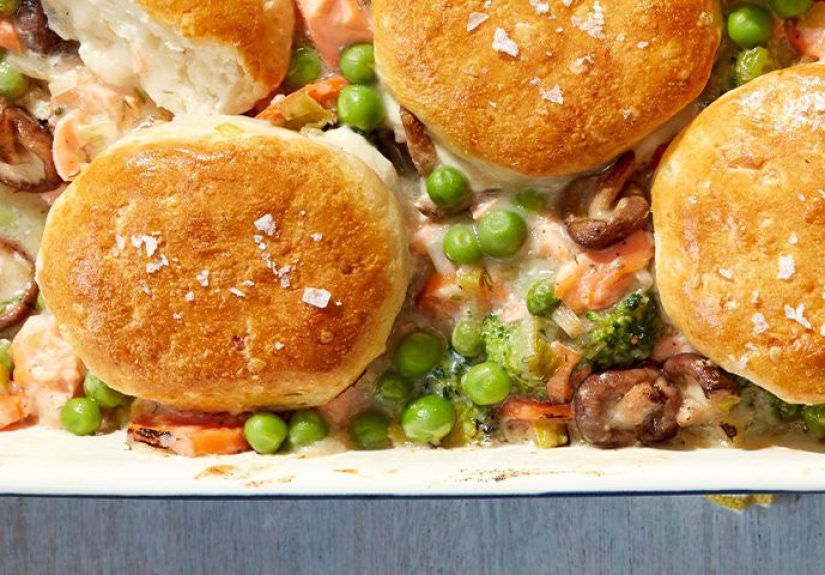
A casserole is both the dish and the food: ingredients layered or mixed in a baking dish, then baked until cohesivecreamy, bubbly,
browned, or crisped on top. The magic is the “all-in-one” structure: starch + protein + vegetables + sauce + topping.
That formula makes casseroles flexible, budget-friendly, and perfect for using leftovers without feeling like you’re eating “leftovers.”
The Casserole Blueprint: A Simple Formula You Can Repeat
If you want casserole confidence (and fewer “why is this watery?” moments), start with a repeatable framework. Here’s a practical template
that covers most family-friendly dinner casseroles:
1) Pick a starch (the backbone)
- Pasta (ziti, penne, egg noodles)
- Rice (white, brown, wild rice blends)
- Potatoes (sliced, mashed, shredded hash browns)
- Bread (for breakfast bakes and strata-style casseroles)
2) Choose a protein (optional, but hearty)
- Rotisserie chicken, shredded turkey, cooked ground beef
- Beans, lentils, tofu, or extra veggies for a vegetarian casserole
- Tuna or salmon for classic comfort-food bakes
3) Add vegetables (for color, texture, and “we tried”)
- Broccoli, green beans, mushrooms, spinach, bell peppers, zucchini
- Frozen veg is fair gamejust thaw and pat dry if it’s icy or wet
4) Bind it with sauce (the glue)
Sauce keeps casseroles cohesive and prevents dryness. It can be homemade (roux-based béchamel, tomato sauce, salsa + sour cream)
or simplified (broth + dairy + thickener). If your mixture looks soupy before baking, it will usually look
even soupier after bakingso aim for creamy, not watery.
5) Finish with a topping (the personality)
- Cheese (cheddar, mozzarella, Monterey Jack, Parmesan)
- Breadcrumbs, panko, crushed crackers
- Crispy onions or thinly sliced potatoes
Pro Moves: How to Make Any Casserole Taste Like You Meant It
Cover first, crisp later
Many casseroles do best when covered for most of the bake to lock in moisture, then uncovered at the end to brown the top.
If your topping is browning too fast, tent loosely with foil and keep going.
Pre-cook the “slowpokes”
Raw potatoes, dense veggies, and uncooked rice can sabotage timing. Par-cook sliced potatoes, steam broccoli briefly,
and use cooked rice unless your recipe is specifically designed for uncooked grains with enough liquid and time.
Drain and dry to avoid “casserole puddles”
Mushrooms release water. Frozen spinach hides water like it’s in witness protection. If you sauté watery vegetables first
and squeeze greens dry, your casserole will be creamy instead of swampy.
Thicken like a grown-up (without making glue)
If your sauce is thin, use a quick slurry (a small amount of starch mixed with cold liquid) or reduce it briefly on the stove.
You can also add shredded cheese (which thickens as it melts) or a small amount of mashed potato/bean puree for body.
Season in layers
Salt the components (protein, veggies, sauce) rather than trying to fix everything at the end. A casserole with bland layers
tastes like a warm blanket that forgot to go through the dryer: comforting, but kind of… damp.
12 Casserole Recipes You’ll Actually Want to Repeat
These aren’t rigid, one-and-only “must follow exactly” recipes. They’re practical, flavor-forward builds with clear steps and smart swaps
perfect for customizing based on what you have.
1) Classic Chicken & Rice Comfort Casserole
Why it works: creamy sauce + tender chicken + rice that soaks up flavor without becoming mush.
- Mix: cooked rice, shredded chicken, sautéed onion/garlic, green beans or broccoli, creamy sauce (broth + dairy + cheese).
- Top: buttery cracker crumbs or panko + Parmesan.
- Upgrade: add Dijon, lemon zest, or a pinch of smoked paprika for depth.
2) Broccoli Cheddar “Everyone Eats a Vegetable” Bake
Steam broccoli until just bright green. Fold into a cheddar-forward sauce, add cooked pasta or rice, then bake until bubbly.
A crunchy topping (panko + melted butter) gives you that restaurant-style finish.
3) Baked Ziti: The Weeknight Crowd-Pleaser
Mix cooked ziti with a hearty tomato sauce and ricotta, layer with mozzarella, then bake until the edges bubble.
Pro tip: bake covered first; uncover near the end for browned cheese. Freeze one pan for Future You.
4) Tex-Mex Tortilla Chicken Casserole
Layer corn tortillas, shredded chicken, peppers/onions, salsa-style sauce (salsa + sour cream or yogurt), and cheese.
Bake until melty, then top with chopped cilantro and a squeeze of lime.
5) Tuna Noodle Nostalgia (But Better)
Combine cooked egg noodles, tuna, peas, and a creamy sauce (think mushroom + dairy + seasonings). Add a crispy topping.
For a fresher taste, fold in lemon zest and black pepper. Nostalgia, upgraded.
6) Shepherd’s Pie-Style Skillet-to-Oven Casserole
Make a savory base (ground meat or lentils + onions + carrots + peas + gravy), then top with mashed potatoes.
Bake until the top browns. If you want extra crunch, rake a fork across the potatoes before baking.
7) Hash Brown Breakfast Casserole
The brunch hero. Mix shredded hash browns, eggs, cheese, and sautéed veggies. Add cooked sausage or turkey bacon if you like.
Bake until set. This is a true make-ahead casserole: prep at night, bake in the morning, accept compliments.
8) French Toast Casserole (Not Just for Holidays)
Cube sturdy bread, soak in a cinnamon-vanilla egg custard, chill, then bake until puffed and golden. Serve with fruit.
It tastes like you tried really hardeven if you mostly just poured things into a dish.
9) Veggie-Forward Enchilada Casserole
Layer tortillas with black beans, roasted zucchini/peppers, enchilada sauce, and cheese. Add corn for sweetness.
It’s colorful, filling, and a reliable “Monday reset” dinner.
10) Green Bean Casserole, Modernized
Keep the iconic ideagreen beans + creamy mushroom sauce + crisp toppingbut swap in fresh beans and sautéed mushrooms for deeper flavor.
Finish with crispy onions or toasted breadcrumbs. Holiday classic energy, weeknight-ready execution.
11) Baked Mac & Cheese Casserole (With Real Crunch)
Start with a smooth cheese sauce (don’t boil itgentle heat keeps it creamy), toss with pasta, then top with seasoned breadcrumbs.
Bake until bubbling, broil briefly for a crackly top, and try not to “just taste” half the pan.
12) Cozy Vegetarian Lentil & Mushroom Bake
Lentils bring protein, mushrooms bring savoriness, and a creamy or tomato-based sauce brings cohesion.
Top with mashed potatoes or a cheesy breadcrumb crust. Hearty enough that nobody asks “where’s the meat?” (Okay, maybe one person. Ignore them.)
Make-Ahead, Freezer-Friendly Casseroles: How to Plan Like a Genius
Make-ahead (refrigerator) strategy
- Assemble the casserole, cool components first, cover tightly, and refrigerate.
- Many casseroles need a little extra bake time straight from the fridge.
- If the top is getting too brown, cover with foil and keep baking until hot throughout.
Freezer strategy (best for busy weeks)
- Use a freezer-safe dish or line your baking dish so you can lift out the frozen casserole and store it wrapped.
- Label with the name, date, and baking instructions.
- Thaw overnight in the fridge for more even baking (and less “hot edges, cold center” drama).
Common Casserole Problems (and Fixes That Actually Work)
“It’s watery.”
- Sauté mushrooms and onions until moisture evaporates.
- Thaw and dry frozen vegetables.
- Use a thicker sauce base or reduce the sauce before mixing.
“It’s dry.”
- Cover for most of the bake; uncover at the end.
- Add a splash of broth or dairy before reheating.
- Don’t overbaketest earlier than you think.
“The topping got soggy.”
- Toast breadcrumbs/panko before topping.
- Add topping near the end if your casserole bakes a long time.
- Broil briefly (watch closely!) to crisp.
Food Safety Basics for Casseroles
Casseroles are cozy, but bacteria are not. Keep cooked food out of the room-temperature “danger zone” too long and you risk
foodborne illness. Refrigerate leftovers promptly, reheat thoroughly, and use a thermometer when you canespecially for
casseroles with meat, eggs, or dairy.
- Reheat: bring leftovers to a safe, steaming-hot temperature throughout.
- Chill: cool and refrigerate within a safe window (use shallow containers for faster cooling).
- When in doubt: toss it. Sad, yes. Safer, also yes.
Real-Life Casserole Experiences: Lessons From the Oven ()
If you want to understand why casserole recipes have a permanent parking spot in American kitchens, don’t start with a cookbookstart with
the moments casseroles show up. They’re the dish that appears when life is busy, messy, celebratory, or all three.
One of the most common “casserole experiences” is the weeknight rescue. You open the fridge and find half a rotisserie chicken,
a lonely bag of broccoli, and a container of rice that’s one day away from becoming a science project. A casserole turns that awkward lineup
into dinner that feels intentional. The lesson: casseroles reward you for cooking a little extra earlier in the week. Make rice once, use it twice.
Roast vegetables once, repurpose them later. Future You will feel oddly supported by Past You, which is rare and beautiful.
Then there’s the potluck reality check: the casserole you thought would be “a nice contribution” becomes the first empty dish on the table.
Why? Because casseroles travel well, serve easily, and taste even better after they sit for a bitflavors settle, sauces thicken, and the whole pan becomes
more cohesive. People also love the built-in fairness: every scoop has a little of everything. The lesson: if you want to win a potluck without trying too hard,
bring a baked pasta casserole or a cheesy veggie bake with a crunchy topping. Texture is a popularity contest and crunch is campaigning.
Another classic experience is the breakfast casserole morning, especially on holidays or sleepover weekends. Nobody wants to stand at the stove
flipping pancakes while everyone else is having fun. A breakfast bake lets you prep at night and bake in the morning, which means you get to be presentand also
look like a planning wizard. The lesson: casseroles aren’t just food; they’re time management with cheese.
Casseroles also show up in quieter moments: a neighbor drops one off after a new baby, during a tough week, or when someone’s under the weather. You don’t have to
“think” to eat a casserole. It’s warm, gentle, and portionable. The lesson: casseroles communicate care without requiring the recipient to do anything complicated.
They’re the edible version of “I’ve got you.”
And finally, there’s the experience every home cook hits eventually: the mysterious watery casserole. You followed a recipe, you swear you did,
and somehow the pan looks like it went swimming. That moment teaches the most useful casserole skill of all: moisture management. Sauté watery vegetables. Drain
canned ingredients. Dry frozen greens. Trust the difference between “creamy” and “liquid.” The lesson: casseroles are forgiving, but they’re not mind readers.
Give them structure, and they’ll give you comfort back.
Conclusion: Your New Favorite Way to Make Dinner Easier
The best casserole recipes aren’t just “dump-and-bake.” They’re smart, flexible builds that turn everyday ingredients into something cohesive, cozy, and satisfying.
Use the casserole blueprint, control moisture, finish with a bold topping, and lean into make-ahead and freezer-friendly options when life gets hectic.
Your oven is ready. Your baking dish is ready. Dinner can be ready, too.