Table of Contents >> Show >> Hide
- Before You Start: Safety First
- Fix 1: Make Sure Your Thermostat Is Actually Calling for Heat
- Fix 2: Verify the Power Is On (Breaker, Switch, and Furnace Door)
- Fix 3: Replace a Dirty or Clogged Air Filter
- Fix 4: Check Vents, Registers, and Return Grilles
- Fix 5: Confirm the Gas Supply or Fuel Source Is On
- Fix 6: Inspect the Condensate Drain and Safety Float (High-Efficiency Units)
- Fix 7: Try a Gentle System Reset
- Fix 8: Do Some Quick House Checks (It’s Not Always the Furnace)
- When to Stop DIY and Call a Pro
- Extra: Real-World Experiences with “Heater Not Working” Problems
- Conclusion: Simple Checks, Big Comfort
The first cold night hits, you crank the thermostat, and… nothing. No warm air,
no comforting hum, just you, a blanket, and some very unrepeatable words about
your heating system. Before you panic and start Googling “emergency furnace
replacement,” take a breath. Many “heater not working” problems come down to a
few simple, DIY-friendly checks you can do in minutes.
Professional HVAC techs will tell you a huge percentage of no-heat calls turn
out to be issues with thermostats, power, or clogged filtersthings homeowners
could fix themselves with a little guidance. Learning a few basic
heater troubleshooting steps can save you money, time, and a whole lot of shivering.
Before You Start: Safety First
Modern furnaces and heaters are designed with safety in mind, but they still
deal with electricity, gas, and combustion. That means there are times when
DIY is smart… and times when it’s absolutely not.
- If you smell gas (rotten-egg odor), turn the system off, leave the house, and call your gas utility or emergency services.
- If your carbon monoxide (CO) alarm goes off, get everyone out and call a pro right away.
- If you see sparks, burning plastic smells, or scorch marks, shut off power to the system at the breaker and call an electrician or HVAC technician.
If none of those red flags are present, you’re usually safe to try the simple
checks below. These fixes apply to many gas and electric furnaces and central
heating systems, and they’re the same steps HVAC manufacturers and pros suggest
homeowners try before booking a service call.
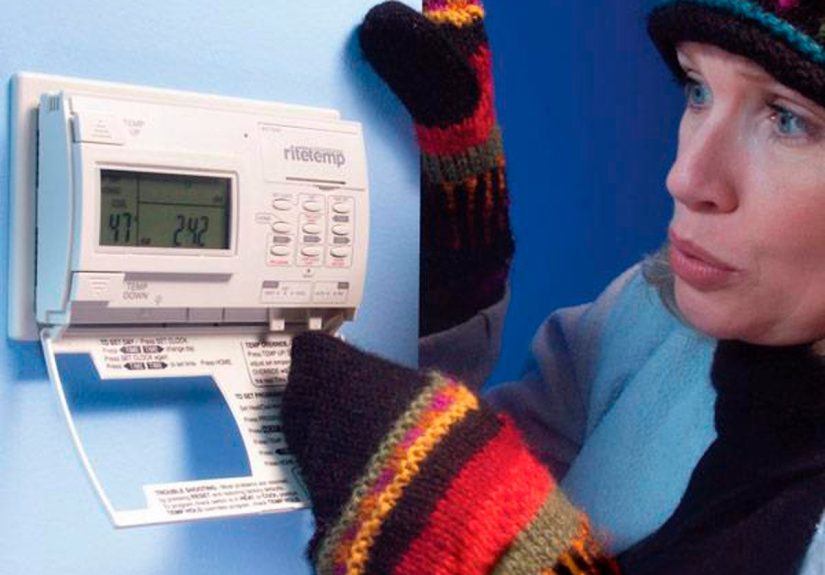
Fix 1: Make Sure Your Thermostat Is Actually Calling for Heat
It sounds too simple, but thermostats are behind a surprising number of
heater not working complaints. If the thermostat isn’t asking for heat, the
furnace will politely do nothing.
What to check
- Confirm the thermostat is set to HEAT, not COOL or OFF.
- Set the temperature a few degrees above the current room temperature.
- If it’s a battery-powered thermostat, pop off the cover and replace the batteries with fresh ones.
- Wait a couple of minutes to see if you hear the system click on.
Weak or dead thermostat batteries can cause weird behavior: the screen may go
blank, the heater may short-cycle (turn on and off quickly), or it may not call
for heat at all. Swapping in new batteries is cheap insurance and fixes a lot
of “mystery” heating problems.
Bonus check: Schedule and mode
If you have a smart or programmable thermostat, make sure it’s not stuck in a
schedule that keeps the temperature low or in an “away” or “eco” mode. A quick
override to “Hold” or “Manual” with a higher setpoint can tell you if the
programming is the problem, not the furnace itself.
Fix 2: Verify the Power Is On (Breaker, Switch, and Furnace Door)
Furnaces are like teenagers: if they don’t have power, they’re not getting up
for anything. One tripped breaker or a simple switch in the wrong position can
leave you convinced the entire system is dead.
Step-by-step power check
-
Check the breaker panel. Look for the breaker labeled furnace, HVAC,
air handler, or similar. If it’s in the middle position or clearly tripped,
switch it fully OFF and then back ON. -
Look for the furnace service switch. Near the unit (often on a wall or
on a box attached to the furnace) there’s usually a standard light-switch–style
control. It must be in the ON position. -
Make sure the furnace door or access panel is closed properly.
Many units have a safety switch that cuts power if the panel isn’t seated
correctly.
After restoring power, give the system a few minutes. Furnaces often have a
brief startup sequence before you’ll feel warm air at the vents.
Fix 3: Replace a Dirty or Clogged Air Filter
Your heater relies on steady airflow. A filthy filter can choke the system,
cause overheating, and trip safety controls that shut the furnace down. Many
manufacturers and HVAC pros say a clogged filter is one of the most common
reasons a furnace is not working or keeps shutting off.
How to check and change the filter
- Turn the system off at the thermostat for safety.
-
Locate the filter: It’s usually in a slot near the return-air duct, inside
the blower compartment, or behind a return grille. -
Slide the filter out and hold it up to a light. If you can’t see light
passing through most of the filter, it’s overdue for a change. -
Note the size printed on the frame and install a new filter with the arrows
pointing in the direction of the airflow (toward the furnace).
In homes with pets, allergies, or a lot of dust, you may need to change the
filter more often than the standard “every three months.” Think of it as cheap
life insurance for your furnaceand for your heating bill.
Fix 4: Check Vents, Registers, and Return Grilles
If the system runs but you’re still not getting much heat, the problem may be
at the vents, not the furnace. Blocked supply registers and return grilles can
make it feel like the heater isn’t working while it’s actually struggling in
the background.
What to look for
- Make sure all supply vents are open, not shut with the louvers closed.
- Move furniture, rugs, or heavy drapery away from vents and returns.
- Vacuum visible dust buildup on grilles to improve airflow.
When too many vents are closed or blocked, air pressure in the ducts rises,
which can trigger safety switches or cause the furnace to short-cycle. Opening
vents throughout the home gives your system room to breathe and helps warm air
circulate more evenly.
Fix 5: Confirm the Gas Supply or Fuel Source Is On
For gas furnaces, no fuel means no heatno matter how hard the thermostat
begs. Electric heaters have their own issues, but gas supply is a big one for
combustion-based systems.
Gas furnace checks (with safety in mind)
-
Look for the gas shutoff valve on the gas line near the furnace. The handle
should be in line with the pipe for the valve to be open. -
If you have a traditional pilot light system, check through the little
window or opening to see if the pilot is burning with a steady blue flame. -
If the pilot is out, follow the printed lighting instructions on the
furnace exactlyor call a pro if you’re uncomfortable doing this. -
If you smell gas, stop immediately, shut the system off, leave the home, and
call your gas company or emergency services.
Many modern furnaces no longer use standing pilots and instead rely on hot
surface igniters or spark ignition. If those components fail, that’s typically
a job for an HVAC technician, not a DIY project.
Fix 6: Inspect the Condensate Drain and Safety Float (High-Efficiency Units)
High-efficiency condensing furnaces produce water as a byproduct of
combustion. That water drains through a small plastic hose or tube. If the
line clogs, a safety switch can shut the furnace off to prevent water damage.
Easy checks you can do
- Look for a small PVC or vinyl drain line near the bottom of the furnace.
- Check for obvious kinks, sags, or standing water in or around the line.
- If there’s a small condensate pump, listen for it running or buzzing strangely.
- Gently clear visible debris from the drain termination point if it’s accessible.
If you see water pooling around the furnace, or if the drain setup looks
complicated, shut off the system and call a pro. Small clogs might be easy to
clear, but you don’t want to cause a leak or overflow by guessing.
Fix 7: Try a Gentle System Reset
Just like your misbehaving laptop, a furnace control board sometimes needs a
reset to clear a fault that’s already been resolved. Many manufacturers list a
simple reset procedure in the owner’s manual.
Basic reset method
- Turn the thermostat to OFF.
- Shut off the furnace at the service switch or breaker.
- Wait about 30 seconds to a minute.
- Turn the power back on, then set the thermostat to HEAT and raise the setpoint.
Stand near the furnace and listen. You should hear the sequence: inducer fan,
ignition, burner, then the main blower fan. If it starts but quickly shuts
down again, there may still be an underlying issue such as a dirty flame
sensor, clogged filter, or a failing component that needs professional
attention.
Fix 8: Do Some Quick House Checks (It’s Not Always the Furnace)
Sometimes the heating system is doing its job, but the house itself is
sabotaging your comfort. Drafts, closed interior doors, or leaky windows can
make it feel like the heater is not working when it’s really a distribution or
insulation issue.
Simple comfort boosters
- Check that windows are fully closed and latched.
- Use draft stoppers on leaky exterior doors.
- Open interior doors to let warm air move freely through the house.
- Close curtains at night to cut heat loss through glass.
These tweaks aren’t “repairs,” but they do help your furnace keep up on very
cold nights and can make a big difference in how warm your home feels.
When to Stop DIY and Call a Pro
After you’ve checked the thermostat, filter, power, vents, and basic fuel
supply, but your heater still isn’t working or is acting strangely, it’s time
to bring in an HVAC technician. Call a pro right away if you notice:
- Repeated short cycling (the furnace turns on and off every few minutes).
- Loud banging, screeching, or grinding noises from the blower or burner area.
- Persistent burning, electrical, or musty odors.
- Visible flames, scorch marks, or melted wiring insulation.
- Carbon monoxide alarms, gas smells, or visible smoke.
Professionals have specialized tools to check combustion, measure gas
pressures, and inspect heat exchangersthings that are not DIY-friendly. Yes,
you’ll pay for a service call, but you’ll also gain peace of mind that your
system is safe and running efficiently.
Extra: Real-World Experiences with “Heater Not Working” Problems
Ask a group of homeowners about their worst heating scare, and you’ll hear
surprisingly similar stories. What feels like a catastrophic furnace failure in
the moment often turns out to be something smallfrustrating, sure, but easy
to fix once you know where to look.
The Great “Dead Furnace” That Was Just a Switch
One common story goes like this: the family wakes up to a chilly house, the
thermostat shows normal settings, but the furnace is silent. Panic sets in.
They picture frozen pipes, giant repair bills, and weeks of waiting for a
replacement. Then the tech arrives, walks over to the furnace, flips the
nearby service switch from OFF to ON, and the system roars back to life.
How does that happen? Sometimes someone turns off the switch while
reorganizing a storage area, painting, or vacuuming around the furnace. Other
times, kids treat light switches like an arcade game. It’s embarrassingbut
it’s also a reminder to check every simple thing before assuming the worst.
The Mystery of the Vanishing Heat Upstairs
Another frequent complaint: “Downstairs is warm, but the upstairs bedrooms are
freezing.” Homeowners often worry the heater is failing or the ducts are
ruined. In reality, the fix is often as simple as opening closed registers,
moving furniture off vents, or replacing a badly clogged filter that’s
throttling airflow.
In multi-story homes, warm air naturally rises, but it still needs a clear
path. Closing too many vents in “unused rooms” can unbalance the system and
make the rest of the house uncomfortable. Many HVAC pros recommend keeping
most vents open and only partially closing a few if necessary to tweak
comfortnot shutting them all the way.
Smart Thermostats, Not-So-Smart Settings
Smart thermostats are greatuntil a software update or new schedule turns your
warm, cozy home into an icebox. Homeowners sometimes forget that their
thermostat is following a programmed schedule, not their current mood.
In one example, a homeowner spent hours convinced their furnace had failed
because the house stayed at 60°F despite setting the thermostat higher.
Eventually they realized the thermostat was still in “vacation” mode from a
recent trip. Exiting that mode and setting a regular schedule restored normal
heating instantly. The lesson: if your heater is not working as expected, always
check the thermostat mode and schedules before calling for help.
Why Maintenance Matters (Even When It Feels Boring)
Many people don’t think about their furnace until something goes wrong. But
stories from HVAC pros show that regular maintenancechanging filters,
clearing debris around the unit, and scheduling occasional tune-upsprevents a
lot of emergencies.
Homeowners who keep up with basic care tend to report fewer surprise
breakdowns and more consistent comfort. A yearly checkup can catch things like
dirty flame sensors, weakening igniters, or partially clogged condensate
drains before they shut your system down on the coldest night of the year.
The big takeaway from all these experiences: you don’t need to be an HVAC
expert to avoid many heating headaches. If you remember to:
- Double-check your thermostat and settings,
- Keep power on and filters clean,
- Give vents and returns room to breathe, and
- Respect warning signs like gas smells or CO alarms,
you’ll be ahead of the game. Your heater will work more reliably, you’ll
avoid unnecessary service calls, and you’ll spend more winter evenings under a
cozy blanket by choicenot because your furnace has decided to take the night
off.
Conclusion: Simple Checks, Big Comfort
When your heater is not working, it’s easy to imagine the worst. But in many
cases, the solution is as simple as changing a thermostat setting, replacing a
clogged filter, flipping a breaker, or clearing a blocked vent. These eight
simple fixes are the same first steps professionals recommend, and they’re
well within reach for most homeowners.
Use this guide as your go-to checklist the next time your furnace misbehaves.
If a quick DIY fix doesn’t solve the problemor if you see any signs of
dangerdon’t hesitate to call a qualified HVAC technician. Between smart
troubleshooting and timely professional help, you’ll keep your home safe,
comfortable, and warm all winter long.