Table of Contents >> Show >> Hide
- What “Pottery Barn Outlet” means online (and why the discounts get spicy)
- Why Pottery Barn storage is worth stalking on sale
- The deal-hunter’s game plan: how to shop storage like a pro (not a panicked squirrel)
- Best storage categories to shop when discounts hit up to 60% off
- Storage baskets and bins: the instant-organization upgrade
- Entryway storage: stop the “shoe explosion” at the source
- Living room storage: hide the chaos without living in a storage unit
- Bedroom storage: the calmest room is the one with fewer visible piles
- Closet storage: make it feel like a boutique, not a broom closet
- Kitchen and pantry storage: the “my life is together” illusion you can actually maintain
- Bathroom storage: small space, big clutter potential
- How to make storage look intentional (not like you panic-bought bins)
- Outlet-deal pitfalls to avoid (so the bargain stays a bargain)
- How to stack the value: small moves that make the discount feel bigger
- Quick room-by-room ideas you can copy today
- Conclusion: the best storage deal is the one you’ll actually use
- Experience-Based Add-On: What it feels like to shop these storage deals (and actually use them)
Your home has hobbies. Collecting mail on the counter. Hoarding “important” cables in a drawer. Breeding throw blankets
when you’re not looking. And if your stuff is currently winning the living-room turf war, Pottery Barn Outlet’s storage
deals being up to 60% off is the kind of news that makes clutter quietly sweat.
This sale category is basically a permission slip to finally buy the grown-up storage you’ve been improvising with:
baskets that don’t sag like a tired taco, bins that actually match, and furniture that hides chaos while looking like
you have your life together. The catch (because there’s always a catch) is that outlet-style inventory changes fast,
sizes sell out, and some deals come with “final sale” energyso it pays to shop like an organized raccoon: strategic,
quick, and mildly obsessed with measurements.
What “Pottery Barn Outlet” means online (and why the discounts get spicy)
When people hear “outlet,” they often picture a cavernous store where you wander among lonely lampshades and questionable
side tables. Pottery Barn’s online outlet-style sections are a bit different: you’ll see rotating deals on storage, plus
clearance and “open box” options that can deliver serious markdowns. Translation: you can score premium-looking storage
pieces for less, but you’ll want to read item notes and policies carefully before clicking “Place Order.”
In practical terms, you’ll typically see three deal lanes:
-
Storage Outlet Deals: a curated set of storage items discounted up to 60%think baskets, bins, and
some storage-forward furniture pieces. - Clearance: deeper discounts, fewer sizes, and a “when it’s gone, it’s gone” vibe.
-
Open Box: items that may have been opened or returned; these can be steeply discounted but often come
with stricter return limitations and a “inspect the details” requirement.
If you’re bargain-hunting for storage, the winning strategy is simple: shop the storage outlet deals first for broader
selection, then check clearance/open box for the “how is this even that cheap?” moments.
Why Pottery Barn storage is worth stalking on sale
Storage is one of the few categories that touches every room and can make your home feel instantly calmer. The
best pieces do three jobs at once: contain clutter, fit the space, and look intentional. Pottery Barn tends to lean into
classic shapes and natural textureswoven baskets, lidded bins, structured organizersso the stuff you must own becomes
less visible (and less stressful).
When the “pretty” storage is actually the practical choice
A storage bin doesn’t have to scream “I live in the garage.” In fact, design-forward storage is often more
likely to stay in use because you don’t mind seeing it. A woven basket can live under a console table, a lidded bin can
sit on a shelf without looking like you’re hiding evidence, and a storage ottoman can swallow blankets while still
serving as extra seating.
The deal-hunter’s game plan: how to shop storage like a pro (not a panicked squirrel)
1) Measure first. Yes, before you fall in love.
The fastest way to turn a great deal into a dramatic monologue is buying a basket that’s one inch too tall for your
shelf. Measure the space (width, depth, height), then measure the items you’re storing. If it’s for a shelf, confirm
clearance above it. If it’s under the bed, confirm bed-frame height and how far the container needs to slide out.
2) Decide what you’re containing: “categories,” not “stuff”
“Miscellaneous” is not a category. It’s a cry for help. Instead, sort by real life: “dog walking,” “batteries,” “gift
wrap,” “winter hats,” “kid crafts,” “cords,” “extra toiletries.” Storage works best when each container has one job.
3) Choose your visibility level: clear, opaque, or lidded
- Clear bins are great for closets, pantries, and anywhere you want “grab-and-go.”
- Opaque bins look cleaner on open shelving, especially in living rooms and bedrooms.
- Lidded baskets are the MVP for hiding chaos in plain sight (toys, throws, spare cords).
4) Read the fine print on outlet-style deals
Outlet and open-box discounts can come with limitations. Always check whether an item is marked as final sale, whether
it’s open box, and what condition notes are included. If something is heavily discounted, there’s usually a reasonand
that reason might be totally fine for you (like packaging damage) or totally not fine (like missing parts you’ll need).
5) Build a system, not a pile of containers
Containers don’t organize youyou organize the containers. Pick a consistent “container language” per zone. For example:
all woven baskets for the entryway bench, all clear bins for pantry snacks, all matching lidded boxes for the linen
closet. Your future self will thank you, probably while sipping coffee in a magically tidy room.
Best storage categories to shop when discounts hit up to 60% off
Storage baskets and bins: the instant-organization upgrade
If you want the fastest before-and-after payoff, start here. Baskets and bins make shelves look curated and keep small
items from migrating across rooms like tiny clutter nomads. Pottery Barn’s sale selections often include sets, lidded
styles, and structured shapes that stand upright instead of slumping.
What to look for: sturdy handles, reinforced rims, and sizes that match your shelves. If you’re
organizing a bookshelf or console, choose baskets with straight sides for a clean, built-in look. For open shelving,
lidded baskets are excellent for hiding the not-cute stuff (remote controls, chargers, “mystery items”).
Real-world examples you might see in a Pottery Barn storage sale lineup: utility baskets, handwoven
lidded baskets, and multi-piece basket sets designed to mix sizes while keeping a consistent look.
Entryway storage: stop the “shoe explosion” at the source
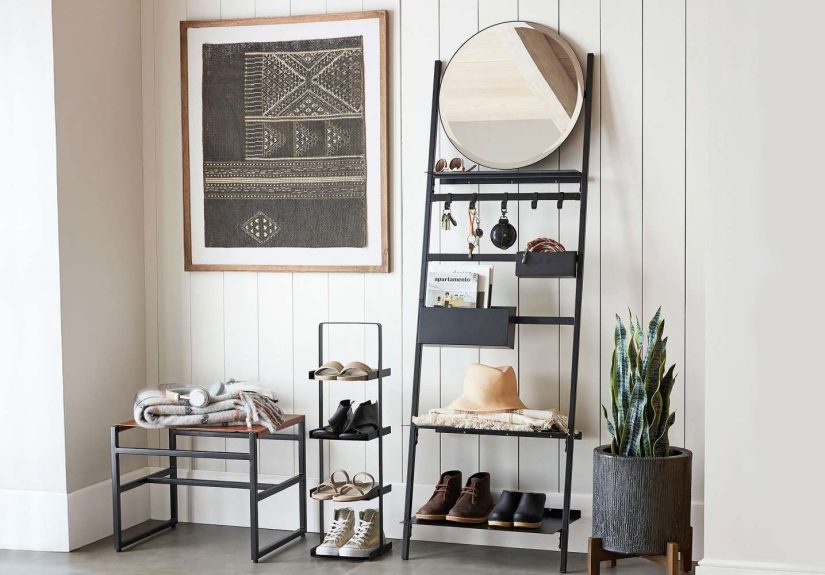
Entryways are where good intentions go to dieshoes pile up, bags land wherever gravity suggests, and keys vanish into an
alternate dimension. Storage benches, baskets for the lower shelf, wall hooks, and trays for small essentials can turn
your entry into a functional landing zone.
- Bench + baskets for shoes, hats, and gloves.
- Wall hooks for backpacks and coats (bonus: fewer “chair coats”).
- Catchall tray for keys and sunglasses so you’re not late because of a scavenger hunt.
Living room storage: hide the chaos without living in a storage unit
Living rooms are supposed to be relaxing, but they’re also a magnet for remote controls, blankets, books, games, and
“why is there a screwdriver here?” A storage ottoman, a coffee table with shelves, or a media console with drawers can
make clutter disappear while keeping the room feeling finished.
If your living room is also your office, look for baskets that fit on lower shelves to contain chargers, notebooks, and
the emotional burden of unread emails.
Bedroom storage: the calmest room is the one with fewer visible piles
Bedrooms benefit from “soft storage” that looks peaceful: lidded baskets, under-bed storage, and drawer organizers.
Under-bed containers are ideal for off-season clothing, spare bedding, and anything bulky you don’t need daily.
Quick rule: if it’s something you reach for weekly, keep it reachable. If it’s seasonal, store it lower or farther away.
Closet storage: make it feel like a boutique, not a broom closet
Closets don’t need to be large; they need to be edited. When you shop storage deals, focus on the tools that
multiply usable space: shelf bins, stacking boxes, trays for accessories, and baskets for bulky items. A few consistent
container sizes can make even a small closet feel organized.
A simple approach:
- Top shelf: labeled bins for seasonal items.
- Eye level: daily essentials in easy-grab baskets.
- Floor: one “donate” bag or bin so decluttering becomes a habit, not a yearly crisis.
Kitchen and pantry storage: the “my life is together” illusion you can actually maintain
Kitchen organization works best when you store items where you use them and keep categories consistent. Pantry bins are
great for snacks, baking supplies, and packets. Drawer dividers can tame the utensil jungle. Matching canisters or
airtight containers can make staples easier to find and help reduce visual clutter.
If you only do one thing: group by category and give each category a container. It’s shockingly effective.
Bathroom storage: small space, big clutter potential
Bathrooms fill up fastskincare, hair tools, extra toilet paper, the travel-size collection you swear you’ll use. Look
for lidded containers, tiered organizers, and bins that fit under the sink. Keep daily items easy to access and stash
backups out of sight.
How to make storage look intentional (not like you panic-bought bins)
Pick one texture per zone
Mixing every basket style you’ve ever loved can look chaotic. Instead, pick one dominant material per area: woven in the
entryway, clear in the pantry, lidded boxes in the bedroom. You can still vary sizes, but keep the look consistent.
Don’t let “pretty storage” become a clutter costume
Designer-looking bins are wonderfulunless you use them to hide a mess you never sort. Storage works when you contain
categories, not when you shove random items into a basket and call it “minimalism.” If a bin becomes a black hole, it’s
a sign the category needs a rethink.
Label… thoughtfully
Labels can be a lifesaver for opaque bins and family systems (“Where do the batteries go?”). But labeling works best
after you’ve tested how you actually use the space. Choose labels that are easy to update, especially for seasonal or
kid-related storage where categories change.
Outlet-deal pitfalls to avoid (so the bargain stays a bargain)
1) Buying without a plan
Storage without a plan becomes… more stuff. Decide your target zone first (entryway, pantry, linen closet), then buy the
containers that solve that zone’s problem.
2) Ignoring “final sale” and open-box notes
Some of the steepest discounts can come with stricter return rules. Always confirm what applies to your itemespecially
if you’re buying open box or clearance. If you’re sensitive to minor scuffs, scratches, or missing packaging, pick
regular sale deals rather than open-box deals.
3) Choosing the wrong materials for the job
- Pantry: easy-wipe containers tend to win.
- Kids: durable, lightweight bins you won’t cry over.
- Bathroom: materials that tolerate humidity and are easy to clean.
- Living room: baskets that look good and don’t snag throws.
4) Overbuying “just in case”
It’s tempting when discounts are strong. But overbuying can backfire if you end up with a mountain of unused containers.
A smarter move: buy enough for the zone you’re fixing now, then expand once the system proves it works.
How to stack the value: small moves that make the discount feel bigger
-
Shop by priority: start with the storage pain points that affect your daily life (entryway, pantry,
bedroom). -
Choose multi-purpose items: storage benches, lidded baskets, and ottomans can do double duty and
reduce the number of pieces you need. -
Think in “sets” and “systems”: matching bins often look more polished than one-offs, even if the bins
are simple. -
Expect fast-moving inventory: if you find a size that fits your shelf perfectly, consider grabbing
the full set while it’s available.
Quick room-by-room ideas you can copy today
Entryway
Add two identical baskets: one for “outgoing” (returns, donations, items that belong elsewhere) and one for “daily grab”
(dog leash, sunglasses, reusable bags). This stops the drift before it becomes a pile.
Living room
Put a lidded basket near the sofa for throws and a smaller tray on the coffee table for remotes. If it can’t fit, it
doesn’t live there. That rule alone can cut visual clutter dramatically.
Bedroom
Use under-bed storage for seasonal linens and a structured basket for “clothes that are clean-ish” (you know the ones).
It’s not perfect, but it’s a containment strategyand containment is progress.
Pantry
Create “zones”: snacks, breakfast, baking, dinner helpers. Assign each zone a bin. Add a small “use first” bin for items
nearing expiration to reduce waste and improve flow.
Bathroom
Store backups in one lidded bin and daily items in a small open container. The goal is a clear counter, not a museum of
serums.
Conclusion: the best storage deal is the one you’ll actually use
Pottery Barn Outlet’s storage deals being up to 60% off is a rare chance to upgrade the “systems” behind your homenot
just the décor in front of it. Shop with measurements, organize by category, and aim for a consistent look per zone.
When storage is both functional and attractive, it becomes easier to maintain, which means you spend less time tidying
and more time living in your home like you meant to.
Experience-Based Add-On: What it feels like to shop these storage deals (and actually use them)
Let’s talk about the part no one puts in the product description: the emotional journey of buying storage. Because it’s
never “I bought a basket.” It’s “I bought a basket because my entryway looks like it’s auditioning for a disaster movie.”
And when Pottery Barn Outlet storage deals hit deep discounts, it’s easy to get swept up in that fantasy life where you
own three matching bins and your junk drawer is a tranquil meadow.
The best way to make that fantasy real is to shop with one specific problem in mind. For example, the classic
Entryway Avalanche: shoes, mail, random cords, and at least one object that has no business being there
(why is the tape measure by the door?). In real homes, the fix isn’t complicatedit’s just consistent. A storage bench
plus two sturdy baskets can create a “drop zone” that looks intentional. One basket becomes the “daily essentials” bin:
keys, sunglasses, dog bags, the stuff you reach for every day. The second becomes the “relocation” bin: items that need
to go elsewhere. The magic is that you don’t have to clean perfectlyyou just have to contain. When you can sweep items
into a designated basket in under 30 seconds, tidying feels doable even on a chaotic day.
Then there’s the Linen Closet Monster, a creature that feeds on mismatched pillowcases and the false
belief that you’ll iron anything. This is where lidded baskets and structured bins earn their keep. Many shoppers find
that lidded baskets make the closet look instantly calmer because you’re removing visual noisesheets, extra toiletries,
and “backup everything” can live behind a lid without looking like a pile. The practical trick is labeling by category
(not by ambition). Don’t label a bin “Guest Towels” if you never have guests; label it “Extra Towels” and move on with
your life.
The Blanket Population Boom is another real-world scenario. You start with one throw. Then you buy one
more because it’s “cozy.” Suddenly you have a dozen blankets and not a single place to put them. A large basket beside
the sofa solves this immediatelyand it’s one of those upgrades that feels more luxurious than it should. When the basket
looks like décor, you don’t resent it. You use it. That’s the whole point of attractive storage: it removes friction.
For families (or anyone who’s ever stepped on a tiny plastic dinosaur at 2 a.m.), the Toy Tornado is the
ultimate storage test. Here, “pretty” matters less than “durable and repeatable.” A set of bins that fit a shelf can
create a simple system: one bin per category (blocks, art supplies, cars, dolls). Kids can learn the system because it’s
consistent, and you can reset a room quickly because every bin has a job. The bonus of shopping outlet deals is you can
build that system without feeling like you took out a second mortgage to store Legos.
Finally, there’s the Closet That Lies to Youthe one that looks fine until you open it, and then it
reveals it’s been quietly storing chaos like a dragon hoarding treasure. Closet organization becomes dramatically easier
when you use matching bins on the top shelf and keep everyday items at eye level. People often report the same “aha”
moment after adding shelf bins: you stop stacking random piles and start maintaining categories. It’s not about perfection
as much as it’s about clarityknowing where something belongs makes it easier to put it back.
The “experience” takeaway is simple: outlet storage deals are most satisfying when you buy for a system, not for a vibe.
Pick one zone, buy the containers that match that zone, and set them up the same day they arrive. If you wait two weeks,
your bins may become… storage for storage. And that, my friend, is how clutter achieves enlightenment.