Table of Contents >> Show >> Hide
- Catching Up with Currants: The Short Answer
- Meet the Fresh Currant Family
- Dried Currants vs. Raisins vs. Sultanas
- Why You Don’t See Many Currants in U.S. Grocery Stores
- Nutrition and Health Perks
- Buying, Storing, and Prepping Currants
- How to Use Currants in the Kitchen
- Growing Currants at Home
- Common Questions About Currants
- Real-Life Experiences with Currants
- The Bottom Line
If you’ve ever stood in the baking aisle wondering why a recipe calls for currants when you’re staring at nothing but raisins, you’re not alone. Currants are one of those ingredients that sound old-fashioned and mysterious, like something your great-grandma kept in a tin next to the flour. The truth is, currants are delicious, versatile, and a little confusingbecause the word “currant” can mean two different things depending on whether you’re talking about fresh fruit or dried.
In this guide, we’ll clear up the currant confusion, walk through the different types, compare them to raisins and sultanas, and explore how to cook, bake, and even garden with them. By the end, you’ll know exactly what currants areand you might be tempted to track some down for your next baking project.
Catching Up with Currants: The Short Answer
When people say “currants,” they may be talking about:
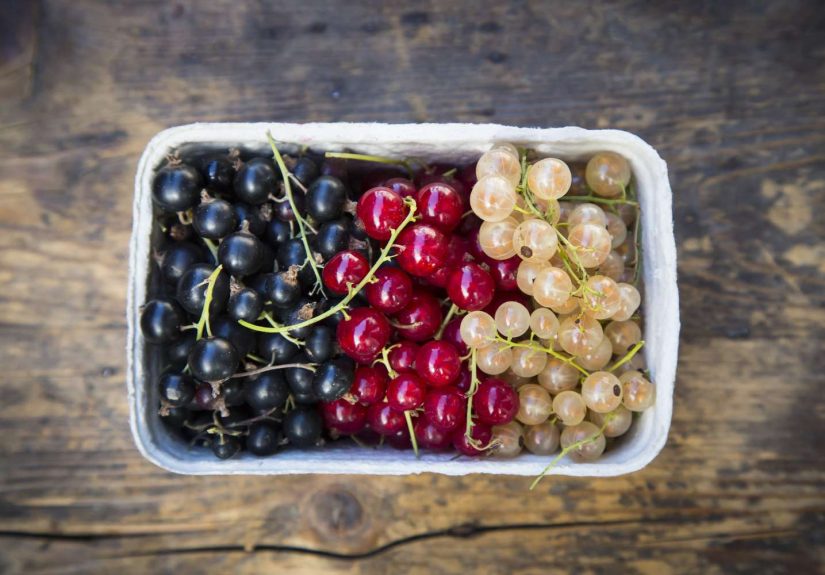
- Fresh currants – Small, glossy berries that grow in clusters on bushes in the Ribes genus, part of the gooseberry family. These include black, red, white, and pink currants.
- Dried currants – Also called Zante currants or Corinthian raisins. These are not berries at all, but tiny dried grapes (usually the Black Corinth variety).
So yessometimes currants are berries, and sometimes they’re shrunk-down grapes. The context (fresh vs. dried) usually gives it away. In American grocery stores, “currants” on a bag in the baking aisle almost always means the dried grape kind, while fresh currants are more often found at farmers’ markets, specialty shops, or home gardens.
Meet the Fresh Currant Family
Fresh currants are about the size of a large pea, grow in tight dangling clusters, and burst with tart, juicy flavor. All of them bring a bright, tangy punch to recipes, but each type has its own personality.
Black Currants
Black currants (Ribes nigrum) are deep purple to nearly black and pack the most intense flavor of the group: tart, earthy, slightly floral, with a “cassis” note you might recognize from liqueurs or candies.
They’re nutritional powerhouses. A cup of black currants is rich in vitamin C, fiber, and polyphenol antioxidants, and even contains some gamma-linolenic acid (GLA), an omega-6 fatty acid that’s being studied for potential anti-inflammatory benefits. While black currants are not magic medicine, they’re a very nutrient-dense fruit to work into your diet.
In the kitchen, black currants shine in:
- Jams, jellies, and preserves (their high pectin content helps them set well)
- Sauces for game meats like lamb, duck, or venison
- Cordials, syrups, and the famous crème de cassis liqueur
- Baked goods where you want bold, tangy flavorthink tarts and crumbles
Red Currants
Red currants look like tiny, translucent rubies. They’re typically the tartest of the bunch, with a flavor often compared to a “sugar-kissed cranberry”bright, sharp, and refreshing. Many people find them too sour to snack on by the handful, but they mellow beautifully with sugar and heat.
Red currants are classic in:
- Red currant jelly served with roast meats
- Cakes, muffins, and quick breads where their tartness balances sweetness
- Dessert garnishesthose glossy little red beads look gorgeous on a plate
White and Pink Currants
White and pink currants are actually color variations of red currants, not separate species. Their berries are paler, sweeter, and slightly less tart, but still plenty zingy. They’re often enjoyed fresh, used in delicate desserts, or made into elegant jellies where their lighter color really shows off.
Dried Currants vs. Raisins vs. Sultanas
Once you step into the world of dried fruit, things get even more semantic. In many recipes, you’ll see currants, raisins, and sultanas used side by side. Here’s how they differ:
- Dried currants (Zante currants) – Made from tiny Black Corinth grapes; small, dark, and intensely flavored.
- Raisins – Dried from various grape varieties; usually larger, darker, and naturally sweet.
- Sultanas – Typically made from seedless green grapes, often treated before drying to stay plumper and lighter in color.
Nutritionally, all three are rich in carbohydrates, fiber, and minerals like potassium and iron, with subtle differences based on grape variety and processing. In recipes, dried currants bring more concentrated flavor and a finer texturegreat for evenly distributing sweetness in scones, Irish soda bread, hot cross buns, or granola.
Why You Don’t See Many Currants in U.S. Grocery Stores
If currants are so useful, why aren’t they everywhere in American supermarkets? The answer goes back more than a century and involves… pine trees.
Black currant bushes can host a fungus called white pine blister rust, which threatened the timber industry in the early 1900s. To protect valuable white pines, the U.S. federal government banned the cultivation, sale, and transport of black currants in 1911, and large eradication programs followed.
The national ban was lifted in 1966, but many states kept their own restrictions for decades. Although rust-resistant varieties and better fungicides have changed the risk equation, the long ban meant black currants never developed the same mainstream popularity in the U.S. that they did in Europe. Even today, commercial black currant production is limited mainly to parts of the Northeast and Pacific Northwest.
Red and white currants weren’t restricted as heavily and may be grown more widely, especially by home gardenersbut they’re still far from a staple fruit in most American kitchens.
Nutrition and Health Perks
Fresh currants offer a lot of nutrition in a very small package. Black currants in particular are known for their high vitamin C contentone cup can provide more than the daily recommended intakeas well as fiber and a range of antioxidant compounds like anthocyanins.
Key nutritional highlights of fresh currants (especially black currants) include:
- Vitamin C – Supports immune function and helps protect cells from oxidative stress.
- Fiber – Helps with digestive health and may support healthy blood sugar and cholesterol levels.
- Polyphenol antioxidants – Anthocyanins and other compounds are being studied for potential heart, eye, and anti-inflammatory benefits.
Dried currants, like raisins, are more calorie-dense because the water is removed, concentrating sugars and nutrients. They’re still a natural source of fiber, potassium, and antioxidants, but portions matter if you’re watching carbohydrate or calorie intake.
As always, currants are a food, not a cure. Think of them as a flavorful way to add variety and nutrient-dense fruit to your diet alongside other berries and produce.
Buying, Storing, and Prepping Currants
Fresh Currants
When buying fresh black or red currants, look for clusters of firm, shiny, translucent berries that are still attached to their stems. Avoid fruit that looks dull, shriveled, or leaky.
Storage tips:
- Refrigerate unwashed currants in a breathable container; they typically last a few days.
- Rinse gently and destem just before using.
- To freeze, spread them in a single layer on a baking sheet, freeze until solid, then transfer to a bag. Use frozen currants in smoothies, compotes, and baking.
Dried Currants
Dried currants should look plump and slightly glossy, not rock hard, sandy, or overly clumped. Store them in an airtight container in a cool, dark pantry; for long-term storage, the freezer helps preserve flavor and texture.
If they seem dry, you can plump them before baking by soaking in warm water, juice, or even a splash of brandy or rumjust enough to soften them and infuse extra flavor.
How to Use Currants in the Kitchen
Think of currants as your “flavor amplifiers.” They bring brightness, tang, and color to both sweet and savory dishes.
Sweet Ideas
- Jams and jellies – Red and black currants make beautifully colored spreads that set easily thanks to their natural pectin.
- Baked goods – Fold dried currants into scones, muffins, cinnamon rolls, biscotti, soda bread, or panettone.
- Cakes and tarts – Use fresh currants in upside-down cakes, crumb cakes, or as a tart filling with a custard base.
- Breakfast upgrades – Toss fresh currants onto yogurt or oatmeal, or stir dried currants into granola.
Savory Uses
- Meat sauces – Black currants pair nicely with lamb, duck, venison, and pork in pan sauces or glazes.
- Grain salads – A handful of dried currants adds sweetness and chew to farro, couscous, or bulgur salads.
- Cheese boards – A currant chutney or jelly is a natural partner for tangy goat cheese or aged cheddar.
As a rough rule, you can often substitute dried currants for raisins or chopped dried cranberries in recipes, especially where size and even distribution matterlike scones, cookies, or pilafs.
Growing Currants at Home
If you’ve fallen in love with currants and can’t find them locally, growing your own might be tempting. Currant bushes are hardy deciduous shrubs that generally prefer cool, moist climates and partial sun, making them well-suited to many northern regions.
Quick growing notes:
- Choose a site with well-drained, fertile soil and good air circulation.
- Space bushes to allow airflow and easier harvesting.
- Prune annually to remove old wood and encourage new fruiting shoots.
In the United States, it’s still smart to check your state’s guidelines before planting black currants, since a few states or regions maintain restrictions due to white pine blister rust concerns. Red and white currants are more widely allowed but checking local rules never hurts.
Common Questions About Currants
Are currants and raisins interchangeable?
In many baked goodslike cookies, scones, and quick breadsyou can swap dried currants and raisins one-for-one. Currants are smaller and distribute more evenly, giving many little pops of flavor rather than fewer large chewy bites. In recipes that rely heavily on texture (like chunky trail mixes), you might prefer raisins or sultanas for their larger size.
Are currants a good choice if I’m watching my blood sugar?
Fresh currants are relatively low in calories and provide fiber, which helps blunt blood sugar spikes. Dried currants, like all dried fruits, are more concentrated in natural sugar and calories, so portion size is important if you’re managing blood sugar. Black currants in particular are carb-rich but also offer vitamin C and potassium; current research suggests they can be part of a balanced diet when eaten in moderation, not as a medical treatment.
Do fresh currants taste good on their own?
It depends on your tartness tolerance. If you like cranberries or very tart cherries, you’ll probably enjoy fresh currants, especially black and white ones. Many people, though, prefer to sweeten them slightly or use them in recipes where sugar and fat (like butter or cream) round out their sharp edges.
Real-Life Experiences with Currants
Currants might sound exotic, but once you start using them, they quickly become one of those “secret weapon” ingredients you reach for whenever a dish feels flat.
Imagine you’re baking a batch of classic scones. The original recipe calls for raisins, but you decide to use dried currants instead. Suddenly, every bite has tiny bursts of concentrated sweetness and gentle chew instead of occasional big pockets of fruit. The scones feel more elegant, more bakery-style, even though you didn’t change anything else. That’s the magic of currants: they quietly improve the overall experience.
Or picture a holiday roastmaybe lamb or porkcoming out of the oven. You deglaze the pan with a splash of red wine, add stock, a spoonful of red currant jelly, and a knob of butter. In minutes you have a glossy, tangy pan sauce with just enough sweetness to highlight the meat without turning it into dessert. Many home cooks discover that swapping standard jelly or jam for a currant-based one gives their sauces a restaurant-level finish.
Fresh currants also have a way of turning simple desserts into “Wow, what is that?” moments. A plain yogurt parfait suddenly looks styled for a cookbook when you sprinkle a strand of red currants on top. A panna cotta that would normally get a strawberry becomes a minimalist showpiece with a few white currants glistening like pearls. Because currants aren’t common in the U.S., guests often ask about them, and you get to be the person who introduces everyone to a new fruit.
Gardeners have their own currant stories. Many describe planting a black currant bush mostly out of curiosity, then discovering how incredibly fragrant the leaves are when brushed or crushed. Some people brew the leaves into herbal teas, while others just enjoy the scent as they walk by. Over a few seasons, the bush becomes a steady summer producer of berries that end up in jam jars, cordial bottles, and zip-top freezer bags labeled for winter baking projects.
Even if you never grow your own, cooking with currants is a low-risk, high-reward experiment. Swap dried currants into your favorite oatmeal cookie recipe. Stir a handful into a pilaf with almonds and herbs. Look for a jar of red or black currant jelly and use it in place of grape jelly or cranberry sauce. These small changes are where you really start to understand what currants bring to the table: brightness, contrast, and that sense of “I can’t quite put my finger on it, but this tastes special.”
Over time, you may find that currants become part of your personal cooking vocabularyone of those ingredients you keep on hand precisely because it’s not everywhere. And the next time you see them tucked into a recipe or a farmers’ market stall, you won’t be asking, “What are currants?” You’ll be planning what to make first.
The Bottom Line
Currants can be a little confusing at first, but the basic idea is simple: fresh currants are tart, nutrient-dense berries from the Ribes genus, and dried currants are tiny, flavorful raisins made from Black Corinth grapes. Both bring bright flavor and useful texture to sweet and savory dishes, and both can easily fit into an everyday kitchen.
Whether you’re curious about their history, hunting for them at the farmers’ market, or just wondering if you can swap them for raisins in your favorite recipe, currants are worth getting to know. Once you’ve cooked with them a few times, you may decide this “old-fashioned” fruit deserves a permanent spot in your modern pantry.