Table of Contents >> Show >> Hide
- Why This Question Won’t Go Away
- What “Addictive” Really Means (And What It Doesn’t)
- The Science: Casein, Casomorphins, and the “Cheese High”
- The Bigger Driver: Why Cheese Cravings Feel So Loud
- So… Is Cheese Addictive or Just Really, Really Tasty?
- Who Might Feel “Hooked” on Cheese the Most
- The Health Side: Cheese Isn’t a Villain (But Portions Matter)
- How to Enjoy Cheese Without Feeling Controlled by It
- When to Get Extra Support
- Conclusion: Cheese Isn’t Crack, But It’s Not Magic Either
If you’ve ever promised yourself “just one bite” and then resurfaced 12 minutes later holding a cheese wrapper like it’s a signed confession,
you’re not alone. Cheese has a talent for turning reasonable adults into raccoons under a porch light: focused, determined, and suddenly very
comfortable eating standing up.
But does that mean cheese is addictivelike, clinically? Or is it just one of the world’s most effective comfort foods, engineered by
nature (and occasionally by food scientists) to taste absurdly good? Let’s break it down with real science, a little neurobiology, and a healthy
respect for the power of melted mozzarella.
Why This Question Won’t Go Away
The “cheese is basically a drug” idea keeps circulating because it feels emotionally true. People report cravings, mindless snacking, and a
weird sense of “I wasn’t even hungry, but I needed it.” Add in viral headlines and you get a perfect recipe for confusion.
The reality is more interesting (and more useful): some foods can trigger addiction-like eating behaviors in certain people, especially foods
designed to be hyper-rewarding. Cheese sits in a unique spot because it’s both a whole food and a common ingredient in ultra-craveable
processed meals (pizza, nachos, cheeseburgers, mac & cheese, late-night “I deserve this” quesadillas).
What “Addictive” Really Means (And What It Doesn’t)
In medicine, addiction usually implies a pattern like: compulsive use, loss of control, continued use despite harm, and sometimes tolerance and
withdrawal. With substances (like nicotine or opioids), the chemistry is strong, direct, and well-defined.
With food, it’s trickier. You need food to live. You can’t “quit” eating the way you quit smoking. So researchers often talk about
addiction-like eating or food addiction symptoms, typically measured with tools that borrow criteria from
substance-use research.
Translation: If cheese feels “addictive,” it may reflect a powerful reward response, habit loops, emotional cues, or the way certain foods are
processednot necessarily a literal cheese dependency that belongs in the same category as hard drugs.
The Science: Casein, Casomorphins, and the “Cheese High”
Casein 101: The protein behind the rumors
Cheese is concentrated milkmeaning it’s rich in a milk protein called casein. When casein is digested, it can break into
compounds called casomorphins (yes, the name is dramatic; the internet did not invent it).
Casomorphins: tiny peptides, huge internet energy
Casomorphins are sometimes described as “opioid-like peptides” because they can bind to opioid receptors in lab settings. That phrase tends to
set off mental fireworks: “Opioid receptors?! So cheese is basically heroin with calcium?”
Deep breath. “Opioid-like” here doesn’t mean “opioid-level.” If casomorphins have effects in humans, they appear to be much weaker than drugs
that are designed to hit those receptors hard. Think “whisper” rather than “air horn.”
Do casomorphins reach your brain?
This is where the nuance lives. Your digestive system breaks proteins down, your body has enzymes that chop peptides up, and the blood-brain
barrier is famously picky. Some research suggests certain casomorphin fragments can be detected or may have effects under specific conditions,
while other research argues the real-world impact from eating dairy is limited.
Practical takeaway: casomorphins are a plausible piece of the craving puzzle, but they are not a slam-dunk explanation for “cheese addiction”
on their own. If cheese were truly pharmacologically addictive in the classic sense, we’d expect far clearer, more consistent effects across
peopleand we just don’t see that.
The Bigger Driver: Why Cheese Cravings Feel So Loud
1) Fat + salt = instant “more, please”
Cheese is rich, salty, and satisfying. Fat carries flavor and boosts mouthfeel; salt makes everything taste more intense. Together they create a
reward signal that your brain reads as: “Excellent survival choice. Repeat immediately.”
On its own, that doesn’t equal addiction. It equals palatability. And cheese is basically the valedictorian of palatability.
2) The “food reward” system learns fast
Your brain is a pattern-making machine. If cheese reliably shows up during comfort momentsmovie night, social events, stress breaks, post-work
decompressionyour brain starts wiring cheese to relief and reward.
That’s why cravings can hit when you’re not hungry. You’re not craving calories; you’re craving the association.
3) Cheese is often packaged inside ultra-craveable foods
Here’s the plot twist: many of the most “addictive-feeling” foods aren’t plain cheddar slices. They’re foods that combine cheese with refined
carbs and added fatspizza crust, chips, burger buns, fries, creamy sauces. That combo can be especially reinforcing because it’s calorie-dense,
easy to eat quickly, and engineered to be hard to stop.
So… Is Cheese Addictive or Just Really, Really Tasty?
What studies on addiction-like eating suggest
Research on addiction-like eating behaviors repeatedly finds that highly processed foodsespecially those combining refined carbs
and fatare most strongly linked with loss-of-control eating. Cheese shows up in these discussions because it’s a common “trigger” ingredient and
because people rate cheesy foods as highly craveable.
But “craveable” still isn’t the same as “addictive” in a medical diagnosis. For most people, cheese is a strongly liked food that can become a
habit or a comfort ritual. For a smaller group, it may function like a trigger food that contributes to binge episodes or compulsive overeating.
Why “withdrawal” can feel realeven if it’s not opioid withdrawal
People sometimes describe feeling edgy, unsatisfied, or preoccupied when they cut back on cheese. That can happen with any highly rewarding food.
It’s often a mix of:
- Habit disruption (your routine changed)
- Expectation mismatch (your brain wanted a reward it didn’t get)
- Restriction backlash (the “forbidden food” effect)
- Blood sugar swings if you replaced cheese-heavy meals with more refined carbs
In other words: discomfort doesn’t automatically prove addiction. Sometimes it just proves you’re human.
Who Might Feel “Hooked” on Cheese the Most
People who diet hard (and then rebound)
Strict restriction can amplify cravings. If you label cheese as “bad,” your brain may start treating it like a rare treasure. Then when you
finally have it, you’re more likely to overdo itless because cheese is chemically controlling you, more because your rules made it precious.
Stress-eaters and emotional grazers
When stress is high and sleep is low, your brain tends to seek fast comfort. Cheesy foods are reliable comfort: warm, fatty, salty, familiar.
If cheese is part of your stress-soothing toolkit, it can become a default coping mechanism.
People sensitive to hyper-palatable foods
Some people are more vulnerable to reward-driven eatingdue to genetics, history of dieting, mental health factors, or an environment filled with
ultra-processed options. If you regularly feel out of control around cheesy foods, it’s worth treating it as a behavior pattern to work withnot
a personal failure.
The Health Side: Cheese Isn’t a Villain (But Portions Matter)
Cheese isn’t just a craving machine; it’s also nutrient-dense. Many cheeses provide protein, calcium, and vitamins like B12. It can support
satietymeaning it helps you feel fullespecially when paired with fiber-rich foods.
The main nutritional “watch-outs” are saturated fat and sodium, which can add up fast if cheese is a main
character at every meal. If you’re managing heart health or blood pressure, you don’t necessarily need to ban cheeseyou just need strategy.
- Use cheese as an accent (a sprinkle, crumble, or thin slice) rather than the whole foundation.
- Choose bold flavors (sharp cheddar, aged parmesan, feta) so a little goes far.
- Balance the plate with vegetables, beans, whole grains, or fruit.
- Watch “sneaky cheese” in sauces, dips, and processed snacks that deliver more calories than satisfaction.
How to Enjoy Cheese Without Feeling Controlled by It
Make it a supporting actor, not the whole movie
If you’re building meals where cheese is the only exciting part, your brain will keep demanding it. Instead, build flavor from multiple places:
acid (lemon, vinegar), herbs, spices, roasted veggies, crunchy textures. Cheese becomes a bonus, not the only joy available.
Use “flavor leverage”
Strong cheeses give you more satisfaction per bite. A dusting of parmesan over roasted broccoli can feel as rewarding as a giant cheese blanket
with less of the “how did I eat all that?” aftermath.
Build a craving speed bump
Cravings are fastest when food is frictionless. Add a tiny pause:
- Pre-portion cheese into small containers.
- Pair it with something that slows eating (apple slices, carrots, whole-grain crackers).
- Eat it seated, not hovering near the fridge like a suspense-movie character.
If you want to cut back, do it strategically
Going from “cheese on everything” to “no cheese ever” can backfire. Try a middle approach:
- Pick your moments (pizza night stays, random Tuesday cheese snacking goes).
- Swap the form (use a smaller amount of a stronger cheese, or try lower-sodium options).
- Keep protein steady so you don’t replace cheese with snacky carbs that make cravings louder.
When to Get Extra Support
If you feel genuinely out of control around foodcheese includedsupport can help. Consider talking with a registered dietitian or a mental health
professional if you regularly experience binge episodes, intense guilt, secret eating, or a pattern that’s harming your health or daily life.
The goal isn’t to “win” against cheese. The goal is to build a relationship with food where you’re in the driver’s seatwithout needing willpower
as your only seatbelt.
Conclusion: Cheese Isn’t Crack, But It’s Not Magic Either
The big takeaway
Cheese can absolutely trigger strong cravings, and there are plausible biological reasonscasein-derived peptides, reward learning, and the
unbeatable fat-and-salt combo. But the best evidence suggests that for most people, cheese is more accurately described as
highly rewarding rather than clinically addictive.
If cheese feels “addictive” in your life, focus less on the label and more on the pattern: when you crave it, what you pair it with, how you
portion it, and what need it’s meeting (comfort, stress relief, convenience, habit). That’s where real change happensno cheese exorcism required.
Real-life experiences: what “Is Cheese Addictive?” looks like day-to-day (about )
Experience #1: The “I’m just making a sandwich” spiral. You open the fridge for one slice. Then you “trim” the edge because it’s
uneven. Then you trim the other edge for fairness. Suddenly your sandwich has a suspiciously skinny cheese layer and you’ve eaten what amounts to
a small wheel of Gouda in “quality control.” This isn’t your body staging a dairy coup; it’s convenience plus reward. Cheese is ready-to-eat,
high-flavor, and requires no cookingso it becomes the easiest mini-reward available.
Experience #2: Pizza night doesn’t end when pizza ends. You’re full… but the cravings keep talking. That’s partly because pizza is
a perfect storm: refined carbs + fat + salt + aroma + social cue. Your brain learns that “pizza” equals “party/relief,” so it wants the feeling
to keep going even after your stomach taps out. A helpful trick is to plan the “after”: a sparkling water, fruit, or tea ritual that signals the
reward is completelike closing the credits instead of starting a sequel.
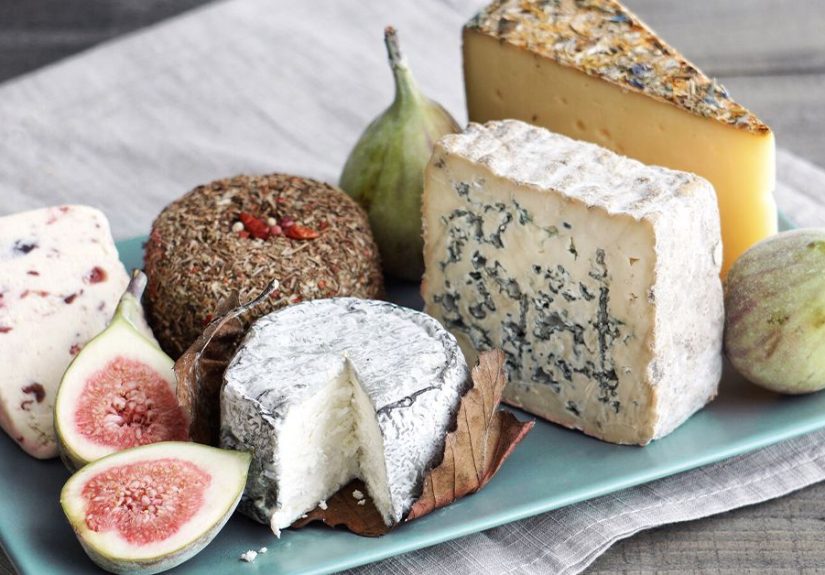
Experience #3: The cheese board blackout. Nobody sets out to eat half the brie. But cheese boards encourage grazing: tiny bites,
lots of variety, and constant novelty. Novelty is sneakyit keeps the reward system interested. The fix is not “never attend gatherings.”
It’s strategy: make one intentional plate, sit down, and actually taste it. You’ll still enjoy it, and you’ll be less likely to accidentally
treat the board like a personal challenge.
Experience #4: Stress turns cheese into a therapist with a dairy degree. After a rough day, cheese can feel like instant relief:
creamy, familiar, reliable. If that’s your pattern, try adding a second comfort tool to your routinemusic, a short walk, a shower, journaling,
calling a friendso cheese isn’t doing all the emotional heavy lifting. You can still have cheese; you’re just not asking it to solve your inbox.
Experience #5: “I quit cheese” lasts three days, then ends in a dramatic reunion. That’s the forbidden-food effect. When you
make cheese taboo, your brain turns it into a special event. A softer approach works better: schedule cheese on purpose (yes, on purpose),
keep portions visible, and pair it with foods that stabilize youprotein, fiber, and real meals. The urge to “go wild” usually fades when cheese
stops being a rare prize and becomes a normal option.