Table of Contents >> Show >> Hide
- Before You Begin: Why DIY Lip Piercing Is a Bad Bet
- How to Get a Lip Piercing Safely: 9 Steps (No DIY Needle Work)
- Step 1: Pick the style that matches your face and your life
- Step 2: Do a quick “am I a good candidate?” health check
- Step 3: Find a piercer like you’re hiring them to babysit your face
- Step 4: Book a consult and ask the “not awkward, actually important” questions
- Step 5: Prep for the appointment like a person who wants an easy healing phase
- Step 6: Know what a safe procedure looks like (so you can spot the sketchy stuff)
- Step 7: Start with the right jewelry (this is not the moment for mystery metal)
- Step 8: Follow aftercare like it’s your part-time job (but don’t overdo it)
- Step 9: Know what’s normal vs. “call someone with a medical degree”
- FAQs People Google at 1:17 a.m.
- Real-World Experiences: The Part Nobody Mentions Until You’re Already Swollen (≈)
- Conclusion
Let’s get one thing out of the way: I can’t walk you through piercing your own lip. A DIY lip piercing is a do-it-yourself medical-ish procedure on a part of your body that bleeds, swells, and lives next door to a mouth full of bacteria. The safer move is to get the look you wantwithout turning your bathroom into a low-budget emergency roomby going to a reputable professional piercer.
So this article keeps the promise of “9 steps,” but it’s the smart version: nine practical steps to get a lip piercing safely, choose the right jewelry, and heal with fewer surprises. You’ll still end up with the aesthetic. You’ll just skip the horror-movie subplot.
Before You Begin: Why DIY Lip Piercing Is a Bad Bet
Your mouth is not a sterile environment (and it never will be)
Oral and lip piercings sit in a bacteria-rich zone. That’s normalhumans come with bacteria. The issue is that a fresh piercing is a wound, and wounds don’t love extra germs, smoke, food debris, or sticky hands that “just wanted to check if it’s still there.”
Professional piercing safety isn’t just “clean”it’s a system
Legit studios use sterile, single-use needles, safe needle disposal (sharps containers), and sterilization equipment like autoclavesplus routine testing to confirm sterilizers work. That whole chain is hard to replicate at home without training, equipment, and procedures.
Oral piercings can mess with teeth and gums
Dental organizations warn that oral jewelry can increase risks like chipping teeth, gum recession, soft-tissue injury, and plaque buildup on jewelry. Translation: the piercing might look cute while your dentist quietly cries inside.
How to Get a Lip Piercing Safely: 9 Steps (No DIY Needle Work)
Step 1: Pick the style that matches your face and your life
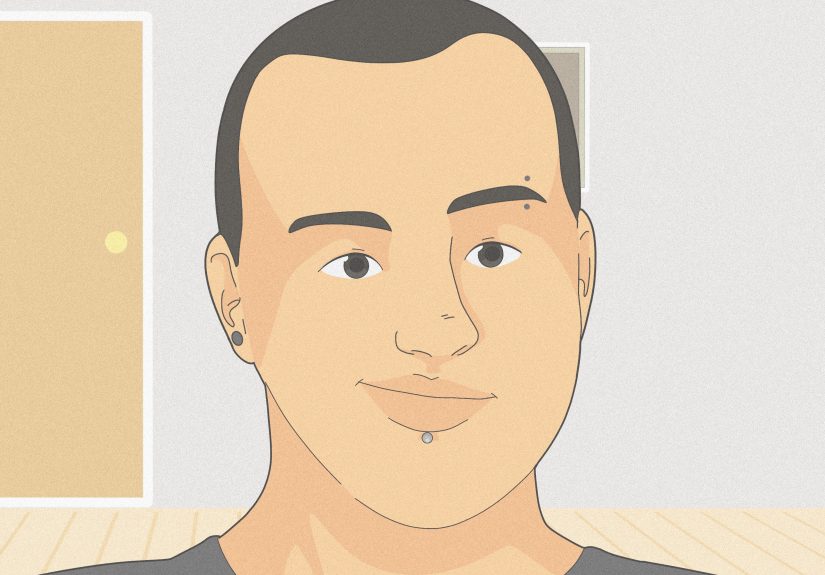
“Lip piercing” is a whole family tree. Popular options include:
- Labret (center or side, below the lower lip)
- Vertical labret (enters below the lip and exits through the lipno backing inside the mouth)
- Monroe/“beauty mark” (upper lip area, off-center)
- Philtrum/Medusa (center above the upper lip)
Lifestyle check: If you play a wind instrument, wear retainers/night guards, bite pens, or have a “stress chew” habit, tell your piercer up front. The goal is a placement that looks great and doesn’t constantly fight your daily routine.
Step 2: Do a quick “am I a good candidate?” health check
This isn’t about gatekeeping coolnessjust reducing risk. Consider pausing and talking to a clinician first if you:
- Have a history of keloids or raised scarring
- Have gum disease, frequent cavities, or ongoing dental issues
- Are immunocompromised or prone to infections
- Have bleeding disorders or take blood thinners
If keloids run in your family or you’ve had them before, piercings can be a trigger. It doesn’t mean “never,” but it does mean “be extra careful,” and sometimes “choose a different location.”
Step 3: Find a piercer like you’re hiring them to babysit your face
A solid piercer will happily explain:
- How they sterilize equipment (autoclave) and how often it’s tested
- That needles are single-use and disposed of properly
- What jewelry materials they use for initial piercings
- What aftercare they recommend (and why)
Green flags: a clean studio, clear consent paperwork, calm answers, and written aftercare. Red flags: pressure, vague hygiene answers, or outdated advice like smearing ointment on everything.
Step 4: Book a consult and ask the “not awkward, actually important” questions
Bring these up before anyone touches a glove:
- Jewelry: What material do you start with (implant-grade titanium is a common favorite)?
- Fit: Will the initial post be longer to allow swelling, and when do you downsize?
- Dental impact: How do you minimize rubbing on gums/teeth?
- Healing timeline: What’s typical for your exact placement?
Downsizing matters. After swelling goes down, switching to a shorter post can reduce gum and tooth trauma.
Step 5: Prep for the appointment like a person who wants an easy healing phase
The “prep” list is boring, which is exactly why it works:
- Eat a normal meal beforehand (nobody is brave when they’re hungry)
- Hydrate and sleep
- Bring ID and payment (some studios are cash-only)
- Avoid alcohol or recreational substances beforehand
- Brush and floss before you go (fresh mouth energy)
Step 6: Know what a safe procedure looks like (so you can spot the sketchy stuff)
You don’t need to micromanagejust be aware. A professional setup typically includes:
- New gloves and a clean, organized station
- Single-use needles opened in front of you
- Jewelry/instruments that have been sterilized properly
- Used needles immediately disposed of in a sharps container
If anything feels off, you’re allowed to pause the process and leave. Your lip will not be offended. Your future self will thank you.
Step 7: Start with the right jewelry (this is not the moment for mystery metal)
Initial jewelry should be high-quality, body-safe, and sized for swelling. Many reputable studios favor implant-grade materials (commonly implant-grade titanium) for fresh piercings. If you have metal sensitivities, mention it. Nickel allergies are a classic reason people end up itchy, angry, and regretting their choices.
Pro tip: A hoop can look iconic, but it’s often not the easiest starter for healing. Many piercers begin with a stud/post and switch styles after the tissue is stable.
Step 8: Follow aftercare like it’s your part-time job (but don’t overdo it)
Good aftercare is simple, consistent, and not obsessive. For oral/lip piercings, common guidance includes:
- Hands off: Wash hands before touching. Avoid “just checking.”
- Rinse smart: Rinse with water after eating, drinking, or smoking.
- Oral hygiene: Brush and floss daily; use an alcohol-free rinse as directed (too much can irritate).
- Outside care: Rinse the area in the shower and use sterile saline on the outside as recommended.
- Avoid harsh products: Skip peroxide/alcohol on the piercing; don’t suffocate it with ointments.
Think of it like caring for a tiny, fashionable paper cut. You want it clean and calmnot blasted with every chemical under your sink.
Step 9: Know what’s normal vs. “call someone with a medical degree”
Early healing can include swelling, tenderness, light bleeding, and some whitish/yellowish discharge that crustsespecially in the first week. That’s often normal wound behavior.
Get professional help (piercer and/or clinician) if you notice:
- Worsening pain, heat, or swelling that keeps ramping up
- Thick pus-like discharge, foul odor, or expanding redness
- Fever, chills, or feeling generally sick
- Jewelry embedding that’s getting worse (not just mild “nesting” after healing)
- New gum irritation, gum recession, or tooth pain
Also: don’t remove jewelry on a whim if you suspect infection. Closing over irritation can trap problems. Get advice first.
FAQs People Google at 1:17 a.m.
How long does a lip piercing take to heal?
Healing varies by person and placement. Professional guidance commonly lists lip piercings (all variations) around a few months, and it may look “fine” on the outside before deeper tissue is fully settled. Translation: patience beats panic.
Will it hurt?
Expect brief pain during the piercing, plus swelling and soreness for a few days. Oral sites can swell noticeably early on. Plan soft foods and a little extra time for talking without sounding like you just got dental work.
What foods should I avoid?
For the first week or two, many people do best avoiding foods that behave like tiny mouth bullies:
spicy, crunchy, super salty, or highly acidic items. Use the “paper cut test”: if you wouldn’t rub it on a paper cut, maybe don’t rub it on a fresh piercing.
Can I smoke or vape?
The safest answer is “avoid it while healing.” If you do smoke, rinse afterward and keep oral hygiene tight. Smoke and healing wounds don’t exactly hold hands and sing together.
When can I switch jewelry?
Downsizing (switching to a shorter post) is often recommended after swelling drops, because it can reduce gum and tooth contact. Style changes (like going to a hoop) are usually best saved for when healing is solidand ideally done with your piercer to avoid trauma.
Real-World Experiences: The Part Nobody Mentions Until You’re Already Swollen (≈)
Here’s the honest vibe of the first few weeks, based on common experiences people report and what reputable aftercare guidance prepares you for. Spoiler: you’ll be fine, but you’ll have a few “why did nobody warn me?” moments.
Days 1–3: The Swelling Era. You may wake up thinking, “Wow, my lip looks like it filed for its own ZIP code.” This is normal-ish for many oral piercings. Talking can feel clumsy, smiling might feel tight, and eating becomes a strategic sport. A lot of people gravitate toward smoothies, yogurt, scrambled eggs, soft rice, and anything you can eat without wrestling your jewelry. The best surprise? You’ll learn how many times a day you mindlessly touch your face. You’ll stop… because you’ll finally have a reason.
Days 4–7: The ‘I Think It’s Better’ Trap. The outside may look calmer, but the inside can still be tender. Many people get a little too confident here and try spicy wings, crunchy chips, or a “tiny little sip” of something that stings. If it burns, back off. This is also when the piercing can feel “tight” because swelling changes how the jewelry sits. If the jewelry feels like it’s sinking in aggressively, that’s a “call your piercer” situation, not a “let me see what happens” situation.
Week 2–4: The Routine Phase. Most people settle into a rhythm: rinse after meals, keep up brushing and flossing, and stop treating the piercing like a science experiment. A common learning moment is mouthwash. Alcohol-free rinses can help, but overdoing it can make tissue cranky. Another common surprise is plaque buildup on the jewelryyes, your lip jewelry can collect gunk the way your teeth do. Gentle cleaning and good oral hygiene matter.
The “Nesting” Confusion. With certain lip piercings, it can be normal for the back to settle slightly into the inner lip once healedlike it found a comfy spot and signed a lease. People sometimes panic and think it’s embedding. True embedding tends to worsen, feel painful, and look like tissue is swallowing the jewelry. Nesting is usually mild and stable. When in doubt, ask your piercerthis is literally their job.
Unexpected social moments. You might lisp a little. You might dribble water once (it happens). Family members might ask if it “hurts your teeth,” and the best answer is: “It can, which is why I’m downsizing on schedule and being careful.” If you’re a gum-chewer, you’ll discover gum is basically glitterit gets everywhere. Many people take a break from it while healing.
The biggest “I wish I knew” takeaway: Healing is usually easiest when you do less, consistently. Don’t poke it, twist it, yank it, or interrogate it in the mirror every hour. Keep it clean, keep it calm, and let your body do the slow, boring magic it’s great at.
Conclusion
If you came here wanting a DIY lip-piercing tutorial, I’m steering you away from that cliffbecause the safest “how-to” is: don’t do this to yourself. But you can absolutely get the look you want. Follow these nine steps, choose a professional studio with real sterilization practices, start with body-safe jewelry, and treat aftercare like the unglamorous hero it is. Your future selfies deserve it.