Table of Contents >> Show >> Hide
- Why food matters in ulcerative colitis (even if it doesn’t cause it)
- 1. High insoluble fiber: when “healthy” feels terrible
- 2. Dairy products: lactose can be a sneaky troublemaker
- 3. Fatty, fried, and greasy foods
- 4. Spicy foods and strong seasonings
- 5. Sugary foods, desserts, and sweet drinks
- 6. Alcohol, caffeine, and carbonated drinks
- 7. Gas-producing and high-FODMAP foods
- 8. Ultra-processed foods and additives
- 9. Artificial sweeteners and sugar alcohols
- 10. Remember: triggers are personaluse a food and symptom diary
- Real-life experiences: living (and eating) with ulcerative colitis
- Final thoughts: building your own “foods to avoid” list
Hearing “you have ulcerative colitis” is a bit like being handed a very
sensitive smoke alarm: it goes off with the tiniest “trigger,” and sometimes
you’re not even sure what caused it. While food doesn’t cause
ulcerative colitis (UC), certain foods can absolutely pour fuel on the fire
when it comes to flare-ups, gas, bloating, and urgent bathroom trips.
The tricky part? There’s no single “ulcerative colitis diet” that works for
everyone. But research and clinical experience do show clear patterns:
many people with UC tend to react to the same categories of foodsespecially
during a flarelike high insoluble fiber, greasy meals, alcohol, and
ultra-processed snacks.
In this guide, we’ll break down the main foods to avoid with
ulcerative colitis, why they can cause trouble, and how to swap
them for options that are kinder to an inflamed gut. We’ll keep it
practical, science-informed, and just light enough so you don’t want to cry
into your (low-residue) soup.
Why food matters in ulcerative colitis (even if it doesn’t cause it)
Ulcerative colitis is a chronic inflammatory bowel disease that affects the
colon and rectum. The inner lining of the large intestine becomes inflamed
and can develop ulcers, leading to symptoms like diarrhea, blood in the
stool, abdominal pain, fatigue, and weight loss.
Food doesn’t start this disease, but it can:
-
Increase stool volume or speed up transit (think lots of
raw, fibrous foods). -
Pull extra water into the gut (hello, very sugary drinks
and certain carbohydrates). -
Stimulate the bowel (thanks, caffeine, alcohol, and
spicy food). -
Increase gas and bloating (beans, cruciferous veggies,
and high-FODMAP foods).
During remission, you might tolerate a wider range of foods. During a
flare-up, though, your colon is irritable, inflamed, and kind of offended
by everything. That’s when it becomes especially important to limit
or avoid common trigger foods and work with your gastroenterologist
or dietitian to protect nutrition at the same time.
1. High insoluble fiber: when “healthy” feels terrible
Fiber is usually the hero of gut healthbut in active ulcerative colitis,
too much of the wrong kind of fiber can be more villain than superhero.
Insoluble fiber (the roughage that doesn’t dissolve in
water) adds bulk and “scrubs” the intestines. Great for constipation,
not so great for an inflamed colon.
Common high insoluble fiber foods to limit during flares include:
- Raw vegetables like broccoli, kale, cabbage, and carrots
- Salads made with lots of leafy greens
- Fruits with peel or seeds (apples with skin, berries with tiny seeds)
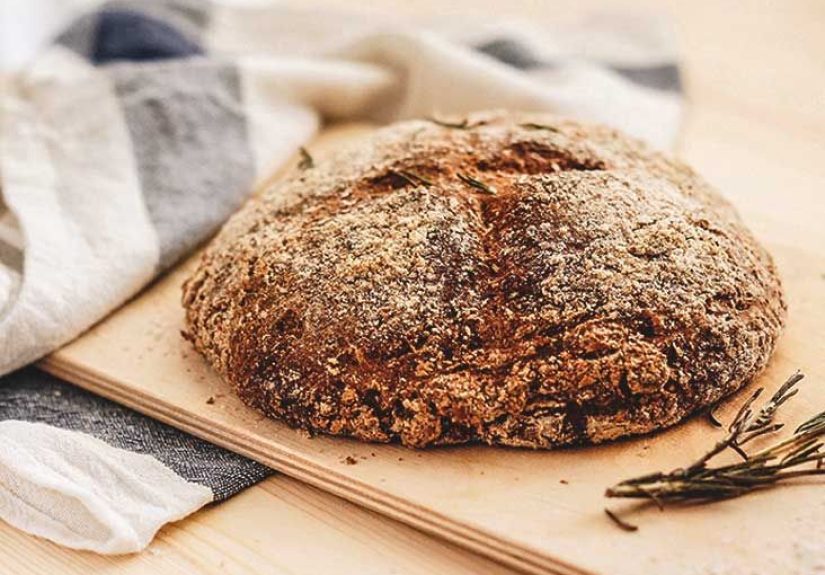
- Whole grains such as brown rice, whole wheat bread, bran cereals
- Popcorn, nuts, and seeds
These foods can worsen diarrhea, cramping, and urgency because they
increase stool volume and are harder to digest in an inflamed colon.
Gentler swaps:
- Well-cooked, peeled vegetables (zucchini, carrots, potatoes)
- Ripe bananas, canned fruits in juice, applesauce
- Refined grains during flares: white rice, white bread, plain pasta
- Nut butters (in moderation) instead of whole nuts
2. Dairy products: lactose can be a sneaky troublemaker
Many people with ulcerative colitis are also sensitive to
lactose, the natural sugar in milk. Even if you don’t have
full-blown lactose intolerance, dairy products can worsen gas, bloating,
and diarrhea, especially when your colon is inflamed.
Common dairy triggers include:
- Regular milk
- Ice cream
- Soft cheeses and cream-based sauces
- Milk-heavy coffee drinks and milkshakes
Interestingly, some people tolerate low-lactose or lactose-free
options like hard cheeses, lactose-free milk, or yogurt with
live cultures better than standard dairy, but this is very individual.
Gentler swaps:
- Lactose-free milk or plant-based milks (oat, almond, soy, depending on tolerance)
- Hard cheeses in small portions
- Lactose-free yogurt or kefir if tolerated
3. Fatty, fried, and greasy foods
If your colon could talk, it would probably send a strongly worded email
about fried chicken night. High-fat and fried foods are harder to digest
and can speed up intestinal contractions, worsening diarrhea and cramping.
Foods to avoid or limit include:
- Deep-fried foods (fries, fried chicken, onion rings)
- Fast-food burgers and greasy takeout
- Sausage, bacon, and other high-fat meats
- Heavy cream sauces and buttery dishes
- Large amounts of added oils or butter
Gentler swaps:
- Grilled, baked, or poached lean meats (chicken breast, turkey, fish)
- Small amounts of healthy fats (olive oil, avocado) if tolerated
- Simple broiled or baked potatoes instead of fries
4. Spicy foods and strong seasonings
Spicy foods don’t cause ulcerative colitis, but they can irritate the GI
tract and worsen symptoms like burning, urgency, and cramping during a
flare. Capsaicin (the compound that makes chili peppers hot) is a frequent
offender.
Common triggers:
- Hot sauces, salsas, and chili pastes
- Heavily spiced curries
- Spicy snacks like hot chips
- “Extra spicy” versions of any dish
Gentler swaps:
- Use herbs (basil, thyme, oregano) instead of hot spices
- Flavor with garlic-infused oil (if FODMAPs are an issue) rather than raw garlic
- Choose mild versions of your favorite dishes
5. Sugary foods, desserts, and sweet drinks
High-sugar foods can pull water into the intestines and feed less-friendly
gut bacteria, which may worsen gas, bloating, and diarrhea in people with
ulcerative colitis.
It’s especially helpful to limit:
- Sodas and sugary soft drinks
- Energy drinks
- Fruit juices with added sugar
- Cakes, cookies, pastries, and candy
- Products with high-fructose corn syrup
Gentler swaps:
- Water, herbal tea, or oral rehydration drinks during flares
- Small portions of fruit (like ripe bananas or peeled, cooked fruit)
- Lightly sweetened homemade smoothies with low-fiber ingredients
6. Alcohol, caffeine, and carbonated drinks
These three are like the “chaos trio” for UC. Alcohol and caffeine can
stimulate the bowel, increase urgency, and contribute to dehydration.
Carbonated drinks can add gas and bloating on top of everything else.
Common triggers include:
- Beer, wine, and liquor
- Coffee and strong tea
- Cola and energy drinks
- Sparkling waters and sodas
Gentler swaps:
- Water, electrolyte solutions, or diluted juices
- Decaf coffee or tea if tolerated
- Non-carbonated drinks, especially during flares
7. Gas-producing and high-FODMAP foods
Many people with ulcerative colitis also find that certain carbohydrates
called FODMAPs (fermentable sugars) and gas-producing
foods worsen symptoms like bloating, cramps, and loose stools. A
low-FODMAP diet, used short-term and under professional
guidance, can sometimes help manage symptoms.
Common high-FODMAP or gas-producing foods to consider limiting:
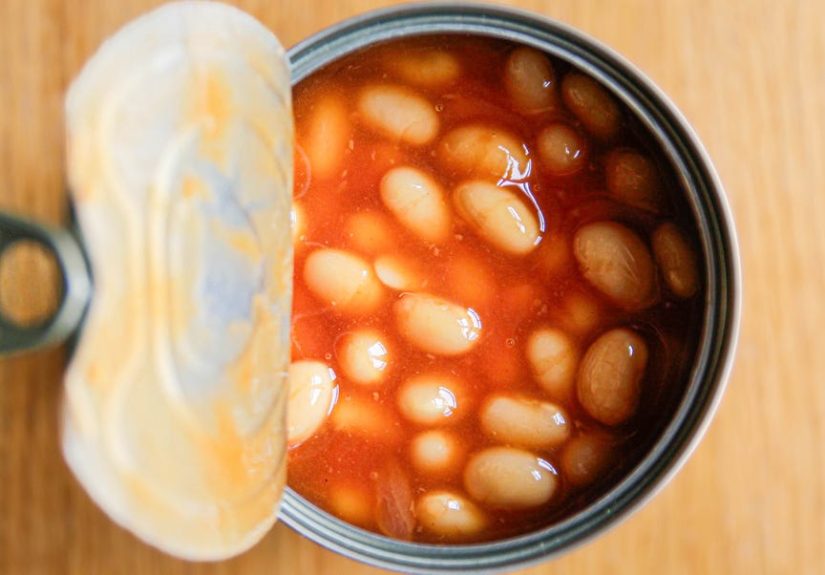
- Beans, lentils, and chickpeas
- Onions, garlic, artichokes, asparagus
- Apples, pears, stone fruits (peaches, plums)
- Wheat-heavy products for some people (breads, pasta)
- Cabbage, cauliflower, Brussels sprouts
- Sugar alcohols like sorbitol, mannitol, xylitol (in sugar-free gum and candies)
Again, this doesn’t mean everyone with ulcerative colitis must permanently
avoid all these foods. The low-FODMAP approach is typically used in phases:
elimination, then gradual reintroduction to see what really bothers you.
8. Ultra-processed foods and additives
Modern research is increasingly suspicious of ultra-processed foodsnot
just for overall health, but specifically for people with inflammatory
bowel disease. These foods often contain emulsifiers, thickeners, and
artificial sweeteners that may disrupt the gut barrier or microbiome in
susceptible individuals.
Examples include:
- Packaged snack cakes, chips, and crackers
- Instant noodles and boxed meal kits
- Processed meats (hot dogs, deli meats, some sausages)
- Sugary breakfast cereals and bars
- Products with many additives on the label (emulsifiers, gums, stabilizers)
Some studies have specifically pointed to emulsifiers like
carboxymethylcellulose and polysorbate-80
as potential contributors to gut inflammation in animal models, though more
human research is needed.
9. Artificial sweeteners and sugar alcohols
“Sugar-free” doesn’t always mean “gut-friendly.” Artificial sweeteners like
sucralose and saccharin, and sugar alcohols like sorbitol, mannitol, and
xylitol, may worsen gas, bloating, and diarrhea in sensitive people
including those with ulcerative colitis.
They often hide in:
- Sugar-free gums and candies
- “Diet” or “light” desserts
- Some protein bars and shakes
- Low-calorie drinks and flavored waters
If your symptoms ramp up after chewing a lot of sugar-free gum or drinking
diet sodas, your gut may be sending you a not-so-subtle message.
10. Remember: triggers are personaluse a food and symptom diary
All of these categories are “usual suspects,” but your personal trigger list
might be shorteror different. Some people tolerate small amounts of
certain foods once they’re in remission. Others find that even a little
alcohol or a big salad predictably sets off a flare.
One of the most powerful tools you can use is a
food and symptom diary:
- Write down what you eat and drink.
- Track symptoms (pain, urgency, blood, number of bowel movements).
- Look for patterns over 1–2 weeks.
This record, combined with guidance from a registered dietitian and your
gastroenterologist, can help you build a realistic, nourishing eating plan
that avoids the foods that truly bother youwithout unnecessarily cutting
out entire food groups.
Real-life experiences: living (and eating) with ulcerative colitis
Research and guidelines are helpfulbut if you live with ulcerative
colitis, you know the real learning happens in everyday life. Here are
some experience-based insights many people with UC share when they talk
about foods to avoid and how they’ve adapted.
“The salad that broke the camel’s colon”
One common story goes like this: someone feels a little better after a
flare, decides they’re “basically fine now,” and celebrates with a giant
raw salad full of kale, cabbage, peppers, and seeds. Within hours:
cramping, bloating, and more bathroom trips than they bargained for.
The lesson many people take away: even when you’re in remission, it’s
often smart to reintroduce high-fiber foods slowly and in small
amounts, rather than going from “white rice and toast” to “raw
veggie mountain” overnight. Cooking vegetables until soft, peeling fruits,
and avoiding seeds can make a noticeable difference.
Coffee love vs. colon reality
Another frequent experience: the emotional breakup with coffee. Plenty of
people with UC adore coffee, but notice that even one cup makes their gut
hyperactive, especially during or right after a flare.
Some people find they can:
- Switch to half-caf or decaf and tolerate it better.
- Drink coffee only on days when they’re staying close to a bathroom.
- Give it up completely during flares, then experiment slowly in remission.
Others decide coffee simply isn’t worth the risk and move on to herbal tea
or chicory-based “coffee” substitutes. The key is noticing how your
body reacts and adjusting, even if it means changing a beloved routine.
Social eating and the “trigger food trap”
Social events can be complicated. Many people with ulcerative colitis
describe the pressure of “not wanting to be the difficult one” at dinners,
parties, or work eventsso they eat whatever is offered, even if it’s a
minefield of fried foods, heavy sauces, and alcohol.
Over time, a lot of people learn a few survival strategies:
-
Eat a small, safe meal beforehand so you’re not starving
and desperate enough to gamble on high-risk foods. -
Scan menus ahead of time and identify one or two “safe
default” options (like grilled chicken, baked potato, or plain rice). -
Normalize saying no to trigger foods and drinks. You
don’t owe anyone a detailed explanation of your digestive system.
The emotional side of avoiding foods
Avoiding certain foods isn’t just a physical challenge; it’s emotional,
too. People often mention feeling:
- Left out when others eat freely
- Guilty when they “cheat” with a trigger food
- Frustrated by how much planning meals require
A more compassionate mindset can help: instead of thinking “I can’t eat
this,” some people reframe it as “I choose not to eat this because I like
feeling well.” That small shift can make sticking to your UC-friendly plan
feel empowering rather than restrictive.
Working with professionals pays off
A repeated theme in people’s experiences is how helpful it is to work with
a registered dietitian familiar with inflammatory bowel disease.
They can:
- Make sure your diet still provides enough calories and nutrients
- Help you trial approaches like low-FODMAP or low-residue safely
- Give you practical meal and snack ideas based on your preferences
Most importantly, they can help you avoid overly restrictive diets that may
worsen fatigue, poor wound healing, or nutrient deficienciesproblems that
people with ulcerative colitis are already at higher risk for.
Final thoughts: building your own “foods to avoid” list
Ulcerative colitis doesn’t come with a universal menu plan, and that’s
both the bad news and the good news. The bad: you do have to experiment and
pay attention. The good: you’re not doomed to eat the same three bland
foods forever.
In general, many people with colitis ulcerosa find it
helpful to limit or avoid:
- High insoluble fiber when flaring (raw veggies, skins, whole grains)
- Dairy if lactose intolerance or sensitivity is present
- Fatty, fried, and greasy meals
- Spicy foods and strong seasonings
- Sugary drinks and sweets
- Alcohol, caffeine, and carbonated drinks
- Gas-producing and high-FODMAP foods, at least temporarily
- Ultra-processed foods and products loaded with additives
- Artificial sweeteners and sugar alcohols
Always remember: this article is informational only and
is not a substitute for professional medical advice. Before making big
changes to your diet, especially if you’re losing weight or struggling to
get enough nutrients, talk with your gastroenterologist and a dietitian who
understands inflammatory bowel disease.
With the right support, some careful experimentation, and a good sense of
humor, you can build an eating pattern that avoids your worst triggers,
supports your overall health, and still lets you enjoy foodwithout feeling
like your colon is running the show.