Table of Contents >> Show >> Hide
- 1. Cabbage vs. Lettuce: The Basics
- 2. Nutrition Showdown: Which Is Healthier?
- 3. Health Benefits: Cabbage and Lettuce in Your Body
- 4. Taste, Texture, and Best Uses in the Kitchen
- 5. Storage, Cost, and Convenience
- 6. Which Should You Choose?
- 7. FAQs About Cabbage and Lettuce
- 8. Real-Life Experiences: Cooking, Eating, and Comparing Cabbage and Lettuce
- 9. Conclusion: Don’t ChooseCombine Them
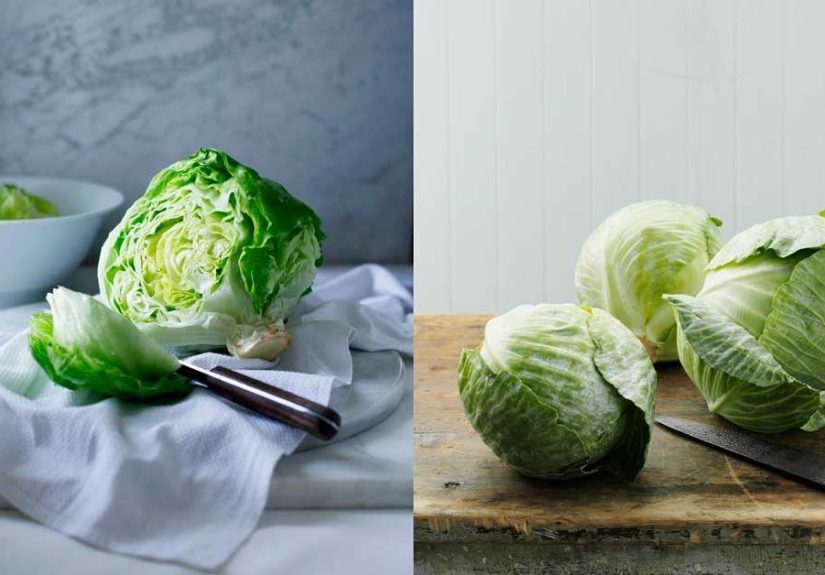
If you’ve ever grabbed a tight green ball at the grocery store thinking it was lettuce and then wondered why it smelled like grandma’s boiled dinner, you’ve already met cabbage. These two leafy vegetables share a similar color palette and basic shape, but under the surface they’re totally different characters. Think of cabbage as the sturdy, practical friend who helps you move, and lettuce as the breezy buddy who shows up to the picnic with the salad.
In this guide, we’ll break down the real differences between cabbage and lettucehow they grow, how they taste, how they affect your health, and when to use each one in the kitchen. By the end, you’ll know exactly which leafy green belongs in your slaw, your salad, and your tacos (hint: probably not iceberg in the soup).
1. Cabbage vs. Lettuce: The Basics
Different plant families, different personalities
Despite the resemblance, cabbage and lettuce aren’t even botanical cousins. Cabbage belongs to the Brassicaceae familythe same crew as broccoli, cauliflower, Brussels sprouts, and kale. This family is famous for its slightly sulfurous aroma when cooked and its powerful plant compounds.
Lettuce lives in the Asteraceae family, alongside chicory and artichokes. It tends to be lighter in flavor, more delicate in texture, and higher in water content. That’s why lettuce feels crisp and refreshing, especially in salads and sandwiches.
How they look and grow
- Cabbage: Forms a tight, dense head with leaves layered on top of one another like a vegetable onion. The leaves are thicker and chewier, with visible ribs and veins.
- Lettuce: Can form loose or compact heads, depending on the variety. The leaves are generally thinner, softer, and more tender, often curling or frilling at the edges.
In the garden, cabbage tolerates cooler weather and often takes longer to mature, rewarding patience with a heavy head. Lettuce prefers cooler seasons too, but many varieties grow faster and are harvested young for the best flavor and texture.
Common types of cabbage and lettuce
Popular cabbages:
- Green cabbage: The classic round head you see in coleslaw and stir-fries.
- Red (purple) cabbage: Deeply colored, slightly peppery, and rich in pigment-packed antioxidants.
- Savoy cabbage: Crinkly, tender leaves that are perfect for stuffing or gentle sautéing.
- Napa (Chinese) cabbage: Elongated, softer leaves often used in Asian dishes and kimchi.
Popular lettuces:
- Iceberg lettuce: Pale, super-crisp, and mild. Great for crunch, not a nutrient powerhouse.
- Romaine: Long, darker leaves with a firm ribfamous in Caesar salad and lettuce wraps.
- Leaf lettuces: Red or green leaf types with loose, frilly leaves and plenty of flavor.
- Butterhead (Boston/Bibb): Soft, tender heads with buttery texture.
2. Nutrition Showdown: Which Is Healthier?
Both cabbage and lettuce are low in calories and rich in vitamins, minerals, and antioxidants. The big difference is how densely those nutrients are packed in. Cabbage usually edges ahead as the more nutrient-dense vegetable, while lettuceespecially darker varieties like romainestill brings important vitamins to the table.
Calories, carbs, and fiber
Here’s a simplified look at how 100 grams (about 3.5 ounces) of each compares nutritionally:
| Nutrient (per 100 g) | Green Cabbage (raw) | Romaine Lettuce (raw) | Iceberg Lettuce (raw) |
|---|---|---|---|
| Calories | ~23–28 | ~17–19 | ~14 |
| Carbohydrates | ~5–6 g | ~3–4 g | ~3 g |
| Dietary Fiber | ~2–3 g | ~2–3 g | ~1 g or less |
| Protein | ~1–1.5 g | ~1–1.5 g | ~1 g |
| Water Content | ~92% | ~94–95% | ~95–96% |
All three are low in calories, which is why both cabbage and lettuce are popular in weight-conscious meals. Cabbage tends to offer a bit more fiber and carbohydrates per bite, while lettuceespecially icebergis basically crunchy, structured water with a vitamin side hustle.
Vitamins and minerals
This is where things get interesting:
- Cabbage is usually richer in vitamin C, vitamin K, and folate. Red cabbage also supplies anthocyanins, pigments with antioxidant and anti-inflammatory potential.
- Lettuceespecially darker varieties like romaine and red leaftends to shine in vitamin A (from beta carotene) and still offers vitamin K and folate. Iceberg has fewer vitamins than romaine or leaf lettuce, but it still contributes some micronutrients and hydration.
Think of cabbage as the compact, nutrient-dense overachiever and romaine as the lighter, refreshing option that still pulls its weight nutritionally. Iceberg is more like the salad equivalent of sparkling waterpleasant, crisp, but not exactly loaded.
3. Health Benefits: Cabbage and Lettuce in Your Body
Why cabbage earns “superfood” status
As a cruciferous vegetable, cabbage contains unique plant compounds called glucosinolates. When you chop, chew, or cook cabbage, these can convert into biologically active substances, such as isothiocyanates, which may help support the body’s natural defenses against oxidative stress and cellular damage.
Key potential benefits of regularly eating cabbage include:
- Digestive support: Its fiber helps keep things moving and may support a healthier gut microbiome.
- Heart health: Potassium, fiber, and antioxidants in cabbage can help support healthy blood pressure and cholesterol levels.
- Anti-inflammatory effects: Antioxidants in cabbage may help calm chronic low-grade inflammation, which is linked to many chronic conditions.
- Metabolic health: Because it’s nutrient-dense, low in calories, and rich in fiber and antioxidants, cabbage fits nicely into eating patterns aimed at blood sugar balance and long-term metabolic health.
There is one caveat: very large amounts of raw cabbage (and other cruciferous vegetables) may not be ideal for people with certain thyroid conditions, so they should talk with a healthcare provider about how much to eat and in what form.
What lettuce brings to the table
Lettuce doesn’t have the same cruciferous reputation as cabbage, but it still offers some important benefits:
- Hydration: With around 95% water content, lettuce helps you stay hydrated while adding volume to meals for very few calories.
- Vision and skin support: Darker lettuces like romaine and red leaf are rich in vitamin A, which supports eye health, immune function, and healthy skin.
- Vitamin K: Many lettuces provide vitamin K, which plays a role in normal blood clotting and bone health.
- Gentle fiber: Lettuce contains some fiber, though usually less than cabbage, which still contributes to digestive health.
If cabbage is the heavy hitter for nutrient density and special compounds, lettuce is the everyday player that makes it easy to eat more greens without feeling weighed down.
4. Taste, Texture, and Best Uses in the Kitchen
Flavor and texture differences
- Cabbage: Raw cabbage is crunchy, firm, and slightly peppery or earthy. When cooked, it softens and takes on a sweeter flavor, especially if sautéed or roasted.
- Lettuce: Most lettuces are mild and slightly sweet or neutral. Romaine has a more pronounced, slightly bitter edge, while butterhead is tender and delicate. Lettuce wilts quickly when exposed to heat.
When to use cabbage
Cabbage is surprisingly versatile. Great uses include:
- Coleslaw: Shredded cabbage (green or red) with a creamy or vinegar-based dressing for crunchy side dishes and sandwich toppers.
- Stir-fries: Thinly sliced cabbage holds up well to high heat and adds bulk and crunch to noodle or rice dishes.
- Soups and stews: Cabbage softens in broths while still providing texture and nutrients.
- Cabbage rolls: Whole leaves can be blanched and stuffed with grains, meat, or plant-based fillings.
- Fermented foods: Cabbage is the star of sauerkraut and kimchi, where fermentation creates probiotics and complex flavor.
When to use lettuce
Lettuce shines in dishes where its crisp, fresh texture is the main event, such as:
- Salads: From Caesar made with romaine to mixed greens salads with leaf lettuce.
- Sandwiches and burgers: A few leaves of lettuce add crunch and freshness.
- Lettuce wraps: Heartier lettuces like romaine or butterhead can stand in for tortillas for lighter wraps.
- Taco toppings: Shredded lettuce (often iceberg) gives crunchy freshness to tacos and burrito bowls.
Because lettuce wilts so quickly, it’s rarely cooked beyond a brief toss into a hot dish just before serving. Cabbage, on the other hand, is perfectly happy to simmer, steam, roast, or stir-fry.
5. Storage, Cost, and Convenience
How long do they last?
- Cabbage: A tightly wrapped head of cabbage can last several weeks in the refrigerator, especially if you store it in the crisper drawer and only cut off what you need.
- Lettuce: Most lettuces are more fragile. Heads of romaine or leaf lettuce typically last about a week if kept dry and chilled. Prewashed salad mixes can spoil even faster once opened.
If you’re someone who buys vegetables with ambitious intentions and then forgets them in the back of the fridge, cabbage is usually more forgiving than lettuce.
Budget friendliness
Both cabbage and lettuce are relatively inexpensive, but cabbage often gives you more edible weight for the price. A single head can stretch across multiple mealsslaw, stir-fry, soup, and maybe a batch of quick pickleswithout breaking the bank.
6. Which Should You Choose?
There’s no need to pick a permanent favoriteyour plate has room for both. But if you’re trying to decide which one to use in a specific situation, these guidelines help:
- For a crunchy salad: Choose lettuce (especially romaine or leaf types), and add some shredded cabbage for extra texture and nutrients.
- For cooked dishes: Cabbage is the clear winner. Lettuce tends to turn limp and sad under prolonged heat.
- For maximum nutrient density per bite: Cabbage has the edge, though darker lettuces are still nutritious.
- For ultra-light, hydrating meals: Lettuceespecially iceberg and romainedelivers crisp volume with very few calories.
In short: cabbage is your go-to for hearty, cooked, or fermented dishes and extra fiber, while lettuce is your best friend for fresh, crisp, low-calorie meals.
7. FAQs About Cabbage and Lettuce
Can you substitute cabbage for lettuce in salads?
Sometimes. Shredded cabbage works well in slaws or as part of a crunchy salad, but it’s firmer and chewier than lettuce. If you swap cabbage into a typical leafy salad, you may want a slightly stronger dressing and thinner shreds to keep the texture pleasant.
Is cabbage healthier than lettuce?
Generally speaking, cabbage is more nutrient-denseespecially in terms of vitamin C, vitamin K, and certain antioxidants. However, darker lettuces like romaine offer more vitamin A and are still very healthy. Your best move is to eat a variety of greens instead of crowning a single winner.
Are both good for weight management?
Yes. Both cabbage and lettuce are low in calories and high in volume, which can help you feel fuller on fewer calories. Cabbage adds more fiber, while lettuce adds more water and crunch.
8. Real-Life Experiences: Cooking, Eating, and Comparing Cabbage and Lettuce
On paper, cabbage and lettuce are all about nutrient profiles and plant families. In a real kitchen, things get more personal. Ask home cooks about the difference and you’ll hear stories, not charts.
Many people meet cabbage for the first time through coleslaw at a summer cookout. There’s that moment when you realize the crunchy stuff under the pool of mayo is actually a vegetableone that holds up to dressing for hours without turning into a soggy mess. That’s cabbage’s superpower: resilience. Toss it with dressing in the morning, and it’s still pleasantly crisp by dinnertime.
Lettuce, by contrast, is sensitive. Dressing a lettuce salad too early is a classic rookie mistake. The leaves start to wilt, the edges darken, and your beautiful salad becomes a flat, slightly sad pile by the time guests arrive. Anyone who has rescued a bowl of romaine at the last second with a paper towel and a pep talk knows how delicate lettuce can be.
In meal prep, the difference is dramatic. If you chop a head of cabbage on Sunday, you can stretch it across the week: a handful in your salad on Monday, a quick stir-fry on Wednesday, a soup or taco filling on Friday. It’s like a reliable friend that keeps showing up. Lettuce is more of a “use it or lose it” ingredientbest within a few days while the leaves are still perky.
Texture is another big part of the experience. People who say “I don’t like salad” often mean they don’t love the soft, leafy feel of certain lettuces. Offer them a slaw made with finely shredded cabbage, carrots, and a tangy dressing, and suddenly they’ve cleared the plate. Cabbage gives salads a crunch that feels substantial, almost snack-likeespecially when paired with nuts or seeds.
Families often find creative ways to use both. Kids who refuse lettuce in a sandwich might happily eat cabbage in tacos because it stays crisp under salsa and cheese. Lettuce wraps can be a game-changer for folks who want to lighten up their meals without feeling deprivedromaine or butterhead leaves make surprisingly sturdy “shells” for grilled chicken, tofu, or leftover stir-fry.
Cultural traditions shape the experience too. In some households, cabbage is tied to comfort foods: big pots of cabbage soup, slow-simmered stews, or fragrant kimchi and sauerkraut sitting in jars on the counter. Lettuce belongs to everyday fresh eatingquick side salads, lunchbox wraps, and that last-minute handful of greens added to a plate to make it look more balanced.
For many people, the sweet spot is using cabbage and lettuce together. A salad with romaine or leaf lettuce for lightness and a handful of red or green cabbage for crunch and color gives you the best of both worlds. You get the refreshing bite of lettuce plus the staying power of cabbage, both nutritionally and texturally.
Over time, most home cooks figure out their own rules of thumb: cabbage when you want something hearty, cooked, pickled, or long-lasting; lettuce when you want something crisp, refreshing, and quick. Once you’ve learned those rhythms, the two vegetables stop being confusing look-alikes and start feeling like distinct, useful tools you can reach for depending on what you’re cooking and how you want your meal to feel.
9. Conclusion: Don’t ChooseCombine Them
Cabbage and lettuce may look similar at a glance, but they behave differently in your kitchen and in your body. Cabbage is denser, heartier, and often more nutrient-packed, especially in terms of vitamin C, vitamin K, and fiber. Lettuceespecially darker varieties like romaineoffers refreshing crunch, hydration, and vitamin A, and shines in raw dishes.
You don’t have to declare a winner in the cabbage vs. lettuce debate. Keep both on rotation: toss lettuce into your fresh salads and wraps, lean on cabbage for slaws, stir-fries, soups, and fermented favorites. Mixing them together can give you more texture, flavor, and nutrition with almost no extra effort.
In the end, the real “difference” isn’t just about nutrients or plant familiesit’s about how you like to eat. Use cabbage when you want something hearty and long-lasting. Use lettuce when you crave light, crisp, and refreshing. Your taste buds (and your grocery budget) will happily make space for both.
sapo: Cabbage and lettuce might look alike in the produce aisle, but they’re not nutritional twins. One is a hearty cruciferous veggie loaded with vitamin C, fiber, and powerful antioxidants; the other is a crisp, hydrating leaf that makes salads and sandwiches feel fresh and light. This in-depth guide breaks down the differences in nutrition, flavor, texture, health benefits, and cooking usesplus real-life examples of when to choose cabbage, when to choose lettuce, and why your smartest move is often using both in the same meal.