Table of Contents >> Show >> Hide
- How No-Yeast Dough Works (Without the Drama)
- Before You Mix: A Few No-Yeast Dough “Cheat Codes”
- Recipe 1: Flaky Baking Powder Biscuit Dough (No Yeast, All Comfort)
- Recipe 2: Two-Ingredient Greek Yogurt Dough (Pizza, Bagels, Pretzels… You Choose)
- Recipe 3: Quick Flour Tortilla / Skillet Flatbread Dough (Soft, Puffy, No Yeast)
- Troubleshooting: When Your No-Yeast Dough Has Opinions
- Conclusion
- Extra: Real-Life “No Yeast” Experiences (So You Don’t Panic Mid-Mix)
Yeast is greatuntil it isn’t. Maybe you’re out. Maybe your kitchen is cold enough to qualify as a penguin spa.
Or maybe you just want bread now, not after a three-hour relationship-building exercise with a living organism.
Good news: you can absolutely make dough without yeast, and it can be fluffy, tender, and downright impressive.
The trick is swapping fermentation for faster “lift” (hello, baking powder), clever structure (hello, rested flour),
and a little culinary psychology (hello, pretending you planned this all along).
Below you’ll get the why, the how, and three dependable no-yeast dough recipes you can use for biscuits, pizza, and tortillas/flatbreads.
How No-Yeast Dough Works (Without the Drama)
Traditional yeast dough rises because yeast eats sugars and produces carbon dioxide over time. No-yeast dough skips that
slow fermentation step and relies on faster methods to create air pockets and tenderness:
1) Chemical leavening (baking powder + moisture + heat)
Baking powder releases carbon dioxide when it gets wet and again when it’s heated (that’s why many are “double-acting”).
Those bubbles expand in the oven, giving dough lift and a lighter texturewithout waiting around for a rise.
2) Baking soda + acid (when your dough has tang)
Baking soda needs an acid (like buttermilk, yogurt, lemon juice, or vinegar) to activate quickly.
It’s powerful stuffgreat for browning and liftbut too much can leave a soapy/metallic taste.
3) Steam + technique (structure you can feel proud of)
Even yeast-free dough can puff nicely when moisture turns to steam in a hot oven or skillet. Cold butter in biscuit dough
creates steam and layers; resting tortilla dough relaxes gluten so it rolls thin and puffs on the griddle.
Before You Mix: A Few No-Yeast Dough “Cheat Codes”
Use fresh leaveners
Baking powder and baking soda get weaker over time. A quick home test:
baking powder should fizz in hot water; baking soda should fizz with something acidic (like vinegar).
If the bubbles are lazy, your dough will be too.
Know your flour shortcut: self-rising flour
Self-rising flour is basically all-purpose flour that already has leavening and salt mixed in. You can make a quick DIY version:
whisk together all-purpose flour + baking powder + salt, then use it like self-rising flour. This is the secret behind many “two-ingredient”
doughs that use only flour + Greek yogurt.
Don’t overmix
Yeast-free doughs are usually “quick doughs,” meaning you want just enough mixing to bring it together.
Overmixing develops too much gluten and can turn tender dough into a chew toy (great for dogs, less great for dinner).
Resting isn’t just for you
Resting dougheven 10 to 30 minuteslets flour fully hydrate and gluten relax. Translation: easier rolling, better texture,
and fewer moments where you whisper “why are you like this?” at a lump of dough.
Recipe 1: Flaky Baking Powder Biscuit Dough (No Yeast, All Comfort)
This is your “I need something warm and buttery immediately” dough. Use it for classic biscuits,
shortcakes, pot pie topping, or breakfast sandwiches that make you feel like you have your life together.
Ingredients (makes about 10–12 biscuits)
- 2 cups all-purpose flour
- 1 tablespoon baking powder
- 1 teaspoon salt
- 1 tablespoon sugar (optional, but helps browning)
- 6 tablespoons cold unsalted butter (cut into small cubes)
- 3/4 cup cold milk or buttermilk (plus a splash more if needed)
Steps
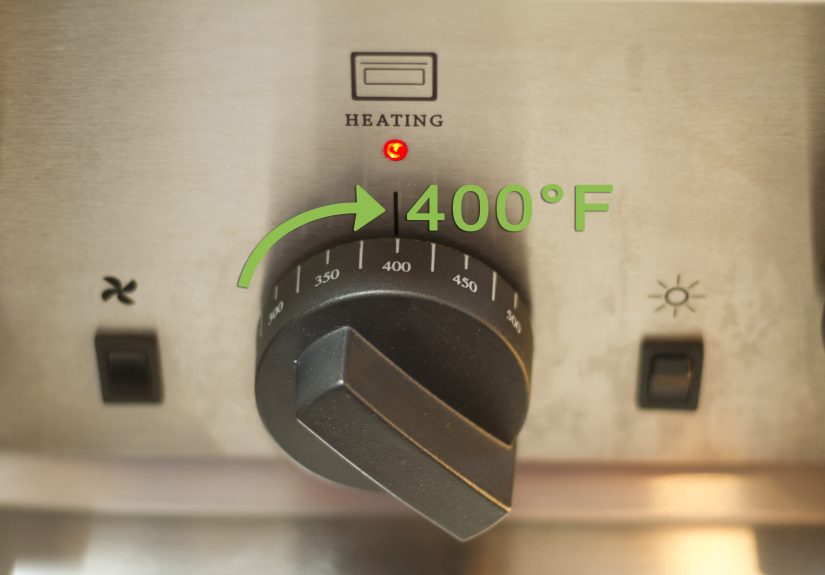
- Heat the oven to 425°F. Line a baking sheet with parchment.
- Mix dry ingredients (flour, baking powder, salt, sugar) in a large bowl.
-
Cut in the butter until the mixture looks like coarse crumbs with some pea-size bits.
Those butter bits = steam pockets = flaky layers. -
Add cold milk/buttermilk and stir gently just until a shaggy dough forms. If it looks dry,
add a tablespoon of liquid at a time. -
Fold for layers: turn dough onto a lightly floured surface, pat into a rectangle, then fold it in half
3–4 times (gently). Pat to about 3/4-inch thickness. -
Cut biscuits (or slice into squares with a knife for less fuss). Place them close together on the pan
so they rise tall. - Bake 12–15 minutes until golden. Eat one immediately. This is non-negotiable.
Why this works
Baking powder gives the lift, while cold butter creates steam and flakiness. Minimal mixing keeps the crumb tender.
If you want extra “bakery vibes,” brush the tops with melted butter after baking.
Common fixes
- Biscuits didn’t rise: baking powder may be old, oven may be too cool, or dough was overhandled.
- Biscuits are tough: too much mixing or too much flour added while shaping.
- Dry crumb: use buttermilk or a splash more liquid; don’t overbake.
Recipe 2: Two-Ingredient Greek Yogurt Dough (Pizza, Bagels, Pretzels… You Choose)
This dough is famous for a reason: it’s fast, forgiving, and ridiculously adaptable.
The “magic” is self-rising flour + Greek yogurt. The flour provides leavening; the yogurt adds moisture, tenderness,
and a slight tang that tastes like you tried harder than you did.
Ingredients (makes 1 medium pizza crust or 4 bagels)
- 1 cup self-rising flour (plus extra for dusting)
- 1 cup plain Greek yogurt (thick, strained style works best)
Optional upgrades
- 1 tablespoon olive oil (softer texture, great for pizza)
- Garlic powder, Italian seasoning, or everything seasoning
- A pinch of sugar (helps browning if baking at lower temps)
Steps
- Combine self-rising flour and Greek yogurt in a bowl until clumps form.
- Knead on a lightly floured surface for 1–2 minutes until mostly smooth. (Don’t chase perfection.)
- Rest 10 minutes. This makes it easier to roll or shape.
-
Use it:
- Pizza: press/roll into a crust, top, bake at 475–500°F until browned.
- Bagels: divide into 4, shape rings, brush with egg wash (optional), bake at 375°F about 20–25 minutes.
- Skillet flatbread: roll thin, cook in a hot pan 1–2 minutes per side.
If you don’t have self-rising flour
Make a quick substitute by whisking all-purpose flour with baking powder and salt, then measure what you need for the recipe.
(If you do this often, store a jar of itit’s basically your “no-yeast emergency kit.”)
Why this works
The baking powder in the flour gives quick lift, and the thick yogurt keeps the dough tender and workable.
Because there’s no long rise, you’re relying on technique: brief kneading for structure and a short rest for easier shaping.
Recipe 3: Quick Flour Tortilla / Skillet Flatbread Dough (Soft, Puffy, No Yeast)
Tortillas are one of the best “no yeast” flexes because they’re fast and feel impressive.
The secret isn’t yeastit’s fat + hydration + resting + hot heat. A small amount of baking powder can help tenderness and puff,
but the real magic is a well-rested dough hitting a properly heated skillet.
Ingredients (makes about 8 tortillas)
- 2 cups all-purpose flour
- 1/2 teaspoon baking powder (optional but helpful)
- 3/4 teaspoon salt
- 3 tablespoons lard, shortening, or neutral oil
- 3/4 cup warm water (add gradually; you may not need every drop)
Steps
- Mix dry ingredients (flour, salt, baking powder if using).
- Work in the fat until the flour looks sandy and evenly coated.
- Add warm water and mix until a dough forms. It should feel soft, not sticky.
- Knead briefly (about 1–2 minutes) until smooth-ish.
- Rest 20–30 minutes, covered. This step makes rolling dramatically easier.
- Divide into 8 balls. Keep them covered so they don’t dry out while you work.
- Roll thin on a lightly floured surface. Aim for a rough circleperfection is optional.
-
Cook on a hot, dry skillet (medium-high). About 30–60 seconds per side.
You want browned spots and some puffing. Flip when bubbles appear. - Keep warm in a clean towel. Tortillas stay softer when they steam a little as they stack.
Pro tips for puffier tortillas
- Don’t skip the rest: relaxed dough puffs more easily.
- Heat matters: a lukewarm skillet = stiff tortillas. You want it properly hot.
- Roll evenly: thick patches won’t puff the same as thin patches.
Troubleshooting: When Your No-Yeast Dough Has Opinions
“My dough is too sticky.”
Add flour 1 tablespoon at a time. Sticky dough is normal at first (especially yogurt dough),
but you want it workablenot glue.
“My dough is dry and cracking.”
Add liquid 1 tablespoon at a time, then rest 10 minutes. Dry flour often just needs time to hydrate.
“It tastes… bitter?”
That can happen with too much baking powder or baking soda. Measure carefully, and avoid “heaping” spoons unless the recipe says so.
“It’s dense.”
Common causes: old baking powder, overmixing, or an oven/skillet that wasn’t hot enough.
Remember: no yeast means you’re relying on chemical lift + heat timing.
Conclusion
Making dough without yeast isn’t a compromiseit’s a strategy. Baking powder biscuits deliver buttery layers fast,
Greek yogurt dough gives you weeknight pizza power, and tortilla/flatbread dough proves that heat + resting can create
real puff and tenderness without fermentation. Once you’ve got these three in your back pocket, you’re basically
“prepared” in the most delicious way possible.
Next time yeast is missing (or you just don’t feel like waiting), pick the dough that matches your mood:
flaky and cozy, quick and customizable, or hot-and-fast on the skillet.
Extra: Real-Life “No Yeast” Experiences (So You Don’t Panic Mid-Mix)
Let’s talk about what actually happens in a normal kitchenbecause recipes love to pretend your counters are always clean
and your measuring spoons aren’t hiding in the dishwasher like they’re in witness protection.
Here are some common no-yeast dough moments and how to handle them like a calm, capable bread wizard (even if you’re not).
The Biscuit Dough Speed Trap: The first time you make biscuit dough, you might stir with enthusiasm,
thinking “mixing = success.” Then the biscuits bake up tough. Classic. Biscuit dough wants a light touchstop mixing the second
it comes together. If you see dry flour streaks, it’s okay; folding during shaping will handle it.
Another real-life moment: your butter starts getting soft because you took a phone call, fed a pet, and answered one text.
If the butter is melting, pop the whole bowl in the fridge for 10 minutes. Cold fat is your flaky best friend.
The Greek Yogurt Dough Surprise: Two-ingredient dough sounds like it should be neat and tidy, but the first mix
often looks like a shaggy mess. That’s normal. Yogurt brands vary in thickness, and your flour may be drier than someone’s jokes at a bad meeting.
Knead it briefly and give it a restmost of the “why is this weird?” feeling disappears after 10 minutes.
If it stays sticky, dust with flour a little at a time instead of dumping half the bag in and turning it into a brick.
Also: the tangy smell is not a warning sign. It’s flavor.
The Tortilla Dough Confidence Game: Tortillas teach patience in the most low-stakes way.
You knead, then you rest, and you wonder if resting is actually doing anything.
Then you rollsuddenly the dough stops snapping back like a stubborn rubber band.
That’s the gluten relaxing, and it’s why your tortillas can be thin and flexible instead of thick and cranky.
The other real-life issue is skillet temperature. Too cool and the tortilla dries out before it puffs.
Too hot and you get dramatic scorch marks that taste like regret. If your first tortilla is ugly, congratulations:
you’ve made the sacrificial tortilla, a proud tradition across many kitchens.
Adjust heat and move on like it never happened.
The “I’m Out of One Ingredient” Moment: No-yeast dough is fantastic for substitutions.
No buttermilk? Use milk with a small splash of vinegar or lemon juice. No self-rising flour?
Make a quick blend with flour, baking powder, and salt. No lard? Use shortening or oil.
These doughs are more flexible than yeast dough because you’re not trying to keep a fermentation schedule alive.
The key is to keep the dough texture right: soft, not dry; workable, not soupy.
The Emotional Victory Lap: Here’s the best part: no-yeast baking gives fast feedback.
You learn quickly how texture should feel in your hands and how heat changes the result.
And the win is immediatewarm biscuits in 15 minutes, pizza on the table in under an hour,
tortillas puffing in a skillet like little edible balloons. It’s the kind of cooking that turns a random Tuesday into
“remember that night we made bread out of nothing?” energy.